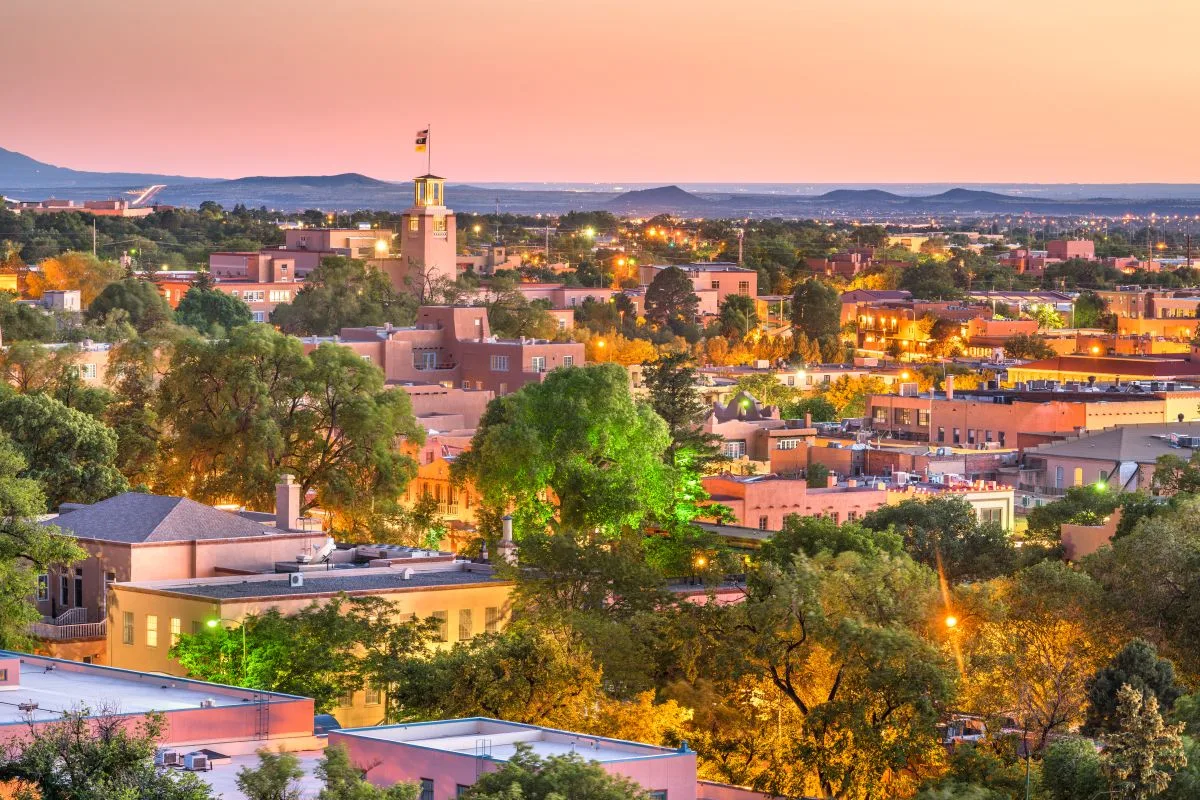
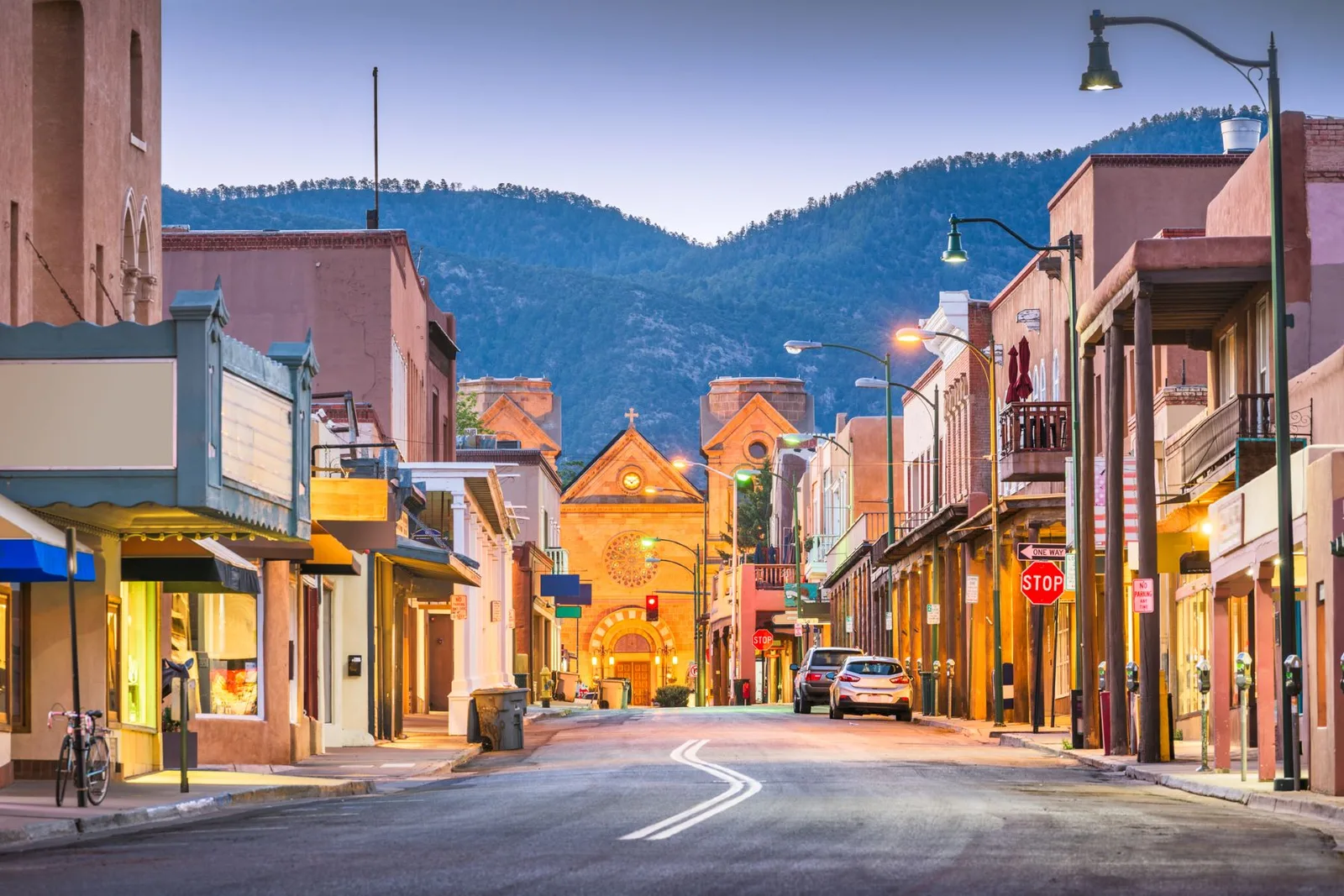
Damage Restoration in Santa Fe County, NM
- Damage Restoration Services Overview
- Common Damage Restoration Issues in Santa Fe County, New Mexico
- Neighborhoods We Serve in Santa Fe County
- Seasonal Damage Patterns in Santa Fe County
- Housing Characteristics & Restoration Considerations
- Environmental Conditions & Damage Implications
- 24/7 Emergency Response Across Santa Fe County
Damage Restoration Services Overview
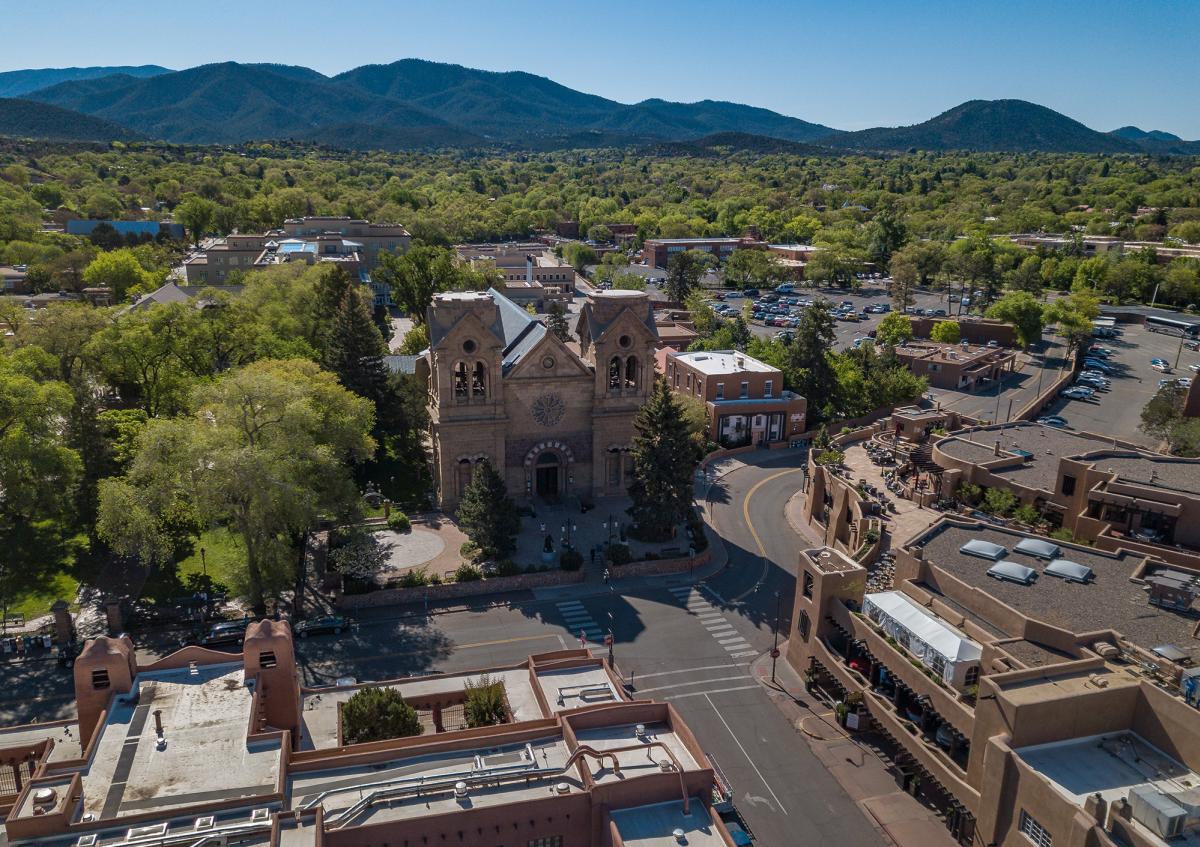
You come home to your adobe-style house off Old Pecos Trail after a monsoon downpour, and the hallway carpet squishes underfoot. Water has crept in from a roof canale that overflowed, and it is already wicking up the drywall. Every hour that passes widens the damage and raises the chance of mold.
Santa Fe County property owners face a mix of hazards that rarely come one at a time. A single storm, a frozen pipe, or a kitchen fire can trigger several restoration needs at once, which is why a full-service team matters.
- Water Damage Restoration - extraction, structural drying, moisture mapping, and repair after burst pipes, appliance failures, and roof leaks.
- Flooded Basement - pump-out, sub-slab moisture control, and drying of below-grade rooms, crawlspaces, and garden-level living areas.
- Sewage Cleanup - removal of contaminated material, disinfection, and safe disposal after septic backups or main line failures.
- Fire Damage Restoration - stabilization, debris removal, content cleaning, and rebuilding of charred framing and finishes.
- Smoke Damage Restoration - soot removal from vigas, plaster, and HVAC systems plus odor neutralization after wildfire or structure fires.
- Mold Removal - containment, controlled removal, and correction of the moisture source that fed the growth.
Locally owned crews respond around the clock, work directly with insurance documentation, and rebuild from cleanup through final finishes.
Common Damage Restoration Issues in Santa Fe County, New Mexico
High desert elevation, monsoon rains, and older construction create a distinctive damage profile here. Problems often hide behind thick plaster walls long before anyone notices a stain.
What Causes Damage Locally
- Flat roofs and clogged canales - pooling water and blocked drains push moisture into parapets and ceilings.
- Freeze-thaw pipe bursts - cold nights at 7,000 feet split supply lines in unheated garages, crawlspaces, and exterior walls.
- Monsoon runoff - July through September storms send sheet flow toward foundations and window wells.
- Arroyo and slope drainage - properties near arroyos in Eldorado and along the foothills catch fast-moving stormwater.
- Septic systems and old sewer laterals - rural county homes rely on septic tanks that back up when saturated or overloaded.
- Wildfire smoke intrusion - regional fires push fine soot and odor into homes through vents and gaps.
- Kiva fireplaces and wood stoves - creosote buildup and chimney faults cause smoke damage and structure fires.
Warning Signs Worth Acting On
- Bubbling or chalky plaster, especially near ceiling corners and window headers
- Musty odor in closets, laundry rooms, or below-grade spaces
- Efflorescence or white powder on block and stem walls
- Slow drains, gurgling toilets, or damp ground over a septic field
- Soot film returning on surfaces after cleaning, which signals residue in ductwork
- Warped baseboards, lifting tile grout, or darkened viga ends
Neighborhoods We Serve in Santa Fe County
Crews cover the city and the wider county, including remote roads where response time makes the difference.
- Santa Fe city areas: Downtown and the Historic Eastside, Casa Solana, South Capitol, Museum Hill, Las Campanas, Rancho Viejo, Tierra Contenta, Airport Road corridor, and Zia Vista
- South county: Eldorado at Santa Fe, La Cienega, Lamy, Galisteo, and Cerrillos
- North county: Tesuque, Chupadero, Nambe, Pojoaque, Cundiyo, and Chimayo
- West and outlying: Madrid, Stanley, Glorieta, Canoncito, and Edgewood-adjacent communities
Historic districts require careful handling of lime plaster, latillas, and hand-troweled finishes. Rural properties often need septic-aware sewage cleanup and generator-supported drying where power is unreliable. Whether the call comes from a downtown casita or a home miles down a dirt road toward Galisteo, the same stabilization steps apply.
Seasonal Damage Patterns in Santa Fe County
Winter (December - February)
- Frozen and burst pipes in exterior walls and vacant second homes
- Ice damming on low-slope roofs and blocked canales
- Heating-related fires and heavy fireplace use driving smoke damage
Spring (March - May)
- Snowmelt seeping into basements, crawlspaces, and stem walls
- Hidden mold discovered as temperatures rise and dormant growth activates
- Early wildfire season smoke intrusion from regional fires
Summer Monsoon (June - September)
- Peak flooded basement and roof leak calls after intense afternoon cells
- Sewage backups when saturated soils overwhelm septic leach fields
- Lightning-related structure fires in outlying areas
Fall (October - November)
- Chimney and flue fires as heating season starts
- Slow leaks from irrigation blowouts and swamp cooler shutdowns
- Mold found during pre-winter inspections and seasonal home openings
Housing Characteristics & Restoration Considerations
Santa Fe County housing spans centuries. Adobe compounds from the 1800s sit near 1970s frame homes and newer stucco-over-foam subdivisions, and each responds differently to water, fire, and smoke.
Common Construction Types
- Traditional adobe and mud plaster - absorbs moisture readily and must dry slowly to prevent cracking or slumping.
- Pumice-crete and block stem walls - porous materials that hold water at the base of walls.
- Vigas, latillas, and exposed beams - wood elements that soak up smoke odor and stain quickly.
- Flat and low-slope roofs - built-up or single-ply membranes drained by canales that clog with gravel and debris.
- Stucco with EIFS or synthetic finishes - traps moisture behind the surface when flashing fails.
- Radiant floor heat in concrete slabs - leaks show up as warm spots and require careful thermal detection.
How This Shapes the Work
- Moisture readings are taken on plaster, framing, and subfloor separately since drying rates differ widely.
- Drying equipment is balanced to avoid over-drying historic plaster and causing surface failure.
- Full basements are less common than crawlspaces and garden levels, so extraction plans focus on low points and sub-slab voids.
- Soot cleaning on porous adobe and wood uses dry methods first, then targeted wet cleaning.
- Mold containment accounts for open floor plans and shared beam cavities that let spores travel.
- Rebuild work matches original textures, coved corners, and hand-finished details.
Environmental Conditions & Damage Implications
The high desert climate cuts both ways. Dry air speeds drying, but sudden saturation and hard water create their own restoration challenges.
Climate and Air
- Elevation near 7,000 feet with wide daily temperature swings that stress plumbing and building envelopes
- Low average humidity that helps structural drying but hides pockets of trapped moisture inside walls
- Intense UV exposure that degrades roof membranes, sealants, and flashing
- Seasonal wildfire smoke and dust that load HVAC filters and settle soot on interior surfaces
Water and Soil
- Hard, mineral-heavy water that corrodes fixtures and shortens supply line life
- Well and septic systems across much of the county, increasing sewage backup risk during heavy rain
- Clay and caliche layers that shed water toward foundations rather than absorbing it
- Sandy arroyo soils that erode quickly and undercut footings during flash floods
Restoration Impact
- Mold growth concentrates in enclosed, unventilated areas such as crawlspaces, under-sink cabinets, and behind tile - not across open rooms
- Smoke odor lingers in porous adobe, wool carpet, and wood ceilings and requires odor treatment beyond surface cleaning
- Contaminated floodwater from arroyo runoff is treated as a health hazard with full disinfection
- Grading, canale extensions, and drainage corrections are recommended so the same failure does not repeat
24/7 Emergency Response Across Santa Fe County
A monsoon cell can drop an inch of rain in under an hour. Damage does not wait for business hours, and neither should the response.
What Happens After You Call
- Immediate phone triage - guidance on shutting off water, power, or gas and staying clear of contaminated areas.
- Dispatch - a crew heads out with extraction units, air movers, dehumidifiers, and thermal imaging tools.
- Site safety check - assessment of electrical hazards, structural stability, and contamination category before entry.
- Stabilization - water removal, board-up, roof tarping, and containment of affected zones.
- Documentation - moisture maps, photos, and readings recorded for the insurance claim.
- Drying and cleanup - daily monitoring with adjustments until materials reach target readings.
- Restoration and rebuild - plaster, flooring, cabinetry, paint, and finish work that matches the original.
Why Local Response Matters Here
- Distances are long - crews familiar with routes to Lamy, Stanley, and Chimayo reach sites faster than out-of-area providers.
- Historic district work requires knowledge of local review requirements and traditional materials.
- Septic-served properties need a different sewage cleanup approach than city-sewer homes.
- Second homes and seasonal rentals in Las Campanas and Eldorado benefit from crews who can act while owners are away.
Steps You Can Take Before Crews Arrive
- Shut off the water supply at the main valve if the source is plumbing
- Keep people and pets away from sewage, soot, and standing water near outlets
- Move small valuables and documents to a dry room
- Photograph the damage from several angles for your claim
- Leave saturated drywall, insulation, and carpet in place until it is documented
From first cleanup through final finishes, the goal is a property returned to a safe, dry, and finished condition - and a household that can settle back in.