Damage Restoration in Eddy County, NM
- Damage Restoration Services Overview
- Common Damage Restoration Issues in Eddy County, New Mexico
- Neighborhoods We Serve in Eddy County
- Seasonal Damage Patterns in Eddy County
- Housing Characteristics & Restoration Considerations
- Environmental Conditions & Damage Implications
- Emergency Response and the Insurance Process in Eddy County
Damage Restoration Services Overview
You come home to your Carlsbad house after a weekend away and hear water running where no water should be. A supply line under the kitchen sink let go, and the floor has been soaking for two days. That single moment turns into wet subfloor, swollen cabinet bases, and the first hints of a musty smell.
Property damage in Eddy County rarely arrives politely. Monsoon runoff, aging plumbing, kitchen fires, and hard-water appliance failures all create emergencies that get worse by the hour.
Restoration work here covers a connected set of services:
- Water Damage Restoration - extraction, structural drying, dehumidification, and repair of walls, flooring, and ceilings
- Flooded Basement - pump-out, silt removal, and drying of below-grade rooms, cellars, and sunken utility spaces
- Sewage Cleanup - containment, removal of contaminated materials, and antimicrobial treatment after backups
- Fire Damage Restoration - structural assessment, debris removal, and rebuild of framing, drywall, and finishes
- Smoke Damage Restoration - soot removal, odor neutralization, and cleaning of contents affected by smoke migration
- Mold Removal - containment, safe removal of colonized materials, and correction of the moisture source
Benefits for Eddy County residents are practical: faster drying means fewer materials thrown away, documented moisture readings support insurance claims, and one team carrying the job from emergency call to final walkthrough means nothing falls through the cracks.
Common Damage Restoration Issues in Eddy County, New Mexico
Southeastern New Mexico looks dry on paper, but the damage patterns here are driven by extremes - sudden heavy rain on hard-packed soil, wide temperature swings, and mineral-heavy water that grinds down plumbing.
What Causes Damage Locally
- Monsoon downpours that overwhelm arroyos, ditches, and drainage around Carlsbad and Artesia properties
- Hard water scale that shortens the life of water heaters, dishwashers, and washing machine hoses
- Winter freeze events cracking exposed pipes in crawl spaces, garages, and unheated additions
- Sewer line backups from root intrusion, grease buildup, and older clay laterals in established neighborhoods
- Dry-season fire risk from brush, wiring in older structures, cooking accidents, and heating equipment
- Slow leaks behind tile, under slabs, and in swamp cooler lines that run across roofs and through ceilings
Warning Signs Worth Acting On
- Discolored rings or soft spots on ceilings below evaporative cooler locations
- Baseboards separating from the wall or flooring that cups and lifts
- A persistent earthy odor in closets, laundry rooms, or below-grade storage
- Gurgling drains or a floor drain that backs up when the washer empties
- Yellow-brown staining above door frames after a fire, showing smoke migration paths
- Soot film on windows, light fixtures, and HVAC registers in rooms far from the burn area
Left alone, a small leak becomes mold colonization in a matter of days. Sewage exposure and smoke residue both carry health risks that make delay costly.
Neighborhoods We Serve in Eddy County
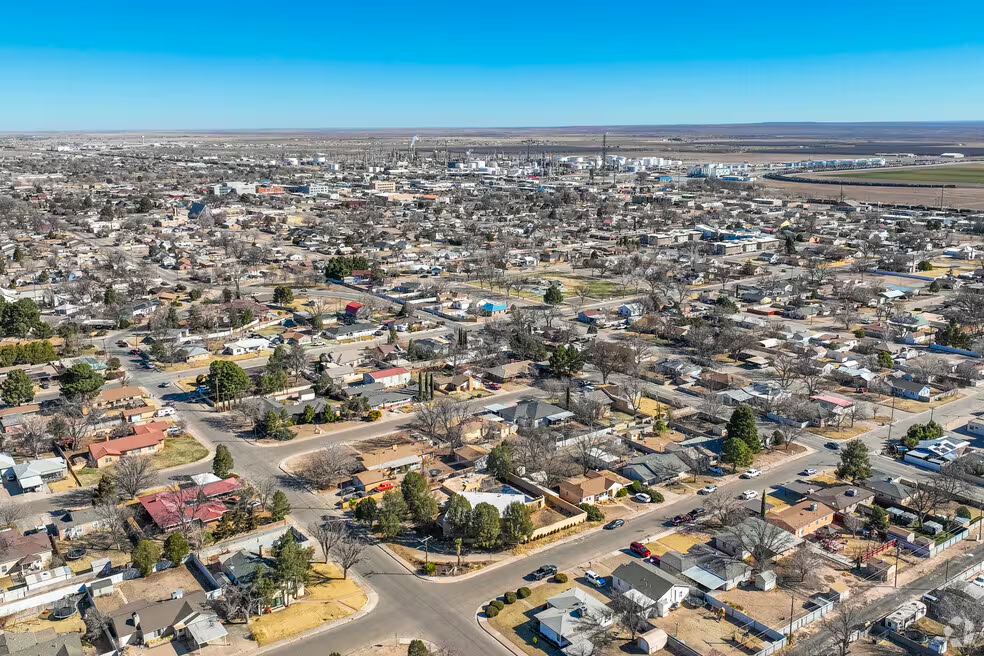
Coverage spans the full county and the communities that surround it, from river-adjacent city blocks to rural properties on well and septic systems.
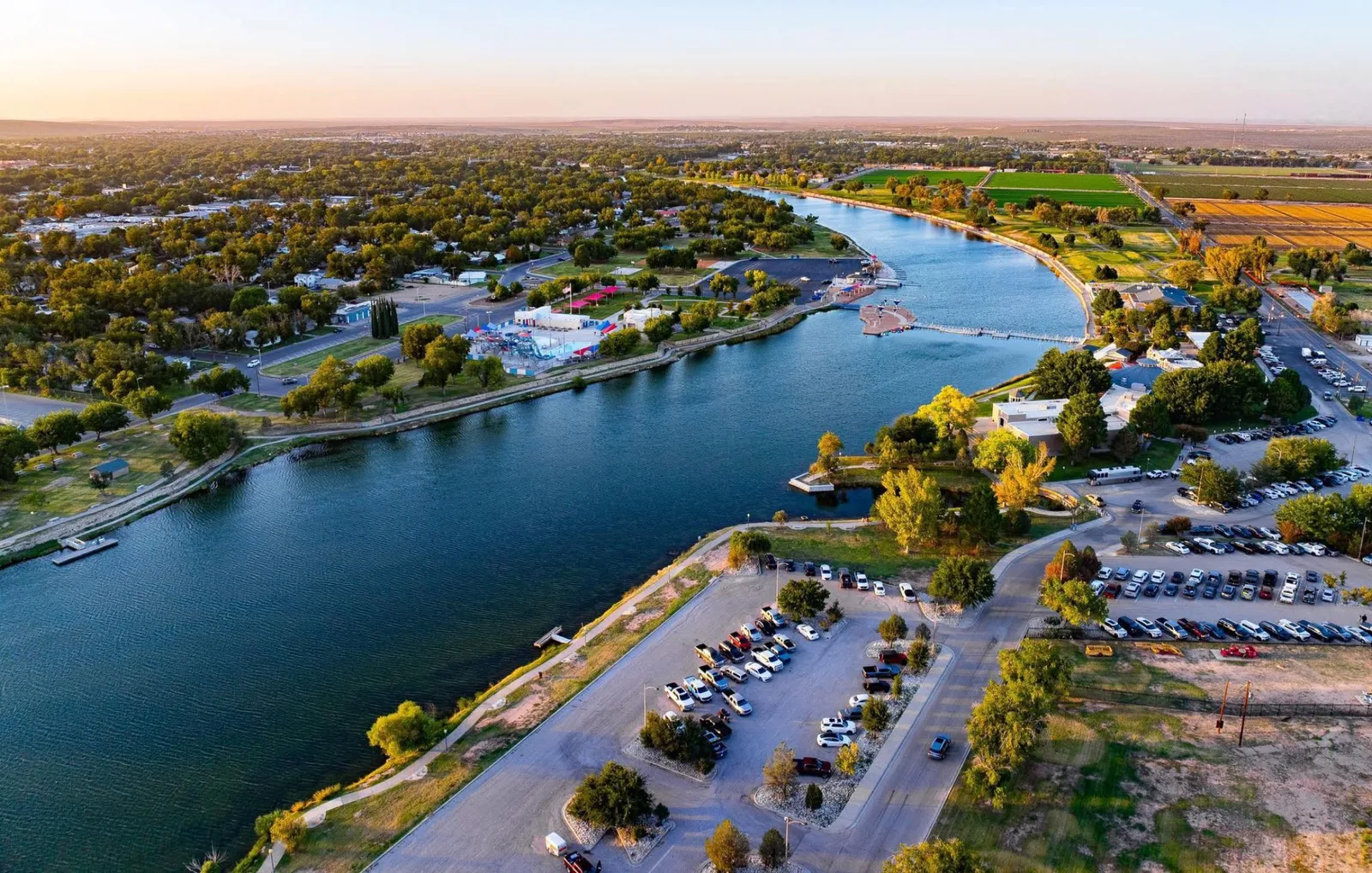
- Carlsbad - downtown, the Pecos River corridor, Riverside, La Huerta, and newer subdivisions on the north side
- Artesia - central residential blocks, neighborhoods near the refinery corridor, and outlying acreage
- Loving and Malaga - older housing stock and agricultural properties along the lower Pecos
- Hope, Lakewood, and Otis - rural homes, manufactured housing, and outbuildings
- White's City and properties near Carlsbad Caverns National Park
- Oilfield housing, RV parks, and worker camps scattered across the Permian Basin side of the county
Surrounding regions including Lea County, Chaves County, and West Texas communities fall within the same service footprint, so remote properties are not left waiting.
Seasonal Damage Patterns in Eddy County
Each part of the year brings a different set of emergency calls.
- January - February: Freeze-thaw pipe bursts lead the list. Unheated garages, exterior hose bibs, and crawl space lines fail overnight, producing sudden water damage and flooded lower levels. Heating equipment and space heaters drive fire and smoke calls.
- March - May: Wind and blowing dust season. Roof damage lets moisture in, and dust loading on HVAC systems spreads smoke and soot residue faster when a fire does occur. Swamp cooler startup exposes cracked lines and clogged pans.
- June - August: Monsoon rain arrives hard and fast. Flash flooding through arroyos and street runoff produces flooded basements, sewage backups when municipal lines surge, and rapid mold growth in humid, closed-up rooms.
- September - October: Lingering moisture from late storms feeds hidden mold behind drywall and under flooring. Cooler mornings condense moisture in poorly ventilated spaces.
- November - December: Kitchen fires during holiday cooking, fireplace and chimney incidents, and the first hard freezes that catch unwinterized plumbing.
Housing Characteristics & Restoration Considerations
Eddy County housing spans nearly a century of building practice, and each era responds differently to water, fire, and mold.
Common Construction Types
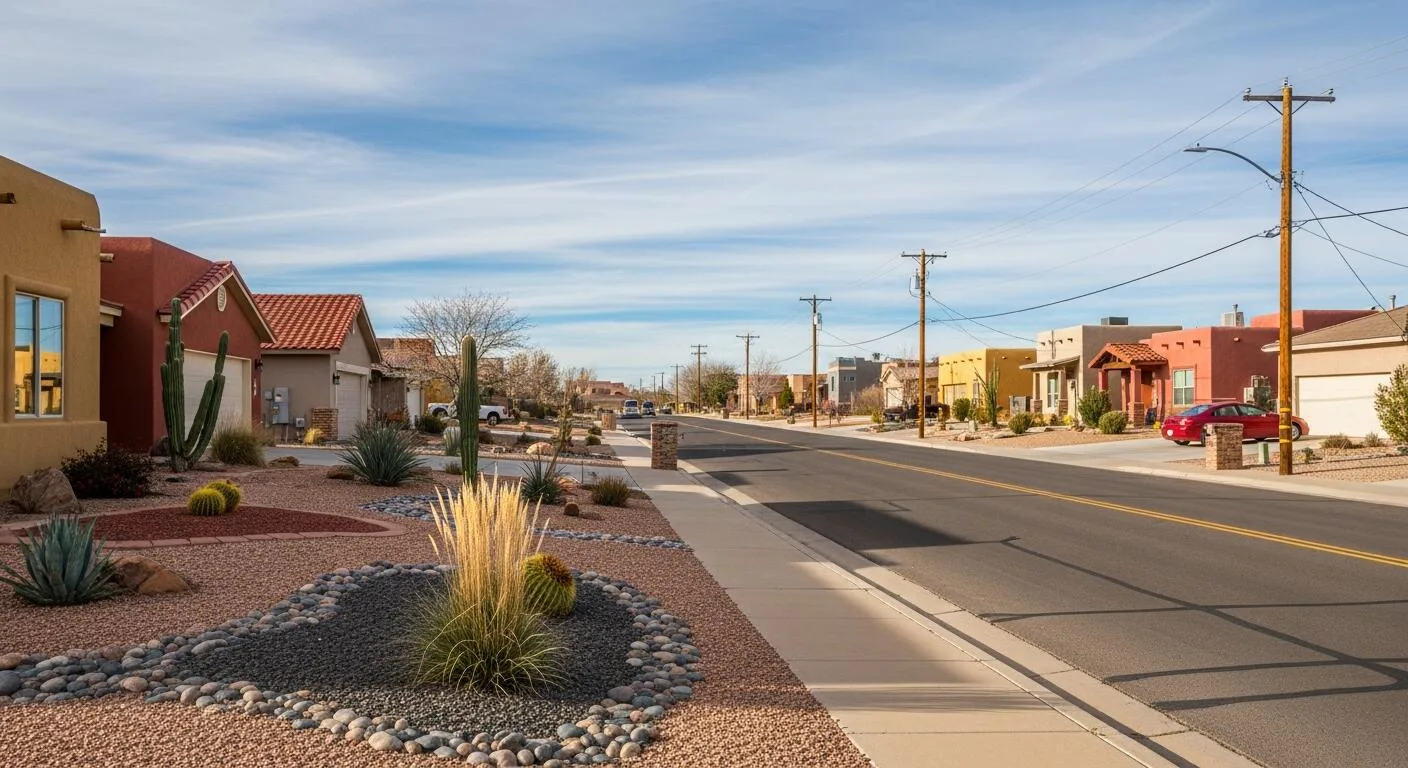
- Mid-century stucco and frame homes - many built during oil boom periods, with lath and plaster or early drywall that absorbs water quickly
- Adobe and masonry structures - older Carlsbad and Artesia properties where moisture wicks through porous walls and dries slowly
- Slab-on-grade construction - dominant in newer builds, meaning full basements are rare and below-grade damage concentrates in cellars, storm shelters, and sunken utility rooms
- Manufactured and modular housing - common in rural areas, with belly wrap that traps water and particleboard subfloors that fail fast
- Metal outbuildings and shops - condensation-prone and often storing valuables that need content cleaning after smoke exposure
How That Shapes Restoration
- Plaster walls need careful cavity drying rather than blanket demolition
- Blown-in and batt insulation holds moisture and usually requires removal after saturation
- Slab homes hide leaks under flooring, so thermal imaging and moisture mapping come before any tear-out
- Older wiring and single-pane windows influence how smoke travels and where soot settles
- Structural assessment reviews framing, drywall, insulation, flooring systems, and visible heat damage alongside smoke migration patterns
- Homes on septic systems need the tank and drain field checked before sewage cleanup is called finished
The plan for each property balances safety, performance, and cost effectiveness rather than defaulting to the most aggressive option.
Environmental Conditions & Damage Implications
The Chihuahuan Desert climate here shapes how damage behaves once it starts.
Climate and Air
- Hot summers with monsoon humidity spikes create the exact conditions mold needs inside wet wall cavities
- Low average humidity helps surface drying but masks trapped moisture in insulation and subfloor layers
- Blowing dust and oilfield activity load indoor air, complicating post-fire air scrubbing and filtration
- Wide day-to-night temperature swings drive condensation in attics and metal buildings
Water and Soil
- Hard, mineral-rich water accelerates pipe corrosion and appliance failure, a leading cause of interior flooding
- Gypsum and caliche soils shed water rather than absorb it, sending runoff toward foundations during storms
- Karst geology near the Caverns region means groundwater moves in unpredictable ways beneath some properties
- Expansive and shifting soils stress foundations and sewer laterals, contributing to cracks and backups
What That Means for Restoration Work
- Drying plans account for arid outdoor air that can be used to advantage with proper equipment placement
- Mold removal focuses on the moisture source, since surface treatment alone fails when a slab leak continues
- Sewage cleanup includes disinfection appropriate to porous desert-region building materials
- Smoke odor bonded to dust-coated surfaces requires cleaning before any sealing or repainting
Emergency Response and the Insurance Process in Eddy County
Distance matters in this county. A property outside Loving or past Hope may sit well away from the nearest crew staging point, and every hour of standing water pushes a job further from cleanup toward reconstruction.
What Rapid Response Prevents
- Water wicking up drywall and into insulation, expanding the tear-out footprint
- Mold colonization, which can begin within roughly a day or two of continuous moisture
- Sewage bacteria spreading into HVAC ducts and adjacent rooms
- Acidic soot etching metal fixtures, glass, and appliance finishes after a fire
- Smoke odor permanently bonding to porous contents and textiles
Steps to Take Before Help Arrives
- Shut off the water at the main valve or kill power to the affected area if it is safe to reach the panel
- Leave the property entirely after a fire until it has been cleared as safe to enter
- Keep everyone away from sewage-contaminated areas, especially children and pets
- Photograph damage from multiple angles before moving anything
- Move undamaged furniture and belongings out of the wet zone if you can do so safely
- Avoid running the HVAC system, which spreads soot, spores, and odor through the whole house
Working With Your Insurer
- Documented moisture readings, thermal images, and daily drying logs support the claim file
- Detailed scopes of work describe what was removed, why, and what the rebuild requires
- Direct communication with adjusters keeps approvals moving while drying equipment is still running
- Content inventories help account for items cleaned, stored, or declared non-salvageable
Having one team handle mitigation, cleanup, and reconstruction removes the gap where projects usually stall - the handoff between the crew that dried your home and the crew that has to rebuild it.