Damage Restoration in Bernalillo, NM
- Damage Restoration Services Overview
- Common Damage Restoration Issues in Bernalillo, New Mexico
- Neighborhoods We Serve in Bernalillo
- Seasonal Damage Patterns in Bernalillo
- Housing Characteristics & Restoration Considerations
- Environmental Conditions & Damage Implications
- Acequia System Impacts on Property Damage
Damage Restoration Services Overview
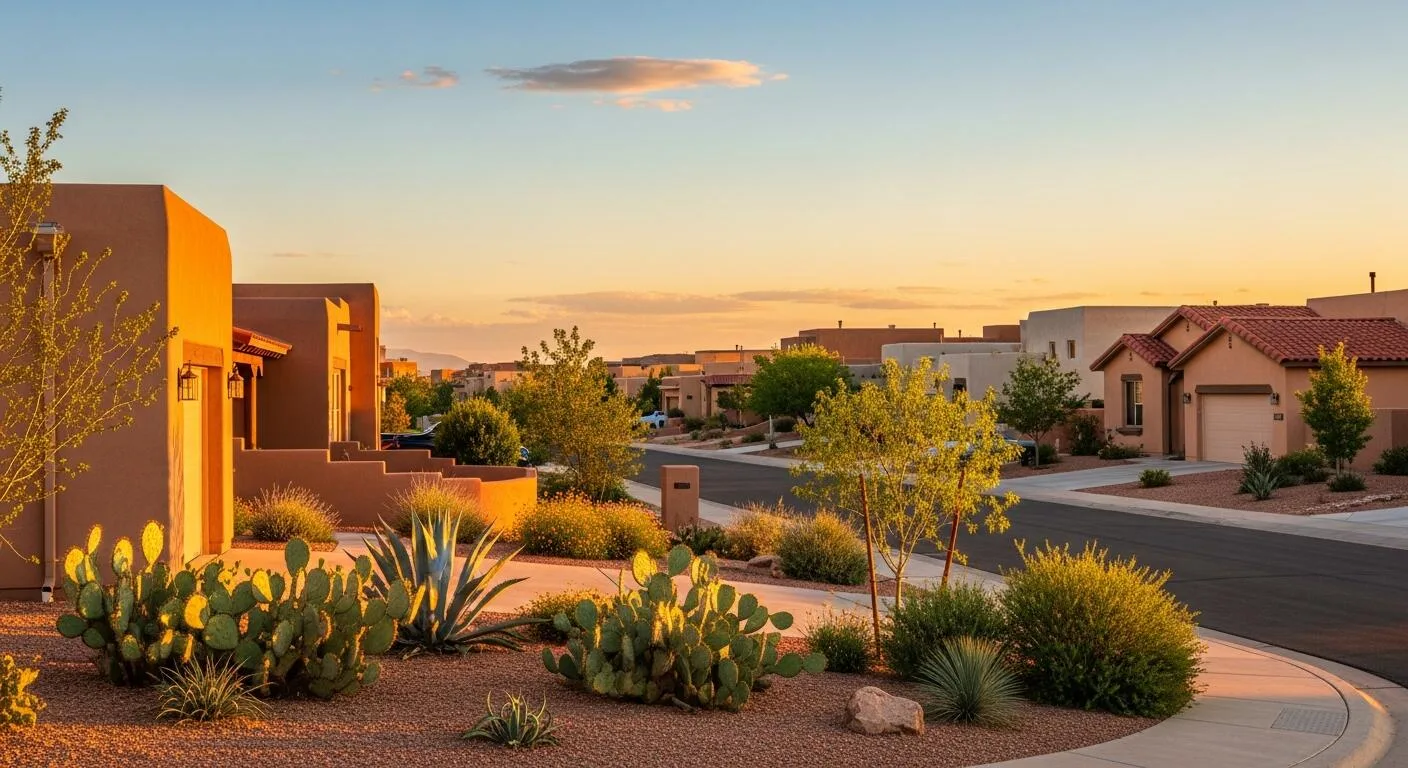
When disaster strikes your Bernalillo property, do you know who to call for comprehensive restoration services? Property damage from water, fire, smoke, mold, or sewage can escalate rapidly without professional intervention, making swift response critical to minimizing long-term impacts.
Our damage restoration services in Bernalillo encompass the full spectrum of emergency cleanup and repair needs:
- Water Damage Restoration - Extracting standing water, drying affected areas, and preventing secondary damage
- Flooded Basement - Specialized basement water removal and moisture control solutions
- Sewage Cleanup - Safe removal and sanitization of contaminated water and materials
- Fire Damage Restoration - Structural repairs, content cleaning, and smoke odor elimination
- Smoke Damage Restoration - Deep cleaning of soot residue and air purification systems
- Mold Removal - Complete remediation including source elimination and prevention strategies
Bernalillo residents benefit from 24/7 emergency response services that address both immediate safety concerns and long-term restoration needs. Our technicians understand local building materials, from traditional adobe construction to modern frame homes, ensuring appropriate restoration techniques for each property type.
Common Damage Restoration Issues in Bernalillo, New Mexico
Bernalillo's unique geographic location and climate patterns create specific challenges for property owners. The Rio Grande valley setting combined with high desert conditions produces distinct damage scenarios throughout the year.
Water-related damage frequently occurs from:
- Monsoon season flooding that overwhelms drainage systems and causes basement flooding
- Burst pipes during winter freeze-thaw cycles affecting older plumbing systems
- Roof leaks from hail damage, particularly along the US 550 corridor where asphalt shingles show impact bruises and granule loss
- Irrigation system failures in agricultural areas surrounding residential zones
Fire and smoke damage patterns include:
- Wildfire threats from nearby forest areas during dry seasons
- Chimney fires in homes with wood-burning fireplaces, common in older adobe structures
- Kitchen fires that spread rapidly through traditional vigas and latillas ceiling construction
Mold growth accelerates due to:
- Poor ventilation in thick-walled adobe homes that trap moisture
- Evaporative cooler leaks creating persistent humidity in wall cavities
- Sewage backups from aging municipal systems during heavy rainfall events
Early warning signs include musty odors, visible water stains, peeling paint, and unusual humidity levels that indicate immediate professional assessment needs.
Neighborhoods We Serve in Bernalillo
Our restoration services cover all residential and commercial areas throughout Bernalillo and surrounding communities. We respond to emergency calls across diverse neighborhood types, each with unique restoration considerations.
Primary service areas include:
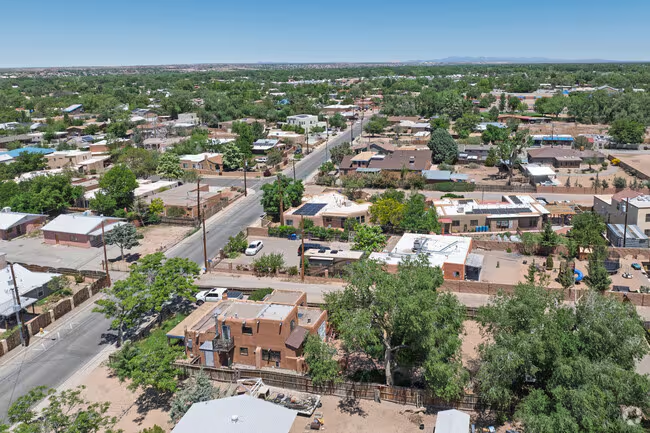
- Historic Downtown Bernalillo with traditional adobe construction requiring specialized techniques
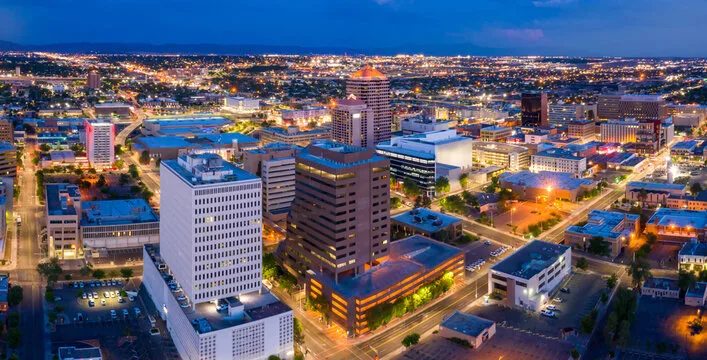
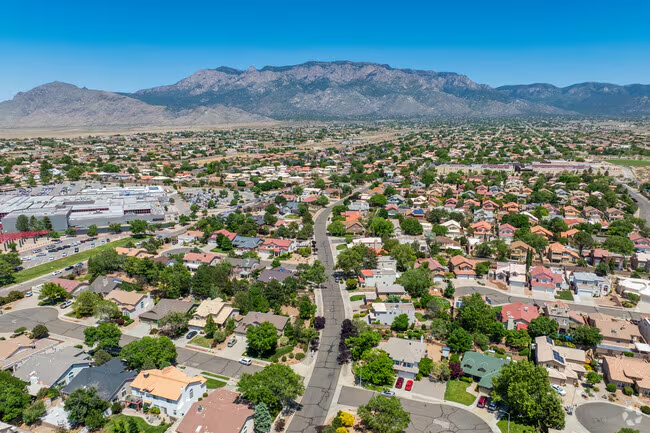
- US 550 corridor neighborhoods featuring modern suburban developments
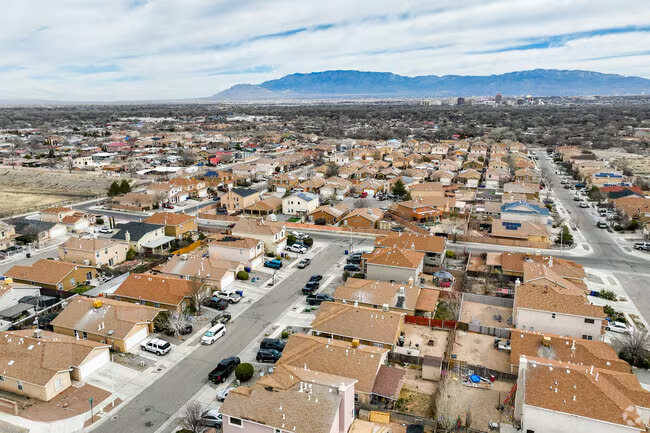
- Rio Rancho border communities with mixed architectural styles
- Rural residential areas along Camino del Pueblo and surrounding acequias
- Commercial districts near the Bernalillo Rail Runner station
- Agricultural transition zones where residential properties interface with farming operations
Each neighborhood presents distinct challenges, from historic preservation requirements in downtown areas to modern construction materials in newer subdivisions. Our technicians adapt restoration approaches based on local building codes, architectural styles, and community-specific environmental factors.
Seasonal Damage Patterns in Bernalillo
Understanding Bernalillo's seasonal damage patterns helps property owners prepare for peak risk periods and recognize when immediate restoration services become necessary.
Spring (March-May):
- Snowmelt and spring runoff create basement flooding risks
- Wind damage to roofing materials increases fire vulnerability
- Mold growth accelerates as temperatures rise and moisture persists
Summer (June-August):
- Monsoon season brings flash flooding and water damage emergencies
- Lightning strikes increase fire damage incidents
- High humidity from summer storms promotes rapid mold development
Fall (September-November):
- Wildfire season peaks, creating smoke damage throughout the valley
- Hail storms damage roofing systems, leading to water intrusion
- Heating system startups can trigger chimney and ductwork fires
Winter (December-February):
- Frozen pipes burst, causing extensive water damage
- Ice dams create roof leaks and basement flooding
- Increased fireplace use elevates fire and smoke damage risks
Housing Characteristics & Restoration Considerations
Bernalillo's housing stock reflects centuries of architectural evolution, from historic adobe structures to contemporary construction. This diversity requires specialized restoration approaches tailored to each building type and era.
Historic Adobe Construction (Pre-1950s):
- Thick walls retain moisture, complicating water damage restoration
- Traditional vigas and latillas require careful fire damage assessment
- Limited electrical systems increase fire risks and restoration complexity
- Mold removal must preserve historic materials and finishes
Mid-Century Ranch Homes (1950s-1980s):
- Concrete slab foundations prone to sewage backup issues
- Single-story layouts facilitate rapid smoke damage spread
- Aging plumbing systems increase water damage frequency
- Evaporative cooler installations create unique mold growth patterns
Contemporary Construction (1990s-Present):
- Modern materials respond well to standard restoration techniques
- Improved insulation can trap moisture and accelerate mold growth
- Complex HVAC systems require specialized smoke damage cleaning
- Basement construction increases flooded basement restoration needs
Each housing type demands specific expertise in material handling, structural assessment, and restoration methodology to achieve optimal results while preserving property value and historical integrity.
Environmental Conditions & Damage Implications
Bernalillo's high desert environment creates unique challenges for damage restoration services. The combination of extreme temperature variations, low humidity, and seasonal weather patterns directly impacts how different types of damage develop and spread.
Climate Factors Affecting Restoration:
- Elevation at 5,300 feet creates rapid temperature swings that stress building materials
- Average annual precipitation of 9 inches concentrates water damage into intense seasonal events
- Low humidity levels (typically 30-40%) can cause rapid material shrinkage after water damage
- High UV exposure degrades roofing materials, increasing fire vulnerability
Soil Conditions and Drainage:
- Clay-rich soil near the Rio Grande retains water, contributing to basement flooding
- Caliche layers prevent proper drainage, creating standing water issues
- Expansive soils shift foundations, creating entry points for water and sewage
- Poor soil permeability increases surface runoff during storms
Air Quality Considerations:
- Dust storms carry particles that complicate smoke damage cleaning
- Wildfire smoke from surrounding forests affects indoor air quality
- High pollen counts during spring increase mold spore concentrations
- Construction dust from ongoing development impacts restoration air filtration needs
These environmental factors require specialized equipment and techniques for effective restoration, particularly for mold removal and smoke damage restoration in Bernalillo's challenging climate conditions.
Acequia System Impacts on Property Damage
Bernalillo's historic acequia irrigation system significantly influences modern property damage patterns and restoration challenges. These centuries-old water channels, still active throughout the community, create unique flooding risks and water damage scenarios that traditional restoration approaches may not address adequately.
Acequia-Related Damage Patterns:
- Seasonal flooding when acequias overflow during peak irrigation periods
- Basement flooding in properties built near historic water channels
- Foundation undermining where acequia water seepage creates soil instability
- Sewage system overwhelm when storm runoff combines with irrigation overflow
Restoration Challenges from Acequia Proximity:
- High water table areas require specialized basement drying techniques
- Persistent moisture creates accelerated mold growth in wall cavities
- Traditional adobe structures absorb acequia moisture, complicating water damage assessment
- Property access limitations during active irrigation seasons affect emergency response timing
Seasonal Maintenance Considerations:
- Spring acequia cleaning can temporarily redirect water flow toward properties
- Summer irrigation peaks increase basement flooding risks in low-lying areas
- Fall acequia closure sometimes creates drainage backup issues
- Winter freeze events can burst acequia gates, causing unexpected flooding
Successful restoration in acequia-adjacent properties requires understanding traditional water rights, seasonal flow patterns, and coordination with acequia associations. Our restoration teams work closely with property owners to develop long-term moisture control strategies that respect both historic irrigation practices and modern building protection needs.