
Damage Restoration in Albuquerque, NM
- Damage Restoration Services Overview
- Common Damage Restoration Issues in Albuquerque, New Mexico
- Neighborhoods We Serve in Albuquerque
- Seasonal Damage Patterns in Albuquerque
- Housing Characteristics & Restoration Considerations
- Environmental Conditions & Damage Implications
- Rio Grande Valley Flood Zone Management and Restoration
Damage Restoration Services Overview
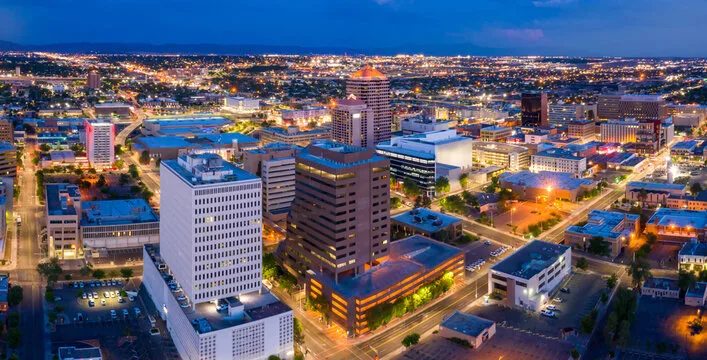
When disaster strikes your Albuquerque property, every minute counts. Water damage can spread rapidly through walls and flooring, smoke can penetrate deep into materials, and mold can begin developing within 24-48 hours of moisture exposure. Quick action prevents minor incidents from becoming major catastrophes that threaten your property's structural integrity and your family's health.
Professional restoration teams in Albuquerque provide specialized services to address multiple types of property damage:
- Water damage restoration - removes standing water and moisture from burst pipes, roof leaks, or appliance failures
- Flooded basement cleanup - extracts water and prevents foundation damage in below-grade spaces
- Sewage cleanup - safely removes contaminated water and sanitizes affected areas
- Fire damage restoration - repairs structural damage and removes debris from flames
- Smoke damage restoration - eliminates odors and soot from all surfaces
- Mold removal - identifies and eliminates fungal growth throughout your property
Certified restoration professionals use advanced moisture detection equipment, industrial-grade dehumidifiers, and specialized cleaning agents to restore your property to pre-damage conditions. Their expertise helps prevent secondary damage while protecting your investment and ensuring your family's safety.
Common Damage Restoration Issues in Albuquerque, New Mexico
Albuquerque's high desert climate and unique geographic location create specific challenges for property owners. The city's elevation of 5,312 feet, combined with dramatic temperature swings, puts stress on building materials and plumbing systems throughout the year.
Water-Related Damage Patterns
- Burst pipes from rapid temperature changes during winter months
- Flash flood damage in low-lying areas and arroyos during monsoon season
- Basement flooding from poor drainage around foundations built in caliche soil
- Sewage backups during heavy rainfall when city systems become overwhelmed
- Mold growth in poorly ventilated areas where moisture accumulates
Fire and Smoke Damage Factors
- Wildfire smoke infiltration during regional fire seasons
- Structure fires spreading rapidly in dry conditions with low humidity
- Electrical fires from aging wiring in older neighborhoods
- Kitchen fires from cooking accidents in high-altitude cooking conditions
Warning Signs to Watch For
- Musty odors indicating hidden moisture or mold growth
- Water stains on ceilings or walls from roof leaks
- Persistent smoke smells after fires or regional wildfire events
- Bubbling paint or warped flooring suggesting water infiltration
- Increased allergy symptoms potentially caused by mold spores
Neighborhoods We Serve in Albuquerque
Professional damage restoration services cover all areas of Albuquerque and surrounding communities. Teams respond quickly to both residential and commercial properties throughout the metro area.
Primary Service Areas
- Central Albuquerque - Old Town, Downtown, Near Heights, Nob Hill
- Northeast Heights - Four Hills, Glenwood Hills, Academy Acres
- Northwest Albuquerque - Paradise Hills, Taylor Ranch, Ventana Ranch
- Westside - Rio Rancho, Corrales, Bernalillo
- East Mountains - Tijeras, Cedar Crest, Sandia Park
- South Valley - Barelas, Atrisco, Pajarito
Restoration teams also serve surrounding areas including Los Alamos, Santa Fe, Edgewood, and Moriarty. Emergency response vehicles are strategically positioned to reach any location within the greater Albuquerque metropolitan area quickly during urgent situations.
Seasonal Damage Patterns in Albuquerque
Understanding seasonal damage patterns helps property owners prepare for the most common restoration needs throughout the year in Albuquerque's high desert climate.
Winter Challenges (December - February)
- Frozen pipe bursts requiring immediate water damage restoration
- Ice dam formation causing roof leaks and ceiling damage
- Heating system malfunctions leading to fire or smoke damage
- Poor ventilation during closed-house months promoting mold growth
Spring Conditions (March - May)
- Snowmelt flooding in mountain communities and foothills
- Wind damage exposing roofs to water infiltration
- Wildfire season beginning with increased smoke damage risks
- Seasonal allergies masking early mold exposure symptoms
Summer Monsoons (June - September)
- Flash flooding requiring extensive water extraction services
- Basement flooding from overwhelmed drainage systems
- Lightning-caused fires needing comprehensive fire damage restoration
- High humidity promoting rapid mold development
Fall Transitions (October - November)
- Heating system startups revealing maintenance issues
- Roof inspections uncovering summer storm damage
- Preparation for winter freeze-thaw cycles
Housing Characteristics & Restoration Considerations
Albuquerque's diverse housing stock presents unique restoration challenges based on construction materials, building age, and architectural styles common throughout the region.
Construction Types and Restoration Needs
- Adobe and stucco homes - require specialized moisture extraction techniques to prevent structural damage
- Mid-century ranch homes - often need updated ventilation systems during mold remediation
- Newer construction - typically features better moisture barriers but may have complex HVAC systems requiring specialized smoke damage cleaning
- Historic properties - demand careful restoration methods to preserve original materials and architectural integrity
Age-Related Restoration Factors
- Homes built before 1970 may contain asbestos requiring specialized handling during fire damage restoration
- Properties from the 1980s-1990s often have polybutylene plumbing prone to failure and water damage
- Older electrical systems increase fire risks and may need updates during restoration projects
- Foundation settling in clay soils can create cracks allowing water infiltration and basement flooding
Regional Building Considerations
- Flat or low-slope roofs common in southwestern architecture require careful water damage assessment
- Vigas and latillas in traditional construction need specialized fire and smoke damage treatment
- Concrete slab foundations may hide water damage until significant problems develop
- Evaporative cooling systems can introduce moisture problems requiring mold prevention strategies
Environmental Conditions & Damage Implications
Albuquerque's high desert environment creates specific conditions that affect how damage develops and spreads through properties, influencing restoration approaches and timelines.
Climate Impact on Restoration Services
- Low humidity (average 45%) - accelerates drying but can cause rapid material shrinkage during water damage restoration
- High elevation - affects equipment performance and requires altitude adjustments for proper operation
- Temperature extremes - create expansion and contraction cycles that stress building materials
- Intense UV exposure - degrades roofing materials and increases fire damage risks
Soil and Drainage Factors
- Caliche hardpan prevents proper drainage, increasing basement flooding risks during heavy rains
- Clay soils expand and contract with moisture changes, affecting foundation stability
- Poor natural drainage requires engineered solutions during water damage restoration
- Alkaline soil conditions can affect sewage cleanup procedures and equipment selection
Air Quality Considerations
- Dust storms can spread contaminants and complicate smoke damage restoration
- Seasonal pollen may mask mold-related respiratory symptoms
- Wildfire smoke from regional fires requires specialized air filtration during restoration
- High altitude affects indoor air pressure and ventilation effectiveness
Water Quality and Supply Issues
- Hard water with high mineral content can complicate cleaning processes
- Seasonal water restrictions may affect restoration timelines
- Well water in rural areas requires different treatment approaches for sewage cleanup
Rio Grande Valley Flood Zone Management and Restoration
Albuquerque's position along the Rio Grande creates unique flood management challenges that significantly impact water damage restoration and basement flooding throughout the metropolitan area. The river's seasonal flow patterns, combined with urban development in historic floodplains, require specialized restoration approaches.
Flood Zone Restoration Challenges
- Properties in FEMA flood zones face recurring water damage from river overflow and irrigation ditch failures
- Bosque areas experience seasonal flooding that affects nearby residential and commercial properties
- Acequia irrigation systems can fail and cause unexpected basement flooding in older neighborhoods
- Storm water runoff from the Sandia Mountains channels through arroyos, creating flash flood conditions
Specialized Valley Restoration Services
- Rapid water extraction - removing contaminated flood water before it penetrates deeper into structures
- Sediment removal - cleaning mud and debris deposited by Rio Grande overflow events
- Foundation protection - waterproofing and sealing basement walls against future flooding incidents
- Mold prevention - aggressive drying and dehumidification in high-humidity riparian areas
- Sewage system restoration - addressing backups when municipal systems become overwhelmed during floods
Long-term Valley Property Protection
- Installation of sump pumps and backup power systems in flood-prone basements
- Elevation certificates and flood insurance documentation assistance
- Landscape grading modifications to direct water away from structures
- Emergency response planning for properties with recurring flood risks
- Coordination with Middle Rio Grande Conservancy District for drainage improvements
Professional restoration teams understand the unique challenges of working in Albuquerque's river valley environment and maintain specialized equipment for rapid response to flood-related damage throughout the region.





