Damage Restoration in Los Alamos County, NM
- Damage Restoration Services Overview
- Common Damage Restoration Issues in Los Alamos County, New Mexico
- Neighborhoods We Serve in Los Alamos County
- Seasonal Damage Patterns in Los Alamos County
- Seasonal Damage Patterns in Los Alamos County
- Housing Characteristics & Restoration Considerations
- Environmental Conditions & Damage Implications
- Wildfire, Smoke, and Post-Fire Flooding: A Los Alamos Reality
Damage Restoration Services Overview
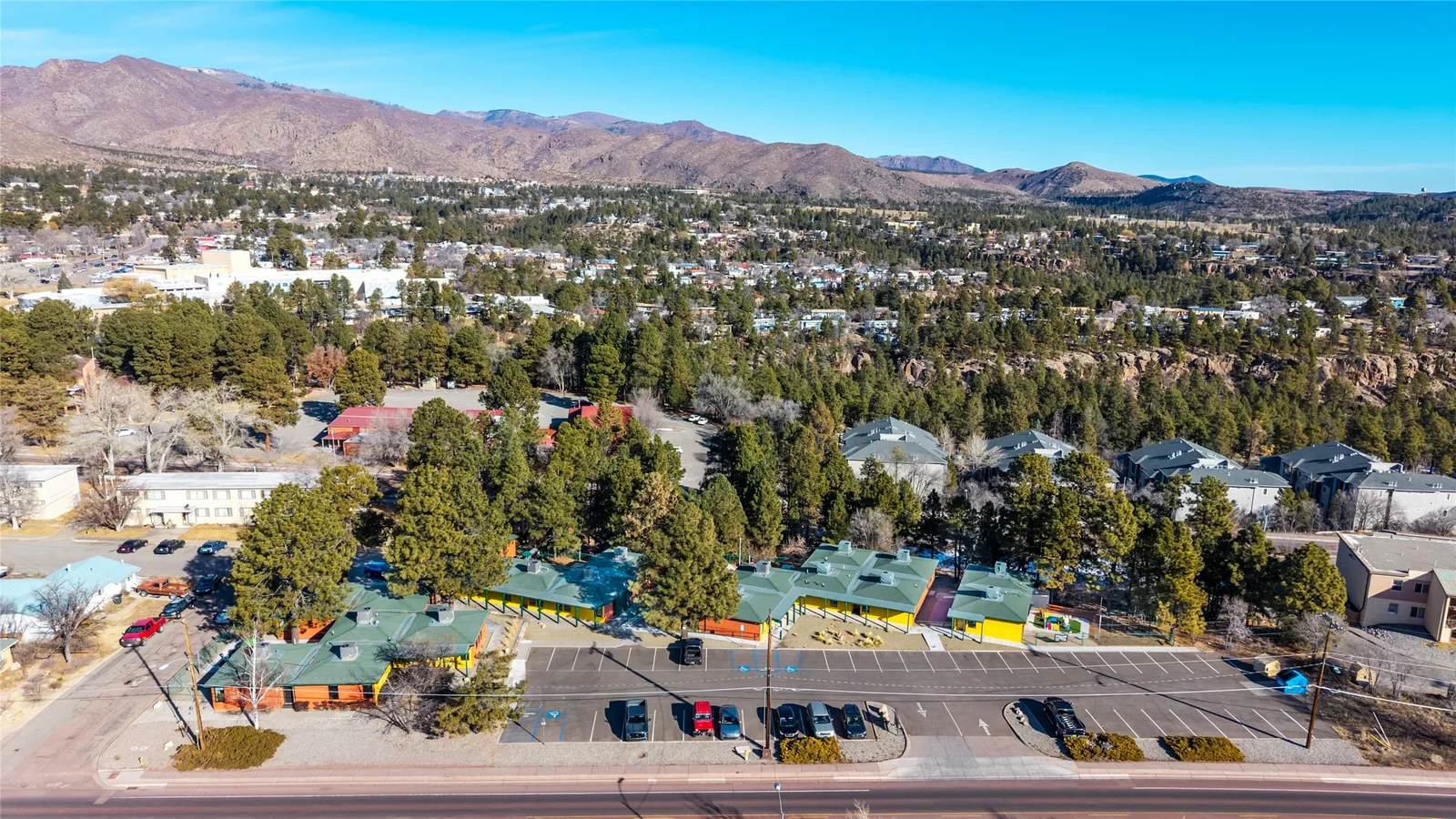
Los Alamos County sits at roughly 7,300 feet on the Pajarito Plateau - one of the highest-elevation counties in New Mexico, where freeze-thaw cycles can swing 40 degrees in a single day. That temperature volatility, combined with steep canyon drainage and a wildfire-shaped landscape, puts local properties at risk from problems most desert homeowners never expect.
Property owners in Los Alamos, White Rock, and the surrounding mesas rely on a full spectrum of restoration work:
- Water damage restoration - burst supply lines, failed water heaters, ice-damaged hose bibs, and roof leaks from spring snowmelt
- Flooded basement recovery - extraction, structural drying, and moisture mapping for below-grade living space and crawl areas
- Sewage cleanup - safe removal of Category 3 contamination from backups, septic failures, and lateral line breaks
- Fire damage restoration - structural cleaning, contents recovery, and coordinated rebuild after kitchen, chimney, or wildfire-related fires
- Smoke damage restoration - odor neutralization and soot removal, including damage from regional wildfire smoke infiltration
- Mold removal - containment and remediation where hidden moisture has fed colony growth behind walls or under flooring
Fast response matters here. Cool, dry outdoor air can mask an interior moisture problem for weeks while damage quietly spreads through framing, insulation, and subfloor.
Common Damage Restoration Issues in Los Alamos County, New Mexico
Mountain conditions create damage patterns that differ sharply from Albuquerque or Las Cruces. Understanding the local triggers helps homeowners catch trouble early.
Local Causes of Property Damage
- Pipe freezes in unheated garages, crawlspaces, and exterior walls during extended sub-freezing nights
- Snowmelt and ice dams on flat and low-slope roofs common to mid-century Los Alamos housing
- Monsoon runoff sheeting off mesa tops and canyon rims into window wells, garages, and daylight basements
- Post-wildfire burn scar flooding - hydrophobic soils in nearby canyons send debris-laden water downstream fast
- Sewer and septic backups when heavy rain overwhelms lines or tree roots invade older laterals in White Rock
- Wildfire smoke intrusion that leaves soot film and persistent odor in ductwork, attic insulation, and soft goods
Warning Signs Worth Acting On
- Musty or earthy smell that intensifies when the furnace or swamp cooler runs
- Cupping hardwood, bubbling paint, or a soft spot in vinyl flooring
- Staining along the base of drywall in below-grade rooms
- Slow drains or gurgling fixtures preceding a sewage backup
- Sooty residue on window sills, light fixtures, or HVAC filters after fire season
- Unexplained spikes in water usage pointing to a concealed slab or wall leak
Acting on these early signals often keeps a modest drying job from becoming a full mold remediation and reconstruction project.
Neighborhoods We Serve in Los Alamos County
Coverage spans the entire county and the communities immediately beyond it:
- Los Alamos townsite - Western Area, Eastern Area, North Community, and the Denver Steels housing stock
- Barranca Mesa and Quemazon - hillside and canyon-rim properties with drainage exposure
- Royal Crest, Ponderosa Estates, and Loma Linda
- White Rock - including Pajarito Acres, La Senda, and the Rover Boulevard corridor
- Downtown and Trinity Drive commercial districts, plus lab-adjacent facilities and rental properties
Crews also respond to surrounding areas including Española, Pojoaque, Jemez Springs, Bandelier-area residences, and the Santa Fe and Rio Arriba County line communities. Familiarity with canyon access roads, winter driving on NM-4 and NM-502, and county permitting keeps mobilization quick even when weather complicates the route.
Seasonal Damage Patterns in Los Alamos County
Seasonal Damage Patterns in Los Alamos County
- December through February - Peak season for frozen and burst pipes. Vacant vacation homes and second properties are especially vulnerable when heat is set too low. Flooded basements follow overnight ruptures.
- March through April - Snowmelt saturates soil around foundations. Expect seepage at cold joints, window wells, and garage slabs, plus roof leaks where ice dams have lifted flashing.
- May through June - Driest, windiest stretch and the height of regional fire risk. Fire damage restoration and smoke damage restoration calls climb, including smoke odor complaints from fires burning miles away.
- July through September - Monsoon season. Flash flooding off burn scars, sewage backups from overloaded lines, and rapid mold growth in any space that stayed wet more than a couple of days.
- October through November - Heating systems restart, revealing summer moisture problems as musty odors. A good window for mold inspections, duct cleaning, and pipe insulation before the freeze returns.
Scheduling preventive checks ahead of each shift reduces emergency callouts considerably.
Housing Characteristics & Restoration Considerations
Los Alamos has an unusual housing profile shaped by its Manhattan Project origins. A large share of homes date to the 1940s through 1960s, with newer construction concentrated in Barranca Mesa, Quemazon, and parts of White Rock.
Construction Types and What They Mean for Restoration
- Original government-built homes - plaster over wood lath, original subfloors, and limited wall cavity ventilation, which slows drying and hides moisture
- Flat and low-slope roofs - prone to ponding and membrane failure, a leading source of ceiling water damage
- Daylight and partial basements on sloped lots - common in canyon-edge properties and frequently the first area to flood
- Slab-on-grade ranches - concealed supply line leaks require thermal imaging and moisture meters rather than visual inspection
- Older galvanized and early copper plumbing - pinhole leaks and freeze splits happen without warning
- Cellulose and older fiberglass attic insulation - absorbs smoke odor and holds moisture, often requiring removal rather than drying
Practical Implications
- Homes built before 1980 warrant asbestos and lead-paint screening before demolition or aggressive mold removal
- Plaster walls may be dried in place with injection systems, preserving original finishes
- Tight remodels with modern insulation trap moisture longer, raising mold risk after any water event
- Historic character and county design standards influence reconstruction material choices after fire damage
Environmental Conditions & Damage Implications
The plateau's climate cuts both ways. Low humidity helps drying, but thin air, volcanic soils, and intense sun create complications that generic restoration playbooks miss.
Climate and Air
- Average relative humidity often below 40 percent, which speeds evaporation but also causes rapid cracking in wet-then-dried wood and plaster
- High elevation reduces air density, affecting dehumidifier performance - equipment sizing must be adjusted for altitude
- Wildfire smoke episodes push fine particulate into homes through attic vents, swamp coolers, and door gaps
- Intense UV exposure degrades roof membranes and window seals, opening pathways for water intrusion
Soil and Water
- Volcanic tuff and pumice-rich soils drain quickly in some areas yet channel water along bedrock seams toward foundations
- Steep canyon topography concentrates runoff into narrow paths during monsoon downpours
- Burn scar hydrophobicity from past fires causes water to sheet off slopes instead of soaking in
- Hard, mineral-heavy municipal water accelerates scale buildup and appliance supply line failure
Restoration Response
- Air scrubbers with HEPA and carbon media address both mold spores and smoke particulate
- Containment barriers prevent cross-contamination during sewage cleanup and mold removal
- Moisture readings are compared against dry standards taken from unaffected areas of the same structure
- Exterior grading and drainage recommendations accompany basement flood repairs to reduce repeat events
Wildfire, Smoke, and Post-Fire Flooding: A Los Alamos Reality
Few communities in the country carry as much collective memory of fire as Los Alamos. The Cerro Grande and Las Conchas events reshaped the surrounding forest and left the county with a dual challenge - direct fire and smoke damage, followed by years of flood risk from denuded watersheds above town.
The Problems Local Property Owners Face
- Smoke and soot infiltrating homes never touched by flame, settling in ducts, attics, and porous contents
- Persistent odor that reappears when heat or humidity rises, months after the fire
- Ash and debris flows overwhelming culverts, driveways, and below-grade entries during the first monsoon after a burn
- Contaminated floodwater carrying ash, silt, and sometimes sewage into finished living space
- Mold blooming behind walls where post-fire flooding was cleaned up superficially
How Restoration Teams Solve It
- Assessment - moisture mapping, soot characterization, and air sampling establish the true extent of damage
- Stabilization - board-up, roof tarping, water extraction, and temporary power or drying equipment
- Contaminant removal - HEPA vacuuming, controlled demolition of unsalvageable materials, and antimicrobial treatment
- Odor neutralization - thermal fogging, hydroxyl or ozone treatment, and duct cleaning matched to the smoke type
- Structural drying - altitude-adjusted dehumidification with daily documented readings
- Reconstruction - drywall, flooring, cabinetry, and finish work returning the property to pre-loss condition
The Benefit of Local Expertise
- Documentation formatted for insurance carriers, reducing claim friction
- Knowledge of county building requirements and defensible-space practices for rebuilds
- Preventive guidance - ember-resistant vents, improved drainage, sump systems, and freeze protection tailored to plateau conditions
- One team from emergency call through final walkthrough, so nothing falls between contractors