Damage Restoration in Sandoval County, NM
- Damage Restoration Services Overview
- Common Damage Restoration Issues in Sandoval County, New Mexico
- Neighborhoods We Serve in Sandoval County
- Seasonal Damage Patterns in Sandoval County
- Housing Characteristics & Restoration Considerations
- Environmental Conditions & Damage Implications
- Monsoon and Wildfire Readiness for Sandoval County Property Owners
Damage Restoration Services Overview
A burst supply line at 2 a.m., a smoke-filled kitchen, or the smell of sewage rising from a basement floor drain - property damage arrives without warning and rarely at a convenient hour. For Sandoval County homeowners and business operators, the first hours matter more than almost anything else that follows.
Licensed, IICRC-certified restoration crews handle the full arc of recovery, from emergency stabilization through reconstruction:
- Water Damage Restoration - extraction, structural drying, moisture mapping, and monitoring until materials return to dry standard
- Flooded Basement Cleanup - submersible pumping, contents removal, and drying of below-grade walls and slabs
- Sewage Cleanup - containment, removal of contaminated porous materials, and antimicrobial treatment of Category 3 losses
- Fire Damage Restoration - debris removal, roof tarping, board-up, structural cleaning, and rebuild
- Smoke Damage Restoration - soot removal from surfaces and HVAC systems, thermal fogging, and odor neutralization
- Mold Removal - containment barriers, negative air pressure, HEPA filtration, and removal of colonized materials
Benefits for property owners in Rio Rancho, Bernalillo, Placitas, and surrounding communities include reduced secondary damage, documented moisture readings for insurance claims, protection of irreplaceable belongings, and a single point of accountability from the first call through the final coat of paint.
Common Damage Restoration Issues in Sandoval County, New Mexico
High desert conditions create a distinct damage profile - one shaped by wide temperature swings, monsoon downpours, wildfire smoke, and expansive soils rather than by humid coastal weather.
Frequent Causes of Loss
- Frozen and burst pipes in unheated garages, crawl spaces, and exterior walls during January cold snaps
- Failed water heaters, refrigerator supply lines, and evaporative cooler overflow lines running through attics
- Monsoon flash flooding that pushes sheet water through window wells, garage thresholds, and basement stairwells
- Sewer backups caused by root intrusion, grease buildup, or municipal line surcharging during heavy rain
- Kitchen grease fires, chimney and wood stove fires, and electrical faults in older panels
- Wildfire smoke infiltration from Jemez Mountain and regional burns settling into HVAC systems and soft goods
- Hidden mold behind stucco, under vinyl flooring, and inside wall cavities after slow leaks
Warning Signs Worth Acting On
- Bubbling paint, chalky stucco stains, or discolored baseboards along an exterior wall
- A musty odor that intensifies when the HVAC system cycles
- Unexplained increases in water usage with no visible leak
- Gurgling drains or slow-clearing toilets in more than one fixture - often the first hint of a main line blockage
- Persistent smoke odor that returns on warm days after a small fire was cleaned by hand
- Efflorescence or white powdery residue on basement and foundation walls
Damage that appears cosmetic on the surface often extends well past the visible edge, which is why moisture meters and thermal imaging are used before any material is removed.
Neighborhoods We Serve in Sandoval County
Response covers the full county, from dense subdivisions to rural properties on well and septic systems.
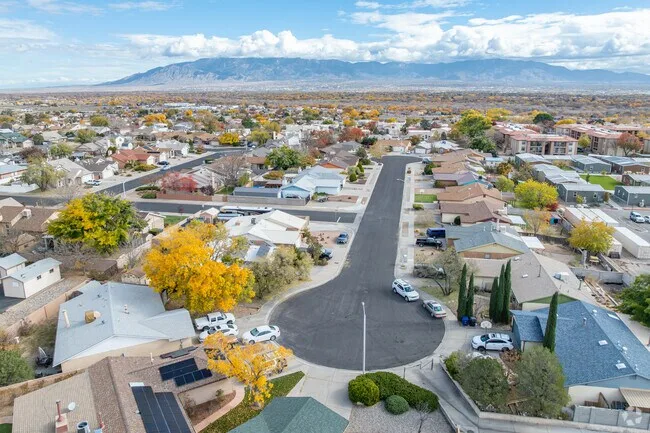
- Rio Rancho - Enchanted Hills, Northern Meadows, Cabezon, Loma Colorado, Vista Hills, and the Unit developments on the west mesa
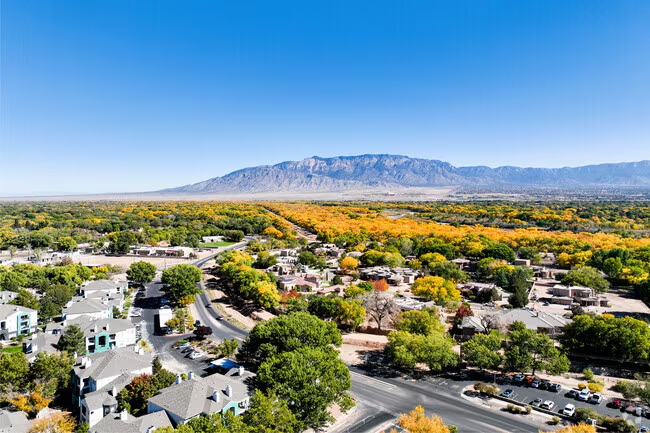
- Bernalillo - historic village properties, riverside homes near the Rio Grande bosque, and newer builds along NM 550
- Placitas - custom homes, adobe and pumice-crete construction, and hillside lots along Las Huertas Creek
- Corrales - acequia-adjacent properties, horse properties, and traditional adobe residences
- Algodones, Pena Blanca, and Cochiti Lake
- Jemez Springs, La Cueva, and Ponderosa - mountain properties exposed to wildfire and snowmelt runoff
- Cuba, San Ysidro, and the western county communities
Crews also coordinate with commercial property managers, HOAs, schools, and tribal community facilities throughout the Middle Rio Grande Valley.
Seasonal Damage Patterns in Sandoval County
Restoration demand shifts predictably through the year, and knowing the pattern helps property owners stay ahead of it.
- December through February - Pipe freezes lead the calendar. Overnight lows drop well below freezing while daytime temperatures climb, and that cycling stresses plumbing in garages and exterior walls. Heating equipment, space heaters, and fireplace use drive fire and smoke damage calls.
- March through May - Wind season arrives. Blown shingles, damaged flashing, and lifted roof panels allow water intrusion during spring rain. Early wildfire activity begins in the Jemez and surrounding forests.
- June through August - Monsoon season brings flash flooding, arroyo overflow, flooded basements, and sewer backups when storm volume overwhelms lines. Roof leaks and evaporative cooler failures spike. Mold growth accelerates in the humid stretch that follows each storm.
- September through November - Post-monsoon mold discoveries surface as hidden moisture finally shows itself. Heating systems fire up for the first time, pushing accumulated dust and soot through ductwork. Wildfire smoke can still travel across the region.
Late-season inspections of roofs, gutters, cooler lines, and crawl spaces prevent a large share of these losses.
Housing Characteristics & Restoration Considerations
Sandoval County housing spans four centuries of building practice, and each construction type responds differently to water, fire, and microbial growth.
Common Construction Types
- Traditional adobe and mud plaster - found in Corrales, Bernalillo, and the Jemez villages; extremely vulnerable to prolonged water contact, requiring slow controlled drying rather than aggressive air movement
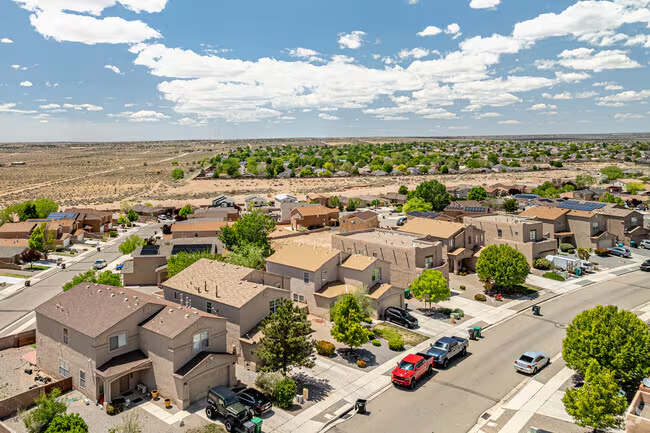
- Stucco over frame - dominant in Rio Rancho subdivisions built from the 1980s onward; traps moisture behind the cladding when flashing fails, hiding mold growth for months
- Pumice-crete and rammed earth - custom Placitas homes with dense, absorbent masses that hold water deep in the wall assembly
- Slab-on-grade construction - the majority of newer homes; water travels laterally under flooring and requires mat drying systems
- Below-grade basements and daylight basements - less common but present in Placitas, Jemez, and older Bernalillo properties
How Age Affects Restoration Work
- Homes built before 1980 may contain asbestos in floor tile, mastic, and joint compound, along with lead-based paint - testing precedes demolition
- Original galvanized and polybutylene supply lines fail without warning and often flood while occupants are away
- Vigas, latillas, and exposed wood ceilings absorb smoke odor deeply and need specialized cleaning rather than replacement
- Older cast iron and clay sewer laterals crack and admit roots, raising sewage backup risk
- Flat and low-slope roofs common to Pueblo Revival design pond water and leak at parapets and canales
Documenting these details early keeps the rebuild consistent with the original architecture.
Environmental Conditions & Damage Implications
Elevation, aridity, and soil chemistry shape every drying plan written in this county.
Climate and Air
- Elevations range from roughly 5,000 feet along the Rio Grande to over 8,000 feet in the Jemez, producing sharp day-night temperature swings
- Very low ambient humidity helps evaporation but can dry surfaces faster than the core of a material, masking trapped moisture behind seemingly dry drywall
- Blowing dust and fine soil particulate load HVAC filters, which then hold and recirculate smoke odor after a fire
- Regional wildfire smoke deposits acidic soot on surfaces where it can etch glass, metal, and finishes if left in place
Water and Soil
- Hard, mineral-rich groundwater leaves scale that shortens the life of water heaters, valves, and supply connections
- Expansive clay soils swell and contract, stressing foundations, slabs, and buried sewer laterals
- Sandy arroyo soils shed water quickly during monsoon storms, sending high-velocity runoff toward homes built on or near drainage paths
- Shallow water tables near the bosque in Corrales and Bernalillo contribute to persistent crawl space dampness
- Septic systems in rural areas can surcharge during saturated conditions, creating Category 3 contamination indoors
Because outdoor air is often too dry or too dusty to use as a drying medium, closed drying systems with desiccant or refrigerant dehumidification typically produce cleaner, more predictable results than open-window ventilation.
Monsoon and Wildfire Readiness for Sandoval County Property Owners
Two seasonal forces account for a large share of major losses here: summer monsoon flooding and wildfire smoke drifting down from the Jemez and surrounding forests. Both are predictable enough to prepare for.
Before Monsoon Season
- Clear canales, gutters, and downspouts of accumulated dust, gravel, and cottonwood debris.
- Regrade soil so it slopes away from the foundation, and extend downspout discharge at least several feet from the wall.
- Install or test window well covers and check garage threshold seals.
- Have sewer laterals scoped for root intrusion, especially on properties with mature cottonwoods or elms.
- Confirm sump pump operation and add a battery backup where a basement is present.
- Photograph rooms and store the images off-site to support any future claim.
Before and During Wildfire Smoke Events
- Upgrade HVAC filtration and change filters immediately after a smoke event rather than waiting for the normal interval
- Create defensible space by clearing brush, juniper, and stored firewood away from structures
- Keep windows and swamp coolers closed when smoke settles - evaporative coolers pull outside air, and soot, directly indoors
- Address soot on surfaces promptly, since acidic residue continues to damage finishes over time
When Damage Happens Anyway
- Shut off water at the main or cut power at the panel only if it is safe to reach
- Avoid walking through standing water that may be contaminated by sewage
- Do not run household fans across a fire scene - it spreads soot into clean areas
- Call for emergency roof tarping and board-up before the next storm arrives
- Let certified technicians inventory and pack out salvageable contents for off-site cleaning and secure storage
Round-the-clock response across Rio Rancho, Bernalillo, Corrales, Placitas, and the wider county means stabilization starts while the damage is still contained.