
Damage Restoration in Corrales, NM
- Damage Restoration Services Overview
- Common Damage Restoration Issues in Corrales, New Mexico
- Neighborhoods We Serve in Corrales
- Seasonal Damage Patterns in Corrales
- Housing Characteristics & Restoration Considerations
- Environmental Conditions & Damage Implications
- Monsoon Season Readiness and Full-Property Recovery in Corrales
Damage Restoration Services Overview
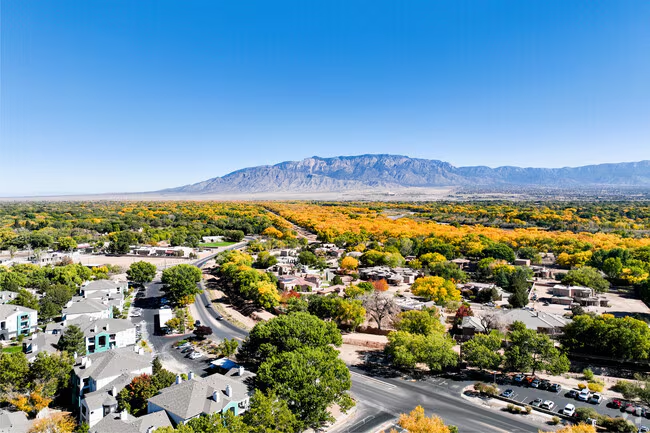
What would you do if you walked into your Corrales home tomorrow morning and found water spreading across the floor, or the smell of smoke clinging to every wall? Property damage rarely announces itself in advance, and the hours immediately after discovery shape how much of your home can be saved.
Our restoration team serves Corrales homeowners and business owners with a full range of mitigation, cleanup, and rebuild services:
- Water Damage Restoration - rapid extraction, structural drying, moisture mapping, and repair of affected building materials
- Flooded Basement Cleanup - pumping standing water, drying below-grade walls, and treating porous surfaces before mold takes hold
- Sewage Cleanup - containment, removal of contaminated materials, antimicrobial treatment, and safe disposal
- Fire Damage Restoration - debris removal, structural stabilization, content cleaning, and full reconstruction
- Smoke Damage Restoration - soot removal from stucco, vigas, and HVAC systems plus deep odor neutralization
- Mold Removal - inspection, containment, remediation, and correction of the moisture source feeding growth
The benefit for Corrales residents is continuity. One team handles assessment through final finish work, so you are not coordinating separate contractors while also managing an insurance claim and a disrupted household.
Common Damage Restoration Issues in Corrales, New Mexico
Corrales sits along the Rio Grande bosque, where a high water table, irrigation ditches, and monsoon runoff create conditions that other parts of the Albuquerque metro simply do not face.
Local Causes We Respond To Most
- Acequia and ditch overflow saturating yards, crawlspaces, and below-grade rooms
- Monsoon downpours overwhelming flat and low-slope roofs on adobe and pueblo-style homes
- Shallow groundwater pushing moisture into basements and slab edges
- Septic system backups on larger rural lots, leading to sewage contamination indoors
- Frozen or burst supply lines during sharp winter temperature swings
- Wildfire and bosque smoke infiltrating homes through gaps, vents, and swamp coolers
- Evaporative cooler leaks running down interior walls unnoticed for weeks
Warning Signs Worth Acting On
- Bubbling paint, darkened stucco, or crumbling plaster near the base of walls
- A persistent musty odor in closets, crawlspaces, or under staircases
- Soft or spongy spots in flooring, especially near exterior doors
- Sooty film returning to windows and light fixtures after cleaning
- Gurgling drains or slow toilets that signal a failing septic or sewer line
- Visible mold behind furniture placed against north-facing exterior walls
Adobe, mudded plaster, and traditional latilla ceilings absorb moisture readily, so small leaks in Corrales homes often become structural concerns faster than they would in newer frame construction.
Neighborhoods We Serve in Corrales
Our crews cover the full length of the village and the surrounding Rio Grande corridor.
- Corrales Road corridor - historic village center, older adobe homes, and small commercial properties
- West Ella and Meadowlark area - established residential streets on larger lots
- Loma Larga and Camino Sin Nombre - hillside properties with drainage and runoff exposure
- Bosque-adjacent properties - homes near the levee and irrigation ditches
- Priestley Place, Dixon Road, and Target Road neighborhoods
We also respond throughout the wider region, including Rio Rancho, Bernalillo, Placitas, Algodones, Cuba, and the North Valley of Albuquerque. Familiarity with village permitting, septic requirements, and acequia access routes helps our teams reach properties quickly, even on unpaved lanes where larger equipment trucks need staging space.
Seasonal Damage Patterns in Corrales
Winter (December - February)
- Burst pipes in uninsulated crawlspaces and exterior walls
- Fireplace, wood stove, and space heater fires with heavy smoke residue
- Ice dam melt seeping under flat-roof parapets
Spring (March - May)
- Snowmelt runoff and ditch recharge raising groundwater around foundations
- Flooded basements and saturated crawlspaces
- Wind-driven dust and debris damaging roof flashing
Summer Monsoon (June - September)
- Peak season for water damage, roof leaks, and flash flooding
- Rapid mold growth once humidity spikes indoors
- Septic and sewer backups when saturated soil limits drainage
- Wildfire smoke intrusion during dry early summer weeks
Fall (October - November)
- Delayed discovery of monsoon-season moisture behind walls
- Heating system startup fires and puff-back soot
- Swamp cooler shutdown leaks and unsealed vent openings
Housing Characteristics & Restoration Considerations
Corrales housing spans centuries-old adobe compounds, 1970s and 1980s custom builds, and newer territorial-revival homes on multi-acre parcels. That variety means no two restoration projects follow the same script.
Construction Types and What They Mean for Restoration
- Adobe and rammed earth - highly absorbent; requires slow, controlled drying rather than aggressive heat to prevent cracking and shrinkage
- Stucco over frame - traps moisture between layers, so infrared and moisture meter inspection matters before any repair
- Flat and low-slope roofs - ponding water finds seams quickly, sending leaks into ceilings above living space
- Exposed vigas and latillas - beautiful but porous, and they hold smoke odor unless properly sealed after cleaning
- Crawlspaces and partial basements - limited ventilation makes them prime mold territory after any water intrusion
- Septic systems - common on rural lots and a frequent source of sewage cleanup calls
Practical Implications
- Older homes may contain asbestos-bearing flooring or plaster requiring careful handling during demolition
- Historic plaster and hand-troweled finishes need craftspeople who can match texture, not just patch drywall
- Well water systems must be evaluated after flooding or sewage events
- Reconstruction often includes framing, drywall, flooring, roofing, and custom finish work under one project plan
Environmental Conditions & Damage Implications
Corrales averages roughly nine inches of annual precipitation, yet nearly half arrives during a few violent monsoon weeks. Combine that with a shallow water table near the Rio Grande and the result is a community where dryness and sudden saturation coexist.
Climate and Air Factors
- Low ambient humidity means smoke odor lingers in porous materials rather than dissipating
- Intense high-desert sun cracks stucco, sealants, and roof membranes, opening entry points for rain
- Spring windstorms drive dust and grit into attics and wall cavities
- Regional wildfire smoke and bosque burns push fine particulate into HVAC and evaporative cooling systems
Water and Soil Factors
- Sandy loam and alluvial soils drain unevenly, channeling runoff toward foundations
- High groundwater along the bosque contributes to chronic crawlspace dampness
- Hard, mineral-heavy water accelerates pipe corrosion and appliance supply line failure
- Irrigation ditch seasons raise subsurface moisture from spring through early fall
- Septic saturation during heavy rain increases sewage backup risk indoors
These conditions shape our approach. Drying plans account for adobe permeability, mold containment accounts for dust-laden air returns, and every water loss includes an evaluation of exterior grading and drainage so the same problem does not repeat next monsoon season.
Monsoon Season Readiness and Full-Property Recovery in Corrales
Monsoon season defines the restoration calendar in Corrales. A single afternoon storm can drop more rain than the previous two months combined, and homes near irrigation ditches or at the base of the Loma Larga slope absorb the runoff first.
What Our Start-to-Finish Process Looks Like
- Emergency response - crews arrive, stop the active water source, and stabilize unsafe areas
- Assessment and documentation - moisture mapping, thermal imaging, and photo records for your insurance claim
- Extraction and containment - standing water removed, contaminated zones sealed off, negative air machines set for sewage or mold work
- Structural drying - air movers and dehumidifiers calibrated for adobe, plaster, and framed assemblies with daily moisture readings
- Cleaning and deodorization - soot removal, antimicrobial application, HVAC cleaning, and odor treatment for smoke-affected materials
- Content care - furniture, textiles, and personal belongings cleaned or stored while work proceeds
- Reconstruction - framing, drywall, stucco repair, flooring, roofing, cabinetry, and paint restored to pre-loss condition or better
- Final walkthrough - verification readings, clearance testing where applicable, and a review of drainage improvements to reduce future risk
Preparation Steps Worth Taking Before the Next Storm
- Clear canales, scuppers, and gutters of bosque leaf litter and cottonwood debris
- Reseal stucco cracks and roof penetrations during dry spring weeks
- Confirm grading slopes away from the foundation on all sides
- Install a sump pump with battery backup in basements and low crawlspaces
- Service septic systems ahead of the heaviest rain months
- Photograph rooms and valuables annually for claim documentation
Throughout every project our team provides regular updates and answers questions directly, so you always know what is happening in your home and what comes next.





