
Damage Restoration in Bernalillo, NM
- Damage Restoration Services Overview
- Common Damage Restoration Issues in Bernalillo, New Mexico
- Neighborhoods We Serve in Bernalillo
- Seasonal Damage Patterns in Bernalillo
- Housing Characteristics & Restoration Considerations
- Environmental Conditions & Damage Implications
- Monsoon Flooding and Acequia-Adjacent Property Protection in Bernalillo
Damage Restoration Services Overview
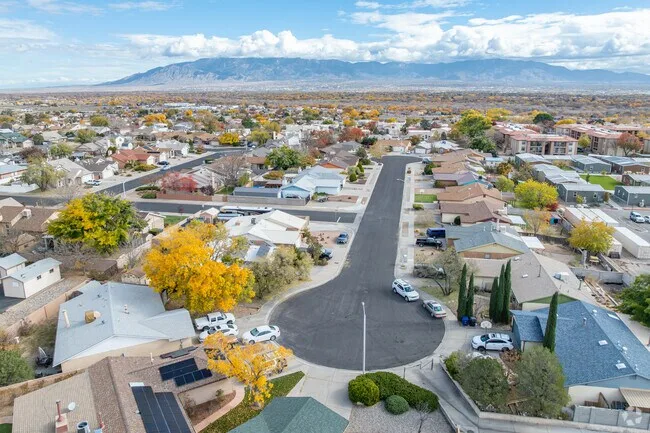
What would you do if you walked into your Bernalillo home tomorrow morning and found two inches of standing water across the floor - or the sharp smell of smoke still clinging to every wall? Property damage rarely announces itself in advance, and the hours immediately following an incident shape how much of your home can be saved.
Restoration work along the Middle Rio Grande Valley covers a connected set of services, each addressing a different type of loss:
- Water Damage Restoration - extraction, structural drying, and moisture mapping after pipe breaks, appliance failures, or roof leaks
- Flooded Basement - pumping, dehumidification, and treatment of below-grade spaces and crawl areas
- Sewage Cleanup - removal of contaminated material, antimicrobial treatment, and safe disposal after backups
- Fire Damage Restoration - debris removal, structural stabilization, and rebuilding of damaged assemblies
- Smoke Damage Restoration - soot removal from surfaces and HVAC systems plus odor neutralization
- Mold Removal - containment, affected material removal, and correction of the moisture source
For Bernalillo residents, the benefit of a single coordinated response is simple: fire losses almost always involve water from suppression efforts, and water losses frequently lead to mold. Handling those overlapping problems under one plan reduces duplicated work, shortens displacement, and keeps documentation consistent for insurance purposes.
Common Damage Restoration Issues in Bernalillo, New Mexico
Bernalillo sits where the Rio Grande, the Jemez drainage, and the western slope of the Sandias meet - a combination that produces distinctly local damage patterns.
Frequent Causes of Loss
- Monsoon downpours in July and August that overwhelm arroyos, driveways, and window wells
- Flash flooding from surrounding mesas carrying silt and debris into low-lying properties
- Frozen or split supply lines during January cold snaps, especially in unheated utility rooms
- Failing evaporative cooler lines and pans that leak slowly into ceilings and wall cavities
- Septic and older sewer line backups when saturated soils raise groundwater levels
- Kitchen fires, chimney and kiva fireplace issues, and wildfire smoke drifting in from the Jemez and Sandia foothills
Warning Signs Worth Acting On
- Bubbling, chalky, or flaking stucco near the base of exterior walls
- Dark tide lines on baseboards, adobe, or drywall after a storm
- Musty odors in closets, under sinks, or near swamp cooler ducting
- Slow floor drains, gurgling toilets, or sewer odor in a laundry room
- Yellow-brown ceiling staining below rooftop equipment
- Soot film on window glass or a smoke smell that returns when the HVAC runs
Because relative humidity here is normally low, homeowners sometimes assume damp materials will simply dry themselves. Inside wall cavities and beneath tile, that assumption is how a small water event becomes a mold removal project weeks later.
Neighborhoods We Serve in Bernalillo
Response teams cover the town of Bernalillo and the surrounding Sandoval County communities, including river-adjacent properties and newer subdivisions on the higher ground east and west of the valley.
- Downtown Bernalillo and the Camino del Pueblo corridor
- Santa Ana Pueblo and Tamaya area properties
- Placitas and the Sandia foothills communities
- Algodones and the northern valley stretch along NM-313
- Corrales and the Rio Grande bosque neighborhoods
- Rio Rancho, including Enchanted Hills and Northern Meadows
- Sandia Pueblo, North Valley, and Alameda
- San Felipe Pueblo and outlying rural parcels off US-550
Coverage extends across Sandoval and Bernalillo counties, with crews reaching Albuquerque, Los Ranchos, Bosque Farms, and points north toward Santa Fe. Properties on acreage with private wells or septic systems receive the same emergency water, sewage, fire, smoke, and mold services as homes on municipal utilities.
Seasonal Damage Patterns in Bernalillo
Damage calls here follow a predictable annual rhythm tied to temperature swings and the monsoon.
- December through February - Freeze-thaw cycles split hose bibs, exposed supply lines, and irrigation piping. Water damage restoration and flooded basement calls spike after cold nights. Heating equipment, fireplaces, and space heaters drive fire and smoke damage.
- March through May - Wind season pushes dust and rain through compromised roofing and stucco cracks. Evaporative coolers come online, and improper startup causes leaks that surface as ceiling stains.
- June - Dry heat and wildfire risk peak. Smoke damage restoration requests rise as regional fire smoke infiltrates homes through coolers and duct systems.
- July through September - Monsoon storms bring the heaviest flooding of the year. Arroyo runoff, saturated soils, and sewer surcharge lead to flooded basements, crawlspace water, and sewage cleanup needs.
- October through November - Post-monsoon moisture trapped in wall cavities and under flooring becomes visible mold. This is the busiest stretch for mold removal inspections.
Housing Characteristics & Restoration Considerations
Bernalillo's building stock spans centuries, and the construction type dictates nearly every restoration decision made on site.
Common Construction Types
- Historic adobe and terrón homes - thick earthen walls that absorb water readily and dry slowly, requiring gentle, extended drying rather than aggressive heat
- Mid-century frame and stucco - wood framing behind cementitious stucco, where trapped moisture hides until damage is advanced
- Manufactured and modular homes - vulnerable subfloors and belly wrap that hold water after a plumbing failure
- Newer stucco-over-frame subdivisions - post-1990 construction in Rio Rancho and Enchanted Hills with tighter envelopes and slab foundations
- Pueblo-style flat and parapet roofs - drainage points and scuppers that clog quickly during monsoon rain
How Construction Shapes the Work
- Slab-on-grade foundations mean water spreads laterally under flooring instead of draining down, so extraction and subfloor drying matter more than pumping
- True basements are uncommon but crawlspaces, sunken rooms, and daylight lower levels flood the same way and need identical treatment
- Latillas, vigas, and tongue-and-groove ceilings absorb smoke odor deeply and often require specialized cleaning rather than replacement
- Older homes may contain asbestos-bearing floor tile or plaster, requiring testing before demolition in fire or water losses
- Cast iron and clay sewer laterals in the older core of town are prone to root intrusion and backups
- Historic materials often warrant preservation-minded repair to maintain character and code compliance
Environmental Conditions & Damage Implications
The high desert environment at roughly 5,000 feet changes how damage behaves - sometimes helping, often complicating the work.
Climate and Air
- Low ambient humidity speeds surface drying but masks moisture trapped inside adobe, stucco, and wall cavities
- Intense solar exposure degrades roofing membranes, sealants, and window glazing, creating leak entry points
- Blowing dust settles alongside soot after a fire, making smoke damage restoration a two-part cleaning problem
- Regional wildfire smoke can saturate insulation and ductwork even when the fire is many miles away
Water and Soil
- Hard, mineral-rich water accelerates corrosion in older galvanized supply lines and water heaters
- Sandy and silty valley soils drain quickly but shift and settle, stressing foundations and buried sewer lines
- Clay-heavy pockets hold water against foundation walls after monsoon storms, feeding below-grade seepage
- A shallow water table near the Rio Grande and irrigation ditches keeps crawlspaces damp year-round
- Acequia and ditch overflow can introduce contaminated water requiring the same protocols as sewage cleanup
Mold Behavior in a Dry Climate
Growth here concentrates in microclimates rather than whole rooms - behind swamp cooler ducts, under bathroom tile, inside north-facing exterior walls, and beneath carpet padding on slabs. Effective mold removal depends on locating those pockets with meters and thermal imaging, not on visible staining alone.
Monsoon Flooding and Acequia-Adjacent Property Protection in Bernalillo
The single largest driver of restoration work in Bernalillo is the summer monsoon, and the properties most affected are those near arroyos, acequias, and the bosque. Ground that has baked hard for months sheds water instead of absorbing it, so a thirty-minute storm can send sheet flow across yards and into garages, casitas, and sunken living rooms.
What Makes These Losses Different
- Floodwater arrives loaded with silt, organic debris, and agricultural runoff - it is treated as contaminated, not clean water
- Overwhelmed sewer laterals can surcharge at the same time, combining a flood response with sewage cleanup
- Adobe and stucco wick moisture upward long after standing water is removed
- Sediment left in ducts, under cabinets, and beneath flooring becomes a mold source if not fully extracted
How a Monsoon Response Is Handled
- Secure the property, cut power to affected circuits, and stop ongoing water intrusion
- Remove standing water and sediment with pumps and truck-mounted extraction
- Categorize the water and apply containment where contamination is present
- Remove unsalvageable materials - saturated drywall, insulation, carpet pad, and swollen cabinetry
- Clean and apply antimicrobial treatment to remaining structural surfaces
- Set drying equipment and monitor moisture readings daily until materials reach dry standard
- Document conditions with photos, readings, and scope notes for the insurance claim
- Rebuild finishes with attention to matching regional construction styles
Preventive Steps Worth Taking Before July
- Clear parapet scuppers, canales, and roof drains before storm season
- Regrade soil so it slopes away from foundations and stem walls
- Seal stucco cracks and repair failing exterior sealant joints
- Install backwater valves where sewer backup has occurred before
- Add covers to window wells and raise stored belongings off garage and crawlspace floors
- Service evaporative coolers early so pan leaks are caught before the roof gets wet
Every property is different, and solutions are built around the actual construction - a 1920s adobe on Camino del Pueblo gets a different drying plan than a 2005 slab home in Enchanted Hills.





