
Damage Restoration in Santa Fe, NM
- Damage Restoration Services Overview
- Common Damage Restoration Issues in Santa Fe, New Mexico
- Neighborhoods We Serve in Santa Fe
- Seasonal Damage Patterns in Santa Fe
- Housing Characteristics & Restoration Considerations
- Environmental Conditions & Damage Implications
- Protecting Historic Adobe and Older Santa Fe Homes During Restoration
Damage Restoration Services Overview
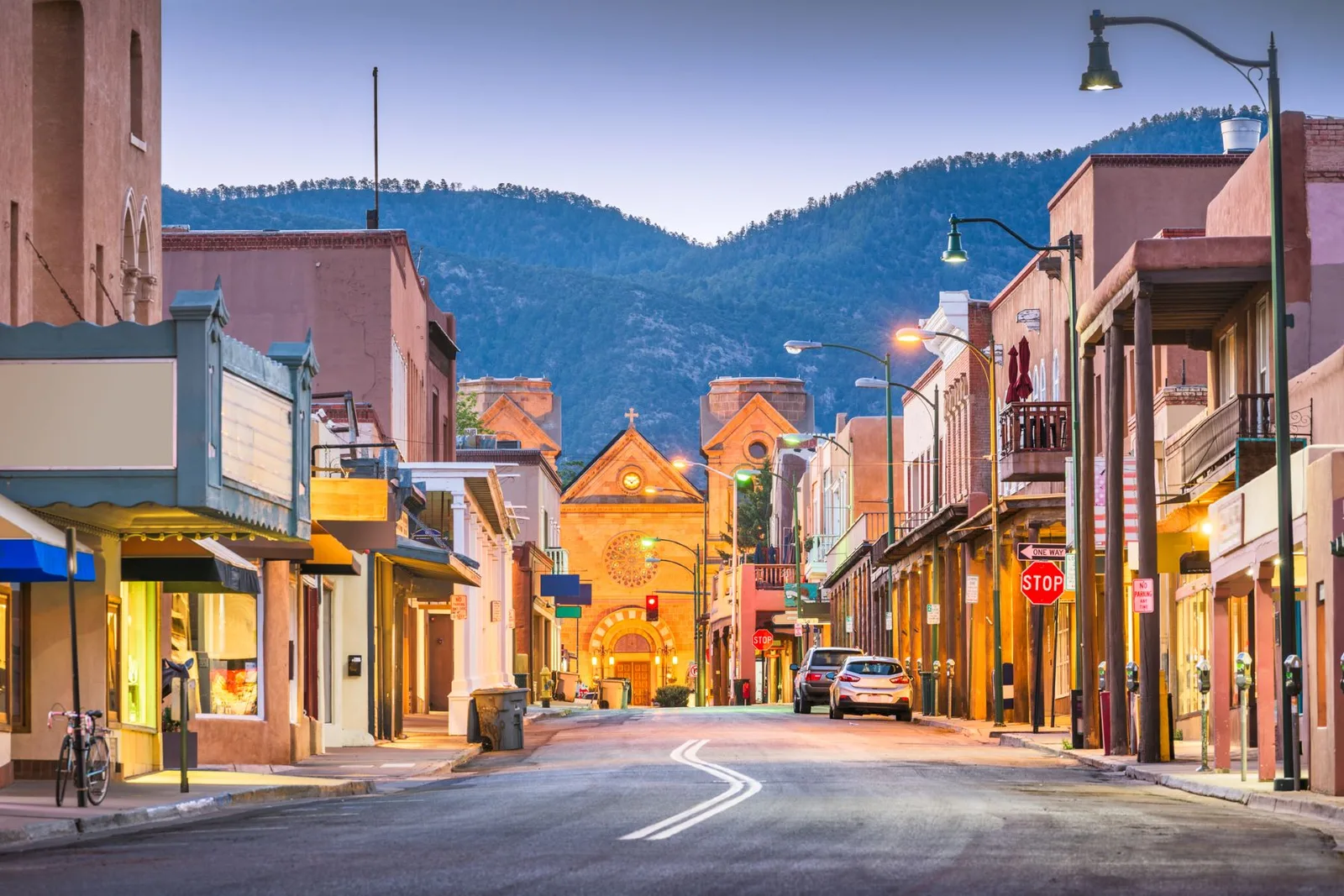
Santa Fe sits at roughly 7,200 feet - higher than Denver - and averages under 15 inches of rain a year, yet water damage remains one of the most frequent property emergencies in the city. Thin desert air dries surfaces fast, which fools property owners into thinking a leak resolved itself while moisture quietly spreads through adobe, plaster, and framing.
Locally owned and operated, our team responds around the clock across Santa Fe County with a full range of restoration work:
- Water Damage Restoration - extraction, structural drying, moisture mapping, and repairs after leaks, burst pipes, and roof failures
- Flooded Basement - pump-out, dehumidification, and treatment of below-grade rooms, crawl spaces, and garden-level living areas
- Sewage Cleanup - removal of contaminated material, sanitizing, and safe disposal after backups and septic failures
- Fire Damage Restoration - stabilization, debris removal, and rebuilding of burned structures
- Smoke Damage Restoration - soot cleaning, HVAC decontamination, and odor neutralization
- Mold Removal - containment, removal of affected materials, and correction of the moisture source
Benefits for Santa Fe residents include faster stabilization of historic finishes, documentation that supports insurance claims, and one crew handling cleanup through reconstruction so nothing falls between contractors.
Common Damage Restoration Issues in Santa Fe, New Mexico
Most damage here traces back to two extremes: sudden monsoon downpours and long stretches of freezing nights. Both hit older adobe and pueblo-revival construction harder than modern stucco-over-frame homes.
Local Causes We See Most
- Flat and low-slope roofs with clogged canales that overflow onto parapets and interior walls
- Frozen and split supply lines in uninsulated crawl spaces and exterior walls after January cold snaps
- Monsoon runoff sheeting off compacted caliche soil into window wells and basement stairwells
- Sewer and septic backups when heavy rain overwhelms older clay laterals in established neighborhoods
- Kitchen fires, kiva fireplace and wood stove flue issues, and smoke intrusion from regional wildfires
- Swamp cooler overflow on rooftops - a distinctly New Mexico source of ceiling stains every summer
Warning Signs Worth Acting On
- Bubbling or chalky plaster, or a dark tide line low on an adobe wall
- Efflorescence - white powdery salt deposits - on masonry or basement walls
- Musty odor that intensifies when the furnace or evaporative cooler runs
- Soot film reappearing on walls days after a fire has been cleaned
- Slow drains in multiple fixtures at once, or gurgling toilets
- Vigas or latillas showing staining, softening, or insect activity near the wall plate
Catching these early usually means drying and spot repair instead of demolition, especially where historic materials are involved.
Neighborhoods We Serve in Santa Fe
Our crews cover the city core and the surrounding county, adjusting methods to the construction style of each area.
- Downtown, the Historic Eastside, and Canyon Road - century-old adobe requiring gentle drying and careful plaster work
- South Capitol and Casa Solana - mid-century homes with original plumbing and slab-on-grade issues
- Museum Hill, Sol y Luz, and Las Campanas - larger properties with complex roof drainage
- Rancho Viejo, Tierra Contenta, and Oshara Village - newer builds where sudden supply-line failures dominate
- La Tierra, Aldea de Santa Fe, and Nine Mile Road - well-and-septic properties prone to sewage backups
- Eldorado, Lamy, Glorieta, Pojoaque, Tesuque, and Cerrillos - outlying areas with wildfire and smoke exposure
We also respond to commercial buildings along Cerrillos Road, St. Michael's Drive, and the Railyard district.
Seasonal Damage Patterns in Santa Fe
Restoration calls follow a predictable rhythm tied to the high-desert calendar.
- December through February: Freeze-thaw cycles split pipes and hose bibs. Expect water damage restoration and flooded basement calls after overnight lows drop into the teens. Heating equipment and fireplace use drive fire and smoke damage claims.
- March through May: Snowmelt and wind-driven rain expose roof and parapet failures. Moisture trapped over winter begins producing mold growth behind baseboards and inside closets.
- June: The driest, hottest stretch - peak wildfire risk and smoke damage restoration from regional burns. Swamp cooler startup causes rooftop leaks.
- July through September: Monsoon season. Flash runoff, overwhelmed drains, saturated soil, sewage cleanup after lateral backups, and rapid mold growth in humid interiors.
- October and November: Post-monsoon mold discoveries during remodels, plus early-season heater fires and flue-related smoke issues.
Scheduling roof, canale, and drain inspections just before June and again in October heads off the majority of these losses.
Housing Characteristics & Restoration Considerations
Santa Fe has one of the oldest and most material-diverse housing stocks in the Southwest, and that shapes every restoration decision. Many Eastside homes predate 1930, while large sections of the south and west sides were built after 1990.
Construction Types and What They Mean
- Traditional adobe and mud plaster: Highly absorbent. Aggressive heat drying can crack or crumble it, so we use controlled airflow and low-grain dehumidification, monitoring moisture at depth rather than at the surface.
- Pumice-crete and rammed earth: Hold water in ways standard meters misread; require probe testing before any wall is opened.
- Stucco over wood frame: The most common modern build. Water tracks behind the stucco and stays hidden, making early cavity inspection important.
- Flat roofs with parapets and canales: Ponding water is the leading source of ceiling and wall damage citywide.
- Vigas, latillas, and exposed beams: Absorb smoke odor deeply and need specialized cleaning rather than painting over.
- Partial basements and crawl spaces: Less common than in other regions but frequently unfinished and poorly sealed, so flooded basement work often includes vapor barrier and sump improvements.
Historic district properties add another layer - exterior repairs may fall under design review requirements. We plan reconstruction with those approvals in mind so the finished work matches original profiles, plaster texture, and color palettes.
Environmental Conditions & Damage Implications
Low humidity does not prevent mold - it just hides it. Santa Fe's relative humidity often sits under 25 percent outdoors, so interior pockets of trapped moisture behind adobe, tile, or cabinetry become the only damp spot in the building and grow colonies quietly.
Conditions That Shape Our Approach
- Altitude: Thinner air changes dehumidifier and air mover performance, so equipment counts are calculated for 7,000-plus feet rather than sea-level tables.
- Clay and caliche soils: Drain slowly and expand when wet, pushing water toward foundations and stressing below-grade walls during monsoon storms.
- Hard, mineral-rich water: Leaves scale that corrodes fittings and accelerates slow supply-line leaks behind walls.
- Wildfire smoke: Fine particulate infiltrates through swamp coolers and attic vents, settling in ductwork and soft goods even when no fire touched the property.
- Intense UV exposure: Degrades roof membranes, sealants, and canale flashing faster than in lower elevations.
- Septic systems on rocky ground: Limited leach field percolation raises the odds of backups requiring full sewage cleanup and sanitizing.
Because of these factors, we verify dryness with meters and thermal imaging rather than assuming the desert air finished the job - and we address the source, whether that is grading, a failed canale, or a corroded line, before rebuilding.
Protecting Historic Adobe and Older Santa Fe Homes During Restoration
Restoring a 100-year-old adobe is not the same job as drying a new build in Rancho Viejo, and treating them the same causes permanent damage. Earthen walls, lime plaster, and hand-hewn vigas respond to moisture and heat differently than drywall and dimensional lumber, so the sequence and equipment change entirely.
How We Handle Historic Materials
- Listen first. We ask what happened, when it started, and what the home has been through before - past leaks and repairs tell us where moisture is likely hiding.
- Inspect thoroughly. Thermal imaging and penetrating probes map moisture in adobe, behind plaster, and at wall-to-viga connections without unnecessary demolition.
- Stabilize gently. Controlled airflow and dehumidification pull moisture out at a rate the material tolerates, avoiding cracking, spalling, and salt migration.
- Separate salvage from loss. Original plaster, saltillo tile, and woodwork are cleaned and preserved where possible; contaminated or structurally compromised material is removed.
- Address the source. Canale repairs, parapet sealing, drainage regrading, or plumbing replacement so the same failure does not repeat next monsoon.
- Rebuild to match. Plaster texture, color, and detailing are matched to the original, with historic district requirements accounted for.
The same care applies across services. Smoke odor in exposed beams needs specialized cleaning, not sealing paint. Sewage cleanup in an earthen-floor or slab-adjacent room requires removal of porous material rather than surface disinfection. Mold removal behind adobe demands containment so spores are not spread through open interiors.
Our customers tell us they call because they want straight answers about what needs to happen now and what can wait. We keep you updated at each stage, document everything for your insurer, and stay on the job from the first extraction through the final coat of plaster.





