
Damage Restoration in Eldorado at Santa Fe, NM
- Damage Restoration Services Overview
- Common Damage Restoration Issues in Eldorado at Santa Fe, New Mexico
- Neighborhoods We Serve in Eldorado at Santa Fe
- Seasonal Damage Patterns in Eldorado at Santa Fe
- Housing Characteristics & Restoration Considerations
- Environmental Conditions & Damage Implications
- Septic Systems, Wells, and Monsoon Preparedness for Eldorado Homeowners
Damage Restoration Services Overview
A small leak under a kitchen sink or a lingering smoke smell after a chimney fire rarely stays small. Left alone, moisture migrates into framing, adobe-adjacent stucco systems, and subfloors, while soot residues become acidic and etch metal, glass, and finishes permanently. Weeks later, homeowners in Eldorado at Santa Fe often face rotted joists, colonized wall cavities, and insurance claims complicated by documented delay.
Acting early keeps a contained problem from becoming a structural one. Our teams handle the full spectrum of property damage recovery for homes and businesses across the Eldorado area:
- Water Damage Restoration - extraction, structural drying, moisture mapping, and repair of affected materials
- Flooded Basement - pump-out, sump and drainage evaluation, contents handling, and dehumidification of below-grade spaces
- Sewage Cleanup - containment, removal of contaminated porous materials, antimicrobial treatment, and safe disposal
- Fire Damage Restoration - board-up, debris removal, soot cleaning, and rebuilding of damaged assemblies
- Smoke Damage Restoration - odor neutralization, HVAC cleaning, and treatment of textiles and hard surfaces
- Mold Removal - containment, HEPA filtration, source moisture correction, and clearance-focused remediation
Beyond national resources and equipment, our crews understand Santa Fe County specifics - monsoon behavior, well and septic systems, county permitting, and how high-desert humidity swings affect drying targets. That local grounding shortens response and keeps work compliant.
Common Damage Restoration Issues in Eldorado at Santa Fe, New Mexico
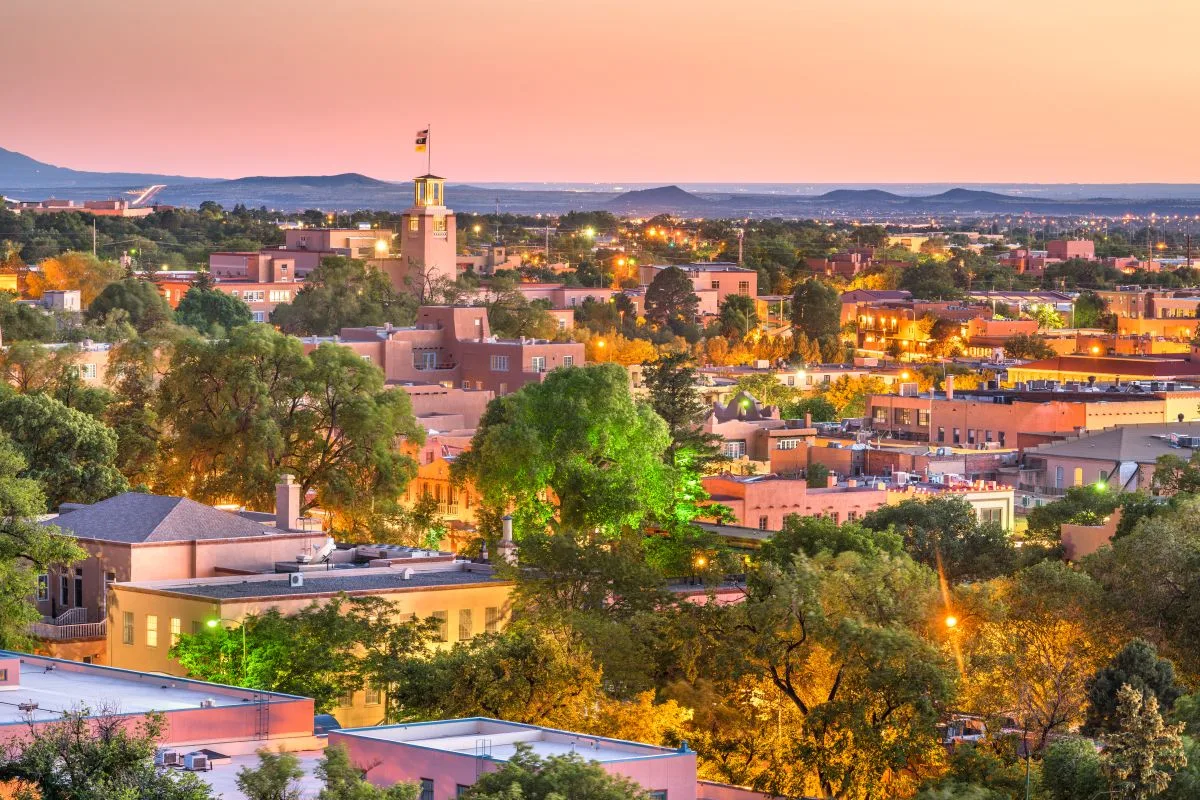
Eldorado sits east of Santa Fe on rolling piñon-juniper terrain around 6,800 feet, and that setting shapes the damage patterns crews see most often.
- Monsoon runoff - July through September storms drop heavy rain onto hard, slow-absorbing soils, sending sheet flow toward garages, walkout basements, and portal foundations.
- Frozen and split supply lines - unheated garages, crawl spaces, and exterior hose bibs fail during cold snaps, releasing water for hours before discovery in seasonal or second homes.
- Septic backups - most Eldorado properties rely on septic systems and wells; saturated leach fields after storms or overloaded tanks push wastewater back into fixtures, requiring full sewage cleanup protocols.
- Flat and low-slope roof ponding - Pueblo and Territorial-style roofs with parapets and canales can pond or clog, leading to slow ceiling leaks and hidden mold.
- Wildfire smoke intrusion - regional fire seasons drive fine smoke particulate into homes through HVAC intakes and window gaps, leaving odor even without structural fire.
- Kiva fireplaces and wood stoves - creosote buildup and puff-backs create soot deposition throughout living areas.
Warning signs worth acting on quickly:
- Staining or bubbling on stucco, plaster, or ceiling texture near vigas and canales
- Musty odor in closets, under stairs, or in below-grade rooms after rain
- Gurgling drains, slow toilets, or wet spots above the leach field
- Soot film on window glass or a smoky smell that returns when heat runs
- Warped baseboards, cupping wood floors, or unexplained spikes in water usage
Neighborhoods We Serve in Eldorado at Santa Fe
Our crews cover the full Eldorado community and the surrounding US 285 corridor, including:
- Eldorado subdivisions along Avenida Vista Grande, Avenida Eldorado, and Herrada Road
- Vista Grande and the areas near the community center and Eldorado Community School
- Rancho Viejo, La Pradera, and the Richards Avenue corridor
- Cañoncito, Apache Ridge, and Old Las Vegas Highway properties
- Lamy, Galisteo, and Cerrillos to the south
- Santa Fe proper - Museum Hill, Casa Solana, South Capitol, Las Campanas, and the historic Eastside
- Glorieta, Pecos, and the I-25 corridor toward Cañoncito at Apache Canyon
Access matters here. Long private drives, unpaved easements, and scattered rural addresses can slow arrival for teams unfamiliar with the area, and ongoing road and bridge work - including the multi-million-dollar bridge improvement project adding structural support, new railings, and a rebuilt southbound approach - can reroute traffic. Local dispatchers plan around those conditions.
Seasonal Damage Patterns in Eldorado at Santa Fe
- December - February: Pipe freezes and ruptures dominate. Unoccupied homes, garage lines, and crawl space plumbing fail during single-digit nights. Wood stove and fireplace use raises fire and smoke damage calls, along with puff-back soot from furnaces.
- March - April: Snowmelt and thaw cycles reveal winter leaks. Water intrusion at parapets, canales, and foundation edges surfaces now, along with mold that grew unnoticed through winter.
- May - June: Driest, windiest stretch of the year. Wildfire risk peaks, and smoke damage from regional fires affects homes far from any flame. Good window for roof and drainage prep.
- July - September: Monsoon season. Flash flooding, flooded basements and garages, saturated leach fields, and sewage backups spike. High indoor humidity accelerates mold growth in closed-up homes.
- October - November: First freezes catch un-winterized irrigation and outdoor plumbing. Heating systems restart, circulating dust, soot, and mold spores from summer through ductwork.
Housing Characteristics & Restoration Considerations
Eldorado developed largely from the 1970s onward, so the housing stock skews toward homes roughly 25 to 50 years old, with newer infill construction on larger lots. Regional building traditions create restoration conditions unlike those in most of the country.
- Adobe, block, and frame-with-stucco walls - masonry and earthen materials hold moisture far longer than drywall, so drying requires extended monitoring and specialized meters rather than surface readings alone.
- Flat and low-slope roofs with canales - clogged scuppers cause ponding and interior leaks that travel along vigas and latillas, spreading damage away from the entry point.
- Exposed vigas and beam ceilings - porous wood absorbs smoke odor deeply and needs careful cleaning rather than aggressive abrasion that would damage the finish.
- Slab-on-grade and partial basements - below-grade rooms and mechanical pits trap water and demand dedicated pumping and dehumidification.
- Radiant floor heating - common in the area; leaks under slab are slow to detect and require thermal imaging before any demolition.
- Septic systems and private wells - sewage cleanup here involves tank and field assessment, and water damage work must protect wellheads from contamination.
- Cellulose and older insulation - once wet, it compacts and supports mold, so removal is usually preferable to attempted drying.
Homes built before the mid-1980s may also contain asbestos-bearing textures or flooring, and older kiva flues need inspection during fire damage rebuilds. Restoration plans account for these materials from the start.
Environmental Conditions & Damage Implications
The high-desert environment around Eldorado both helps and complicates restoration work.
- Low ambient humidity: Dry outside air aids evaporation, but it also masks trapped moisture inside masonry and behind stucco - surfaces feel dry while cavities stay wet, feeding mold that goes unnoticed for months.
- Elevation near 6,800 feet: Thinner air changes dehumidifier and air mover performance, so equipment counts and drying calculations are adjusted rather than borrowed from sea-level standards.
- Clay-rich and caliche soils: Poor infiltration sends monsoon water sideways toward foundations and slows septic leach field recovery, driving both flooded basement and sewage backup calls.
- Wide daily temperature swings: Condensation forms inside wall cavities and on cold surfaces, creating persistent mold sites in bathrooms, north walls, and unconditioned storage.
- Hard well water: Mineral scale stresses fixtures, water heaters, and supply lines, contributing to sudden failures and leaks.
- Regional wildfire smoke: Fine particulate settles in ducts, attic insulation, and soft goods, so smoke damage restoration frequently includes HVAC cleaning and air quality work even with no fire on the property.
- Intense UV and wind: Sealants, roof membranes, and stucco finishes degrade faster, opening entry points for water.
Every drying and remediation plan factors in these conditions, with moisture targets set for local materials and verification performed before reconstruction begins.
Septic Systems, Wells, and Monsoon Preparedness for Eldorado Homeowners
Because Eldorado properties depend on private septic systems and wells rather than municipal utilities, water and sewage incidents carry consequences beyond the structure itself. Contaminated water reaching a wellhead affects drinking supply; a saturated leach field can back wastewater into the lowest fixtures in the home. Restoration here is as much about the site as the interior.
Preparing before monsoon season
- Clear canales, scuppers, and roof drains of piñon needles and debris in late June.
- Regrade soil so it slopes away from foundations, portals, and garage thresholds.
- Inspect and pump the septic tank on schedule, and note where the leach field sits relative to drainage paths.
- Test sump pumps and battery backups in any below-grade space or mechanical pit.
- Seal stucco cracks, window flashing, and parapet caps before the first heavy storms.
- Photograph rooms, mechanical systems, and valuables for documentation purposes.
What to do when water or sewage enters the home
- Shut off power to affected areas at the panel if it can be reached safely.
- Close the main water valve for supply-line failures.
- Stop all water use if a septic backup is suspected - flushing and laundry worsen it.
- Keep people and pets away from contaminated water; it may carry bacteria from the septic system.
- Avoid running household HVAC, which can spread spores and odor through ducts.
- Call for professional response and begin documenting damage for the insurance claim.
How our teams respond
Crews stabilize first - extraction, containment, and power management - then map moisture, remove unsalvageable porous materials, and set drying equipment sized for high-altitude conditions. Sewage work adds antimicrobial treatment and regulated disposal. Fire and smoke jobs move from board-up and soot removal into odor control and rebuild. Mold remediation always ends with correcting the moisture source, not just cleaning the visible growth. Teams are available around the clock, because the hours immediately after an incident shape how much of the home can be saved.





