
Damage Restoration in Los Lunas, NM
- Damage Restoration Services Overview
- Common Damage Restoration Issues in Los Lunas, New Mexico
- Neighborhoods We Serve in Los Lunas
- Seasonal Damage Patterns in Los Lunas
- Housing Characteristics & Restoration Considerations
- Environmental Conditions & Damage Implications
- Floodplain Rules, Insurance Documentation, and Rebuilding in Valencia County
Damage Restoration Services Overview
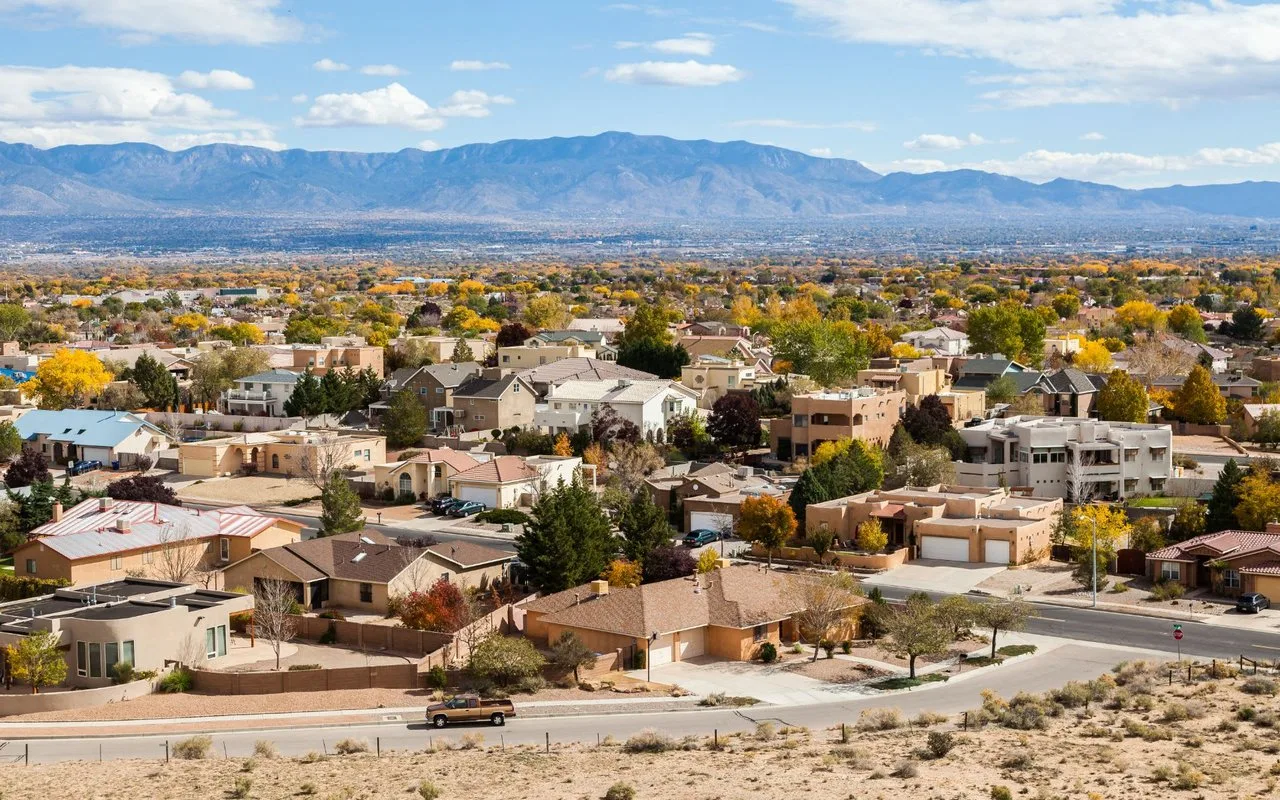
When water spreads across a floor or smoke settles into drywall, the clock starts immediately. Materials in Los Lunas homes absorb moisture fast, and the Rio Grande Valley's temperature swings can accelerate secondary damage within a day or two of the initial event.
Restoration work in Valencia County covers a connected group of services, each addressing a different stage or type of loss:
- Water Damage Restoration - extraction, structural drying, and moisture mapping after supply line breaks, roof leaks, or appliance failures
- Flooded Basement - pumping standing water from below-grade rooms, crawl spaces, and sunken living areas, then drying foundation materials
- Sewage Cleanup - removal of contaminated water from septic backups and municipal line failures, followed by antimicrobial treatment
- Fire Damage Restoration - debris removal, structural stabilization, and cleaning of surfaces affected by heat and flame
- Smoke Damage Restoration - odor neutralization, soot removal from porous materials, and HVAC decontamination
- Mold Removal - containment, affected material removal, and correcting the moisture source that allowed growth
Benefits for local property owners include reduced repair scope, preserved belongings, better documentation for insurance claims, and healthier indoor air for families and employees.
Common Damage Restoration Issues in Los Lunas, New Mexico
Los Lunas sits along the Rio Grande with irrigation ditches, acequias, and arroyos threading through neighborhoods. That geography shapes the losses restoration crews respond to most often.
Frequent Causes of Damage
- Monsoon downpours in July, August, and September that overwhelm arroyos and drainage swales
- Irrigation ditch overflow and high water table conditions near the bosque
- Frozen or burst pipes during January cold snaps, especially in uninsulated garages and exterior walls
- Evaporative cooler leaks that saturate ceilings and attic insulation through the warm season
- Septic system backups on rural lots east and west of the village
- Wildfire and grass fire smoke intrusion carried by spring winds
- Electrical and kitchen fires, plus chimney and wood stove issues during colder months
Warning Signs Worth Acting On
- Bubbling paint, discolored ceiling rings, or drywall that feels soft to the touch
- Musty odors in closets, laundry rooms, and below-grade spaces
- Efflorescence - white powdery residue - on block or concrete foundation walls
- Slow drains or gurgling fixtures that hint at a sewer or septic obstruction
- Persistent smoke odor that intensifies when the HVAC system cycles on
- Visible mold on baseboards, behind furniture, or around cooler ducts
Homes built below base flood elevation in mapped AE zones face elevated risk. FEMA estimates a 26% chance of inundation over the life of a 30-year mortgage in those areas, which makes fast response and proper documentation particularly valuable.
Neighborhoods We Serve in Los Lunas
Coverage extends across the village and into surrounding Valencia County communities:
- Huning Ranch and the Rancho Cielo area
- Downtown Los Lunas and the Main Street corridor
- Los Morros and Los Lentes
- Villages of Los Lunas and Casa Colorada Road corridor
- Rio Communities and Belen to the south
- Bosque Farms and Peralta to the north
- Meadow Lake, Tomé, and Adelino
- El Cerro Mission and El Cerro Grande
- Jarales and Veguita for rural septic and well-served properties
Response also reaches nearby Isleta, Los Chavez, and the I-25 commercial corridor where warehouses, retail spaces, and medical offices need commercial-scale drying and sewage remediation. Crews familiar with local street layouts, acequia crossings, and county permitting requirements can reach properties quickly, which matters when standing water sits against wood framing or soot continues migrating through a building.
Seasonal Damage Patterns in Los Lunas
Winter (December - February)
- Burst pipes in exterior walls, garages, and unheated crawl spaces
- Heating-related fires from space heaters, furnaces, and wood stoves
- Smoke damage from fireplace backdrafts and blocked flues
Spring (March - May)
- Wind-driven rain forced under roof edges and around window flashing
- Smoke intrusion from regional grass and wildland fires
- Evaporative cooler startup leaks as units are recommissioned
Summer Monsoon (June - September)
- Flash flooding from arroyos and overwhelmed street drainage
- Flooded basements, sunken rooms, and saturated crawl spaces
- Sewage backups when stormwater infiltrates aging lines
- Mold growth accelerating in humid, warm conditions
Fall (October - November)
- Irrigation season shutdown revealing hidden moisture problems
- Mold discovered during seasonal cleaning and storage rotation
- Early heating system fires as equipment restarts after months idle
Housing Characteristics & Restoration Considerations
Los Lunas housing spans a wide range, from mid-century adobe and pueblo-style homes near the older village core to subdivisions built during the growth waves of the 1990s through the 2010s. Manufactured and modular homes are common on rural acreage.
Construction Types and What They Mean for Restoration
- Adobe and stucco over frame - adobe wicks moisture upward and dries slowly; drying plans require extended monitoring and careful moisture readings at multiple depths
- Slab-on-grade construction - most common locally; water travels under flooring and along baseboards, often requiring flooring removal and cavity drying
- Manufactured homes - belly board insulation traps water, and FEMA P-85 guidance addresses anchoring and elevation for flood protection
- Flat and low-slope roofs - pooling water after monsoon storms leads to concealed ceiling saturation and mold behind drywall
- Vigas and latillas - exposed wood ceilings absorb smoke odor deeply and need specialized cleaning rather than surface wiping
Age-Related Factors
- Older homes may contain asbestos-containing floor tile or mastic requiring testing before demolition
- Galvanized supply lines corrode and fail without warning
- Cast iron and clay sewer laterals crack under root intrusion, causing repeated backups
- Pre-FIRM structures built below base flood elevation may trigger substantial improvement rules when repair costs reach or exceed 50% of market value
That last point matters. Property owners planning major repairs after a flood should coordinate with Valencia County floodplain administrators early, since compliance requirements can reshape the scope of reconstruction.
Environmental Conditions & Damage Implications
The high desert setting - roughly 4,800 feet elevation with low average humidity - creates conditions that both help and complicate restoration.
Climate Factors
- Dry ambient air speeds evaporation, but dense adobe and concrete still release moisture slowly
- Wide daily temperature swings cause condensation inside wall cavities and attics
- Monsoon humidity spikes create short windows where mold colonizes rapidly
- Intense UV exposure degrades roof shingles, producing cracks, granule loss, and brittleness that lead to leaks
Soil and Water Conditions
- Clay-heavy and caliche soils drain poorly, holding water against foundations after heavy rain
- Sandy river valley soils near the bosque allow rapid infiltration and elevated groundwater
- Hard water with high mineral content leaves scale that accelerates pipe and water heater failure
- Shallow water tables in low-lying areas push moisture through slabs and block walls
Air Quality Considerations
- Regional wildfire smoke settles into HVAC systems, attic insulation, and soft furnishings
- Blowing dust during spring wind events combines with soot to form stubborn residue
- Tight modern construction traps mold spores and combustion byproducts indoors
These conditions influence equipment selection, containment strategy, and the length of monitoring needed before a structure is confirmed dry.
Floodplain Rules, Insurance Documentation, and Rebuilding in Valencia County
Recovering from a flood in Los Lunas involves more than drying equipment. Properties in mapped Special Flood Hazard Areas carry regulatory obligations that affect how repairs proceed, and understanding them before demolition begins prevents costly rework.
How Substantial Damage Rules Work
- The local floodplain administrator evaluates damage against the structure's market value.
- If repair, reconstruction, or improvement costs reach or exceed 50% of that value, substantial improvement provisions apply.
- The building must then meet current floodplain management standards - typically elevation of the lowest floor and protection of utility systems.
- Documentation from the restoration contractor supports the valuation and scope determination.
Documentation That Strengthens a Claim
- Moisture readings logged daily throughout the drying process
- Photographs of affected materials before and after removal
- Category classification for water losses, particularly sewage-contaminated Category 3 events
- Air quality and mold sampling results where remediation is performed
- Detailed line-item scope matched to insurance estimating standards
Mitigation Worth Considering During Rebuild
- Elevating HVAC equipment, water heaters, and electrical panels above base flood elevation
- Installing backflow prevention valves on sewer laterals
- Using closed-cell insulation and moisture-tolerant materials in below-grade areas
- Regrading landscaping to move water away from foundations and toward drainage swales
- Anchoring manufactured homes according to FEMA P-85 recommendations
Several FEMA publications address these decisions directly, including the Homeowner's Guide to Retrofitting (P-312), Protecting Building Utility Systems From Flood Damage (P-348), and the Substantial Improvement/Substantial Damage Desk Reference (P-758). Reviewing them alongside your restoration provider and county officials helps turn a difficult loss into a property that handles the next monsoon season better than the last one.





