
Damage Restoration in Belen, NM
- Damage Restoration Services Overview
- Common Damage Restoration Issues in Belen, New Mexico
- Neighborhoods We Serve in Belen
- Seasonal Damage Patterns in Belen
- Housing Characteristics & Restoration Considerations
- Environmental Conditions & Damage Implications
- Monsoon Preparedness and Post-Storm Restoration for Valencia County Properties
Damage Restoration Services Overview
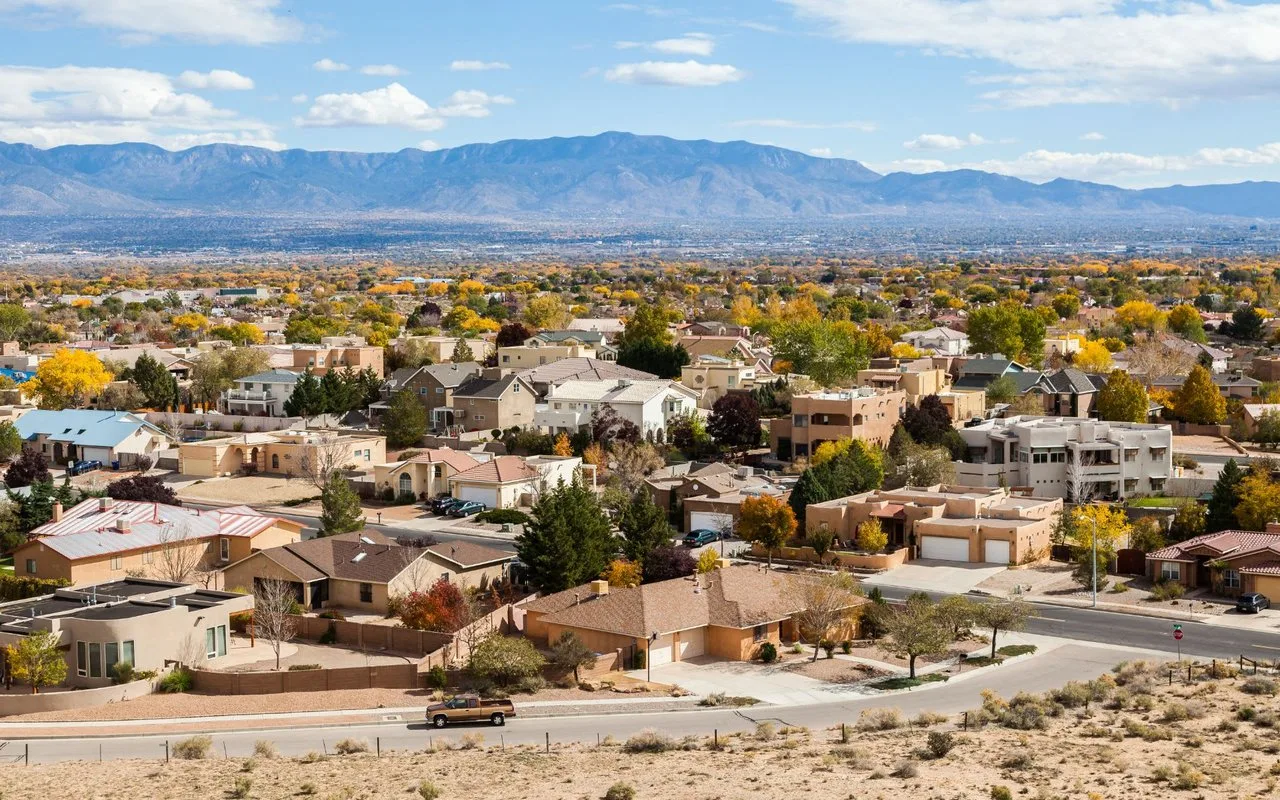
Belen sits at roughly 4,800 feet elevation in the Rio Grande Valley, yet this high desert town can receive more than half its annual rainfall in just eight to ten weeks during monsoon season. That concentrated burst of moisture, combined with clay-heavy valley soils and an aging housing stock, creates restoration challenges that surprise many property owners.
Restoration work in Valencia County covers a wide spectrum of emergencies, and each one demands a different set of tools, drying strategies, and safety protocols:
- Water Damage Restoration - extraction, structural drying, and dehumidification after pipe breaks, roof leaks, appliance failures, and irrigation overflow.
- Flooded Basement - pump-out, sump evaluation, and moisture mapping for below-grade rooms, crawl spaces, and sunken additions.
- Sewage Cleanup - contaminated water removal, antimicrobial treatment, and safe disposal of porous materials after septic or main line backups.
- Fire Damage Restoration - structural stabilization, debris removal, and rebuild of framing, drywall, and finishes.
- Smoke Damage Restoration - soot removal from every surface, HVAC decontamination, and odor neutralization deep in porous materials.
- Mold Removal - containment, HEPA filtration, affected material removal, and correction of the moisture source.
Handling these problems quickly protects framing, insulation, and indoor air quality - and keeps a small loss from becoming a full reconstruction project.
Common Damage Restoration Issues in Belen, New Mexico
The Rio Grande corridor gives Belen a distinctive damage profile. Properties near the river, the acequia network, and low-lying stretches of the valley floor face pressures that homes on higher ground never see.
Local Causes We Encounter Most
- Monsoon downpours that overwhelm flat roofs, parapet walls, and canales on adobe and pueblo-style homes.
- Sheet flow and arroyo runoff that pushes silty water toward foundations and under garage doors.
- Acequia and irrigation overflow saturating yards and seeping into crawl spaces and below-grade rooms.
- Frozen or burst supply lines during cold January snaps, especially in uninsulated exterior walls and detached utility rooms.
- Septic system backups in rural parcels outside city sewer service, creating category three sewage losses.
- Kitchen fires, wood stove flare-ups, and electrical faults in older wiring that leave soot and odor throughout a structure.
- Hard water mineral buildup that shortens the life of water heaters, valves, and supply hoses.
Warning Signs Worth Acting On
- Bubbling or chalky patches on plaster and stucco walls near the base.
- Musty odors that intensify after rain or when the swamp cooler runs.
- Dark staining around canale outlets, roof penetrations, or window headers.
- Slow drains, gurgling toilets, or sewage odor in a laundry room floor drain.
- Yellowed film on windows and lingering campfire smell weeks after a small fire.
- Warped baseboards, lifted vinyl plank seams, or springy subfloor sections.
Neighborhoods We Serve in Belen
Restoration crews respond throughout Belen proper and across the surrounding Valencia County communities, adapting equipment to each area's construction style and access conditions.
- Downtown Belen and the historic district near Becker Avenue, where older masonry and adobe buildings need gentle drying methods.
- Rio Communities and Jarales - larger lots, private wells, and septic systems.
- Bosque Farms, Peralta, and Los Chavez along the river corridor.
- Los Lunas, Tome, and Adelino with a mix of newer subdivisions and legacy farmhouses.
- Meadow Lake and El Cerro Mission on higher desert ground with runoff concerns.
- Veguita, La Joya, and rural stretches south along the interstate corridor.
Neighborhoods near the Rio Grande bosque and irrigation ditches see the highest frequency of groundwater intrusion, while properties along the rail corridor and older commercial blocks more often call for fire and smoke work.
Seasonal Damage Patterns in Belen
Knowing when specific losses peak helps property owners prepare rather than react.
- January - February: Freeze-thaw cycles crack exposed supply lines and hose bibs. Burst pipe calls and flooded basement requests spike. Heating equipment and wood stoves drive fire and smoke damage.
- March - April: Snowmelt and rising water tables push moisture into crawl spaces. Windblown dust settles into damp areas, feeding early mold growth.
- May - June: Dry, hot, and windy - the highest wildfire and structure fire risk of the year. Smoke intrusion from regional fires affects indoor air quality.
- July - September: Monsoon season. Flat roof failures, flash flooding, arroyo runoff, and sewer backups when storm volume overwhelms lines. Peak season for water damage restoration and sewage cleanup.
- October - November: Hidden monsoon moisture surfaces as visible mold. Irrigation shutdown and pipe winterization mistakes cause leaks.
- December: Holiday cooking fires, decorative lighting faults, and the first hard freezes of the season.
Housing Characteristics & Restoration Considerations
Belen's building stock spans more than a century, and construction type dictates nearly every restoration decision made on site.
Common Construction Types
- Traditional adobe and terrone - earthen walls absorb water readily and can lose structural strength if dried too aggressively or too slowly.
- Mid-century frame homes with stucco - trapped moisture behind stucco and building paper hides damage from view for weeks.
- Manufactured and modular homes - common on rural parcels; belly wrap holds water against floor decking and requires opening for proper drying.
- Newer stucco tract construction in the subdivisions south and east of town, typically slab-on-grade.
- Historic commercial masonry downtown with lath-and-plaster interiors and original wood framing.
How Construction Affects the Work
- Full basements are uncommon here, so flooded basement calls usually involve partial basements, sunken dens, crawl spaces, or below-grade storage - all of which need moisture mapping rather than surface inspection alone.
- Flat and low-slope roofs with canales concentrate water at a handful of drainage points, so leaks appear in predictable interior locations.
- Plaster over adobe cannot be treated like modern drywall; controlled drying preserves original material where possible.
- Cellulose and vermiculite insulation in older attics holds smoke odor and moisture and often needs removal.
- Ductwork in older homes carries soot and mold spores far from the source, making HVAC cleaning part of most fire, smoke, and mold projects.
Environmental Conditions & Damage Implications
Belen's arid climate misleads people into assuming mold is not a local concern. Interior conditions after a loss tell a very different story.
Climate and Air
- Low ambient humidity speeds evaporation, which helps drying - but only when air movement reaches wall cavities and subfloors.
- Summer temperatures above 95 degrees combined with trapped moisture create ideal mold conditions inside walls, even when the room feels dry.
- Evaporative coolers add substantial indoor humidity from May through September, slowing drying and feeding mold growth in attics and closets.
- Blowing dust and regional wildfire smoke load HVAC filters and complicate post-fire air scrubbing.
Soil, Water, and Terrain
- Rio Grande valley soils are clay- and silt-heavy, draining slowly and holding water against foundations after storms.
- A shallow water table in bosque-adjacent areas pushes moisture up through slabs and crawl space floors.
- Sandy upland soils shed runoff quickly, sending fast-moving water toward downhill structures.
- Hard, mineral-rich water shortens the life of water heaters, supply lines, and appliance hoses - a leading cause of sudden interior flooding.
- Floodwater arriving from fields and acequias carries silt, fertilizer, and animal waste, elevating contamination levels and often reclassifying the loss for cleanup purposes.
These conditions shape equipment placement, dehumidifier selection, and containment strategy on every job.
Monsoon Preparedness and Post-Storm Restoration for Valencia County Properties
Monsoon season delivers the heaviest concentration of restoration emergencies in Belen, and the damage is rarely limited to what shows on the surface. A single afternoon storm can back up a sewer line, saturate a crawl space, and soak attic insulation through a roof penetration - three separate problems in one event.
Before the Storms Arrive
- Inspect flat roofs, parapets, and canales for cracked sealant, ponding areas, and blocked outlets.
- Clear gutters, downspout extensions, and site drainage so water discharges well away from the foundation.
- Regrade low spots where soil has settled against stucco or adobe walls.
- Test sump pumps, backwater valves, and crawl space vents.
- Move stored belongings off garage and crawl space floors onto shelving.
- Photograph the property's condition for your own records.
What Thorough Post-Storm Restoration Looks Like
- Full moisture mapping using meters and thermal imaging - not just visible wet spots. Water travels along framing and under flooring far beyond the stain line.
- Contamination classification before anyone touches materials, since acequia overflow and sewer backups require different handling than clean supply line water.
- Cavity drying with injection systems for stucco walls and closed assemblies where surface air movement cannot reach.
- Daily monitoring and documented readings so drying continues until materials hit target moisture content, not until the room looks dry.
- Mold prevention treatment applied to framing and subfloor during the drying phase rather than after growth appears.
- HVAC and duct inspection to stop spores, soot, or sewage aerosols from recirculating.
- Reconstruction that matches original materials - lime plaster, traditional stucco textures, and period trim on historic Belen properties.
That level of detail is what separates a property that stays dry from one that develops recurring odor, staining, and mold months later.





