
Damage Restoration in Breaux Bridge, LA
- Damage Restoration Services Overview
- Common Damage Restoration Issues in Breaux Bridge, Louisiana
- Neighborhoods We Serve in Breaux Bridge
- Seasonal Damage Patterns in Breaux Bridge
- Housing Characteristics & Restoration Considerations
- Environmental Conditions & Damage Implications
- Storm Season Readiness and the IICRC Standards Behind Every Job
Damage Restoration Services Overview
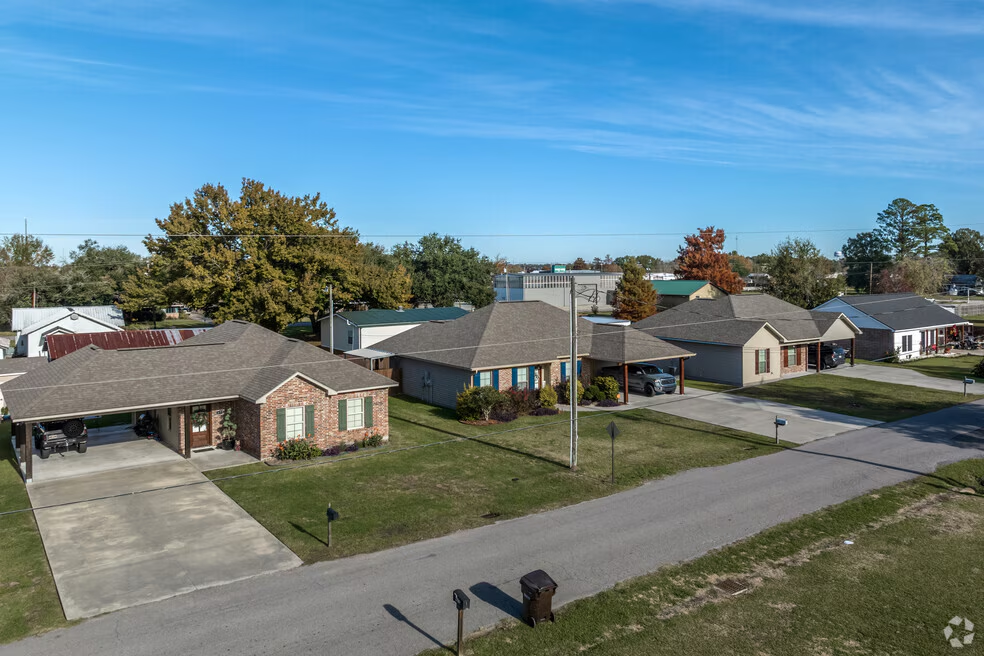
Breaux Bridge sits along the Bayou Teche in the heart of St. Martin Parish, where high humidity, a shallow water table, and heavy Gulf rainfall shape almost every restoration project. Homes here dry slower, hold moisture longer, and grow mold faster than properties in drier climates.
Local property owners rely on a full range of mitigation and rebuild services delivered around the clock:
- Water Damage Restoration - extraction, structural drying, and moisture mapping after pipe breaks, appliance failures, and storm intrusion
- Flooded Basement - pump-outs and drying for below-grade areas, crawl spaces, and sunken slab additions common along the bayou
- Sewage Cleanup - containment, removal, and antimicrobial treatment for backups from overwhelmed lines and septic systems
- Fire Damage Restoration - board-up, debris removal, soot cleaning, and structural rebuild
- Smoke Damage Restoration - odor neutralization, HVAC cleaning, and content restoration
- Mold Removal - containment barriers, HEPA filtration, and remediation of hidden growth
Benefits for Breaux Bridge residents include faster arrival times from Lafayette-area crews, IICRC-certified technicians (WRT, ASD, AMRT, OCT, FRST), documentation that supports insurance claims, and 24/7 emergency availability when a slab leak or storm surge strikes overnight.
Common Damage Restoration Issues in Breaux Bridge, Louisiana
The combination of subtropical humidity, flat terrain, and aging drainage infrastructure creates predictable failure points across the parish.
Frequent Causes of Loss
- Torrential rainfall and tropical systems pushing water across low-lying yards and into slab-on-grade homes
- Bayou Teche backwater and poor sheet-flow drainage during multi-day rain events
- Sewer line surcharges and septic saturation when the ground is already waterlogged
- Slab leaks and corroded supply lines in mid-century homes
- Kitchen grease fires, electrical faults, and lightning strikes during summer storms
- HVAC condensate overflows and clogged drain pans running nearly year-round
Warning Signs to Watch For
- Musty odors in closets, under sinks, or near exterior walls
- Buckling wood floors, cupped planks, or lifting vinyl at seams
- Discolored baseboards, softened drywall, or peeling paint near the floor line
- Persistent condensation on windows and interior surfaces
- Gurgling drains or slow toilets that signal a developing sewage backup
- Lingering smoke odor that returns when the air conditioning cycles on
Early detection matters here more than most places. With average relative humidity staying high through much of the year, microbial growth can begin within roughly a day or two of unaddressed moisture, turning a small water loss into a mold remediation project.
Neighborhoods We Serve in Breaux Bridge
Crews respond throughout Breaux Bridge and the surrounding St. Martin Parish communities, including:
- Historic downtown Breaux Bridge and the Bridge Street district
- Residential streets off Rees Street, Berard Street, and Latiolais Drive
- Subdivisions along Grand Point Highway and Champagne Road
- Properties near the I-10 corridor and Louisiana Highway 328
- Cecilia, Henderson, Parks, Catahoula, and Arnaudville
- Butte La Rose and camps near the Atchafalaya Basin levee
- Nearby St. Martinville, Ruth, and eastern Lafayette Parish neighborhoods
Coverage extends to single-family homes, rental properties, restaurants along the crawfish trail, churches, schools, and commercial buildings. Familiarity with parish permitting, local plumbing contractors, and area adjusters helps keep water damage, fire damage, and mold removal projects moving without unnecessary delays.
Seasonal Damage Patterns in Breaux Bridge
Winter (December - February)
- Occasional hard freezes burst uninsulated pipes and outdoor spigots
- Space heater and fireplace use raises fire and smoke damage calls
- Closed-up houses trap moisture, feeding hidden mold growth
Spring (March - May)
- Heavy frontal rain events cause yard flooding and below-grade water intrusion
- Rising humidity reactivates dormant mold in attics and crawl spaces
- Saturated soil contributes to sewer and septic backups
Summer (June - August)
- Peak hurricane and tropical storm season brings wind-driven rain and roof leaks
- Air conditioning condensate lines clog and overflow into ceilings and walls
- Lightning strikes trigger structure fires and electrical damage
Fall (September - November)
- Late-season storms remain a flooding risk through October
- Post-storm mold remediation demand peaks as delayed drying catches up
- Cooler evenings restart heating equipment, raising smoke odor complaints
Housing Characteristics & Restoration Considerations
Breaux Bridge housing stock blends historic Acadian cottages, post-war frame homes, brick ranches from the 1960s through 1980s, and newer slab-built subdivisions. Each construction style responds differently to water, fire, and microbial damage.
Common Construction Types
- Raised Acadian and pier-and-beam homes - ventilated crawl spaces that trap humid air and support subfloor mold
- Slab-on-grade brick ranches - vulnerable to slab leaks and capillary moisture wicking into bottom plates
- Older wood-frame cottages - shiplap sheathing, knob-and-tube remnants, and possible asbestos or lead materials
- Newer builds - tighter envelopes and engineered flooring that require careful drying to avoid delamination
- Mobile and manufactured homes - belly wrap that holds water and demands specialized extraction
How This Shapes Restoration Work
- Moisture mapping with thermal imaging and penetrating meters before any demolition
- Selective removal of saturated insulation, cabinetry toe kicks, and wall cavities rather than blanket tear-out
- Negative-pressure containment when older finishes may contain hazardous materials
- Cavity drying systems for brick veneer walls and closed crawl spaces
- Soot and odor treatment matched to the substrate - plaster, hardwood, and painted cypress each respond differently
Full basements are uncommon locally, so flooded basement service often means below-grade utility rooms, sunken dens, garages, and crawl spaces that require pumping and dehumidification.
Environmental Conditions & Damage Implications
Environmental conditions in St. Martin Parish drive the technical approach on nearly every job.
Climate
- Humid subtropical climate with mild winters and long, hot summers
- Annual rainfall well above the national average, often in intense bursts
- Dew points frequently high enough that outside air cannot be used for drying
Soil and Groundwater
- Heavy clay and alluvial soils that drain slowly and hold water against foundations
- Shallow water table near the bayou and Atchafalaya Basin
- Clay expansion and contraction that stresses slabs and plumbing connections
Air Quality and Indoor Effects
- Elevated outdoor pollen and mold spore counts through much of the year
- Agricultural burning and seasonal field activity that can add particulate load
- Tight, over-cooled homes producing condensation on ducts and registers
Restoration Implications
- Closed drying systems with low-grain refrigerant and desiccant dehumidifiers instead of open-window drying
- Extended monitoring periods to confirm materials reach dry standard
- Antimicrobial application after Category 2 and Category 3 water losses, including sewage events
- HEPA air scrubbing during mold removal and after fire and smoke damage
- Flood water treated as contaminated when it contacts soil, septic systems, or bayou overflow
Storm Season Readiness and the IICRC Standards Behind Every Job
Living between Bayou Teche and the Atchafalaya Basin means storm preparation is part of routine property maintenance. When a tropical system moves through Acadiana, restoration demand spikes parish-wide - and the properties that recover fastest are the ones that acted first.
Steps to Take Before Storm Season
- Clear gutters, downspouts, and yard drains so water moves away from the foundation
- Service the HVAC system and flush the condensate line to prevent overflow leaks
- Install or test a sump pump and backwater valve if the property sits low
- Photograph rooms, contents, and serial numbers for insurance documentation
- Store a shutoff wrench and know where the main water valve is located
- Elevate stored items in garages, crawl spaces, and utility rooms
What Happens After You Call
- Emergency response and initial hazard assessment, including electrical and contamination risks
- Water extraction, board-up, or tarping to stop ongoing damage
- Moisture mapping and controlled demolition of unsalvageable materials
- Placement of air movers and dehumidifiers with daily readings logged
- Antimicrobial or soot-specific cleaning based on the loss category
- Odor control, clearance verification, and reconstruction
Certifications That Guide the Work
- WRT - Water Damage Restoration Technician
- ASD - Applied Structural Drying
- AMRT - Applied Microbial Remediation Technician
- OCT - Odor Control Technician
- FSRT - Fire and Smoke Restoration Technician
Licensed Louisiana general contracting credentials allow the same team to handle mitigation and rebuild, so drywall, flooring, and trim replacement follow immediately after drying and clearance testing are complete.





