
Damage Restoration in St. Rose, LA
- Damage Restoration Services Overview
- Common Damage Restoration Issues in St. Rose, Louisiana
- Neighborhoods We Serve in St. Rose
- Seasonal Damage Patterns in St. Rose
- Housing Characteristics & Restoration Considerations
- Environmental Conditions & Damage Implications
- Storm Season Readiness for St. Rose Homes and Businesses
Damage Restoration Services Overview
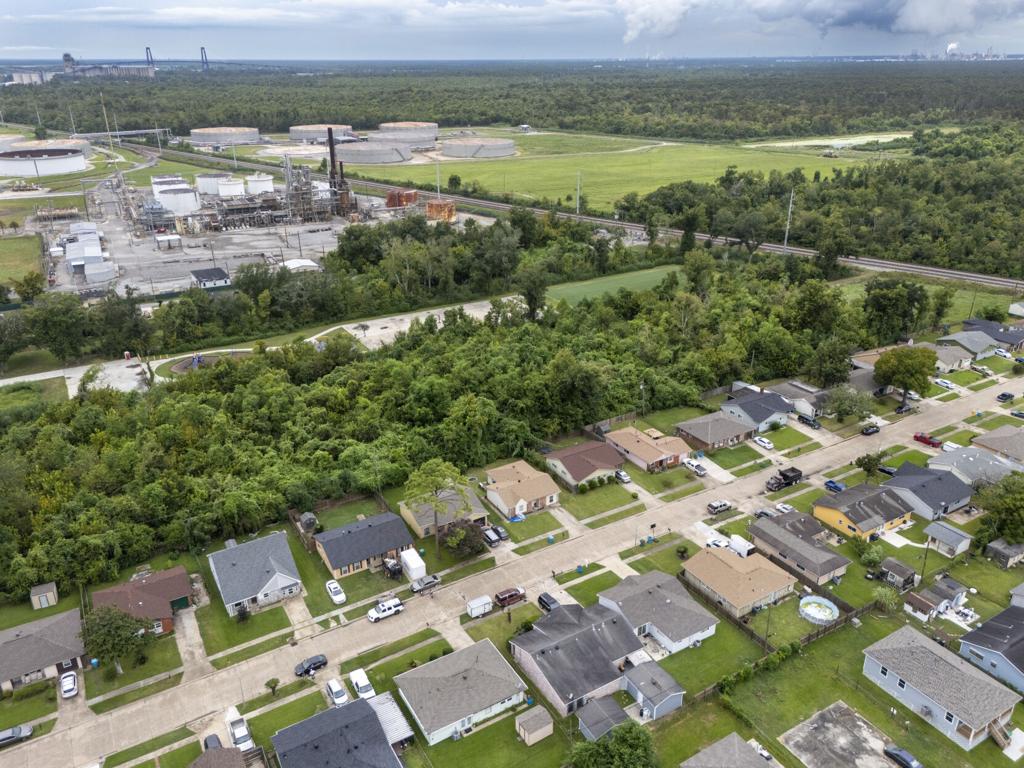
Water spreads through drywall, subflooring, and insulation within minutes, and mold colonies can take hold in a day or two under Louisiana humidity. In St. Rose, where homes sit between the Mississippi River levee and low-lying wetlands, the window for limiting damage is short - which is why round-the-clock response matters more here than in drier parts of the country.
Restoration teams serving St. Rose handle the full range of property emergencies:
- Water Damage Restoration - extraction, structural drying, moisture mapping, and monitoring until materials return to normal readings
- Flooded Basement and sub-grade space recovery - pump-out, sanitizing, and dehumidification for below-grade storage rooms, crawlspaces, and pier-and-beam undersides
- Sewage Cleanup - Category 3 contamination removal, disposal of porous materials, and antimicrobial treatment
- Fire Damage Restoration - debris removal, structural stabilization, content pack-out, and rebuild coordination
- Smoke Damage Restoration - soot removal from surfaces and HVAC systems, plus odor neutralization
- Mold Removal - containment, HEPA filtration, affected material removal, and moisture-source correction
The benefit to St. Rose property owners is straightforward: faster stabilization, fewer materials lost, less disruption to daily life, and cleaner documentation for insurance carriers reviewing the claim.
Common Damage Restoration Issues in St. Rose, Louisiana
St. Rose sits in St. Charles Parish on a narrow strip of land bordered by the Mississippi River and marshland, with a water table that stays close to the surface year-round. That geography drives most of the damage calls in the area.
Local Causes of Property Damage
- Tropical storms and hurricanes pushing heavy rainfall past roof flashing, soffits, and window seals
- Street and yard flooding when drainage canals and pump stations reach capacity during sustained rain
- Sewer line backups caused by root intrusion, grease buildup, or system surcharge during storm events
- Slab leaks and failed supply lines in homes with aging copper or polybutylene plumbing
- Air conditioning condensate overflow - a year-round source of hidden ceiling and wall moisture
- Electrical fires from storm-damaged wiring, older panels, and generator misuse after outages
- Kitchen grease fires that leave smoke and soot residue throughout ductwork and adjoining rooms
Warning Signs Worth Acting On
- Musty odors near closets, baseboards, or under kitchen and bathroom cabinets
- Buckled laminate, cupping hardwood, or vinyl plank lifting at the seams
- Discolored ceiling rings beneath second-floor bathrooms or attic air handlers
- Gurgling drains or slow toilets - often the first hint of a sewage backup building in the line
- Peeling paint, chalky wall surfaces, or condensation forming on interior walls
- Lingering campfire or acrid smell weeks after a small fire, indicating soot trapped in porous surfaces
Because humidity in this parish rarely drops low enough for materials to dry passively, small leaks that would self-correct elsewhere tend to become mold problems here.
Neighborhoods We Serve in St. Rose
Response covers the full St. Rose footprint along with the surrounding River Parishes communities:
- River Road corridor and the industrial and warehouse district near 10600 River Road
- Almedia Road neighborhoods and adjacent residential subdivisions
- Good Hope, Montz, and New Sarpy
- Destrehan and Norco to the west
- Kenner, Metairie, and the Louis Armstrong International Airport area to the east
- Luling, Boutte, Hahnville, and Ama across the river
- LaPlace, Reserve, and Garyville along the I-10 and Airline Highway routes
Crews familiar with these areas know which streets hold water after a hard rain, which subdivisions share aging sewer laterals, and how levee-adjacent lots behave when the river runs high. That local awareness shortens the time between the first call and the first piece of extraction equipment running.
Seasonal Damage Patterns in St. Rose
Spring (March - May)
- Frontal storm systems bring wind-driven rain and roof intrusion
- Rising humidity restarts dormant mold growth in attics and crawlspaces
- Spring river stages raise groundwater under slabs and below-grade spaces
Summer (June - August)
- Peak season for flooded basements, storage rooms, and garages during afternoon downpours
- AC condensate line clogs cause ceiling and wall water damage
- Heavy rain overwhelms sewer systems, triggering backups into tubs and floor drains
Hurricane Season Peak (August - October)
- Highest volume of storm flooding, roof loss, and large-loss commercial water damage
- Extended power outages lead to generator-related fire and smoke damage
- Standing water plus heat produces rapid mold colonization within days
Winter (November - February)
- Occasional hard freezes burst exposed pipes, hose bibs, and unprotected attic lines
- Space heaters, fireplaces, and holiday cooking raise fire and smoke damage calls
- Sealed-up homes with reduced ventilation trap moisture, feeding hidden mold
Housing Characteristics & Restoration Considerations
Housing stock in St. Rose is a mix of mid-century River Road cottages, 1970s and 1980s brick ranch homes, newer slab subdivisions, and manufactured homes on raised piers - alongside a substantial base of industrial and commercial buildings tied to the river and airport economy.
How Construction Style Shapes the Work
- Slab-on-grade homes: water travels laterally under flooring and wicks up drywall; drying often requires floor-covering removal and wall cavity injection systems
- Pier-and-beam and raised homes: the underside collects moisture and debris, making crawlspace mold removal and subfloor drying a routine part of the job
- Below-grade storage rooms and sunken garages: rare in this parish but present in older properties, and they require pumping plus extended dehumidification because groundwater keeps pressing in
- Brick veneer with wood framing: hides moisture behind the veneer, so thermal imaging and probe readings guide the scope
- Homes built before the late 1980s: may contain asbestos-bearing flooring or textured ceilings and lead paint, which changes how fire- and water-damaged materials get removed
- Plaster and older wallboard: absorbs smoke odor deeply, often calling for sealing after cleaning rather than surface washing alone
Post-Katrina renovations added complexity too. Many St. Rose homes have layered flooring, retrofitted insulation, and mixed-era plumbing, so a leak discovered in one room may have traveled through three different building assemblies before anyone noticed a stain.
Environmental Conditions & Damage Implications
St. Rose sits in a humid subtropical zone with average relative humidity that stays high most of the year and annual rainfall well above the national average. The environment itself works against drying.
Climate and Air
- Warm, moisture-saturated air limits natural evaporation - equipment-driven drying is the only reliable path
- Long warm seasons keep mold spores viable nearly year-round
- Industrial corridor activity and river traffic add particulate load, which combines with soot after a fire and makes HVAC cleaning a standard step
Water and Soil
- Shallow water table means saturated soil pushes hydrostatic pressure against foundations and below-grade walls
- Alluvial clay soils hold water and shift with wet-dry cycles, creating slab cracks and separations that let water enter
- Drainage depends on pumps and canals rather than gravity, so heavy rain events can back up quickly
- Floodwater in this area frequently mixes with sewer overflow, meaning many "water" losses are handled as contaminated Category 3 events
What That Means for Restoration Scope
- Moisture readings are compared against local baselines, not generic national targets
- Dehumidification runs longer here than in drier climates before materials reach dry standard
- Antimicrobial application is common practice given flood and sewer overlap
- Post-remediation verification confirms mold work held before rebuild begins
Storm Season Readiness for St. Rose Homes and Businesses
Living between the Mississippi River levee and the lake side wetlands means storm preparation is part of property ownership in St. Charles Parish. The properties that recover fastest are usually the ones that did a few things before the water arrived.
Before the Storm
- Photograph every room, including inside closets and cabinets, and store the images off-site or in cloud storage
- Locate and label the main water shutoff, gas shutoff, and electrical panel so anyone in the household can find them
- Clear gutters, downspouts, and yard drains, and check that the sewer cleanout cap is intact
- Move documents, electronics, and irreplaceable items off floor level and out of low storage rooms
- Review the policy - flood coverage is separate from standard homeowners coverage, and sewer backup endorsements are often optional
- Service the generator and confirm it can be operated well away from doors and windows
After Water Enters
- Treat any flood or backup water as contaminated - avoid contact and keep children and pets out of affected rooms
- Do not run the HVAC system if water reached the ductwork or air handler, since that spreads contamination and spores
- Skip household bleach on porous materials; it masks odor without addressing growth inside the material
- Call for extraction before removing anything, so documentation reflects the true pre-mitigation condition
Why One Team Through Rebuild Helps
- Mitigation notes, moisture logs, and photos carry straight into the reconstruction scope without translation gaps
- Fewer handoffs between vendors means less downtime for businesses along the River Road corridor
- A single point of contact simplifies adjuster communication and change orders
- Hidden issues found during demolition - old fire damage, soot in wall cavities, mold behind cabinets - get addressed before new finishes go in
Storm recovery in St. Rose is rarely a single-service job. Wind opens the roof, rain saturates the interior, power loss stalls the air conditioning, and mold follows. Planning for that chain of events, rather than one link in it, is what keeps a property owner ahead of the damage.





