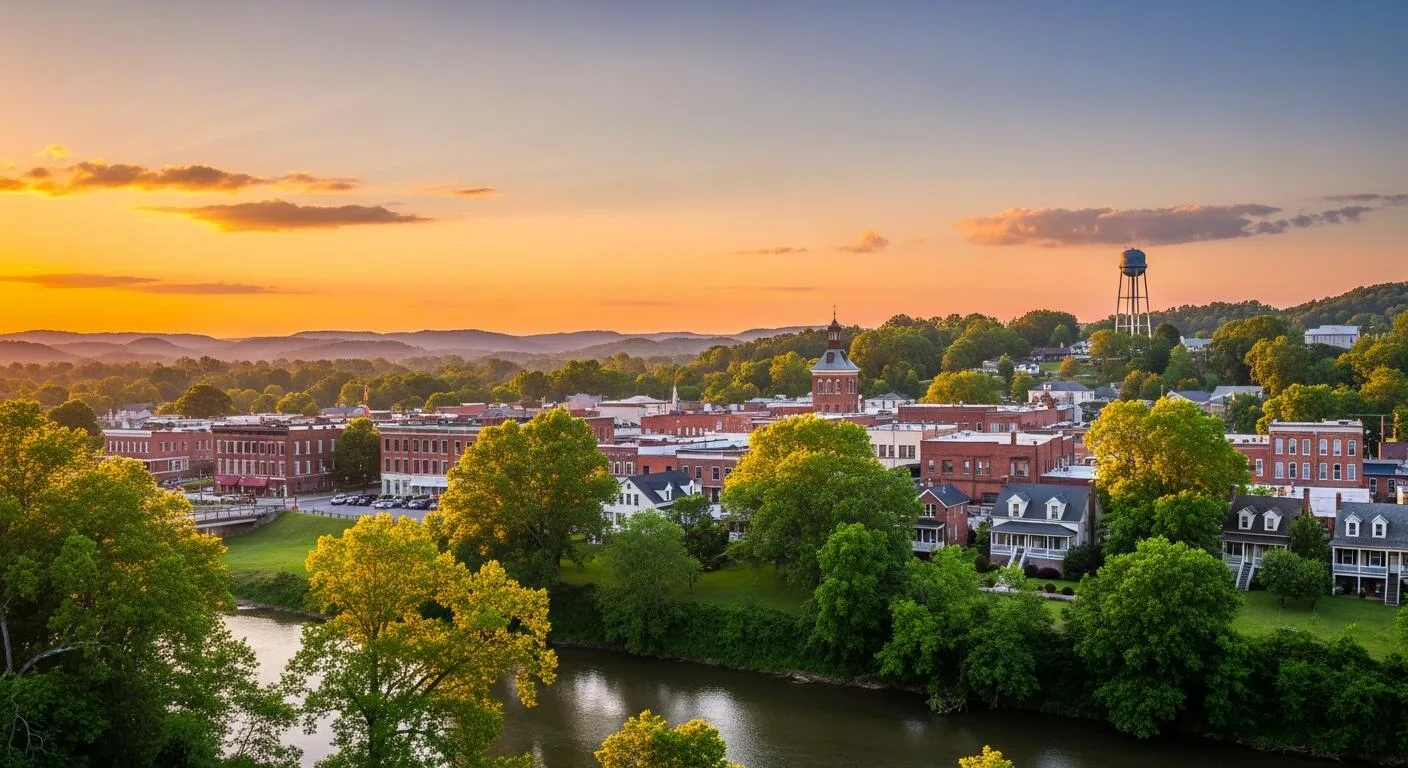
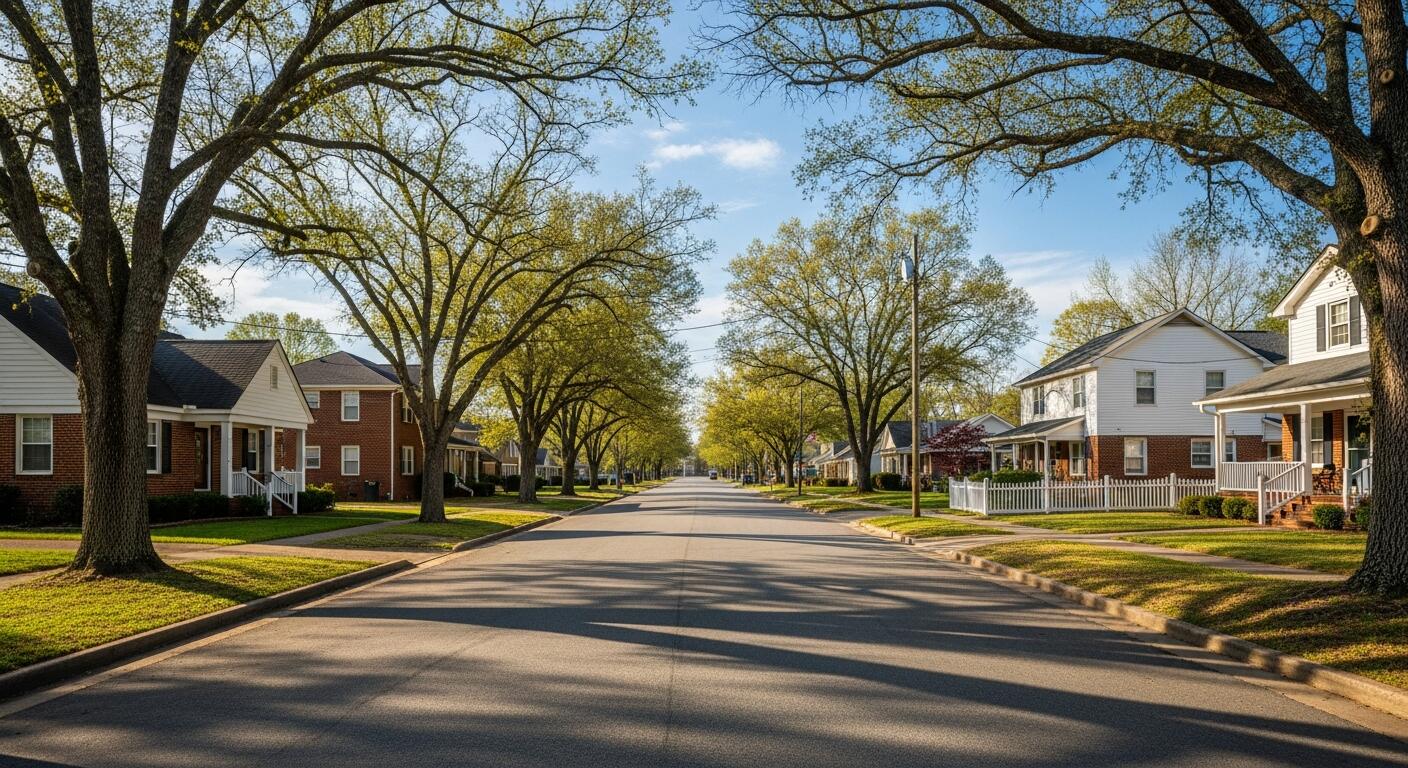
Damage Restoration in Polk County, GA
- Damage Restoration Services Overview
- Common Damage Restoration Issues in Polk County, Georgia
- Neighborhoods We Serve in Polk County
- Seasonal Damage Patterns in Polk County
- Housing Characteristics & Restoration Considerations
- Environmental Conditions & Damage Implications
- Storm Response and Insurance Documentation in Polk County
Damage Restoration Services Overview
You come home to Rockmart after a long day, open the basement door, and hear water running where no water should be. A supply line let go hours ago, and now two inches of water sits across the slab, soaking into drywall and boxes of family photos. That moment of panic is familiar to a lot of Polk County homeowners - and it's exactly why fast, certified restoration matters.
Restoration work covers far more than pumping out water. Full-service response in Polk County includes:
- Water damage restoration - extraction, structural drying, moisture mapping, and monitoring until materials return to normal levels
- Flooded basement cleanup - pump-outs, content removal, sanitizing, and dehumidification of below-grade spaces
- Sewage cleanup - containment and disinfection of Category 3 contaminated water from backups and septic failures
- Fire damage restoration - board-up, debris removal, structural cleaning, and rebuild coordination
- Smoke damage restoration - soot removal from surfaces and HVAC systems plus odor neutralization
- Mold removal - containment, HEPA filtration, affected material removal, and moisture source correction
Snider Restoration Services and other IICRC-certified crews serving Polk County respond around the clock, because the difference between a dried-out room and a gutted one often comes down to how quickly someone arrives with the right equipment.
Common Damage Restoration Issues in Polk County, Georgia
Polk County sits in northwest Georgia where ridge-and-valley terrain funnels stormwater fast. When heavy rain hits, runoff moves downhill in a hurry - the same storms that washed out part of Springdale Road and damaged Railroad Bed Road push water into crawl spaces, garages, and finished basements.
Frequent Causes of Damage Locally
- Intense spring and summer thunderstorms overwhelming gutters, downspouts, and yard drainage
- Clay-heavy soil that holds water against foundation walls instead of letting it drain away
- Aging cast iron and clay sewer laterals in older Cedartown and Rockmart neighborhoods that crack or clog
- Septic system saturation in rural areas around Aragon, Esom Hill, and Fish Creek after prolonged rain
- Winter pipe freezes in unheated crawl spaces and garage walls during cold snaps
- Space heaters, fireplaces, and older wiring contributing to house fires in the coldest months
- Lightning strikes and grease fires that leave widespread smoke and soot residue
Warning Signs Worth Acting On
- Musty odor in a basement or closet that returns after airing out the space
- Cupping hardwood, bubbling paint, or a soft spot in baseboard trim
- Efflorescence - white chalky staining - on block foundation walls
- Slow floor drains, gurgling toilets, or sewage odor near cleanouts
- Dark speckling on drywall behind furniture or along exterior wall bases
- Lingering smoke smell weeks after a small kitchen fire, especially when the HVAC runs
Catching any of these early usually means drying and cleaning instead of demolition and rebuild.
Neighborhoods We Serve in Polk County
Crews cover the full county and nearby communities, with response available day and night:
- Rockmart - downtown, Silver Comet corridor properties, and homes near Euharlee Creek
- Cedartown - historic districts, North Main Street area, and newer subdivisions on the outskirts
- Aragon - older mill-era housing and surrounding rural parcels
- Esom Hill and Fish Creek - rural properties on septic and well systems
- Lake Creek, Grady, and Youngs Mill - unincorporated communities across the county
- Braswell, Taylorsville, and Van Wert - properties along the Paulding and Bartow county lines
Coverage extends into neighboring Haralson, Floyd, Bartow, and Paulding counties, so a single storm system affecting the whole region doesn't leave Polk County homeowners waiting. Rural addresses on gravel roads and long driveways are served with truck-mounted extraction and portable equipment when access is tight.
Seasonal Damage Patterns in Polk County
Winter (December - February)
- Frozen and burst pipes in crawl spaces, exterior walls, and unheated laundry rooms
- Peak season for fire damage restoration tied to heating equipment and fireplaces
- Smoke damage calls from wood stoves, flue blockages, and puffbacks from furnaces
Spring (March - May)
- Heaviest rainfall period - flooded basements and crawl space standing water
- Storm-driven roof damage leading to ceiling and attic water intrusion
- Sewage backups when saturated ground overloads septic drain fields
Summer (June - August)
- Mold growth accelerates in high humidity - the top season for mold removal
- HVAC condensate line clogs causing hidden water damage near air handlers
- Sudden downpours overwhelming gutters and window wells
Fall (September - November)
- Tropical remnants pushing inland with sustained rain and localized flooding
- Clogged gutters from leaf fall sending water down foundation walls
- First furnace runs revealing dust burn-off and smoke odor issues
Housing Characteristics & Restoration Considerations
Polk County housing spans well over a century of building practices, and each era brings its own restoration challenges.
Older Homes (Pre-1960)
- Mill houses and farmhouses in Rockmart, Cedartown, and Aragon often sit on pier-and-beam foundations with vented crawl spaces that trap humidity
- Plaster and lath walls hold moisture longer than drywall and require careful drying rather than quick replacement
- Original hardwood floors may be salvageable with specialty drying mats if addressed within the first day or two
- Knob-and-tube or early wiring raises fire risk and complicates post-fire rebuild
- Lead paint and asbestos-containing materials call for testing before demolition on fire and mold jobs
Mid-Century to 1990s Homes
- Block basements and split-levels with finished lower levels - prime candidates for flooded basement work
- Cast iron or clay sewer laterals nearing the end of service life, driving sewage cleanup calls
- Fiberglass batt insulation in crawl spaces that soaks up water and must be removed
Newer Construction (2000s Onward)
- Tighter building envelopes trap moisture, so small leaks turn into mold problems faster
- Engineered flooring and MDF trim swell permanently once wet and usually need replacement
- Multi-zone HVAC systems spread smoke and soot throughout the house quickly during a fire
Restoration plans are built around what a home is actually made of, not a one-size-fits-all drying schedule.
Environmental Conditions & Damage Implications
Northwest Georgia's climate and geology shape how damage develops in Polk County - and how it has to be treated.
Climate and Humidity
- Annual rainfall well above the national average, concentrated in spring and late fall
- Summer humidity regularly above 70 percent, which slows natural drying and feeds mold within 24 to 48 hours of a leak
- Mild winters punctuated by hard freezes - the freeze-thaw pattern stresses pipes and foundation joints
Soil and Groundwater
- Red clay soil expands when saturated, pressing against basement walls and forcing water through cracks and cove joints
- Limestone and karst features in parts of the county create unpredictable groundwater movement and occasional sinkhole-related seepage
- Shallow water tables in valley areas near Euharlee and Cedar Creek keep crawl spaces damp much of the year
Water Quality and Air
- Rural well systems mean sewage backups can affect drinking water sources, raising the bar on disinfection and clearance testing
- Pollen-heavy spring air combines with post-fire soot to aggravate asthma and allergies, making HEPA filtration and duct cleaning part of thorough smoke remediation
- Wood smoke from rural burning can mask early signs of a smoldering structural fire, so odor complaints deserve investigation
These conditions are why moisture readings, containment, and post-remediation verification matter more here than in drier regions.
Storm Response and Insurance Documentation in Polk County
When a storm system moves through northwest Georgia and takes out roads like Springdale and Railroad Bed, restoration companies field dozens of calls at once. Homeowners who know the process get help faster and see smoother claims.
What to Do in the First Hour
- Shut off the water at the main valve or kill power to the affected area if it's safe to reach the panel
- Leave the building entirely if sewage is present or if you smell gas after a fire
- Photograph and video everything before moving items - wide shots plus close-ups of damaged materials
- Call a certified restoration team so extraction equipment is scheduled and en route
- Contact your insurance carrier to open a claim and get an adjuster assigned
- Move undamaged belongings to a dry area and keep receipts for anything you buy during the emergency
How Documentation Protects You
- Daily moisture logs from each drying day show the adjuster that work was necessary and properly monitored
- Thermal imaging and moisture meter readings prove hidden water behind walls that photos alone can't capture
- Air sampling before and after mold removal documents that the space was actually cleared
- Itemized contents inventories after fire and smoke damage support personal property claims
- Written scope of work reduces disputes over what gets repaired versus replaced
IICRC-certified crews follow industry standards that carriers recognize, which keeps claims moving instead of stalling. Snider Restoration Services and other local providers work directly with adjusters, handle the paperwork side, and keep homeowners informed about what's drying, what's coming out, and what comes next. Around-the-clock availability at (770) 505-0555 or (844) 725-6298 means a Saturday night basement flood in Rockmart doesn't wait until Monday morning to get attention.