Damage Restoration in Peach County, GA
- Damage Restoration Services Overview
- Common Damage Restoration Issues in Peach County, Georgia
- Neighborhoods We Serve in Peach County
- Seasonal Damage Patterns in Peach County
- Seasonal Damage Patterns in Peach County
- Housing Characteristics & Restoration Considerations
- Environmental Conditions & Damage Implications
- Category 3 Water and Sewage Cleanup Standards for Peach County Properties
Damage Restoration Services Overview
Water sitting in a Peach County home for 48 hours does more than ruin carpet. It saturates subfloor, wicks up drywall, feeds mold colonies inside wall cavities, and can quietly compromise framing and insulation for years after the visible mess is gone.
Smoke behaves the same way. Acidic soot residue continues etching glass, metal, and finishes long after a fire is out, and odor molecules embed in porous materials until they are properly treated.
First Response provides full-service restoration to homeowners and business owners across Byron, Fort Valley, Warner Robins, and greater Peach County:
- Water Damage Restoration - extraction, structural drying of walls and flooring, moisture mapping, and documentation for insurance
- Flooded Basement Cleanup - pump-out, below-grade dehumidification, and content triage
- Sewage Cleanup - Category 3 removal, disinfection, and safe disposal of contaminated materials
- Fire Damage Restoration - board-up, debris removal, structural cleaning, and rebuild coordination
- Smoke Damage Restoration - soot removal, HVAC decontamination, thermal fogging, and odor neutralization
- Mold Removal - inspection, containment, HEPA filtration, and moisture source correction
Acting quickly protects property value, indoor air quality, and your insurance claim. Call 877-652-4621 or (478) 800-2750 for emergency response and free assessments.
Common Damage Restoration Issues in Peach County, Georgia
Central Georgia's humid subtropical climate keeps moisture pressure on buildings nearly year-round. Add severe storm activity - residents still remember the tornado spawned by Hurricane Katrina that split Robins Financial Credit Union in half two decades ago - and the range of losses is wide.
Most frequent causes we respond to
- Burst supply lines and frozen pipe ruptures during January and February cold snaps
- Storm and weather-driven water intrusion from wind-driven rain and roof damage
- HVAC condensate overflows in attics and closets during long cooling seasons
- Sewer backups and septic-related water damage in rural Peach County properties
- Roof leaks producing stained, sagging ceilings
- Appliance failures - water heaters, washing machine hoses, dishwashers, refrigerator lines
- Kitchen grease fires, electrical faults, and space heater ignitions
Warning signs that need attention
- Musty or earthy smell in a crawlspace, closet, or basement
- Buckling laminate, cupping hardwood, or tile that suddenly sounds hollow
- Cold, damp baseboards or paint that bubbles along the bottom of a wall
- Recurring allergy symptoms that improve when you leave the house
- Soot film on windowsills or a persistent smoke odor when the HVAC cycles
- Gurgling drains or slow tubs, often the first hint of a sewer backup
Non-emergency assessments are typically scheduled the same week. If we determine no professional restoration is needed, we tell you.
Neighborhoods We Serve in Peach County
Our crews cover the entire county and the communities just beyond its lines.
- Byron - subdivisions off Highway 49, the I-75 corridor, and commercial properties near the outlet district
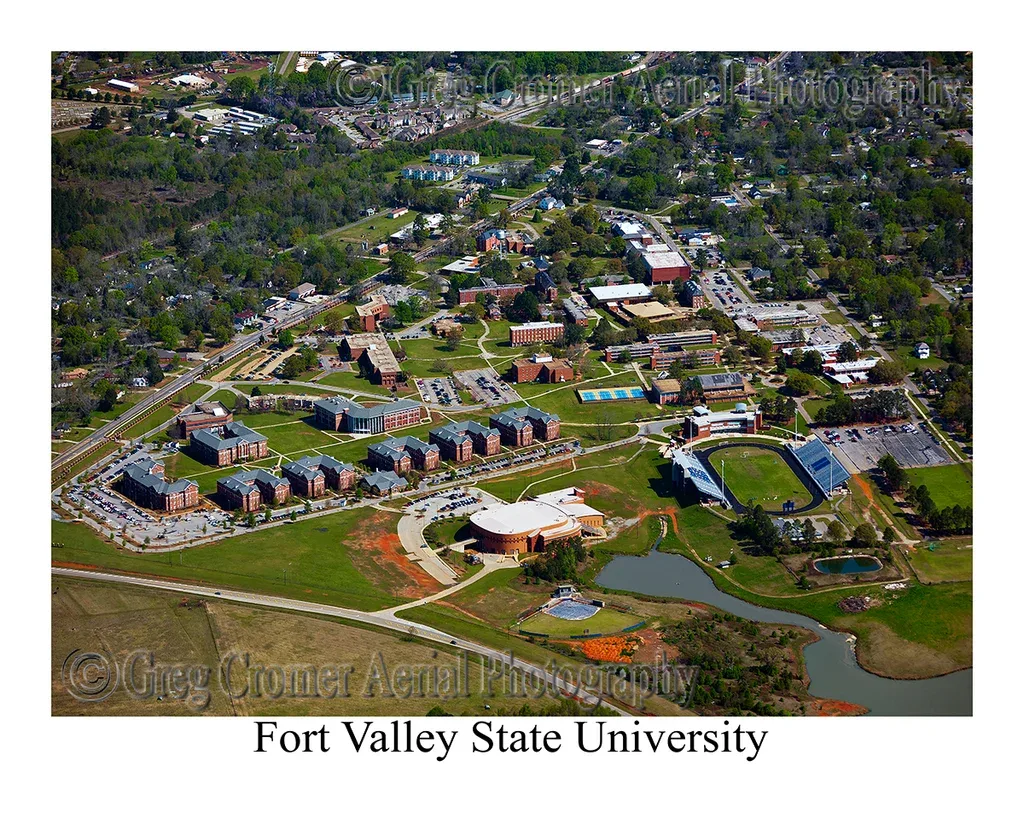
- Fort Valley - historic homes, Fort Valley State University area rentals, and downtown commercial buildings
- Powersville and Wells - rural properties on septic systems and well water
- Peach Parkway and Highway 341 corridors - mixed residential and light commercial
- Surrounding areas - Warner Robins, Centerville, Perry, Bonaire, Kathleen, Macon, and unincorporated Houston, Crawford, and Bibb County
Perry, the Houston County seat and home to the Georgia National Fairgrounds, presents its own mix of historic downtown structures, established neighborhoods, and newer subdivisions to the south - each requiring a different drying and reconstruction approach.
Seasonal Damage Patterns in Peach County
Seasonal Damage Patterns in Peach County
Loss types shift predictably through the year in central Georgia.
- December - February: Frozen and burst pipes in crawlspaces, garages, and exterior walls. Heating equipment, fireplaces, and space heaters drive most fire and smoke damage calls of the year.
- March - May: Peak severe weather. Straight-line winds, hail, and tornado risk create roof breaches, flooded basements, and storm water intrusion. Rising humidity restarts mold growth.
- June - August: Highest mold season. Afternoon thunderstorms, HVAC condensate overflows, and clogged drain pans saturate ceilings and attic decking. Sustained dew points keep indoor materials damp.
- September - October: Tropical systems moving inland from the Gulf and Atlantic bring heavy rainfall, saturated soil, and groundwater seepage into below-grade spaces.
- November: Cooking fires around the holidays, plus first-use furnace and chimney incidents that produce widespread smoke and soot residue.
Sewage backups cluster after heavy rain, when municipal lines surcharge and septic drain fields lose capacity in saturated soil.
Housing Characteristics & Restoration Considerations
Peach County housing spans pre-war farmhouses to subdivisions built in the last decade. Each construction era changes how water travels and how drying is engineered.
Older homes (pre-1970)
- Ventilated crawlspaces with exposed wood framing that absorbs and holds moisture
- Plaster and lath walls that trap water behind an intact surface
- Original hardwood that may be salvageable with specialty floor drying mats
- Galvanized or older copper supply lines prone to pinhole leaks
- Knob-and-tube or aging wiring that raises electrical fire risk
Newer construction (1990s - present)
- Slab-on-grade foundations where water spreads laterally under flooring and into base plates
- Engineered wood, OSB, and laminate that delaminate quickly and often require removal
- Attic-mounted air handlers whose condensate lines fail directly above finished ceilings
- Tight building envelopes that hold humidity in and accelerate mold growth after a loss
- Open floor plans that allow smoke and soot to spread through the entire structure
How this shapes our approach
- Moisture meters and thermal imaging map the true extent before demolition begins
- Controlled removal of only unsalvageable materials keeps rebuild scope down
- Crawlspace and basement drying uses low-grain refrigerant or desiccant dehumidification
- Full HVAC cleaning after fire or sewage events prevents recontamination
Environmental Conditions & Damage Implications
Local climate and soil conditions influence every restoration decision in Peach County.
Climate
- Long, humid summers with dew points frequently in the 70s - mold can colonize damp materials within 24 to 48 hours
- Roughly 45 to 50 inches of annual rainfall, concentrated in spring storms and tropical remnants
- Mild winters punctuated by short hard freezes that catch uninsulated plumbing off guard
Soil and drainage
- Red clay subsoil drains slowly, holding water against foundation walls and crawlspace vents
- Sandy Fall Line pockets shift and settle, opening cracks that admit groundwater
- Saturated clay reduces septic drain field performance, contributing to backups indoors
Air and water quality
- High pollen loads in spring combine with mold spores to worsen indoor air after a water loss
- Well water on rural properties can carry iron and sulfur that stain materials and complicate cleaning
- Smoke residue interacts with humidity to become corrosive on metal fixtures and electronics
Our response
- Containment barriers and negative air machines with HEPA filtration during mold and fire cleanup
- Antimicrobial application on all affected structural surfaces
- Post-drying moisture verification documented in writing before reconstruction
Category 3 Water and Sewage Cleanup Standards for Peach County Properties
Not all water is the same, and the difference determines what can be saved. Industry standards - IICRC S500 for water damage and S520 for mold remediation - classify losses by contamination level, and sewage falls into the most hazardous category.
Why sewage cleanup is different
- Black water carries bacteria, viruses, and parasites that pose real health risk
- Porous materials it touches - carpet, pad, drywall, insulation, particleboard - are removed, not dried
- Aerosolized contaminants require containment and negative pressure, not just extraction
- Semi-porous framing and concrete are cleaned, disinfected, and verified before rebuild
Our sewage and Category 3 process
- Isolate the area, stop the source, and establish containment with negative air pressure
- Remove bulk waste and extract contaminated water using dedicated equipment
- Demolish and bag affected porous materials for proper disposal
- Clean all remaining surfaces, then apply an EPA-registered antimicrobial
- Install dehumidification and air movers to dry structural assemblies
- HEPA-filter the air and clean or seal affected HVAC components
- Verify dryness with meter readings and document each stage for your insurer
What Peach County property owners should do first
- Keep children and pets out of the affected area entirely
- Avoid running water or flushing toilets until the line is cleared
- Do not use a household shop vacuum on contaminated water
- Photograph conditions before anything is moved, then call for response
Rural septic failures and municipal line surcharges after heavy rain are both common here, and both are handled to the same standard. Reach us at 877-652-4621 or (478) 800-2750 for emergency service or a free scope assessment.