
Damage Restoration in Fort Valley, GA
- Damage Restoration Services Overview
- Common Damage Restoration Issues in Fort Valley, Georgia
- Neighborhoods We Serve in Fort Valley
- Seasonal Damage Patterns in Fort Valley
- Housing Characteristics & Restoration Considerations
- Environmental Conditions & Damage Implications
- Storm and Tornado Response for Fort Valley Property Owners
Damage Restoration Services Overview
You wake up to the sound of running water at 2 a.m., walk into the hallway, and find the carpet squishing underfoot. A supply line behind the washing machine let go hours ago, and water has already found its way into the subfloor and drywall. In Fort Valley, that scenario plays out more often than most homeowners expect - and the clock starts running immediately.
Restoration work covers far more than drying a wet floor. Property owners in Peach County typically need help with:
- Water Damage Restoration - extraction, structural drying, and moisture mapping after pipe failures, roof leaks, or storm intrusion
- Flooded Basement cleanup - pumping standing water, drying foundation walls, and salvaging stored belongings
- Sewage Cleanup - safe removal of contaminated water, disinfection, and disposal of affected porous materials
- Fire Damage Restoration - debris removal, soot cleaning, structural evaluation, and rebuilding
- Smoke Damage Restoration - odor neutralization, HVAC cleaning, and treatment of walls, textiles, and contents
- Mold Removal - containment, remediation, and correcting the moisture source that fed the growth
Acting quickly limits secondary damage, protects indoor air quality, and keeps repair scopes smaller. For Fort Valley families and business owners, that means fewer materials torn out and a faster return to normal routines.
Common Damage Restoration Issues in Fort Valley, Georgia
Middle Georgia sits far from the coast, but that offers no protection from water intrusion. Flash flooding and heavy thunderstorm cells regularly overwhelm gutters, yard drainage, and storm sewers around Fort Valley.
Frequent Causes We Respond To
- Flash flooding after intense summer downpours pushing water through doors, windows, and foundation cracks
- Tornado and high-wind damage - Fort Valley's tornado risk runs well above the national average, and a compromised roof leads straight to interior water damage
- Failed supply lines, water heaters, dishwashers, and washing machine hoses that break without warning
- Sewer line backups caused by root intrusion, grease buildup, or heavy rain surcharging municipal lines
- Cooking fires, unattended candles, faulty wiring, and fireplace embers during cold Georgia nights
- Hidden mold growth behind vanities, under sinks, and inside crawl spaces where humidity never fully clears
Warning Signs Worth Investigating
- Musty odors that return after cleaning, especially in closets or near exterior walls
- Discolored rings, bubbling paint, or soft spots on ceilings and baseboards
- Gurgling drains or slow toilets that suggest a main line problem before a full backup
- Persistent smoke odor that intensifies when the HVAC system runs
- Warped flooring, popped tile grout, or nail heads showing through drywall
- Unexplained allergy symptoms that improve when you leave the building
Each of these signals moisture, contamination, or residue that spreads while it goes unaddressed.
Neighborhoods We Serve in Fort Valley
Service covers the full city and the surrounding Peach County communities, including:
- Downtown Fort Valley and the historic districts along Main Street and Camellia Boulevard
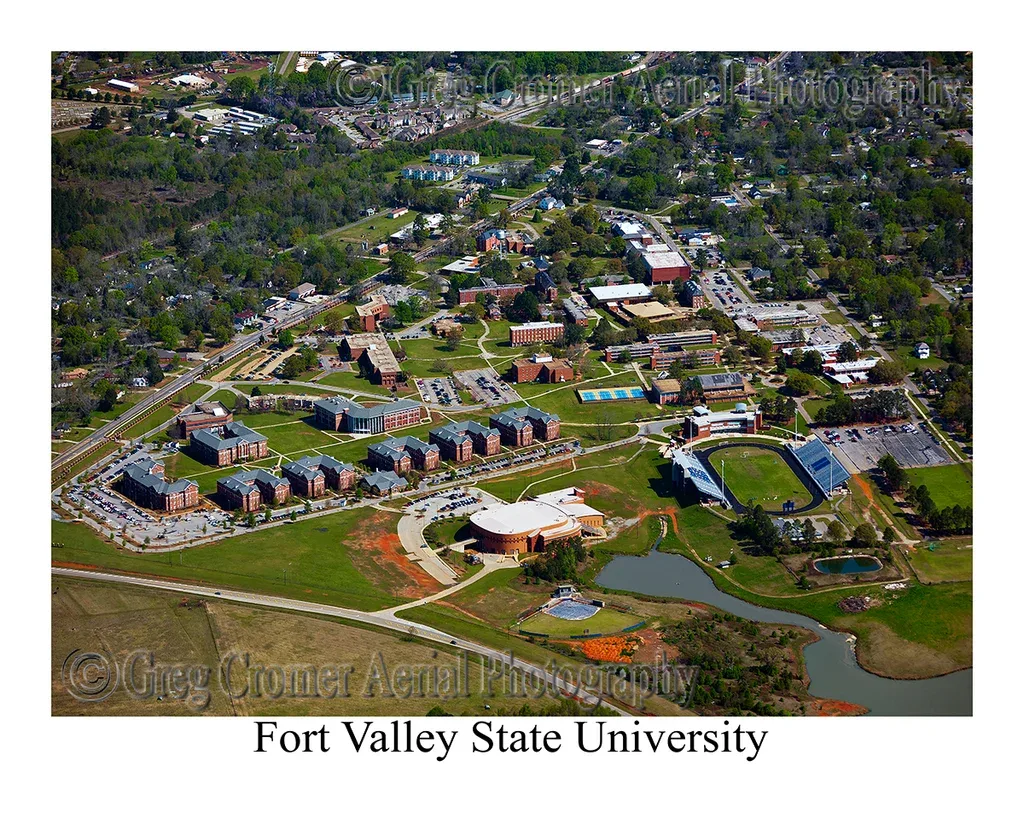
- Neighborhoods surrounding Fort Valley State University
- Residential streets off State Route 49, US 341, and Vineville Street
- Everett Square, Blue Bird area properties, and nearby light-industrial corridors
- Rural homesteads and farm properties along Peach County's orchard roads
- Byron, Perry, Marshallville, Roberta, Montezuma, and Warner Robins
Coverage extends to houses of worship, schools, orchards and packing facilities, restaurants, medical offices, and rental properties. Crews familiar with local street layouts, well systems, and older housing stock arrive prepared for what Fort Valley construction actually looks like rather than working from a generic playbook.
Seasonal Damage Patterns in Fort Valley
Spring (March - May)
- Peak severe weather season with tornado and hail risk
- Roof breaches leading directly to water damage restoration calls
- Saturated soil pushing groundwater into basements and crawl spaces
Summer (June - August)
- Afternoon thunderstorms and flash flooding overwhelming drainage
- High humidity accelerating mold growth in poorly ventilated spaces
- Condensation-related damage from overworked air conditioning systems
- Electrical fires tied to strained circuits and heat loads
Fall (September - November)
- Tropical system remnants tracking inland with heavy rainfall
- Clogged gutters from falling leaves redirecting water toward foundations
- First fireplace and heater use of the season, raising fire and smoke damage calls
Winter (December - February)
- Cold snaps freezing exposed pipes in crawl spaces and unheated garages
- Space heater, chimney, and holiday cooking fires
- Sewage backups when saturated ground stresses aging sewer laterals
- Smoke odor complaints from wood stoves and improperly drafting flues
Restoration crews stay staffed around the clock year-round because these events rarely announce themselves during business hours.
Housing Characteristics & Restoration Considerations
Fort Valley's housing mix ranges from turn-of-the-century homes near the historic core to mid-century brick ranches and newer subdivision construction on the outskirts. Each type responds differently to water, fire, and mold.
Older Homes and Historic Properties
- Pier-and-beam foundations with vented crawl spaces that trap humidity and invite mold
- Plaster and lath walls that hold moisture longer than modern drywall
- Original hardwood floors requiring specialized drying to avoid cupping and permanent loss
- Knob-and-tube or aging cloth-insulated wiring that raises fire risk
- Cast iron and galvanized drain lines prone to cracking and sewage backups
Mid-Century Brick Ranch Homes
- Slab-on-grade construction where water wicks upward into baseboards and framing
- Original ductwork that circulates smoke odor and mold spores throughout the house
- Limited attic ventilation, creating condensation and sheathing decay
Newer Construction
- Tighter building envelopes that hold moisture in when a leak occurs
- Engineered flooring and OSB subfloor that swell quickly and often need replacement
- Finished basements and bonus rooms with drywall, insulation, and carpet stacked at the lowest point
Technicians document material types, take moisture readings before and after, and adjust drying plans so restoration matches the building rather than forcing one approach onto every property.
Environmental Conditions & Damage Implications
Peach County's climate creates conditions that both cause damage and complicate the cleanup.
Humidity and Heat
- Summer humidity frequently sits high enough for mold colonies to establish within 24 to 48 hours of a water event
- Long, warm shoulder seasons extend the mold growth window well past summer
- Dehumidification equipment often needs to run longer here than in drier climates
Soil and Drainage
- Middle Georgia's clay-heavy red soil drains slowly and holds water against foundations
- Clay expansion and contraction stresses foundation walls, creating the cracks that flood basements
- Flat lots and shallow grading allow sheet flow toward garages and walkouts
- Slow-percolating soil contributes to septic system failures and sewage surfacing in yards
Water and Air Quality Factors
- Rural properties on well and septic systems require careful sanitation protocols after sewage cleanup
- Agricultural dust, pollen, and orchard-season particulates load HVAC filters, which then spread soot and spores after fire or mold events
- Smoke residue bonds tightly to surfaces in humid air, making odor removal a multi-step process rather than a single cleaning
These local realities shape equipment selection, containment design, and how long structures need monitoring before rebuild work begins. Post-remediation verification confirms the space is dry and clean instead of relying on appearance alone.
Storm and Tornado Response for Fort Valley Property Owners
Fort Valley's tornado probability sits well above the national average, and the aftermath rarely involves only wind. A torn roof, broken window, or lifted soffit turns a wind event into a water damage event within minutes, and untreated moisture becomes a mold problem within days.
What Happens in the First Hours
- Emergency contact - a 24-hour line connects you with a coordinator who gathers details about the damage and your property type.
- Site safety check - crews evaluate structural stability, electrical hazards, and standing water contamination before anyone enters.
- Emergency board-up and tarping - openings in the roof and walls get covered to stop additional rain from entering.
- Water extraction - truck-mounted and portable units pull standing water from floors, basements, and crawl spaces.
- Moisture mapping and drying - meters and thermal imaging locate hidden saturation, then air movers and dehumidifiers are placed accordingly.
- Cleaning and antimicrobial treatment - affected surfaces are cleaned and treated to discourage microbial growth.
- Reconstruction - drywall, flooring, trim, and roofing repairs return the property to pre-loss condition.
How to Prepare Before the Next Warning
- Photograph each room and store the images off-site or in the cloud for insurance documentation
- Know the location of your main water shutoff and electrical panel
- Keep gutters and downspouts clear so runoff moves away from the foundation
- Test sump pumps and battery backups before spring storm season
- Move stored valuables off basement and crawl space floors onto shelving
- Trim limbs overhanging the roof and driveway
Certified technicians work directly with insurance adjusters, providing photos, moisture logs, and detailed scopes so claims move forward without repeated site visits. That documentation matters just as much as the equipment when a storm damages several properties across the county at once.





