Damage Restoration in Bartow County, GA
- Damage Restoration Services Overview
- Common Damage Restoration Issues in Bartow County, Georgia
- Neighborhoods We Serve in Bartow County
- Seasonal Damage Patterns in Bartow County
- Housing Characteristics & Restoration Considerations
- Environmental Conditions & Damage Implications
- Documentation and Transparency Through a Bartow County Restoration Project
Damage Restoration Services Overview
Water left in a wall cavity for a weekend rarely stays a water problem. Within days, drywall paper feeds mold colonies, subfloor adhesives release, framing absorbs moisture, and smoke residue from a small kitchen fire etches permanently into cabinet finishes. What began as a contained loss becomes a structural and air quality issue that costs far more to correct.
Bartow County property owners have access to a full range of restoration services under one response:
- Water Damage Restoration - extraction, structural drying, and documented moisture monitoring after supply line breaks, roof leaks, and HVAC overflows
- Flooded Basement cleanup - removal of standing water, saturated materials, and trapped humidity below grade
- Sewage Cleanup - containment and remediation of Category 3 biohazard contamination from septic failures and drain backups
- Fire Damage Restoration - structural stabilization, debris removal, and reconstruction management
- Smoke Damage Restoration - soot removal, odor neutralization, and cleaning of surfaces far from the ignition point
- Mold Removal - containment, controlled removal, and correction of the moisture source behind the growth
SERVPRO provides Bartow County with a fast response for home and business cleaning and restoration. The benefit of a single team handling inspection through reconstruction is continuity - fewer handoffs, one documented record, and a clear path back to pre-damage condition.
Common Damage Restoration Issues in Bartow County, Georgia
Bartow County sits where the Etowah River corridor, heavy clay soils, and rapid residential and industrial growth intersect. Each contributes its own failure pattern.
Water and Basement Flooding
- Etowah River rises pushing water into low-lying properties near Cartersville, Euharlee, and Kingston
- Clay soil that sheds rather than absorbs rainfall, driving runoff toward foundations and daylight basements
- Failed sump pumps and clogged footing drains during multi-day rain events
- Burst supply lines in unheated crawl spaces during January cold snaps
- HVAC condensate overflow in attics and closets through humid summers
Sewage and Septic Backups
Rural and semi-rural areas around White, Taylorsville, and Rydal rely on private septic systems. When spring rainfall saturates clay-heavy soils, drain fields stop functioning and wastewater backs into the lowest fixtures in the home. This is Category 3 contamination and requires full remediation before any drying begins.
Fire, Smoke, and Mold
- Cooking fires and electrical faults in older wiring near downtown Cartersville
- Space heater and fireplace incidents during winter
- Smoke and soot traveling through return ducts into rooms the flames never reached
- Mold behind baseboards, under vinyl flooring, and in crawl spaces where humidity stays high
Warning Signs Worth Acting On
- Musty odor that strengthens when the HVAC runs
- Cupping hardwood, bubbling paint, or soft drywall near the floor line
- Gurgling drains or slow fixtures after heavy rain
- Persistent smoke odor weeks after a small fire
- Efflorescence or white staining on basement block walls
Neighborhoods We Serve in Bartow County
Response covers the county's cities, unincorporated communities, and the surrounding river corridor:
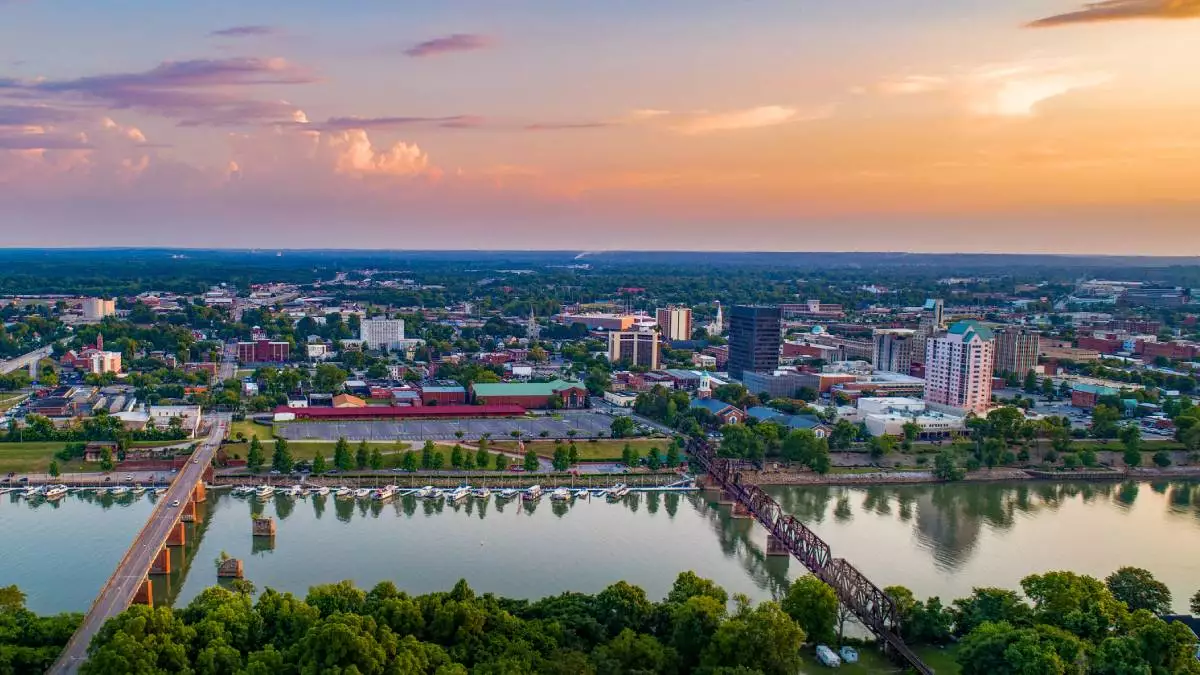
- Cartersville - downtown historic districts, Douglas Street corridor, and the industrial and logistics corridor along I-75
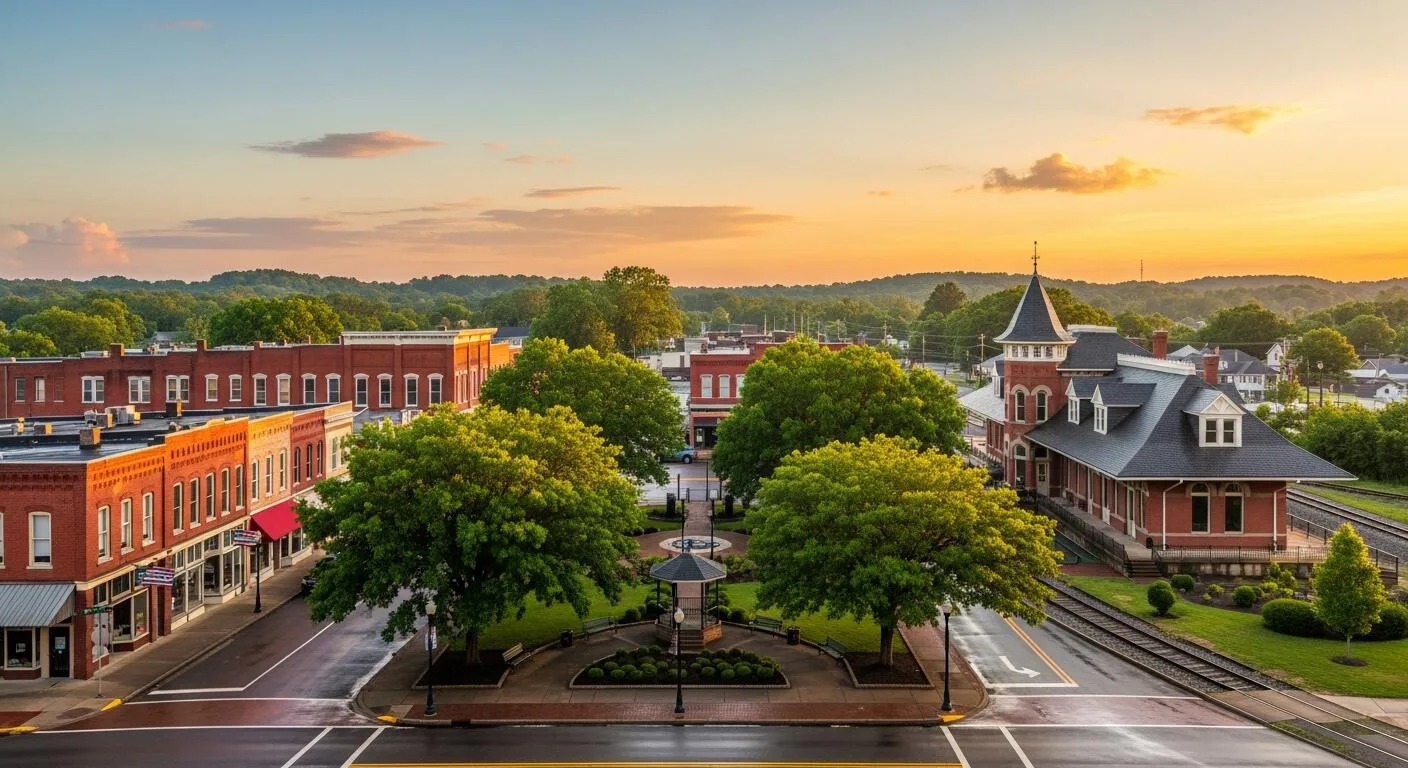
- Adairsville and Kingston - older housing stock and rural acreage properties
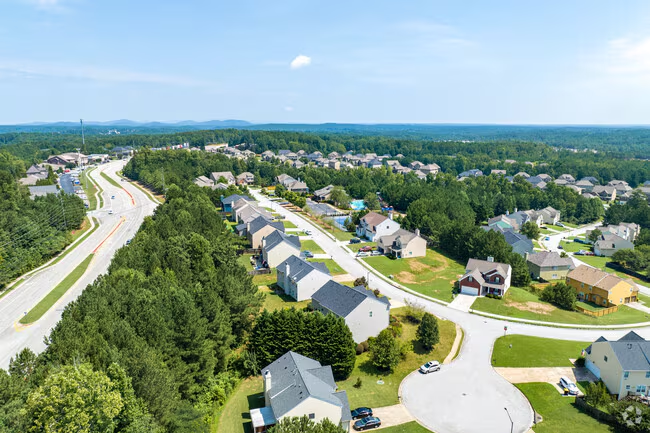
- Emerson and Allatoona - lakeside and newer subdivision construction
- Euharlee, Taylorsville, and White - septic-served homes on clay soils
- Rydal and Cassville - unincorporated communities with well and septic infrastructure
- Surrounding areas in Cherokee, Paulding, Gordon, and Floyd Counties, including the Acworth and Ball Ground corridors
Crews positioned in Acworth reach the Etowah River corridor and Bartow County communities quickly, which matters most during river rise events and widespread storm damage when travel routes are affected.
Seasonal Damage Patterns in Bartow County
Winter (December - February)
- Frozen and burst supply lines in crawl spaces, garages, and exterior walls
- Fire and smoke damage from heating equipment, fireplaces, and holiday cooking
- Roof leaks from ice and freeze-thaw cycling on aging shingles
Spring (March - May)
- Peak season for flooded basements and Etowah River flooding
- Septic drain field failures as saturated clay soils lose absorption capacity
- Storm damage from severe thunderstorms and tornado-producing systems
Summer (June - August)
- Mold growth accelerating in humid crawl spaces, basements, and closed-up vacation homes
- HVAC condensate line clogs causing ceiling and closet water damage
- Lightning-related electrical fires during afternoon storms
Fall (September - November)
- Tropical system remnants delivering multi-inch rainfall totals
- Clogged gutters and downspouts diverting water against foundations
- First-use heating system fires as temperatures drop
Housing Characteristics & Restoration Considerations
Bartow County housing spans more than a century of construction methods, and each type responds differently to water, smoke, and mold.
Historic and Pre-1960 Homes
- Common in Cartersville, Adairsville, and Kingston
- Plaster over wood lath holds moisture far longer than modern drywall
- Original hardwood flooring often justifies specialty drying rather than removal
- Knob-and-tube or early wiring raises fire risk and requires careful assessment after any loss
- Older paint layers demand cautious surface cleaning during smoke restoration
Mid-Century and 1970s - 1990s Construction
- Slab-on-grade and crawl space foundations dominate
- Vented crawl spaces trap humidity and become mold reservoirs
- Original galvanized or early polybutylene plumbing prone to sudden failure
- Basement finishing done without vapor barriers complicates drying
Newer Subdivisions and Modern Builds
- Tightly sealed envelopes hold moisture and smoke odor inside longer
- Engineered wood subfloors and MDF trim swell quickly and rarely recover
- Multi-story layouts allow water to migrate through several levels before discovery
- Finished daylight basements with carpet and drywall are high-loss areas
Commercial and Industrial Facilities
Cartersville anchors a significant manufacturing and logistics corridor with large industrial tenants. Losses in these facilities involve high ceilings, concrete substrates, sensitive equipment, and production schedules - which shapes drying strategy, containment placement, and phased work planning.
Environmental Conditions & Damage Implications
Climate and Humidity
Bartow County experiences hot, humid summers and mild but wet winters, with annual rainfall well above the national average. Elevated indoor humidity means untreated moisture rarely dries on its own - it simply redistributes into framing, insulation, and cavity spaces.
- Summer dew points support mold growth within 24 to 48 hours of wetting
- Winter humidity swings drive condensation on cold surfaces and inside exterior walls
- Dehumidification and monitoring, not just fans, are required for a documented dry standard
Soil and Drainage
- Red clay soils common across the county absorb water slowly and hold it near the surface
- Saturated clay exerts hydrostatic pressure on basement walls, pushing water through cracks and cold joints
- Drain fields lose effectiveness when clay stays saturated, leading directly to sewage backups
- Expansive clay movement opens foundation gaps that become long-term water entry points
Water Sources and Air Quality
Properties served by private wells face contamination concerns when floodwater or sewage reaches wellheads. Municipal-served homes face different risks - aging service lines and pressure fluctuations. On the air side, pollen loads in spring and industrial-corridor particulates mean HVAC systems already carry a burden before smoke or mold spores enter the picture. Duct cleaning and filtration are frequently part of restoration, not optional extras.
Documentation and Transparency Through a Bartow County Restoration Project
The most common frustration after a loss is not the damage itself - it is not knowing what is happening inside the walls, what the insurer will accept, or when normal life resumes. Clear documentation solves that.
How the Process Runs
- Inspection and moisture assessment - mapping the full extent of affected materials, including areas that look dry on the surface
- Containment and safety measures - critical when sewage contamination or mold is present, keeping unaffected areas clean
- Extraction and material removal - advanced extraction tools remove standing water; unsalvageable materials are removed and recorded
- Structural drying - air movers and dehumidifiers placed by calculation, with daily moisture readings logged until target levels are reached
- Cleaning and odor treatment - soot removal, antimicrobial application, and duct evaluation as conditions require
- Reconstruction - rebuilding removed materials and finishing the space back to pre-damage condition
What Gets Documented and Shared
- Photographs of pre-existing and loss-related conditions
- Daily moisture and humidity readings for each affected room
- Equipment placement and drying progress records
- Itemized scope of removed and restored materials
- Contents inventory when belongings leave the property
Contents and Belongings
Water and fire damage affect what is inside as much as the structure. Furniture, appliances, family keepsakes, and business records can often be protected and restored. When on-site work makes that impractical, belongings are transported to a secure storage and restoration facility, treated, and held safely until the property is ready to receive them.
Highly trained technicians handle the process from beginning to end, so property owners in Cartersville, Adairsville, Euharlee, and across the county receive consistent answers from the same team - not conflicting updates from separate contractors.