Damage Restoration in Houston County, GA
- Damage Restoration Services Overview
- Common Damage Restoration Issues in Houston County, Georgia
- Neighborhoods We Serve in Houston County
- Seasonal Damage Patterns in Houston County
- Housing Characteristics & Restoration Considerations
- Environmental Conditions & Damage Implications
- Insurance Documentation and Claim Support for Houston County Property Owners
Damage Restoration Services Overview

Coming home to standing water in a hallway, soot streaking the walls, or the sour smell of sewage in a crawlspace is unsettling. Property damage rarely announces itself politely, and the decisions that follow feel heavy when the house is still wet or still smells like smoke.
Houston County property owners in Warner Robins, Perry, Centerville, and Kathleen deal with a familiar pattern: the smaller the initial response, the larger the eventual loss. Restoration work is about interrupting that pattern early.
Services covered on this page include:
- Water Damage Restoration - extraction, structural drying, and moisture mapping after supply line breaks, roof leaks, and appliance failures
- Flooded Basement cleanup - pumping, sump troubleshooting, and drying below-grade spaces and crawlspaces
- Sewage Cleanup - removal of contaminated material, antimicrobial treatment, and safe disposal after backups
- Fire Damage Restoration - debris removal, structural cleaning, and rebuilding of damaged assemblies
- Smoke Damage Restoration - soot removal from surfaces and HVAC systems plus odor neutralization
- Mold Removal - containment, source correction, and remediation of humidity-driven growth
Benefits of professional response include documented moisture readings for insurance claims, faster drying that protects framing and flooring, and cleaning methods that address contamination you cannot see. Handled properly, one bad day stays one bad day instead of turning into months of repairs.
Common Damage Restoration Issues in Houston County, Georgia
Middle Georgia weather and local construction habits shape the losses that happen here. Thunderstorm wind events recorded across the county have produced everything from minor damage to six-figure property losses, and lightning strikes remain a recurring source of residential fires and electrical damage.
Frequent Causes We Respond To
- Severe thunderstorm wind stripping shingles, followed by rainwater tracking into attics and ceilings
- Hail impacts (recorded from 0.75 to 1.75 inches) compromising roof surfaces and skylights
- Lightning strikes igniting attic wiring or damaging appliances that later leak
- Winter storm and ice storm cold snaps freezing pipes in uninsulated crawlspaces and garages
- Clay soil saturation pushing groundwater against foundation walls and into basements
- Municipal or private line backups causing sewage intrusion in lower-level bathrooms
- Kitchen grease fires and space heater fires producing widespread smoke damage
Warning Signs Worth Acting On
- Musty odor that intensifies when the HVAC runs - often mold in ductwork or wall cavities
- Cupping or darkening hardwood near dishwashers, refrigerators, and water heaters
- Bubbling paint or soft drywall along baseboards
- Gurgling floor drains or slow tub drainage before a full sewage backup
- Persistent smoke odor weeks after a small fire, indicating soot still in porous materials
- Condensation on supply registers during humid summer months
Mold can begin colonizing damp materials within roughly a day or two in Georgia's humidity, which is why water losses and mold removal are so often connected.
Neighborhoods We Serve in Houston County
Coverage spans the full county and the communities just beyond its borders:
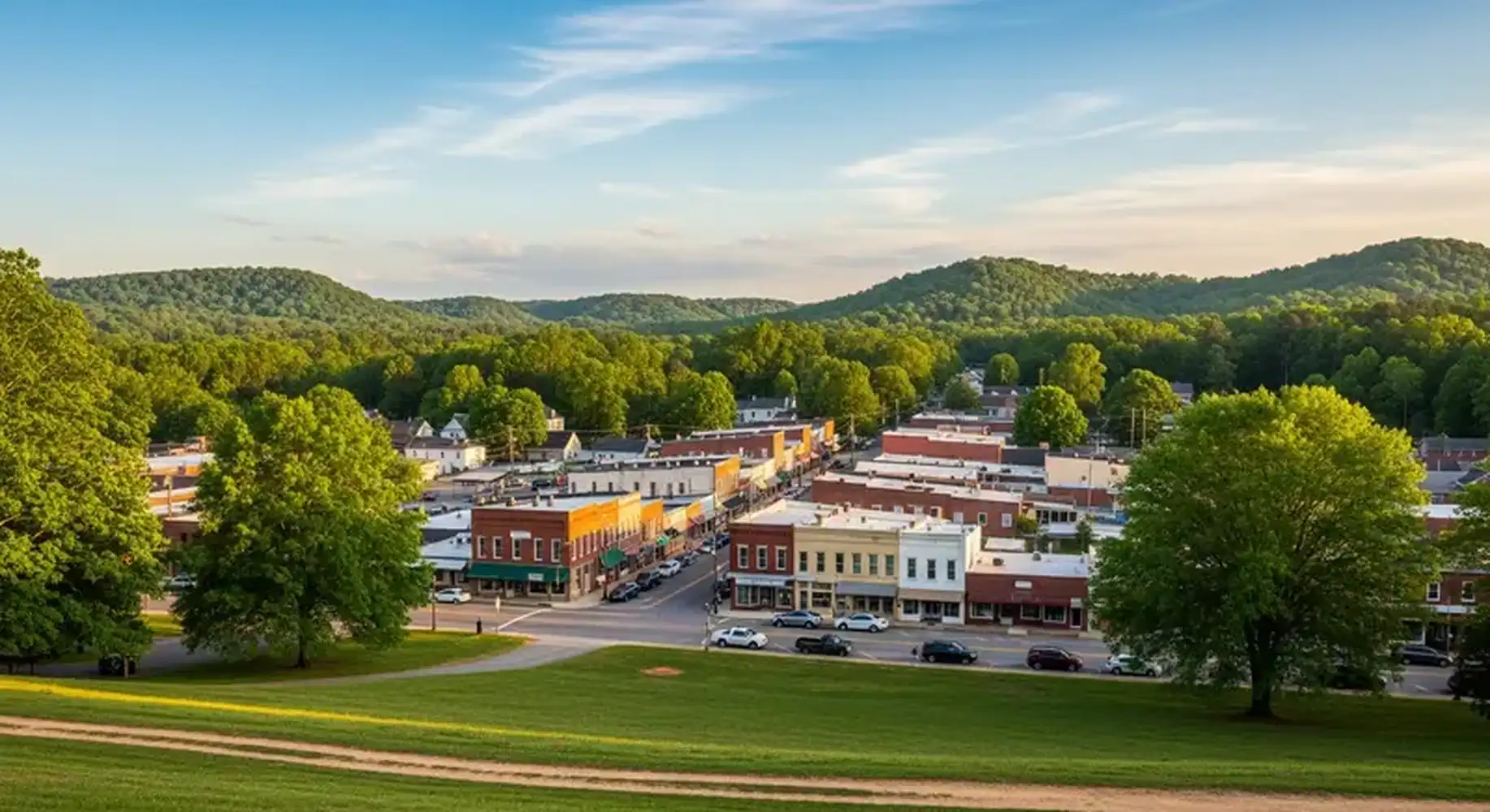
- Warner Robins - including neighborhoods near Robins Air Force Base, Russell Parkway, and Wellston
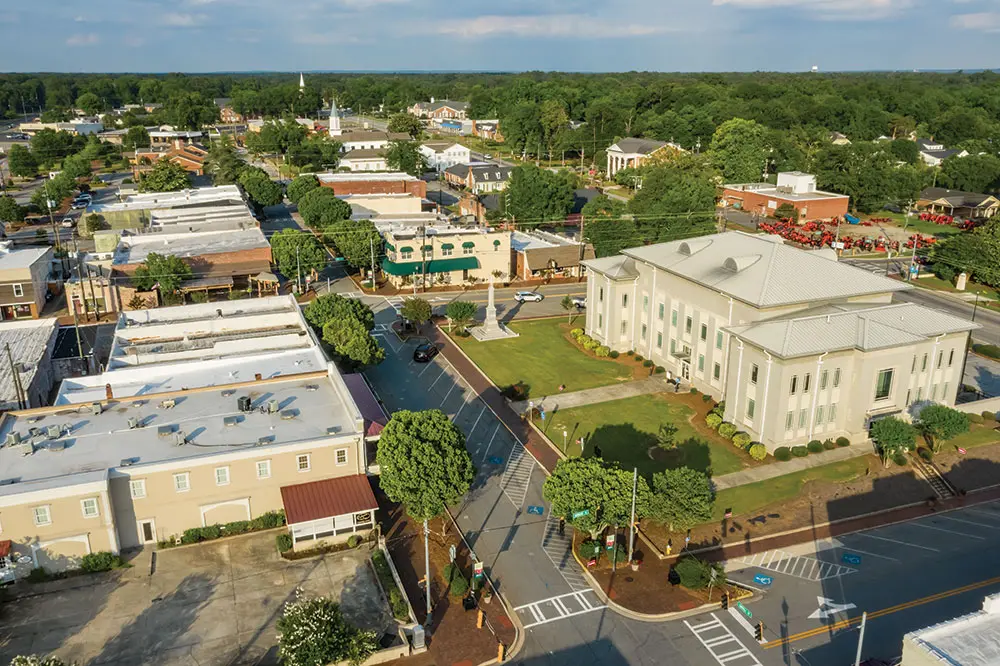
- Perry - downtown historic blocks, Houston Lake Road corridor, and areas near the Georgia National Fairgrounds
- Centerville - established subdivisions along Highway 96 and Houston Lake
- Kathleen and Bonaire - newer residential growth south of Warner Robins
- Elko and Henderson - rural properties with well and septic systems
- Byron and surrounding Peach County lines - adjacent service coverage
Response also extends to apartment communities, rental portfolios, churches, retail centers, and light industrial buildings throughout the I-75 and Highway 247 corridors. Familiarity with local water authorities, county permitting, and building stock in each area speeds up both mitigation and reconstruction.
Seasonal Damage Patterns in Houston County
Winter (December - February)
- Frozen and burst pipes during brief hard freezes, especially in crawlspaces and exterior walls
- Fire and smoke damage from fireplaces, space heaters, and holiday cooking
- Ice storm limb damage opening roofs to water intrusion
Spring (March - May)
- Peak severe weather season - hail, thunderstorm wind, and funnel cloud activity
- Flooded basements and crawlspaces as saturated clay soil holds rainfall
- Sewage backups when heavy rain overwhelms drainage systems
Summer (June - August)
- Highest mold removal demand as humidity climbs and air conditioning struggles
- Lightning-related fires and appliance failures
- Condensation and HVAC drain pan overflows soaking ceilings and closets
Fall (September - November)
- Tropical system remnants delivering wind-driven rain
- Clogged gutters directing water toward foundations
- First-use furnace and chimney fires producing smoke damage
Housing Characteristics & Restoration Considerations
Houston County housing spans several distinct eras, and each one restores differently.
Mid-Century Homes (1950s - 1970s)
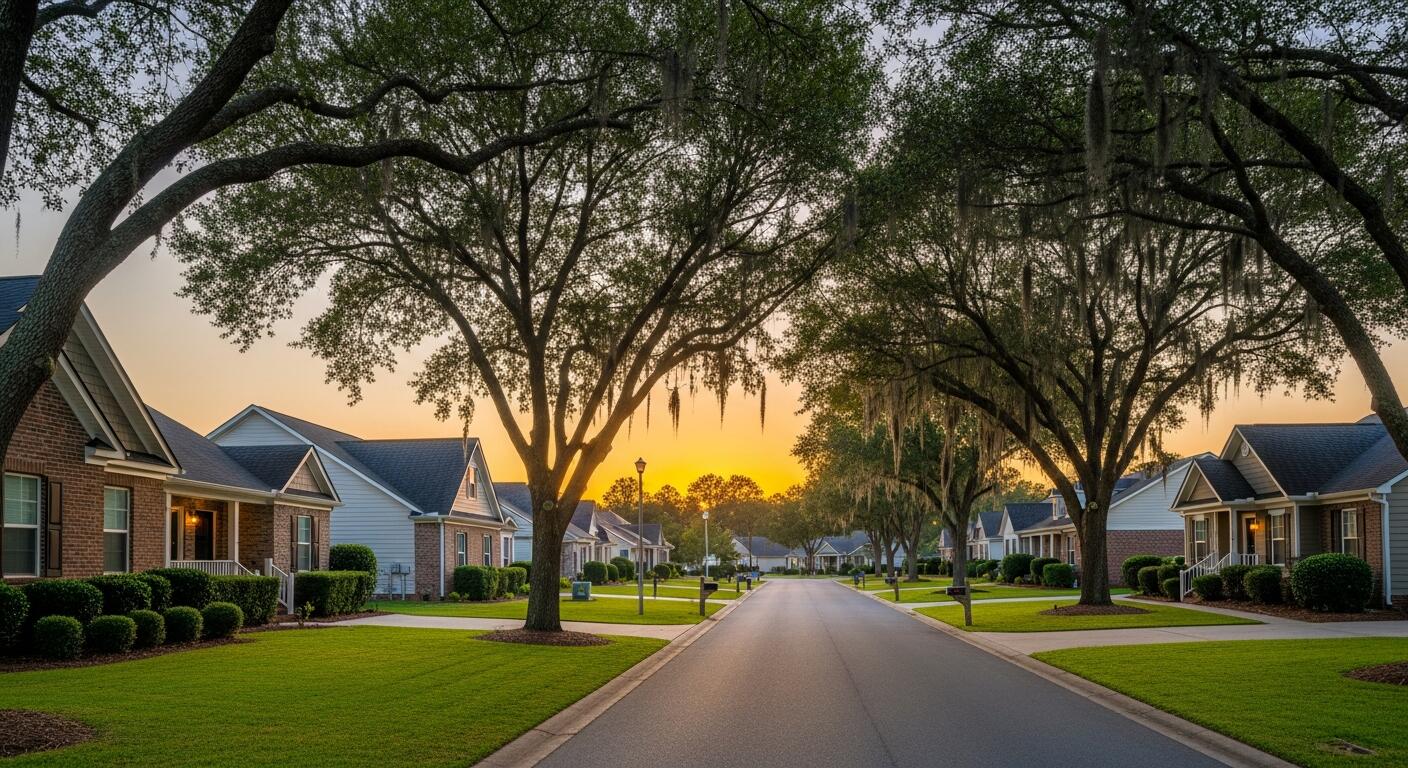
- Built during the Robins Air Force Base expansion, often slab-on-grade or crawlspace foundations
- Original galvanized or early copper plumbing prone to pinhole leaks
- Possible asbestos-containing floor tile and mastic requiring testing before demolition
- Plaster and thin drywall that holds moisture longer than modern board
1980s - 1990s Subdivisions
- Vented crawlspaces with fiberglass batt insulation that traps moisture and grows mold
- Polybutylene supply lines in some homes, a known failure risk for water damage
- Aging water heaters and HVAC units located in attics above finished space
2000s - Present Construction
- Tighter building envelopes that dry slowly and require controlled dehumidification
- Engineered wood flooring and MDF trim that delaminate quickly when wet
- Two-story layouts where upstairs leaks damage multiple levels at once
Full basements are less common here than crawlspaces, so flooded basement work often means pumping and drying a crawl area, correcting vapor barriers, and treating framing. Sewage cleanup in older homes may involve cast iron drain lines with root intrusion. Fire and smoke restoration in open-concept newer homes tends to spread soot widely through return air pathways, making duct cleaning a standard part of the scope.
Environmental Conditions & Damage Implications
The local environment influences how quickly damage spreads and how long drying takes.
Climate and Humidity
- Humid subtropical climate with long, hot summers and average relative humidity that stays high overnight
- Roughly 45 - 50 inches of annual rainfall, much of it in intense bursts
- Elevated dew points reduce natural drying, making mechanical dehumidification necessary rather than optional
Soil and Groundwater
- Red clay soils typical of the Fall Line region expand when wet and shed water slowly
- Hydrostatic pressure against foundation walls contributes to seepage and flooded lower levels
- Sandy pockets in southern parts of the county drain faster but can undermine footings
Air Quality Factors
- Heavy spring pollen loads settle in ductwork and combine with moisture to feed microbial growth
- Smoke odor lingers longer in humid air because soot particles bind to damp surfaces
- Post-fire air scrubbing with HEPA filtration and activated carbon addresses both particulate and odor
Water Conditions
- Municipal supply in Warner Robins and Perry versus private wells in rural Elko and Henderson
- Septic systems in outlying areas raise contamination risk during sewage cleanup
- Mineral content can leave staining on surfaces after extraction, requiring detail cleaning
These conditions mean drying plans are built around measured humidity and material moisture content, not a fixed schedule.
Insurance Documentation and Claim Support for Houston County Property Owners
Most restoration projects here run through an insurance claim, and the quality of documentation created in the first hours often determines how smoothly that claim goes. Adjusters want evidence, not descriptions.
What Thorough Documentation Includes
- Photographs and video of affected areas before any material is removed
- Moisture meter and thermal imaging readings mapped room by room
- Daily drying logs showing temperature, relative humidity, and material moisture progress
- Written scope of work identifying affected materials and cleaning methods
- Contents inventory for smoke-damaged and water-damaged belongings
- Air sampling or surface sampling results when mold removal is involved
How the Claim Process Typically Unfolds
- Stop the source - shut off water, secure the structure, or wait for fire department clearance
- Call your insurance carrier to open a claim and record the claim number
- Bring in a restoration contractor for emergency mitigation, which most policies authorize immediately
- Allow mitigation to proceed while the adjuster schedules an inspection
- Review the scope and estimate together so nothing gets missed before reconstruction
- Complete repairs, then keep all documentation for warranty and future disclosure purposes
Local Considerations Worth Knowing
- Wind and hail claims are common after spring storms, and roof-related water damage may be evaluated under separate policy provisions
- Sewage backup coverage is frequently an endorsement rather than standard coverage - check your policy before you need it
- Gradual leaks and long-term mold growth are often limited or excluded, which rewards early reporting
- Military families near Robins Air Force Base managing a loss during a deployment or PCS move benefit from a contractor willing to communicate remotely with photos and written updates
Clear records protect your position, shorten the timeline, and keep the conversation focused on getting the property back in order.