Damage Restoration in Barrow County, GA
- Damage Restoration Services Overview
- Common Damage Restoration Issues in Barrow County, Georgia
- Neighborhoods We Serve in Barrow County
- Seasonal Damage Patterns in Barrow County
- Housing Characteristics & Restoration Considerations
- Environmental Conditions & Damage Implications
- From Emergency Response to Full Reconstruction in Barrow County
Damage Restoration Services Overview
Few things rattle a property owner like standing in ankle-deep water at midnight or opening the door to the smell of smoke. In Barrow County, damage rarely announces itself politely - a pipe lets go behind a wall, a storm pushes water through a roof, or a sewer line backs up into a finished basement.
First In Restoration helps homeowners, businesses and property managers across Barrow County recover from water, fire, mold, storm and sewage damage with one coordinated response.
- Water Damage Restoration - extraction, structural drying and moisture mapping after burst pipes, appliance failures and roof leaks
- Flooded Basement - pumping, dehumidification and repair of below-grade walls, subfloors and stored contents
- Sewage Cleanup - removal of contaminated material, antimicrobial treatment and safe disposal following backups and line failures
- Fire Damage Restoration - securing the structure, debris removal and full reconstruction of damaged framing and finishes
- Smoke Damage Restoration - soot removal, odor neutralization and cleaning of HVAC systems and porous surfaces
- Mold Removal - containment, source correction and replacement of affected drywall, insulation and framing
The benefit of a single team handling assessment through final finish work is simple: fewer gaps, clearer documentation for insurance, and a property returned to a livable, working condition.
Common Damage Restoration Issues in Barrow County, Georgia
Barrow County sits in a corridor where humid Georgia summers, heavy convective storms and periodic winter freezes all leave their mark on buildings. Damage patterns here follow the weather and the age of the housing stock.
Frequent Causes of Loss
- Tornado and severe thunderstorm structural damage across Barrow and neighboring Gwinnett County
- Flash flooding in the Apalachee River corridor and low-lying creek drainages
- Burst pipes in older Winder and Athens-area homes with uninsulated crawlspace plumbing
- Sewer and septic backups during saturated periods when soils cannot absorb additional water
- Kitchen and attached-garage fires in newer open-plan construction where smoke travels fast
- Crawlspace mold that reaches subfloors and structural framing before anyone notices
- Ice storm roof loads causing shingle failure, gutter collapse and interior leaks
Warning Signs Worth Acting On
- Musty odors that intensify when the HVAC runs
- Cupping or springy floors above a crawlspace
- Staining along baseboards, ceiling seams or basement walls
- Slow drains or gurgling fixtures before a full backup
- Peeling paint or bubbling drywall with no visible leak
- Lingering smoke odor weeks after a small fire was extinguished
Small signs escalate quickly in this climate. Moisture trapped in framing during a humid July week can support mold growth within days, and soot left on surfaces becomes progressively harder to remove.
Neighborhoods We Serve in Barrow County
Response covers the full county and the surrounding communities that share its weather and infrastructure.
- Winder - the county seat, including historic downtown blocks and older residential streets
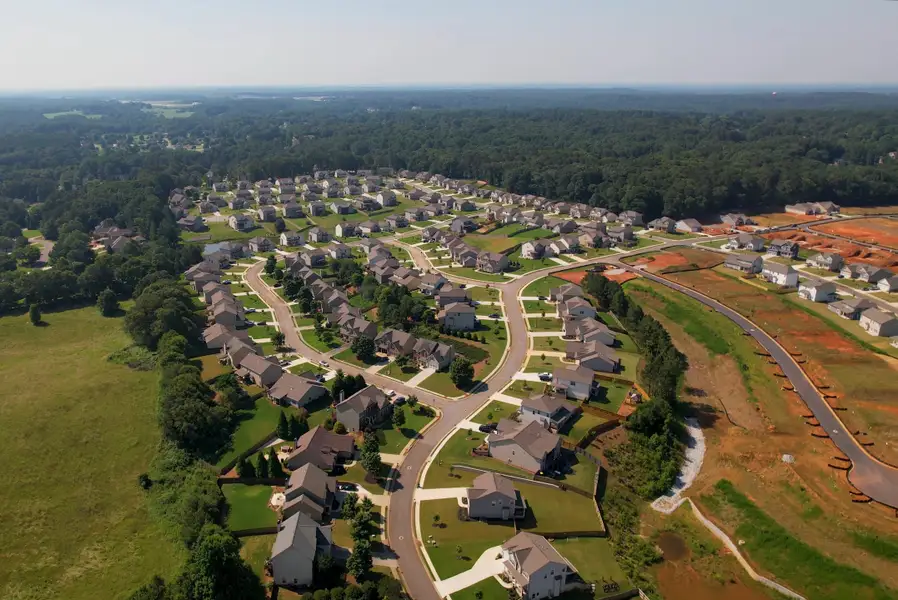
- Auburn - established neighborhoods plus newer subdivisions along the Gwinnett line
- Bethlehem - fast-growing residential corridors and light commercial property
- Braselton - master-planned communities and mixed-use development
- Statham - smaller-lot homes and rural properties toward the Oconee County line
- Carl and Russell - rural residences, farm structures and outbuildings
- Apalachee River corridor - properties exposed to flash flood risk
Service also extends into adjacent Gwinnett, Jackson, Walton and Clarke County communities, including the Athens area and Lake Lanier shoreline neighborhoods where storm and flood work overlaps.
Seasonal Damage Patterns in Barrow County
Winter (December - February)
- Frozen and burst supply lines in crawlspaces, garages and exterior walls
- Ice storm roof loading and subsequent interior water damage
- Heating equipment, fireplace and space heater fires driving smoke damage calls
Spring (March - May)
- Peak severe weather season - tornadoes, straight-line winds and hail
- Flooded basements as saturated soils push groundwater through foundation walls
- Sewage backups when heavy rain overwhelms lines and septic fields
Summer (June - August)
- Highest mold activity of the year, particularly in crawlspaces and closed-off rooms
- Condensation and drain line failures on hard-working air conditioning systems
- Afternoon thunderstorm flash flooding along creeks and river bottoms
Fall (September - November)
- Tropical remnants delivering multi-day rainfall and roof intrusion
- Clogged gutters redirecting water toward foundations
- Early-season heating startup fires and furnace puff-back soot events
Housing Characteristics & Restoration Considerations
Barrow County's building stock spans more than a century, which means restoration methods change street by street.
Older Homes in Winder and Rural Barrow
- Pier-and-beam or vented crawlspace foundations that trap humidity against wood framing
- Plaster and older drywall assemblies that absorb water and smoke odor deeply
- Galvanized or early copper plumbing prone to pinhole leaks and freeze failure
- Limited insulation, allowing condensation inside wall cavities
- Balloon framing in some historic properties, giving fire and smoke a vertical path
Newer Subdivisions Toward Auburn, Bethlehem and Braselton
- Slab-on-grade and finished basement construction with engineered wood subfloors
- Open-plan layouts that let kitchen smoke reach every connected living area
- Attached garages sharing walls with living space, a common fire pathway
- Occasional installation deficiencies from rapid construction - loose fittings, gaps in flashing
- Tight building envelopes that hold moisture in without mechanical drying
How That Shapes the Work
- Moisture mapping identifies which assemblies can be dried and which must be removed
- Contaminated porous material from sewage events is removed rather than cleaned
- Crawlspace mold work often includes subfloor and framing replacement, not surface treatment
- Fire jobs move from stabilization into reconstruction of framing, drywall, trim and flooring
- Finishes are matched so repairs blend with the rest of the home
Environmental Conditions & Damage Implications
The Piedmont environment around Barrow County influences how quickly damage spreads and how long drying takes.
Climate and Humidity
- Humid subtropical conditions with summer dew points that stall passive drying
- Annual rainfall well above the national average, concentrated in intense events
- Freeze-thaw cycling that stresses plumbing, roofing and masonry each winter
Soil and Drainage
- Red Georgia clay with low permeability, sending runoff toward foundations instead of absorbing it
- Clay expansion and contraction that opens hairline cracks in basement walls and slabs
- Saturated ground that reduces septic drain field performance and contributes to backups
Air and Water Quality Factors
- High indoor humidity supporting mold colonization on drywall paper, insulation and framing
- Heavy pollen loading that fouls HVAC filters and complicates post-fire air cleaning
- Mineral content in some water supplies that leaves residue on affected surfaces
- Well and septic properties in rural areas requiring extra care during sewage cleanup
What This Means for Restoration
- Dehumidification is sized for regional humidity, not textbook conditions
- Crawlspaces and basements receive moisture readings, not visual checks alone
- Exterior grading and drainage issues are documented so the same loss does not repeat
- Air filtration runs throughout smoke and mold projects to protect occupants
From Emergency Response to Full Reconstruction in Barrow County
Some losses stop at cleanup and drying. Others - a tornado that opens a roofline, a kitchen fire that consumes cabinetry and framing, a crawlspace where mold has compromised the subfloor - require rebuilding. Handling both stages under one project keeps the timeline moving and the paperwork consistent.
How a Project Progresses
- Emergency contact and dispatch - crews head out with extraction, drying and board-up equipment
- Damage assessment - moisture meters, thermal imaging and photo documentation establish the full scope
- Stabilization - water removed, utilities checked, tarping or board-up installed, contaminated material contained
- Mitigation - structural drying, soot and odor treatment, antimicrobial application, mold containment and removal
- Demolition - unsalvageable drywall, insulation, flooring and framing removed to sound material
- Reconstruction - framing, subfloor, drywall, paint, trim, cabinetry and flooring restored
- Final walkthrough - verification readings and a review of completed work with the property owner
Why a Single Point of Contact Helps
- No handoff gap between the mitigation crew and the rebuild crew
- Insurance documentation compiled continuously rather than reassembled later
- Hidden damage found during demolition addressed immediately instead of triggering a new claim cycle
- Consistent communication for homeowners, business owners and property managers juggling tenants
Barrow County properties face storms, freezes, humidity and clay soils in combination, so restoration here is rarely a single-trade job. Whether the call involves a flooded basement in Winder, sewage cleanup at a rural Statham property, smoke damage in an Auburn subdivision or mold in a Bethlehem crawlspace, the goal stays the same - a dry, clean, structurally sound building that looks the way it did before.