
Damage Restoration in Winder, GA
- Damage Restoration Services Overview
- Common Damage Restoration Issues in Winder, Georgia
- Neighborhoods We Serve in Winder
- Seasonal Damage Patterns in Winder
- Housing Characteristics & Restoration Considerations
- Environmental Conditions & Damage Implications
- Working Through an Insurance Claim After a Winder Property Loss
Damage Restoration Services Overview
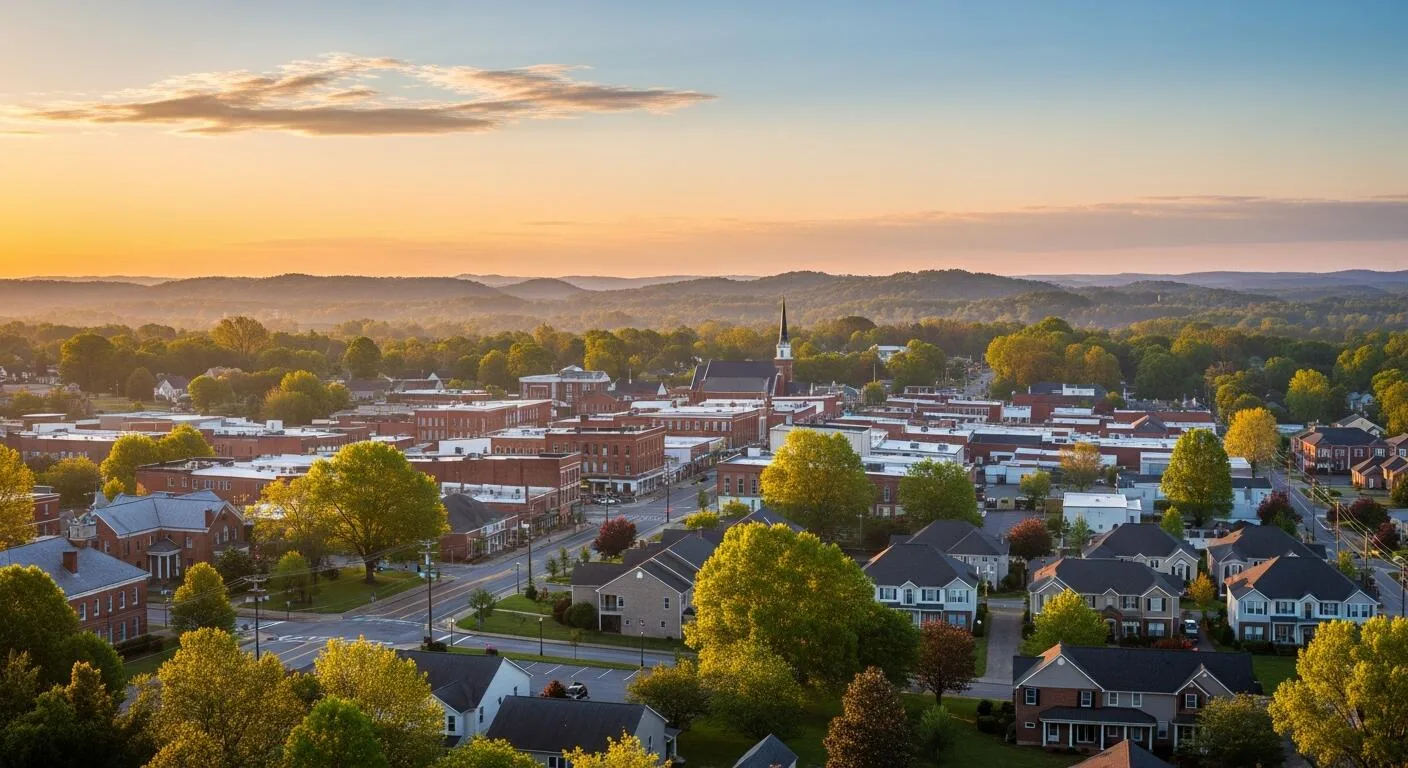
Water spreads through a Winder home faster than most homeowners expect. Within hours, drywall wicks moisture upward, hardwood cups, and microbial growth begins in dark cavities. Fire and smoke behave the same way - soot residues become more acidic and harder to remove with every passing day.
Restoration in Barrow County covers a connected set of specialties, each addressing a different type of loss:
- Water damage restoration - extraction, structural drying, and moisture mapping after burst supply lines, appliance failures, or roof leaks
- Flooded basement recovery - pumping standing water, drying below-grade walls and slabs, and identifying the entry point
- Sewage cleanup - containment, removal of contaminated porous materials, and antimicrobial treatment of affected surfaces
- Fire damage restoration - debris removal, board-up, structural cleaning, and rebuilding of charred assemblies
- Smoke damage restoration - soot removal from framing and finishes, HVAC cleaning, and odor neutralization
- Mold removal - containment barriers, negative air pressure, material removal, and correcting the moisture source
For Winder residents, the benefit of coordinated service is simple: one crew documents the loss, dries the structure, and handles reconstruction, which keeps insurance paperwork consistent and prevents secondary damage from slipping through the cracks.
Common Damage Restoration Issues in Winder, Georgia
Winder sits roughly 50 miles northeast of Atlanta in the Apalachee River corridor, and local geography plays a direct role in how property damage develops.
What Causes Losses Here
- Freeze-thaw plumbing stress - January and February cold snaps rupture supply lines in crawl spaces and exterior walls, especially in older homes near Broad Street
- Spring rainfall volume - saturated red clay pushes water through foundation cracks, window wells, and basement wall-floor joints
- Storm damage - wind-thrown limbs open roof decking, allowing water into attics and ceiling cavities
- Aging drain lines - clay or cast iron laterals crack or collapse, backing sewage into basements and lower-level bathrooms
- Kitchen and electrical fires - older wiring and heavy winter space heater use raise ignition risk
Warning Signs Winder Homeowners Report
- Warped, cupping, or springy flooring near dishwashers, water heaters, and refrigerators
- Brown ring stains on ceilings that reappear after rain
- Persistent musty odor in a basement or crawl space, even when nothing looks wet
- Efflorescence - white powdery residue - on block or poured concrete walls
- Gurgling floor drains or slow fixtures throughout the house at once
- Smoke odor that returns in humid weather after a small kitchen fire
- Visible growth on baseboards, closet corners, or the underside of subflooring
Any of these signals moisture that has already moved beyond the surface, which is why moisture meters and thermal imaging are used before demolition decisions are made.
Neighborhoods We Serve in Winder
Crews work across the city and the wider Barrow County area, with familiarity for how drainage and construction differ block by block.
- Downtown Winder and Broad Street - older homes, crawl spaces, original plumbing runs
- Athens Street corridor - mixed-age housing with basements and additions
- Fort Yargo State Park area - wooded lots with heavy tree cover and storm exposure
- Winder Highway and Loganville Highway corridors
- Countryside, Ivy Creek, and Chimney Springs style subdivisions - newer slab and basement builds
- Surrounding communities - Auburn, Statham, Bethlehem, Bogart, Braselton, Dacula, and Hoschton
Rural properties outside city limits often rely on well water and septic systems, which changes the approach to both sewage cleanup and post-loss water testing. Homes closer to the Apalachee River and its tributary creeks see more frequent basement and crawl space intrusion during sustained rain.
Seasonal Damage Patterns in Winder
Winter (December - February)
- Frozen and burst pipes in crawl spaces, garages, and exterior walls
- Peak fire and smoke damage season from heating equipment, fireplaces, and space heaters
- Ice dam and roof leak issues during rare freeze events
Spring (March - May)
- Highest volume of flooded basements from prolonged rain and saturated clay soil
- Sewage backups as groundwater infiltrates aging lateral lines
- Storm-driven roof and window water intrusion
Summer (June - August)
- Mold removal calls peak as humidity climbs and unconditioned spaces stay damp
- HVAC condensate overflows and clogged drain pans
- Afternoon thunderstorms and lightning-related fires
Fall (September - November)
- Tropical remnant rainfall producing sudden basement flooding
- Clogged gutters from leaf fall redirecting water toward foundations
- First furnace runs revealing dust, soot, and smoke odor problems
Delayed-discovery losses appear year-round in vacation homes and rental properties, where a slow leak may run for weeks before anyone notices.
Housing Characteristics & Restoration Considerations
Winder's housing stock spans more than a century, and each era brings its own restoration challenges.
Older Homes Near Downtown
- Plaster and lath walls hold moisture longer than drywall and require patient drying rather than immediate removal
- Original hardwood over plank subfloor often responds to specialty floor drying mats if addressed quickly
- Vented crawl spaces with dirt floors act as humidity reservoirs, feeding mold growth in floor joists
- Galvanized or early copper supply lines that fail without warning
- Knob-and-tube or early wiring remnants that raise fire risk and require electrical evaluation after a loss
- Possible asbestos or lead-based finishes requiring testing before demolition
Mid-Century and 1980s - 1990s Homes
- Block or poured basement walls prone to seepage at the cold joint
- Finished basement rec rooms with carpet, paneling, and studwalls that trap water
- Cast iron drain stacks nearing the end of service life
Newer Subdivision Construction
- Slab-on-grade layouts where water travels laterally under flooring and into wall bases
- Engineered flooring and MDF trim that swell permanently once saturated
- Tight building envelopes that hold smoke odor and humidity, making HVAC cleaning and dehumidification more important
- Second-floor laundry rooms that flood multiple levels when a hose fails
Documenting these material differences up front determines whether a component can be dried in place or has to be removed and rebuilt.
Environmental Conditions & Damage Implications
Georgia's Piedmont climate creates conditions that make drying slower and microbial growth faster than in drier regions.
Climate and Humidity
- Humid subtropical pattern with long, muggy summers and annual rainfall well above the national average
- Outdoor dew points from June through September often exceed indoor target levels, so open windows work against drying
- Closed drying systems with commercial dehumidifiers are used rather than natural ventilation
Soil and Drainage
- Dense red clay holds water against foundations and drains slowly after storms
- Clay expansion and contraction stresses basement walls, opening hairline cracks that later leak
- Flat or negative grading near older homes channels roof runoff toward the structure
- Yard drainage and downspout extensions are often part of preventing repeat basement flooding
Water and Air Quality Factors
- Rural septic systems can surcharge during heavy rain, creating category three contamination indoors
- Well water losses may warrant post-cleanup testing before reoccupancy
- High pollen counts and summer ozone mean HVAC systems already carry a load - after a fire, soot bonds with that debris and spreads odor through every register
- Crawl space vapor barriers and encapsulation reduce the humidity that drives recurring mold
Because ambient moisture stays elevated much of the year, the drying phase alone generally needs at least three days of monitored equipment run time to reach accepted moisture standards.
Working Through an Insurance Claim After a Winder Property Loss
Most restoration projects in Winder involve an insurance carrier, and how the first 48 hours are documented shapes the entire claim. Photographs, moisture readings, and material inventories taken before demolition carry far more weight than descriptions written afterward.
A Practical Sequence
- Stop the source - shut off water at the main, kill power to affected circuits, or leave the structure if fire damage compromised it
- Document everything - wide photos of each room, close-ups of damaged contents, and a written note of when the loss was discovered
- Report the claim - contact your carrier and record the claim number and adjuster contact
- Bring in mitigation - emergency extraction, board-up, or containment can begin before the adjuster arrives; policies require reasonable steps to prevent further loss
- Establish scope - moisture mapping, affected material lists, and drying plans are shared with the adjuster
- Complete drying and remediation - daily readings confirm progress toward dry standard
- Rebuild - drywall, flooring, trim, paint, and cabinetry restored to pre-loss condition
What Winder Homeowners Should Know
- Coverage differs sharply between sudden pipe failures and groundwater seepage - sewer and drain backup coverage is often a separate endorsement
- Mold coverage is frequently capped, which makes fast water removal a financial decision as much as a health one
- Fire claims typically include structural repair, contents cleaning, and additional living expenses while the home is unlivable
- Keep receipts for anything purchased during displacement
- Do not discard damaged items until they have been photographed and inventoried
Timelines vary, but most Winder projects run roughly three to seven days for drying and remediation, with reconstruction adding another one to two weeks depending on what is uncovered behind walls and under floors.





