Damage Restoration in Gwinnett, GA
- Damage Restoration Services Overview
- Common Damage Restoration Issues in Gwinnett, Georgia
- Neighborhoods We Serve in Gwinnett
- Seasonal Damage Patterns in Gwinnett
- Housing Characteristics & Restoration Considerations
- Environmental Conditions & Damage Implications
- Lake Lanier Proximity & Water-Related Restoration Challenges
Damage Restoration Services Overview
When disaster strikes your property in Gwinnett County, do you know who to call for immediate, professional restoration? Property damage can happen without warning, turning your safe haven into a stress-filled situation requiring immediate attention.
Gwinnett residents have access to comprehensive damage restoration services that address every type of emergency. These services include:
- Water damage restoration for burst pipes, appliance failures, and storm flooding
- Flooded basement cleanup and structural drying
- Sewage cleanup and sanitization for health safety
- Fire damage restoration including structural repairs
- Smoke damage restoration and odor elimination
- Mold removal and prevention strategies
Professional restoration teams in Gwinnett County operate 24/7, understanding that water damage, fire emergencies, and mold growth don't wait for convenient business hours. These services protect your property value while ensuring your family's health and safety.
Local companies like Level Creek Property Restoration have established strong reputations for handling complex restoration projects throughout Gwinnett County. Their trained professionals work directly with insurance companies, streamlining the claims process while focusing on returning your property to pre-damage condition.
Common Damage Restoration Issues in Gwinnett, Georgia
Gwinnett County's climate and infrastructure create specific challenges for property owners. The region's humid subtropical climate promotes mold growth, while aging water systems increase the risk of plumbing failures.
Most frequent damage issues include:
- Burst water heaters causing extensive water damage in basements and main floors
- Drainage line leaks affecting multiple rooms and requiring immediate water extraction
- Storm-related flooding during Georgia's intense thunderstorm season
- HVAC system failures leading to moisture accumulation and mold development
- Kitchen and bathroom pipe breaks causing water damage to adjacent rooms
- Electrical fires from older wiring systems in established neighborhoods
Warning signs property owners should monitor:
- Musty odors indicating potential mold growth behind walls
- Water stains on ceilings suggesting roof leaks or pipe issues
- Soft or warped flooring near appliances and plumbing fixtures
- Unusual increases in water bills pointing to hidden leaks
- Smoke detector activation or burning smells requiring immediate investigation
Local restoration companies report that Lilburn and Norcross homeowners frequently contact them for water damage from broken pipes and drainage issues. These problems often affect multiple rooms, requiring comprehensive restoration services including structural drying, flooring replacement, and mold prevention treatments.
Neighborhoods We Serve in Gwinnett
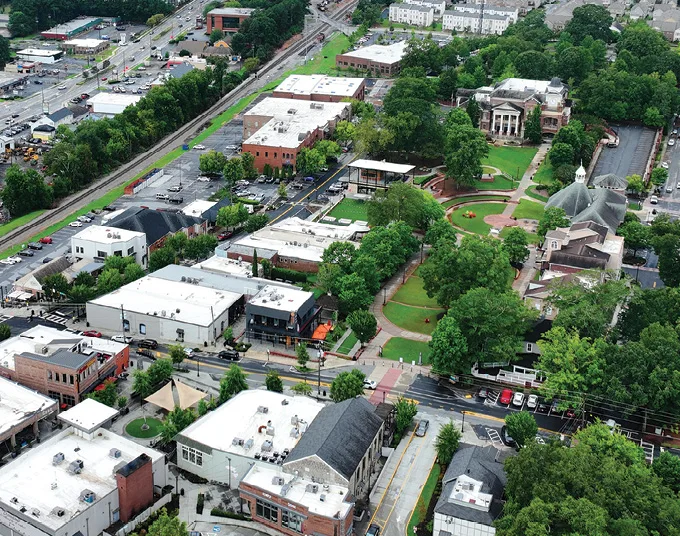
Professional damage restoration services cover all areas throughout Gwinnett County, responding quickly to emergencies in both established communities and newer developments.
Primary service areas include:
- Lawrenceville - Historic downtown and surrounding residential areas
- Duluth - Mixed commercial and residential zones
- Norcross - Established neighborhoods with mature housing stock
- Lilburn - Family-friendly communities and townhome developments
- Snellville - Suburban neighborhoods and custom home areas
- Sugar Hill - Growing residential communities
- Buford - Lake Lanier area properties and established subdivisions
- Dacula - Rural and suburban mixed developments
- Grayson - Newer subdivisions and established family neighborhoods
Service teams also respond to calls in unincorporated Gwinnett County areas, ensuring comprehensive coverage for all property types. Response times typically remain under one hour for emergency situations, regardless of location within the county.
Seasonal Damage Patterns in Gwinnett
Gwinnett County experiences distinct seasonal patterns that influence the types and frequency of property damage throughout the year.
Spring (March - May) brings the highest risk for:
- Storm-related water damage from heavy rains and severe weather
- Flooded basements during Georgia's intense thunderstorm season
- Mold growth acceleration due to increased humidity levels
Summer (June - August) sees increased incidents of:
- HVAC system failures causing moisture problems and potential mold
- Electrical fires from overloaded cooling systems
- Water heater failures due to increased usage demands
Fall (September - November) typically involves:
- Roof damage from falling trees and storm debris
- Heating system fires as furnaces restart after summer dormancy
- Pipe preparation issues before winter freeze potential
Winter (December - February) commonly features:
- Frozen pipe bursts during occasional hard freezes
- Fireplace and chimney-related smoke damage
- Ice dam formation causing roof leaks and water intrusion
Housing Characteristics & Restoration Considerations
Gwinnett County's housing stock spans several decades, creating unique restoration challenges based on construction methods and materials used during different building periods.
Housing characteristics affecting restoration needs:
- Homes built 1980s-1990s often feature original plumbing systems requiring complete replacement during water damage restoration
- Newer construction (2000s+) typically includes better moisture barriers but may have warranty issues affecting fire damage repairs
- Ranch-style homes common in established neighborhoods present easier access for water extraction and mold remediation
- Two-story homes require specialized equipment for smoke damage restoration in upper levels
- Basement-equipped properties need comprehensive flooding solutions and waterproofing systems
Construction materials impact restoration approaches:
- Hardwood flooring requires careful drying techniques to prevent warping and cupping
- Carpet and padding typically need complete replacement after sewage contamination
- Drywall absorption rates vary by age, affecting water damage restoration timelines
- Insulation types determine mold removal strategies and replacement requirements
Many Gwinnett properties feature finished basements that become particularly vulnerable during flooding events. These spaces often contain valuable electronics, furniture, and personal items requiring specialized restoration techniques. Professional teams use advanced moisture detection equipment to identify hidden water damage in wall cavities and beneath flooring surfaces.
Environmental Conditions & Damage Implications
Gwinnett County's environmental conditions significantly influence property damage patterns and restoration requirements. The region's humid subtropical climate creates year-round challenges for moisture control and mold prevention.
Climate factors affecting restoration needs:
- Average humidity levels of 60-70% accelerate mold growth after water damage incidents
- Annual rainfall of 50+ inches increases basement flooding risks
- Temperature fluctuations stress building materials and plumbing systems
- Severe weather patterns bring wind damage, hail, and flash flooding
Soil conditions impact foundation and water management:
- Clay-heavy soils common in Gwinnett retain water, increasing basement seepage
- Poor drainage around foundations leads to recurring water intrusion
- Soil settling affects plumbing integrity and increases leak potential
- Groundwater levels fluctuate seasonally, affecting basement moisture
Air quality considerations for restoration:
- High pollen counts require specialized filtration during fire damage restoration
- Outdoor humidity affects indoor drying times for water damage projects
- Seasonal allergens complicate smoke damage cleanup procedures
- Industrial activity in certain areas influences air quality during restoration
These environmental factors require restoration professionals to adapt their techniques based on seasonal conditions. Mold remediation projects take longer during summer months due to elevated humidity, while winter restoration work may require additional heating and dehumidification equipment to achieve proper drying conditions.
Lake Lanier Proximity & Water-Related Restoration Challenges
Gwinnett County's proximity to Lake Lanier creates unique water-related challenges that significantly impact property restoration needs throughout the region. Properties near the lake face elevated risks for water damage, flooding, and moisture-related issues that require specialized restoration approaches.
Lake-proximity factors affecting restoration:
- Higher groundwater levels near Lake Lanier increase basement flooding frequency
- Seasonal water level fluctuations affect soil moisture and foundation stability
- Increased humidity from the lake accelerates mold growth after water damage
- Storm runoff patterns direct water toward lake-adjacent properties
- Recreational boating accidents occasionally cause property damage requiring fire and water restoration
Specific restoration challenges for lake-area properties:
- Basement waterproofing systems require more robust solutions due to hydrostatic pressure
- Sewage backup risks increase during heavy rains when municipal systems become overwhelmed
- Mold prevention strategies must account for consistently elevated moisture levels
- Fire damage restoration requires consideration of water access for emergency responders
- Smoke damage cleanup must address outdoor recreational equipment and boat storage areas
Properties in Buford and northern Gwinnett areas particularly benefit from restoration companies experienced with lake-related challenges. These professionals understand how proximity to large water bodies affects drying times, equipment selection, and long-term moisture control strategies.
Restoration teams working near Lake Lanier often coordinate with local emergency services and understand the unique access challenges presented by waterfront properties. They maintain specialized equipment for properties with limited road access and understand how lake conditions affect restoration timelines and techniques.