
Damage Restoration in Perry, GA
- Damage Restoration Services Overview
- Common Damage Restoration Issues in Perry, Georgia
- Neighborhoods We Serve in Perry
- Seasonal Damage Patterns in Perry
- Housing Characteristics & Restoration Considerations
- Environmental Conditions & Damage Implications
- Insurance-Friendly, Start-to-Finish Restoration for Perry Property Owners
Damage Restoration Services Overview
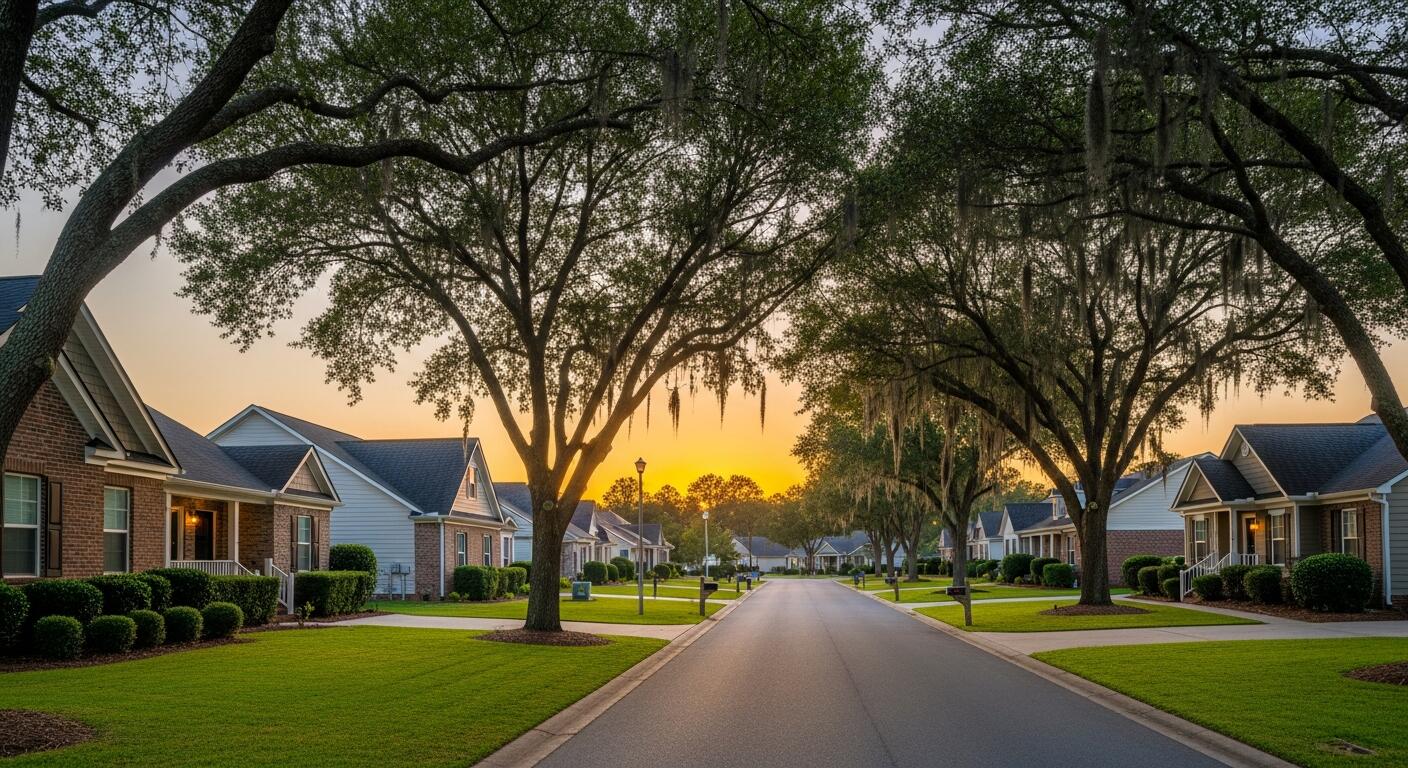
Perry sits in a part of Middle Georgia that receives roughly 48 inches of rain each year - more annual rainfall than Seattle. That moisture, combined with humid summers and the region's dense clay soils, means water finds its way into Houston County homes far more often than most owners expect.
Restoration work in Perry covers a wide spectrum of emergencies, and each one demands different equipment, drying strategies, and containment methods. A single storm can produce standing water in a finished basement, a backed-up sewer line, and hidden moisture behind drywall all at once.
- Water Damage Restoration - extraction, structural drying, and moisture mapping after pipe breaks, appliance failures, or roof leaks
- Flooded Basement - pump-out, sump troubleshooting, foundation-wall drying, and content recovery
- Sewage Cleanup - biohazard removal, antimicrobial treatment, and safe disposal of contaminated materials
- Fire Damage Restoration - debris removal, structural cleaning, soot abatement, and rebuild coordination
- Smoke Damage Restoration - odor neutralization, HVAC cleaning, and treatment of porous surfaces
- Mold Removal - containment, HEPA filtration, affected material removal, and humidity control
The benefit of pairing all six under one response team is simple: fewer handoffs, faster drying, and a clearer path through the insurance claim from the first phone call to the final walkthrough.
Common Damage Restoration Issues in Perry, Georgia
Local geography drives most of the damage calls in Perry. Big Indian Creek and its tributaries, flat drainage corridors near Houston Lake Road, and expansive clay subsoil all push water toward foundations rather than away from them.
What Causes Damage Here
- Summer thunderstorms and tropical remnants dumping several inches in an hour, overwhelming gutters and yard drains
- Clay soil that swells when saturated, pressing against block foundations and forcing seepage through cracks
- Aging cast-iron and clay sewer laterals in older neighborhoods near downtown, prone to root intrusion and collapse
- Winter pipe freezes in crawl spaces and unconditioned garages during brief hard freezes
- Kitchen grease fires, space heaters, and electrical faults in homes with older wiring
- Undersized or failed sump pumps in basements and walkout lower levels
Warning Signs Perry Homeowners Should Act On
- Musty odors in a hallway closet, crawl space hatch, or lower-level bedroom
- Bubbling paint, cupping hardwood, or dark staining along baseboards
- Slow floor drains, gurgling toilets, or sewage odor after heavy rain
- Soot film returning on walls weeks after a small kitchen fire
- Persistent smoke odor that intensifies when the HVAC system cycles on
- Condensation on ductwork, windows, or supply vents during humid months
Catching any of these early keeps a drying job from becoming a demolition-and-rebuild job, and it keeps mold spores from colonizing framing and insulation.
Neighborhoods We Serve in Perry
Restoration crews cover Perry proper and the surrounding Houston County communities, with response times shaped by proximity to I-75 and GA-96.
- Downtown Perry and the Carroll Street historic district - older wood-frame homes with pier foundations
- Houston Lake and Houston Lake Road corridor - lakeside properties with elevated moisture exposure
- Northside and the area around Perry High School - established mid-century subdivisions
- Southfield, Bay Gall, and the GA-127 corridor - larger lots with septic and well systems
- New subdivisions off Sam Nunn Boulevard and Valley Drive - slab-built homes with modern plumbing
- Surrounding areas - Bonaire, Kathleen, Warner Robins, Byron, Elko, Hawkinsville, and Fort Valley
Commercial coverage includes properties near the Georgia National Fairgrounds, the Perry Parkway retail district, and warehouse and light-industrial buildings along the interstate frontage.
Seasonal Damage Patterns in Perry
Damage types cluster predictably through the year, which helps homeowners prepare instead of react.
- January - February: Frozen and burst pipes in crawl spaces and exterior walls; fire and smoke damage from space heaters, fireplaces, and overloaded circuits
- March - April: Spring storm systems bring flooded basements, roof leaks, and the first mold growth as temperatures climb
- May - June: Humidity spikes drive mold removal calls; condensation-related water damage around HVAC units and ducts
- July - August: Peak thunderstorm season - flash flooding, sewage backups from overwhelmed lines, and air conditioner condensate overflows
- September - October: Tropical system remnants reaching Middle Georgia produce widespread water intrusion and basement flooding
- November - December: Holiday cooking fires, candle incidents, and smoke damage; early-season pipe vulnerability during the first cold snaps
Mold is the one issue with no true off-season here. Perry's average relative humidity stays high enough year-round that any untreated moisture pocket can support growth within 24 to 48 hours.
Housing Characteristics & Restoration Considerations
Perry's housing stock spans well over a century, and construction era largely determines how a property responds to water, fire, and smoke.
Older Homes (pre-1970)
- Wood-frame construction on brick piers with vented crawl spaces that trap humidity
- Plaster walls and original hardwood floors requiring slower, controlled drying to prevent warping
- Cast-iron drain lines and galvanized supply piping nearing end of service life
- Balloon framing that lets smoke and odor travel vertically between floors
- Possible asbestos-containing floor tile or insulation requiring testing before demolition
Mid-Century and 1980s - 1990s Homes
- Slab-on-grade and partial-basement construction with carpeted lower levels
- Fiberglass batt insulation that holds water and must be removed rather than dried
- Original HVAC ductwork in crawl spaces, a common reservoir for mold and smoke residue
Newer Construction (2000s - present)
- Tighter building envelopes that hold moisture and smoke odor longer without mechanical drying
- Engineered wood subfloors and OSB sheathing that delaminate quickly when saturated
- Open floor plans allowing water and soot to spread across large areas fast
Manufactured and modular homes are also common across Houston County. These need specialized attention because water travels between the floor decking and belly wrap, where it can sit undetected for weeks and feed mold growth under vinyl flooring.
Environmental Conditions & Damage Implications
Perry's environment works against drying. Understanding the local conditions explains why professional dehumidification matters more here than in drier climates.
Climate and Humidity
- Long, humid summers with dew points frequently in the 70s, limiting how much moisture open windows and fans can remove
- Mild winters that keep mold-friendly temperatures present much of the year
- Heavy convective rainfall that saturates soil faster than it can absorb
Soil and Groundwater
- Red clay and clay loam subsoils with slow percolation, holding water against foundation walls
- Sandy surface layers in some areas near the Ocmulgee floodplain, allowing rapid infiltration into crawl spaces
- Shallow seasonal water tables that push hydrostatic pressure through basement slab joints
Air and Water Quality Factors
- High pollen loads in spring that combine with soot particles to worsen indoor air after a fire
- Well water on rural properties, where sewage backups risk cross-contamination and require thorough disinfection
- Municipal system surcharging during downpours, a frequent cause of basement sewage intrusion
Because of these conditions, effective restoration means measured drying to documented moisture targets, HEPA air scrubbing during mold and smoke work, and sealed containment so airborne contaminants do not migrate into unaffected rooms.
Insurance-Friendly, Start-to-Finish Restoration for Perry Property Owners
The most common frustration after a loss is not the damage itself - it is the scramble to coordinate a plumber, a drying company, a mold specialist, an adjuster, and a contractor while the property keeps deteriorating. A single-source restoration team removes that burden.
How the Process Works
- Emergency contact, 24/7 - crews dispatched around the clock to Perry, Bonaire, Kathleen, and Warner Robins
- Inspection and damage assessment - moisture meters, thermal imaging, and air sampling establish the true scope, including hidden water behind cabinets and inside wall cavities
- Stop the source and stabilize - water extraction, board-up and tarping after fire, and containment barriers before any mold or sewage work begins
- Removal of unsalvageable materials - saturated insulation, contaminated carpet pad, charred framing, and mold-colonized drywall
- Structural drying and cleaning - commercial air movers, low-grain refrigerant dehumidifiers, antimicrobial application, soot removal, and HVAC duct cleaning
- Odor and air quality work - thermal fogging or hydroxyl treatment for smoke odor, HEPA scrubbing for spores and particulate
- Reconstruction - drywall, paint, flooring, trim, and cabinetry restored to pre-loss condition
- Final documentation - moisture logs, photos, and clearance results handed to you and your carrier
What Makes the Difference for Your Claim
- Daily moisture readings that prove the structure reached dry standard, not just felt dry
- Line-item scopes written in the format adjusters expect, reducing back-and-forth
- Direct communication with your insurance representative so you are not relaying technical details
- Photo documentation from arrival through completion, protecting you if questions arise later
The result: damage stopped early, contents and structure preserved wherever possible, and one accountable team from the first extraction hose to the final coat of paint.





