
Damage Restoration in Cartersville, GA
- Damage Restoration Services Overview
- Common Damage Restoration Issues in Cartersville, Georgia
- Neighborhoods We Serve in Cartersville
- Seasonal Damage Patterns in Cartersville
- Seasonal Damage Patterns in Cartersville
- Housing Characteristics & Restoration Considerations
- Environmental Conditions & Damage Implications
- Insurance Documentation and the Restoration-to-Rebuild Handoff in Bartow County
Damage Restoration Services Overview
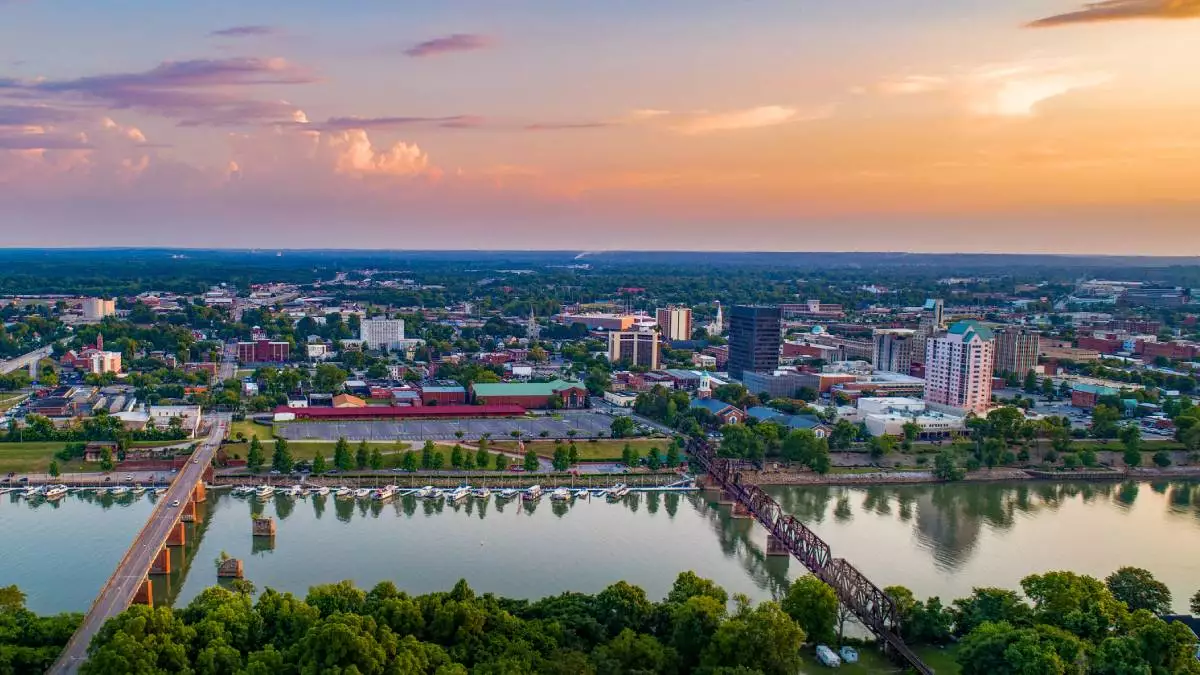
Cartersville sits where the Etowah River valley meets the foothills of the North Georgia mountains - a setting that brings heavy summer thunderstorms, saturated clay soils, and humidity that lingers for months. Those conditions shape how homes here absorb, hold, and hide moisture after a loss.
Property owners in Bartow County and neighboring Polk County face a wide spectrum of damage events, from a burst supply line in a Main Street historic home to a lightning-sparked attic fire in a newer subdivision off Highway 41.
Services available across the area include:
- Water Damage Restoration - extraction, structural drying, moisture mapping, and documentation for insurance
- Flooded Basement cleanup - pumping standing water, treating block walls, drying slabs and framing
- Sewage Cleanup - Category 3 contamination removal, disinfection, and safe disposal of porous materials
- Fire Damage Restoration - stabilization, debris removal, contents cleaning, and structural reconstruction
- Smoke Damage Restoration - soot removal, thermal fogging, HVAC cleaning, and odor neutralization
- Mold Removal - containment, HEPA filtration, affected material removal, and clearance verification
The benefit of a single restoration partner is continuity. One team handles emergency response, drying, cleaning, and rebuild - so nothing gets lost between contractors and your claim documentation stays consistent from the first moisture reading to the final walkthrough.
Common Damage Restoration Issues in Cartersville, Georgia
Local geography drives most losses. Red clay soil holds water against foundations rather than draining it, and many older neighborhoods were built before modern grading and drainage standards.
Frequent Causes of Damage
- Etowah River and creek flooding during spring and tropical storm remnants
- Hydrostatic pressure pushing water through block basement walls and cove joints
- Failed sump pumps during multi-inch rainfall events
- Aging cast iron and clay sewer laterals in older Cartersville neighborhoods
- Tree root intrusion causing sewage backups into basements and crawl spaces
- Winter pipe freezes in crawl spaces and unheated garages during cold snaps
- Kitchen grease fires, chimney fires, and electrical faults in older wiring
- Lightning strikes and storm-driven wind damage that opens roofs to rain
Warning Signs Worth Acting On
- Musty or earthy odor in a basement or crawl space, especially after rain
- Efflorescence - white chalky residue - on foundation walls
- Buckling hardwood, cupped laminate, or soft spots in subfloor
- Cold, damp air rising through floor vents in summer
- Peeling paint or bubbled drywall along baseboards
- Recurring allergy or respiratory symptoms that improve when you leave home
- Gurgling drains or slow toilets, which often precede a sewage backup
- Smoke odor returning on humid days after a fire cleanup - a sign residual soot remains in cavities or ductwork
Left alone, a small leak becomes a mold problem in a matter of days in Georgia humidity. Fast moisture detection is what keeps a water loss from turning into a remediation project.
Neighborhoods We Serve in Cartersville
Coverage extends across Bartow County, Polk County, and the surrounding communities:
- Cartersville, GA 30120 and 30121 - including downtown, the historic district near West Avenue, Dellinger Park area, and newer subdivisions along Highway 20 and Highway 41
- Cassville, GA 30121
- Euharlee, GA 30145 and Kingston, GA 30145
- White, GA 30184 and Rydal, GA 30171
- Emerson, GA 30137
- Taylorsville, GA 30178
- Aragon, GA 30104 and Rockmart, GA 30153
- Adairsville, Allatoona Lake communities, and unincorporated Bartow County
Lakefront and creekside properties near Allatoona and the Etowah see the highest concentration of flooded basement and crawl space calls. Older in-town homes generate more sewage cleanup and fire restoration work tied to legacy plumbing and wiring.
Seasonal Damage Patterns in Cartersville
Seasonal Damage Patterns in Cartersville
- December through February - Frozen and burst pipes in crawl spaces, exterior hose bibs, and vacant properties. Space heater and fireplace fires peak, driving fire and smoke damage restoration calls.
- March through May - Heaviest rainfall of the year. Flooded basements, saturated crawl spaces, sump pump failures, and river-adjacent flooding dominate. Sewage backups rise as overloaded lines surcharge.
- June through August - Humidity above 70 percent turns any unresolved moisture into visible mold growth within days. Severe thunderstorms bring lightning strikes, roof breaches, and wind-driven water intrusion.
- September through November - Tropical storm remnants push inland with several inches of rain. As heating systems restart, dust burn-off and furnace malfunctions produce smoke odor complaints and occasional fires.
Mold removal requests cluster in late summer and early fall, usually tracing back to a spring water event that was never dried to standard.
Housing Characteristics & Restoration Considerations
Cartersville's housing stock spans well over a century, and each era carries its own restoration challenges.
Historic and Pre-1960 Homes
- Plaster over wood lath that holds moisture far longer than drywall
- Original hardwood floors requiring controlled drying to avoid permanent cupping
- Knob-and-tube or early wiring that raises fire risk and complicates rebuild
- Possible asbestos-containing materials and lead paint requiring careful handling during demolition
- Vented crawl spaces with minimal or missing vapor barriers
1970s through 1990s Ranch and Split-Level Homes
- Partially finished basements with carpet, paneling, and framing directly against block walls
- Polybutylene or early copper supply lines prone to pinhole leaks
- Undersized or aging sump systems
- Ductwork routed through crawl spaces where condensation feeds mold
Newer Subdivision Construction
- Tight building envelopes that trap moisture and concentrate smoke odor
- Engineered wood I-joists and OSB subfloor that delaminate quickly when wet
- Slab-on-grade layouts where water wicks laterally under flooring before showing
- Multi-story designs where a second-floor supply failure affects three levels
These differences change the drying plan. Plaster and dense hardwood need longer dehumidification cycles, while OSB and engineered flooring often require removal rather than drying. Fire and smoke work also varies - open historic layouts spread soot broadly, while tight modern homes drive odor deep into insulation and HVAC systems.
Environmental Conditions & Damage Implications
Northwest Georgia's climate and geology work against drying and in favor of microbial growth.
Climate and Humidity
- Roughly 50 to 55 inches of annual rainfall, well above the national average
- Summer dew points regularly in the 70s, meaning outdoor air cannot be used to dry interiors
- Mild winters that never fully halt mold activity in crawl spaces
- High-capacity desiccant or LGR dehumidification is often necessary rather than optional
Soil and Groundwater
- Dense Piedmont red clay that expands when wet and holds water against foundations
- Karst and limestone influence in parts of Bartow County affecting groundwater movement
- Seasonal high water tables near the Etowah River, Pettit Creek, and Allatoona tributaries
- Clay shrinkage in drought creating gaps that channel water straight to footings
Water and Air Quality Factors
- Well-served rural properties where a sewage backup may also involve septic field failure
- Iron and mineral content in groundwater that stains materials and complicates cleaning
- Pollen loads in spring that combine with post-fire soot to worsen indoor air quality
- Wood smoke and seasonal agricultural burning that can mask early fire-odor detection
Practical implication: any water loss in this environment needs verified drying with moisture meters and documented readings, not a visual guess. Crawl space encapsulation and improved exterior grading frequently accompany restoration work to prevent repeat losses.
Insurance Documentation and the Restoration-to-Rebuild Handoff in Bartow County
Most Cartersville homeowners have never filed a large property claim before. The gap between emergency mitigation and finished reconstruction is where projects stall - and where documentation matters most.
What Proper Documentation Includes
- Photo and video record of conditions before any material is removed
- Daily moisture readings from affected materials, logged by location
- Psychrometric data showing temperature, relative humidity, and grain depression
- Equipment placement logs justifying the number of air movers and dehumidifiers
- Category and class designation for the water source - clean, gray, or sewage
- Scope line items written in the estimating format adjusters expect
How the Process Typically Flows
- Emergency response - stop the source, extract standing water, stabilize the structure, tarp or board up after fire or storm damage.
- Assessment and scoping - map moisture, identify contamination category, test for mold where conditions suggest growth.
- Controlled demolition - remove unsalvageable drywall, insulation, flooring, and any porous material exposed to sewage.
- Drying and cleaning - run containment and dehumidification, clean soot from surfaces and contents, treat HVAC systems for smoke residue.
- Verification - confirm dry standard is met and, for mold projects, obtain third-party clearance before rebuilding.
- Reconstruction - rebuild framing, drywall, flooring, cabinetry, and finishes to match the original.
Why Local Experience Helps
- Familiarity with Bartow County permitting and inspection requirements for structural repairs
- Working knowledge of historic district considerations in downtown Cartersville
- Established relationships with regional adjusters handling North Georgia storm claims
- Understanding of which subdivisions and rural roads flood first during heavy rain
Certified technicians with decades of combined experience in water and fire restoration keep the mitigation and rebuild phases connected - so the drying data supports the repair scope, and homeowners are not left negotiating alone.





