
Damage Restoration in Rockmart, GA
- Damage Restoration Services Overview
- Common Damage Restoration Issues in Rockmart, Georgia
- Neighborhoods We Serve in Rockmart
- Seasonal Damage Patterns in Rockmart
- Seasonal Damage Patterns in Rockmart
- Housing Characteristics & Restoration Considerations
- Environmental Conditions & Damage Implications
- Emergency Response and Insurance Documentation for Rockmart Property Owners
Damage Restoration Services Overview
What happens in the first hour after you discover water pouring across your basement floor or smell smoke lingering in your walls? For Rockmart property owners, that first hour often determines whether a problem stays contained or spreads into structural repairs and health concerns.
Restoration work in Polk County covers a connected group of services, each addressing a different type of loss:
- Water Damage Restoration - extraction, structural drying, and moisture mapping after pipe breaks, appliance failures, roof leaks, and AC condensation problems
- Flooded Basement - pumping standing water, drying below-grade walls and slabs, and addressing the drainage issue behind the intrusion
- Sewage Cleanup - removal of contaminated material, antimicrobial treatment, and safe disposal following backups or septic failures
- Fire Damage Restoration - debris removal, structural stabilization, contents cleaning, and reconstruction
- Smoke Damage Restoration - soot removal from surfaces and HVAC systems plus odor neutralization deep in porous materials
- Mold Removal - containment, source correction, affected material removal, and air scrubbing
Companies serving Rockmart - including PENCO Restoration with more than 2,000 completed projects across Georgia, SERVPRO, and Snider Restoration Services on E Paulding - staff IICRC-certified technicians available around the clock. The benefit for homeowners and business owners is straightforward: faster stabilization, less material loss, and clearer documentation for insurance claims.
Common Damage Restoration Issues in Rockmart, Georgia
Rockmart sits along Euharlee Creek in the Piedmont foothills, where clay-heavy soil, rolling terrain, and heavy summer thunderstorms combine to push water toward foundations rather than away from them.
Frequent Causes of Loss
- Thunderstorm downpours overwhelming gutters, downspouts, and yard drainage
- Groundwater pressure against basement and crawl space walls after saturating rain
- Sewer backups and septic system overloads during extended wet periods
- Failed water heaters, washing machine hoses, and supply lines in older homes
- Condensate line clogs and AC pan overflows during humid Georgia summers
- Kitchen fires, electrical faults, and space heater incidents in cooler months
- Lightning strikes and wind-driven tree damage opening the building envelope
Warning Signs Worth Acting On
- Musty or earthy odors in basements, closets, or near HVAC returns
- Buckled hardwood, bubbling paint, or dark staining along baseboards
- Efflorescence - white powdery residue - on block or poured foundation walls
- Recurring allergy symptoms that ease when you leave the house
- Gurgling floor drains or slow toilets, both early signals of sewer trouble
- Soot film on ceilings or a smoke smell that returns on humid days
Because Rockmart's humidity keeps materials from drying naturally, moisture that lingers past 48 hours frequently becomes a mold removal project rather than a simple water cleanup.
Neighborhoods We Serve in Rockmart
Restoration crews cover Rockmart proper and reach across Polk County and neighboring communities.
- Downtown Rockmart and the historic district along Piedmont Avenue
- Neighborhoods surrounding Nathan Dean Park and the Silver Comet Trail corridor
- Properties along Highway 278, Highway 113, and Van Wert Road
- Aragon, Fish Creek, and Grady areas
- Rural acreage and septic-served homes throughout eastern Polk County
- Cedartown, Taylorsville, Braswell, and the Paulding County line communities
- Commercial and light industrial properties near the rail corridor
Response teams also serve churches, schools, retail spaces, and small manufacturing facilities in the area. Familiarity with local street layouts and flood-prone low spots along creek drainages helps crews arrive prepared with the right extraction and drying equipment for each address.
Seasonal Damage Patterns in Rockmart
Seasonal Damage Patterns in Rockmart
- December through February - Frozen and burst pipes in crawl spaces, unheated garages, and older uninsulated walls. Heating equipment, fireplaces, and space heaters drive the year's highest fire and smoke damage volume.
- March through May - Severe spring storm season. Saturated clay soil and heavy rainfall produce the most flooded basement calls, along with wind and hail breaches that let water into attics and upper floors.
- June through August - Peak humidity fuels mold growth in crawl spaces, basements, and behind wall cavities. AC condensate leaks, overflowing drain pans, and afternoon thunderstorm flash flooding dominate water damage work. Sewage backups rise when heavy rain overloads lines and septic fields.
- September through November - Tropical remnants can still deliver several inches of rain. Falling leaves clog gutters and downspouts, redirecting roof runoff against foundations. Grill fires, burn piles, and first-use furnace incidents begin appearing.
Mold remediation requests trail water events by two to six weeks, which is why post-storm inspections matter even when a property looks dry.
Housing Characteristics & Restoration Considerations
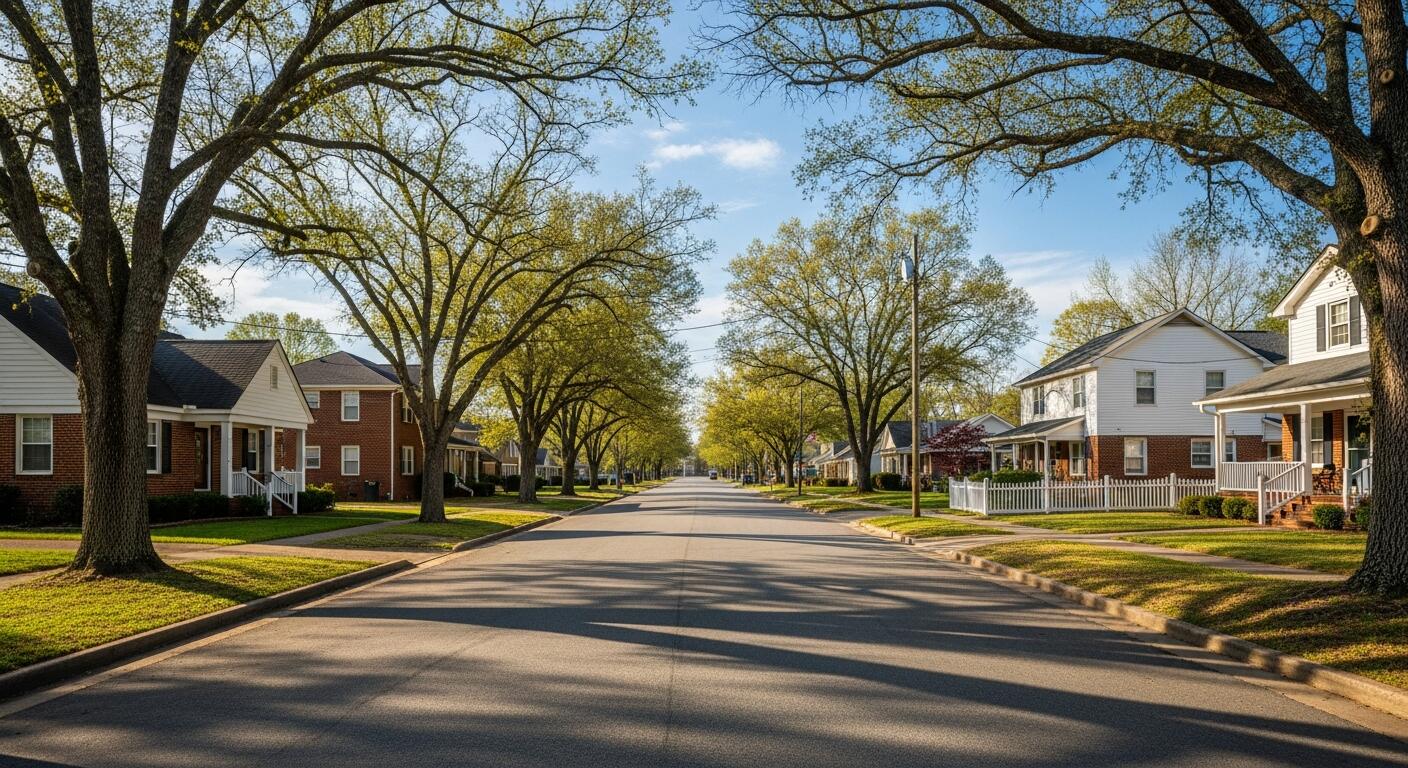
Rockmart's housing stock spans more than a century, and each era brings its own restoration challenges.
Common Construction Types
- Early 1900s mill houses and cottages - plaster walls, pier-and-beam foundations, and original wood floors that absorb water quickly and require controlled drying
- Mid-century brick ranches - vented crawl spaces prone to humidity and mold, plus galvanized or early copper plumbing nearing end of life
- 1980s-2000s subdivisions - slab or partial basement construction, drywall interiors, and HVAC systems that spread soot and mold spores quickly
- Newer builds and manufactured homes - tighter envelopes that trap moisture, plus belly-board water accumulation in manufactured units
- Rural properties on septic - higher sewage cleanup risk when drain fields saturate
How This Shapes Restoration
- Homes built before 1980 may contain asbestos-bearing materials or lead paint, requiring careful testing before demolition during fire or water restoration
- Knob-and-tube or aging wiring found during fire damage work often triggers electrical upgrades as part of reconstruction
- Crawl space homes need targeted dehumidification and sometimes vapor barrier replacement to prevent recurring mold
- Finished basements with carpet, paneling, and drywall usually require partial material removal after flooding rather than surface drying alone
- Original hardwood and plaster can often be salvaged with specialty drying equipment when addressed promptly
Environmental Conditions & Damage Implications
Northwest Georgia's climate and geology directly influence how damage develops and how restoration is performed.
Climate and Moisture
- Roughly 50-55 inches of annual rainfall, concentrated in spring and midsummer storms
- Summer relative humidity frequently above 70 percent, slowing natural evaporation
- Mild winters with freeze-thaw cycles that stress pipes and foundation joints
- Long growing season that keeps organic material - leaves, mulch, root mass - against foundations year-round
Soil and Water
- Red Piedmont clay expands when wet and contracts when dry, creating foundation cracks that become water entry points
- Low permeability means rainwater sits at the surface and migrates laterally toward basements and crawl spaces
- Rolling terrain channels runoff into low-lying yards and walkout basements
- Shallow groundwater near creek corridors raises hydrostatic pressure after storms
What It Means for Each Service
- Mold removal - regional humidity makes containment, HEPA filtration, and sustained dehumidification necessary rather than optional
- Flooded basement and water damage - drying plans must account for clay-driven moisture returning through slabs and block walls
- Sewage cleanup - clay soil limits septic absorption, increasing backup risk on rural lots
- Smoke and fire restoration - humid air causes soot to bond with surfaces faster, so early cleaning limits permanent etching and odor retention
Emergency Response and Insurance Documentation for Rockmart Property Owners
Knowing what to do in the first day of a loss shortens the entire project. Restoration providers serving Rockmart operate 24/7 because water spreads and soot sets while you wait.
Steps to Take Immediately
- Make sure everyone is safe and out of any structurally compromised or contaminated space - never wade into standing water near electrical panels or sewage.
- Shut off the water main, or the electricity to the affected zone, if it is safe to reach.
- Call a certified restoration team so extraction and drying equipment can be dispatched.
- Photograph and video everything before moving items, including serial numbers on damaged appliances.
- Notify your insurance carrier and open a claim number.
- Move undamaged contents to a dry area, and avoid running the HVAC system if smoke or mold is present.
- Keep receipts for temporary lodging, fans, tarps, or supplies.
What Documentation Should Include
- Moisture readings from affected materials, logged daily through the drying process
- Thermal imaging or moisture mapping showing hidden water migration
- Photo records before, during, and after mitigation
- Scope of affected materials by room, with drying equipment counts and placement
- Air sampling or surface testing results where mold is involved
- Itemized contents inventory for fire and smoke losses
Why Certification Matters Locally
- IICRC-certified technicians follow recognized standards for water, mold, and fire work, which adjusters accept without dispute
- Certified drying protocols reduce the chance of a second mold claim months later
- Providers with thousands of Georgia projects behind them understand regional building practices and county permitting for structural reconstruction
- Direct insurance coordination keeps homeowners from chasing paperwork during an already stressful week
Whether the issue is a sewage backup on a septic lot outside town, a smoke-filled kitchen downtown, or mold discovered in a crawl space after a wet July, local crews can stabilize the property and carry it through to full reconstruction.





