
Damage Restoration in Marquette, MI
- Damage Restoration Services Overview
- Common Damage Restoration Issues in Marquette, Michigan
- Neighborhoods We Serve in Marquette
- Seasonal Damage Patterns in Marquette
- Housing Characteristics & Restoration Considerations
- Environmental Conditions & Damage Implications
- Working With Insurance and IICRC-Certified Crews in Marquette
Damage Restoration Services Overview
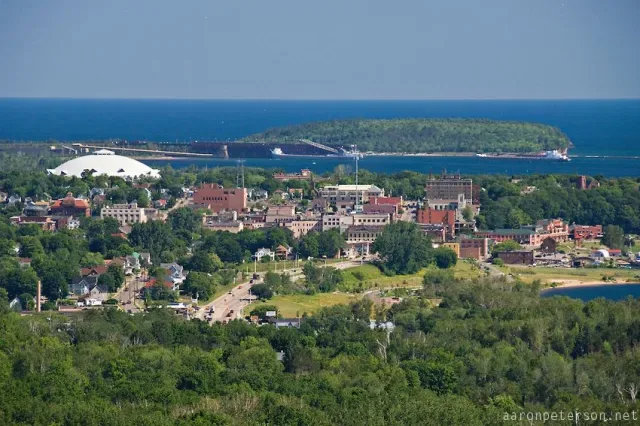
When water pours into a basement on Presque Isle Avenue or smoke settles into the plaster of a century-old home near the lakeshore, the fastest path back to normal is a trained crew with the right equipment. Professional restoration in Marquette means damage stops spreading, salvageable materials get saved, and documentation is ready for your insurance adjuster.
Marquette property owners rely on a connected set of services that often overlap after a single event:
- Water Damage Restoration - extraction, structural drying, moisture mapping, and monitoring until framing and subfloors reach dry standard.
- Flooded Basement - pump-out, contents handling, sanitizing of block and poured walls, and drying below grade where humidity lingers.
- Sewage Cleanup - containment, removal of contaminated porous materials, antimicrobial treatment, and safe disposal under Category 3 protocols.
- Fire Damage Restoration - board-up, debris removal, soot and char cleaning, structural stabilization, and rebuild coordination.
- Smoke Damage Restoration - odor neutralization, HVAC cleaning, thermal fogging, and treatment of walls, textiles, and hard contents.
- Mold Removal - containment barriers, HEPA filtration, controlled removal of colonized materials, and correction of the moisture source.
Benefits for local homeowners include reduced secondary damage, healthier indoor air through long Upper Peninsula winters, and a clear written record that supports the claim process.
Common Damage Restoration Issues in Marquette, Michigan
Marquette's lake-effect climate, bedrock-heavy soils, and older housing stock create a distinct pattern of losses. Heavy snow loads, deep frost, and long heating seasons put steady pressure on roofs, plumbing, and drainage systems.
Frequent Causes
- Frozen and burst supply lines in crawl spaces, garages, and uninsulated exterior walls during extended sub-zero stretches.
- Ice damming along eaves after lake-effect snow, pushing meltwater under shingles and into ceilings.
- Spring snowmelt combined with saturated ground, overwhelming sump pumps and driving water through basement walls.
- Sanitary line backups where roots, aging clay laterals, or surcharged municipal mains push wastewater into floor drains.
- Wood stoves, fireplaces, and space heaters used heavily from October through April, a leading source of fire and smoke losses.
- Kitchen fires and puffback from oil-fired furnaces that coat entire homes in fine soot.
Warning Signs Worth Acting On
- Musty or earthy odors in basements, closets, or behind furniture along foundation walls.
- Peeling, bubbling, or flaking paint and hairline cracks that widen after freeze-thaw cycles.
- Cupping hardwood, soft spots in subfloor, or drywall that feels cool and damp at the base.
- Staining on ceilings below attics or near chimney chases.
- Gurgling floor drains or slow fixtures - often the first hint of a sewer backup.
- Lingering smoke smell that returns when the furnace runs, indicating soot in ductwork.
Neighborhoods We Serve in Marquette
Restoration crews respond throughout the city and across Marquette County, with an understanding of how construction and drainage differ from block to block.
- Downtown and East Side - historic homes and mixed-use buildings with stone foundations and shared walls.
- South Marquette and Lakeshore corridor - properties exposed to wind-driven rain and high humidity off Lake Superior.
- North Marquette and Presque Isle area - older cottages, seasonal residences, and homes near the shoreline bluff.
- Trowbridge Park and Marquette Township - postwar and modern subdivisions with full basements and sump systems.
- NMU campus district - rentals and multi-unit buildings where fast response limits tenant displacement.
Surrounding communities served include Negaunee, Ishpeming, Harvey, Gwinn, Chocolay Township, Big Bay, Champion, and Republic, plus rural camps and log homes along county roads and inland lakes.
Seasonal Damage Patterns in Marquette
Each season brings its own dominant loss type, and knowing the calendar helps homeowners prepare before trouble starts.
- December - February: Peak season for frozen pipe breaks, ice dam leaks, chimney and wood stove fires, and furnace puffback that requires smoke damage restoration.
- March - April: Snowmelt and frost-heave drive flooded basement calls, sump pump failures, and sewage backups when mains run full.
- May - June: Hidden winter moisture surfaces as mold growth in basements, crawl spaces, and behind finished walls.
- July - August: Thunderstorms, roof leaks, and high dew points off Lake Superior keep humidity high; air conditioning condensation and dehumidifier failures add water damage cases.
- September - October: Wind-driven rain, clogged gutters, and the first heating cycles that release stored soot and dust odors.
- November: Early freeze catches unwinterized camps and seasonal cabins, leading to undetected pipe breaks and extensive drying work.
Housing Characteristics & Restoration Considerations
Marquette's housing mix skews older than the national average, with many homes built before 1960 and a notable share dating to the late 1800s and early 1900s. That age shapes nearly every restoration decision.
Common Construction Types
- Historic wood-frame homes with lath-and-plaster walls, balloon framing, and stone or brick foundations.
- Postwar ranches and split-levels with block basements, finished rec rooms, and original floor drains.
- Log homes and camps throughout rural Marquette County, where chinking, log ends, and settling affect water intrusion.
- Modern builds and townhomes with engineered lumber, spray foam, and tighter envelopes.
How Construction Affects the Work
- Balloon framing lets fire, smoke, and water travel vertically inside wall cavities, so inspection extends well beyond visible damage.
- Plaster holds moisture longer than drywall and needs targeted drying to avoid unnecessary demolition of historic finishes.
- Stone and rubble foundations wick groundwater, making flooded basement drying and mold prevention a longer process.
- Older sewer laterals of clay or cast iron are more prone to backups requiring Category 3 cleanup.
- Log walls absorb smoke odor deeply, calling for specialized cleaning, sealing, and refinishing rather than paint-over solutions.
- Tight modern envelopes trap humidity, so dehumidification and containment must be sized carefully during mold removal.
Environmental Conditions & Damage Implications
Lake Superior dominates the local environment, and its influence shows up in every category of restoration work performed in Marquette.
Climate and Moisture
- Annual snowfall frequently exceeds 140 inches, producing heavy roof loads and prolonged melt cycles that feed basement seepage.
- Cold, damp shoulder seasons keep indoor relative humidity elevated, slowing natural drying and favoring mold colonization.
- Deep frost lines stress buried water and sewer lines and heave slabs, opening pathways for groundwater.
Soil, Water, and Air
- Shallow bedrock, glacial till, and sandy lakeshore soils drain unevenly - some lots shed water quickly while clay pockets hold it against foundations.
- Hard, mineral-rich water leaves scale in supply lines and appliances, contributing to slow leaks behind walls.
- Winter wood-burning raises particulate levels, and soot infiltrating homes adds to smoke odor complaints.
- Cool ambient temperatures mean equipment selection matters; low-grain refrigerant and desiccant dehumidifiers perform differently in unheated basements and crawl spaces.
These conditions shape practical steps: monitoring moisture in below-grade materials for extended periods, using HEPA filtration during mold removal, sealing porous surfaces after fire damage, and confirming sanitary conditions after any sewage event before reconstruction begins.
Working With Insurance and IICRC-Certified Crews in Marquette
The strongest outcome after a loss comes from pairing certified technicians with clear insurance documentation from the first hour on site. Local providers such as Classic Carpet Care and SERVPRO of the Upper Peninsula bring IICRC-certified expertise and insurance assistance to Marquette homes and businesses, and residents in Marquette and Negaunee consistently note fast response and steady communication during the process.
What a Typical Response Looks Like
- Emergency contact and dispatch - crews mobilize with extraction, containment, and board-up equipment.
- Inspection and moisture mapping - thermal imaging and meters find water inside walls, under flooring, and behind cabinetry.
- Mitigation - extraction, pump-out, soot removal, or containment setup depending on the loss type.
- Drying and treatment - air movers, dehumidifiers, HEPA scrubbers, and antimicrobial application with daily readings logged.
- Cleaning and deodorizing - contents cleaning, duct work, odor counteractants, and sealing where soot penetrated.
- Reconstruction - drywall, flooring, trim, and finish work to return the property to pre-loss condition.
Local Knowledge That Matters
- Familiarity with Marquette's older plaster homes, log cabins, and camp properties that sit empty part of the year.
- Experience coordinating with area adjusters and providing photo logs, moisture records, and itemized scopes.
- Understanding of township building requirements and permitting for rebuild work in and around Marquette County.
- Practical advice on sump backup systems, pipe insulation, gutter management, and chimney maintenance to reduce repeat losses.
Keep documentation of the event, avoid entering areas with standing water near electrical service, and call a certified restoration team before removing materials so coverage and the drying plan stay intact.





