
Damage Restoration in Ishpeming, MI
- Damage Restoration Services Overview
- Common Damage Restoration Issues in Ishpeming, Michigan
- Neighborhoods We Serve in Ishpeming
- Seasonal Damage Patterns in Ishpeming
- Seasonal Damage Patterns in Ishpeming
- Housing Characteristics & Restoration Considerations
- Environmental Conditions & Damage Implications
- Insurance Documentation and IICRC Standards for Upper Peninsula Claims
Damage Restoration Services Overview
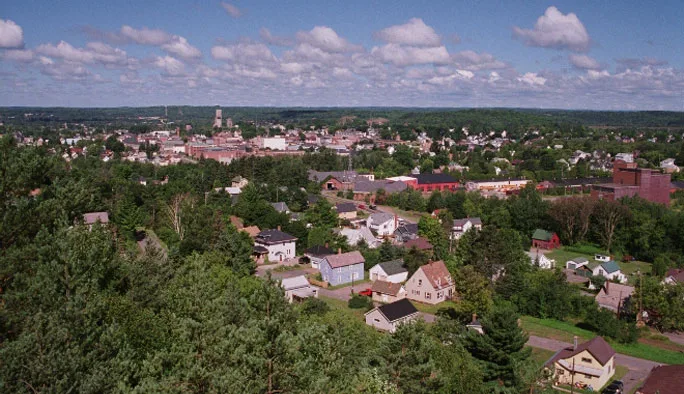
Ishpeming sits roughly 1,400 feet above sea level on the Marquette Iron Range - one of the highest incorporated communities in Michigan - and it averages more than 140 inches of snow each winter. That combination of elevation, heavy snowpack, and rapid spring melt puts local basements, crawlspaces, and older foundations under pressure that homeowners in downstate Michigan rarely experience.
Property owners across Ishpeming rely on a full range of restoration disciplines, each with its own equipment, standards, and drying science:
- Water Damage Restoration - extraction, structural drying, and moisture mapping after pipe failures, appliance leaks, ice dams, and roof intrusion.
- Flooded Basement Cleanup - pump-out, contents handling, and dehumidification for below-grade spaces affected by melt water, sump failure, or hydrostatic pressure.
- Sewage Cleanup - containment and disinfection of Category 3 water from backed-up floor drains, failed lift stations, and septic overflow.
- Fire Damage Restoration - debris removal, structural stabilization, and rebuild coordination after furnace, chimney, or wood-stove fires.
- Smoke Damage Restoration - soot removal, thermal fogging, and odor neutralization in framing, ductwork, and soft contents.
- Mold Removal - containment, HEPA filtration, and removal of colonized materials in damp basements and poorly ventilated attics.
Acting quickly limits secondary damage, protects indoor air quality, and keeps insurance documentation clean from the first day.
Common Damage Restoration Issues in Ishpeming, Michigan
Upper Peninsula weather patterns and the age of the local housing stock drive most restoration calls. Damage often begins quietly - a slow seep behind a block wall or a faint smoky odor in a return duct - before it becomes obvious.
Local Causes of Damage
- Deep frost lines that crack supply lines and freeze exposed plumbing in unheated crawlspaces
- Ice dams along eaves that push meltwater under shingles and into wall cavities
- Rapid April and May snowmelt saturating soil around mining-era stone and block foundations
- Sump pump failures during extended power outages caused by wind and heavy wet snow
- Aging clay and cast-iron sewer laterals that root-intrude and back up into basement drains
- Wood stoves, fireplaces, and supplemental heaters running hard through long heating seasons
- Cooking fires and electrical faults in older knob-and-tube or early branch-circuit wiring
Warning Signs Worth Investigating
- Efflorescence, chalky white staining, or bubbling paint on basement walls
- Cupped hardwood, soft subfloor, or tile that sounds hollow underfoot
- Musty odors that intensify when the furnace or dehumidifier cycles on
- Gurgling floor drains or slow-draining fixtures on the lowest level
- Yellow-brown staining on ceilings below attic spaces or bathrooms
- Persistent smoke odor that returns during humid weather after a small fire
Not all storm damage is visible from the surface. Professional inspection with thermal imaging and penetrating meters locates concealed moisture and compromised materials before mold colonizes and repair costs multiply.
Neighborhoods We Serve in Ishpeming
Restoration response covers the full city and the surrounding Marquette County communities that share the same weather and soil conditions.
- Downtown Ishpeming - Cleveland Avenue, Main Street, and Division Street commercial blocks with shared walls and basement storage
- North Lake and Lake Bancroft areas - lakeside homes with high water tables and seasonal cottages
- Salisbury and Old Ishpeming - mining-era housing with stone foundations and stacked additions
- Ishpeming Township - rural parcels on wells and septic systems
- Green Creek and National Mine - outlying residential clusters along County Road 581
Surrounding coverage includes Negaunee, Marquette, Gwinn, Republic, Michigamme, Champion, and points along US-41 and M-28. Crews familiar with the Iron Range know which streets sit over old mining ground, where storm sewers surcharge first, and how quickly access roads change after a lake-effect event.
Seasonal Damage Patterns in Ishpeming
Seasonal Damage Patterns in Ishpeming
Each season brings a distinct mix of restoration work across the Marquette Range.
- December through February - frozen and burst pipes, ice dam leaks into upper-floor ceilings, and the peak of heating-related fire and smoke damage from wood stoves, chimneys, and space heaters.
- March through April - snowmelt is the single largest driver of flooded basements. Saturated soil, frozen ground that cannot absorb runoff, and overworked sump pumps combine to push water through foundation cracks and window wells.
- May through June - lingering moisture from spring flooding fuels mold growth in basements, crawlspaces, and behind finished walls. Sewage backups increase as saturated ground infiltrates aging laterals.
- July through August - thunderstorms with high winds bring roof damage, wind-driven rain intrusion, and lightning-related electrical fires. Humidity keeps mold remediation demand steady.
- September through November - early freeze cycles crack neglected outdoor plumbing, leaf-clogged gutters overflow against foundations, and furnace start-up produces puff-back soot in older oil and forced-air systems.
Scheduling gutter cleaning, sump testing, chimney sweeping, and dryer vent service ahead of each shift in the calendar prevents a large share of emergency calls.
Housing Characteristics & Restoration Considerations
Ishpeming's housing stock reflects its mining history. A substantial share of homes were built before 1940, with a second wave of construction in the post-war decades. That age profile shapes nearly every restoration decision.
Common Construction Features
- Fieldstone, rubble, and early concrete block foundations that wick moisture and resist conventional sealing
- Balloon framing in older two-story homes, which allows water and smoke to travel vertically inside wall cavities
- Plaster and lath walls that hold moisture far longer than modern drywall
- Wood-frame exteriors with multiple layers of siding and added insulation
- Low-clearance crawlspaces and partial basements with dirt or thin slab floors
- Chimneys serving wood stoves and older furnaces, often shared with additions
How Age Affects Each Service
- Water and flooded basement work - porous masonry requires longer controlled drying and often cavity drying through wall base openings.
- Sewage cleanup - dirt crawlspace floors and unsealed slabs absorb contamination, requiring removal of affected soil or aggressive antimicrobial treatment.
- Fire and smoke restoration - balloon framing and open chases spread soot to areas well beyond the burn point, so testing throughout the structure is standard.
- Mold removal - pre-1980 materials may contain asbestos or lead, so testing precedes demolition to keep the project compliant.
Documentation of pre-existing conditions matters in older homes, both for accurate scoping and for a clean insurance file.
Environmental Conditions & Damage Implications
The local environment influences how fast damage spreads and how drying must be engineered.
Climate
- Long, cold winters with lake-effect snowfall well above the state average
- Short shoulder seasons that compress the melt period and concentrate runoff
- Summer humidity that keeps indoor dew points elevated in unconditioned basements
- Wide daily temperature swings that drive condensation on cold foundation walls and ductwork
Soil, Water, and Terrain
- Shallow bedrock and glacial till across much of the Iron Range limit natural drainage, sending water toward foundations instead of down through the soil profile
- Areas over historic mining ground can settle unevenly, opening foundation cracks and separating drain tile
- Hard, mineral-rich well water in outlying areas accelerates corrosion in water heaters and supply lines
- High seasonal water tables near North Lake, Lake Bancroft, and low-lying parcels raise hydrostatic pressure against basement walls
Air Quality Implications
- Tight, well-insulated homes trap smoke odor and mold spores when ventilation is limited during heating season
- Wood-heat particulate settles into ductwork and soft contents, complicating post-fire odor work
- Damp basements feed spore counts throughout the home via stack effect
Effective projects account for these conditions with negative air containment, HEPA filtration, and dehumidification sized to the actual moisture load rather than a generic square-footage rule.
Insurance Documentation and IICRC Standards for Upper Peninsula Claims
A restoration project in Ishpeming is two jobs running in parallel: the physical work of drying, cleaning, and rebuilding, and the evidence trail that supports an insurance claim. Cold-climate claims draw extra scrutiny because carriers evaluate whether a home was reasonably maintained and heated before a freeze loss.
What Thorough Documentation Includes
- Date-stamped photos of every affected room before any material is removed
- Moisture maps showing initial readings in drywall, framing, subfloor, and masonry
- Daily atmospheric logs recording temperature, relative humidity, and grain-per-pound readings
- Equipment placement records - air movers, dehumidifiers, air scrubbers, and their run times
- Category and class determinations for water losses, which drive the entire scope
- Written justification for any material removed rather than dried in place
Industry Standards That Guide the Work
- IICRC S500 - water damage restoration, covering extraction, structural drying, and drying verification
- IICRC S520 - mold remediation, including containment design, HEPA filtration, and post-remediation verification
- IICRC S700 - fire and smoke restoration, addressing soot classification and appropriate cleaning methods for each surface
- State requirements for lead-safe practices and asbestos assessment in pre-1980 structures
Steps Homeowners Can Take Immediately
- Stop the source if it can be done safely - shut off water, kill power to affected circuits, or evacuate after a fire.
- Photograph conditions before moving anything.
- Notify the insurance carrier and record the claim number.
- Keep receipts for temporary lodging, drying equipment, and emergency repairs.
- Avoid entering standing water that may be contaminated, and stay out of fire-damaged structures until they are cleared.
Following recognized standards from the first hour produces defensible drying results, cleaner post-remediation testing, and far fewer disputes later in the claim.





