
Damage Restoration in Howell, MI
- Damage Restoration Services Overview
- Common Damage Restoration Issues in Howell, Michigan
- Neighborhoods We Serve in Howell
- Seasonal Damage Patterns in Howell
- Housing Characteristics & Restoration Considerations
- Environmental Conditions & Damage Implications
- Protecting Howell Basements Before and After a Flood
Damage Restoration Services Overview
Water spreads through a Howell home faster than most property owners expect. Within the first hour, moisture wicks into subflooring, drywall, and insulation - and Livingston County's humid, lake-influenced air keeps those materials damp long after the visible water is gone.
Fast action limits the damage. Restoration work in Howell covers the full range of property emergencies homes and businesses face here:
- Water Damage Restoration - extraction, structural drying, and moisture mapping after burst pipes, appliance failures, or storm intrusion
- Flooded Basement Cleanup - pump-out, contents triage, and drying for below-grade spaces hit by snowmelt or groundwater
- Sewage Cleanup - containment, removal of contaminated porous materials, and antimicrobial treatment after backups and septic failures
- Fire Damage Restoration - board-up, debris removal, soot cleanup, and structural repair coordination
- Smoke Damage Restoration - odor neutralization, HVAC decontamination, and surface cleaning for residues that travel far beyond the burn area
- Mold Removal - containment, negative air filtration, and removal of colonized materials
Key benefits for Howell property owners include reduced secondary damage, documented moisture readings that support insurance claims, and healthier indoor air once the drying process finishes.
Common Damage Restoration Issues in Howell, Michigan
Howell sits in a landscape of lakes, mature tree cover, and older neighborhoods - a combination that produces predictable damage patterns.
Local Causes of Loss
- Freeze-thaw pipe failures - repeated cycles stress supply lines in crawl spaces, exterior walls, and unheated garages
- Ice dams along rooflines that force meltwater under shingles and into ceilings
- Spring snowmelt and heavy rain overwhelming footing drains and sump systems
- Groundwater infiltration in lower-lying properties near Thompson Lake, Whitmore Lake, and Zukey Lake
- Blocked drainage from leaf litter and root intrusion in heavily wooded areas near the Howell Nature Center
- Sanitary and septic backups when saturated soils prevent normal drainage
- Heating-season fires from furnaces, wood stoves, space heaters, and chimney buildup
Warning Signs Worth Acting On
- Musty odors that intensify after rain or when the furnace runs
- Efflorescence, chalky white staining, or hairline cracks on basement block walls
- Sump pump running constantly - or not running at all during a wet stretch
- Floor tiles lifting, baseboards curling, or carpet padding staying cool and damp
- Gurgling floor drains or slow toilets, common early indicators of a sewer backup
- Yellow-brown staining on ceilings below attic or roof edges
- Lingering smoke odor that returns on humid days, a sign residues remain in ductwork
Small signs escalate quickly here. Michigan's humidity means mold growth can follow an untreated water event within days.
Neighborhoods We Serve in Howell
Restoration crews respond throughout the City of Howell, Howell Township, and the surrounding Livingston County communities.
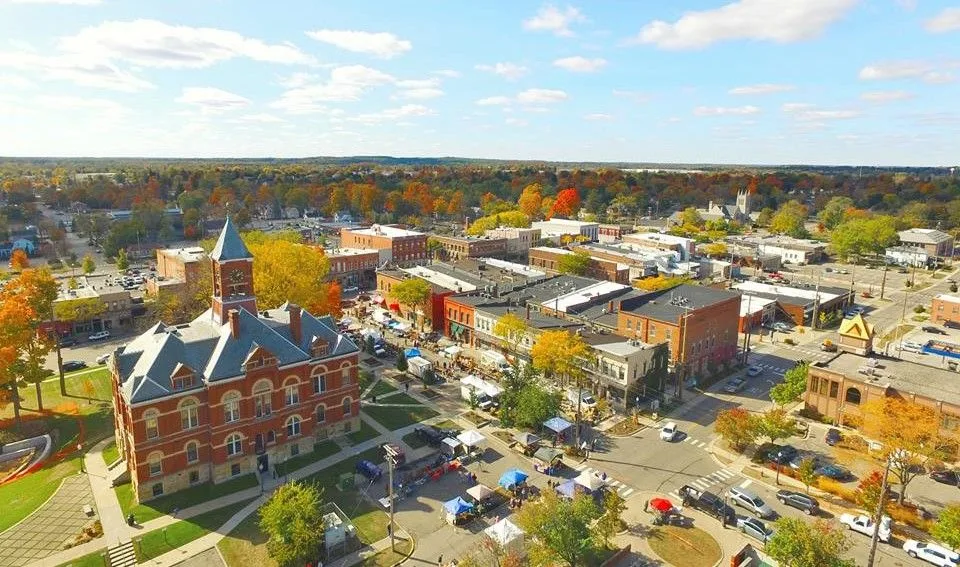
- Downtown Howell - historic Main Street buildings, the Opera House district, and the Carnegie Library area, where older masonry and mixed-use structures need careful drying
- Thompson Lake neighborhoods - waterfront and near-shore homes with high water table concerns
- Oak Grove Road and Grand River corridors - a mix of commercial properties and subdivisions
- Chilson and Cohoctah areas - rural properties on well and septic systems
- Marion and Genoa Township - newer subdivisions with finished basements
- Latson Road / I-96 corridor - retail, office, and light industrial buildings
Service also extends to Brighton, Hartland, Fowlerville, Pinckney, Whitmore Lake, and surrounding Livingston County townships.
Seasonal Damage Patterns in Howell
Winter (December - February)
- Burst and frozen pipes during deep cold snaps and freeze-thaw swings
- Ice dam leaks into attics, ceilings, and exterior wall cavities
- Peak season for furnace, chimney, and space heater fires - with widespread smoke residue through closed-up homes
Spring (March - May)
- Snowmelt combined with saturated ground drives basement flooding
- Sump pump overload and failure during sustained rainfall
- Sewer and septic backups when systems reach capacity
- Mold growth begins as temperatures rise over damp materials
Summer (June - August)
- Severe thunderstorms bring wind-driven rain and roof intrusion
- Flash flooding near lakes and low-lying parcels
- High humidity accelerates mold in basements and crawl spaces
- Grill, fire pit, and electrical fires increase
Fall (September - November)
- Leaf-clogged gutters and downspouts redirect water toward foundations
- First heating cycles reveal furnace puff-backs and smoke odors
- Ideal window for drainage correction and pre-winter plumbing checks
Housing Characteristics & Restoration Considerations
Howell's building stock spans nearly two centuries, and each era responds differently to water, fire, and mold.
Historic Homes and Downtown Structures
- Pre-1900 and early 1900s homes near Main Street often have fieldstone or brick foundations that absorb and hold moisture
- Plaster and lath walls dry slowly and require controlled drying rather than aggressive airflow
- Balloon-frame construction allows smoke and water to travel vertically between floors through open wall cavities
- Original wood trim, floors, and millwork usually warrant restoration rather than replacement
Mid-Century and 1970s - 1990s Homes
- Poured concrete and block basements with perimeter drain tile that may be silted or failing
- Aging cast iron and galvanized plumbing prone to leaks and backups
- Fiberglass batt insulation in rim joists that traps moisture against framing
Newer Subdivisions
- Finished basements with carpet, drywall, and built-ins - high-value contents at ground zero for flooding
- Tighter building envelopes hold humidity and smoke odor longer
- Engineered flooring and OSB subfloor that swell permanently once saturated
Rural and Lakefront Properties
- Crawl spaces and septic systems that complicate sewage cleanup
- Well systems needing evaluation after any contaminated water event
- Detached garages, barns, and outbuildings with limited fire separation
Documenting construction type early shapes the drying plan, the containment strategy, and how much material can be saved.
Environmental Conditions & Damage Implications
Climate
- Great Lakes influence produces high year-round humidity, slowing natural drying
- Dozens of freeze-thaw cycles each season stress foundations and plumbing
- Summer dew points regularly push basement humidity into mold-friendly territory
- Lake-effect snow adds meltwater load in late winter and early spring
Soil and Groundwater
- Glacial till, clay, and sandy loam mixes drain unevenly across Livingston County
- Clay-heavy lots hold water against foundation walls and create hydrostatic pressure
- Elevated water tables near Thompson Lake and area wetlands push moisture through block joints and floor cracks
- Saturated soils reduce septic field capacity, raising backup risk
Vegetation and Site Conditions
- Mature tree canopy near the Howell Nature Center and older neighborhoods drops heavy leaf loads into gutters and yard drains
- Shaded north-facing walls stay damp, encouraging exterior mold and siding deterioration
- Root systems intrude into aging clay sewer laterals
Indoor Air Quality Impact
- Soot and smoke particles settle into ductwork, insulation, and soft goods, recirculating for months without HVAC cleaning
- Sewage events introduce bacteria requiring antimicrobial treatment and removal of porous materials
- Mold spores elevate quickly in closed basements - containment and HEPA filtration keep them from spreading upstairs
Moisture meters, thermal imaging, and humidity logging confirm a structure is genuinely dry rather than dry on the surface.
Protecting Howell Basements Before and After a Flood
Basements take the brunt of nearly every water loss in this area. Between snowmelt, clay soils, and finished lower levels, a single wet weekend can turn a family room into a total loss.
What Happens During a Flooded Basement Response
- Safety check - power, gas, and standing water hazards addressed before entry
- Water extraction - truck-mounted or portable pumps remove standing water
- Category assessment - determining whether the water is clean, gray, or sewage-contaminated, which dictates what can be saved
- Contents handling - furniture, stored boxes, and keepsakes moved, sorted, and inventoried
- Selective demolition - flood-cut drywall, saturated insulation, and carpet padding removed
- Structural drying - air movers, dehumidifiers, and daily moisture readings until targets are met
- Antimicrobial application - treatment of framing and slab to prevent mold colonization
- Reconstruction planning - rebuilding walls, flooring, and finishes
Prevention Steps That Matter in Howell
- Test the sump pump before spring thaw and add a battery backup - outages and storms often arrive together
- Extend downspouts at least six feet from the foundation, away from clay-heavy grade
- Clear gutters twice each fall in tree-heavy neighborhoods
- Install a backwater valve if the property has a history of sewer backups
- Insulate rim joists and exposed pipes in crawl spaces before December
- Keep stored belongings on shelving rather than directly on the slab
- Watch grading around patios and driveways for settling that directs water inward
Crews who work Howell regularly know which subdivisions flood first, which downtown buildings hide balloon-frame cavities, and which rural roads sit on septic systems that fail during wet seasons. That familiarity shortens diagnosis time and keeps drying plans realistic for the property in front of them.





