
Damage Restoration in Brighton, MI
- Damage Restoration Services Overview
- Common Damage Restoration Issues in Brighton, Michigan
- Neighborhoods We Serve in Brighton
- Seasonal Damage Patterns in Brighton
- Housing Characteristics & Restoration Considerations
- Environmental Conditions & Damage Implications
- Why Brighton's Lake Country and Storm Season Demand 24/7 Response
Damage Restoration Services Overview
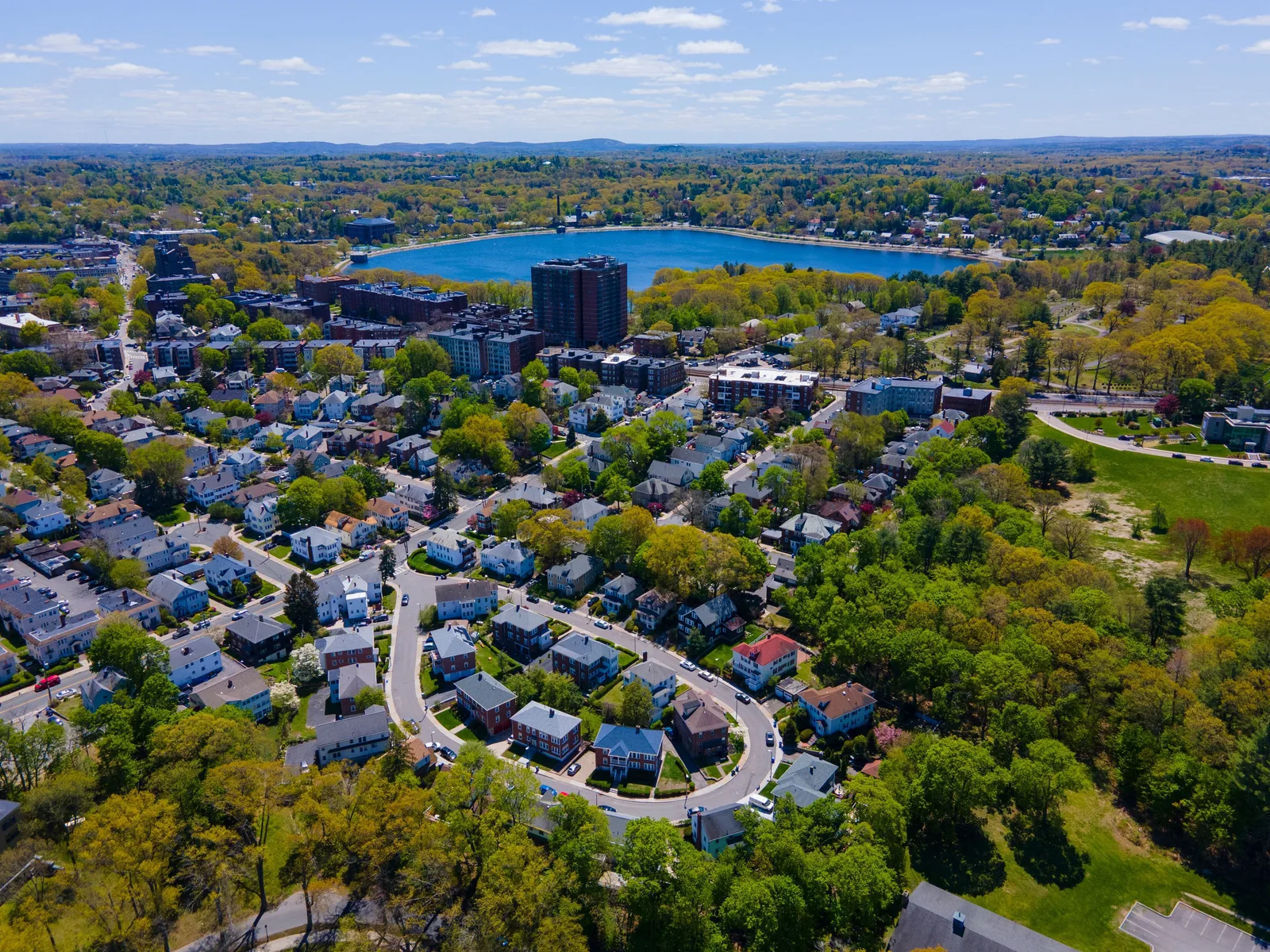
Water spreads through drywall, subfloor, and framing within minutes, and smoke residue begins etching glass and metal within hours. In Brighton, where lake-adjacent neighborhoods, older farmhouse conversions, and newer subdivisions sit side by side, the speed of the first response often decides whether materials are dried and saved or demolished and replaced.
Local restoration teams cover the full range of property emergencies:
- Water Damage Restoration - extraction, structural drying, moisture mapping, and controlled dehumidification after burst pipes, appliance failures, or roof leaks
- Flooded Basement - pump-outs, sump failure response, saturated carpet and pad removal, and drying of block or poured foundation walls
- Sewage Cleanup - Category 3 water handling, contaminated material disposal, antimicrobial treatment, and full sanitizing of affected areas
- Fire Damage Restoration - board-up, debris removal, soot removal, content pack-out, and structural rebuild coordination
- Smoke Damage Restoration - odor mitigation, HVAC cleaning, thermal fogging, and surface-specific residue cleaning
- Mold Removal - containment, HEPA filtration, affected material removal, and correction of the moisture source
Benefits Brighton homeowners and business operators gain include documented moisture readings for insurance claims, reduced secondary damage, preserved flooring and cabinetry, and healthier indoor air once the work is finished.
Common Damage Restoration Issues in Brighton, Michigan
Brighton's position in Livingston County - surrounded by the Huron River chain, Brighton Lake, Ore Lake, and dozens of kettle ponds - creates a high water table that pressures foundations year-round. Combine that with heavy clay soils and freeze-thaw cycles, and basement intrusion becomes the region's most reported restoration call.
Frequent Causes of Damage
- Sump pump failures during spring melt or summer downpours, leading to flooded basements
- Hydrostatic pressure forcing seepage through foundation cracks and cove joints
- Frozen and burst supply lines in unheated crawl spaces, garages, and cottage-style additions
- Sanitary sewer backups when municipal lines surge after storms, or septic failures on rural parcels outside city limits
- Kitchen fires, furnace puff-backs, and fireplace or wood-stove incidents during heating season
- Storm damage - wind-lifted shingles and downed limbs that open roofs to rainwater
- Hidden mold behind finished basement paneling, under vinyl plank flooring, and inside wall cavities
Warning Signs Worth Acting On
- Musty odor in the lower level that intensifies after rain
- Efflorescence, white chalky staining, or bubbling paint on foundation walls
- Cupped or crowning hardwood on main-floor rooms above a damp crawl space
- Slow drains, gurgling toilets, or a floor drain that backs up during heavy rain
- Soot film on ceilings near HVAC registers or a lingering smoky smell after a small kitchen incident
- Unexplained allergy or asthma symptoms that ease when occupants leave the house
Neighborhoods We Serve in Brighton
Coverage extends across the 48114 and 48116 ZIP codes and the surrounding townships, with crews familiar with local access routes, older lake roads, and subdivision layouts.
- Downtown Brighton, the Mill Pond district, and Main Street commercial corridor
- Woodland Lake, Brighton Lake, Ore Lake, and School Lake shoreline properties
- Oak Pointe, Pine Creek Ridge, and Hidden Harbour
- Rolling Meadows, Brighton Village, and Challis Farms
- Brighton Township, Genoa Township, Green Oak Township, and Hamburg Township
- Lake of the Pines, Bishop Lake area, and properties near the Brighton State Recreation Area
- Neighboring communities including Howell, Whitmore Lake, South Lyon, Hartland, and Pinckney
Proximity to US-23 and I-96 lets equipment trucks reach most addresses quickly, which matters when standing water or active sewage contamination is spreading by the hour.
Seasonal Damage Patterns in Brighton
- December through February - Frozen and burst pipes dominate, especially in seasonal lake cottages and homes with plumbing on exterior walls. Furnace puff-backs and chimney fires spike, driving fire and smoke damage restoration calls. Ice dams push meltwater under shingles into attic insulation.
- March through April - Snowmelt over still-frozen clay soil sends runoff toward foundations. Flooded basements and sump pump failures peak. Sewage backups increase as saturated ground infiltrates sanitary lines.
- May through June - Heavy thunderstorm cells bring wind, hail, and roof breaches. Water damage restoration work shifts toward storm intrusion and window well overflow.
- July through August - Humidity commonly sits above 60 percent, and mold removal requests climb in basements, crawl spaces, and closets on shaded north walls. Grilling and outdoor fire incidents add summer fire calls.
- September through November - Leaf-clogged gutters redirect water to foundations. First heating cycles release accumulated dust and produce smoke odor complaints. Pre-winter mold inspections are common before homes are closed up.
Housing Characteristics & Restoration Considerations
Brighton's housing stock spans well over a century of construction, and each era responds differently to water, smoke, and microbial growth.
Common Construction Types
- Pre-1940 homes near downtown and the Mill Pond - balloon framing, plaster and lath, stone or brick foundations. Fire and smoke travel vertically through open wall cavities, and plaster holds moisture longer than drywall.
- 1950s-1970s lake cottages converted to year-round homes - shallow crawl spaces, minimal vapor barriers, and add-on plumbing that freezes easily. Mold removal in these crawl spaces is a recurring need.
- 1980s-1990s subdivisions - poured concrete basements with finished rec rooms, carpet over pad, and framed partition walls that wick water upward fast.
- 2000s-present builds in Oak Pointe, Pine Creek Ridge, and similar developments - engineered wood subfloor, OSB sheathing, and tighter envelopes that trap humidity and smoke odor when ventilation is limited.
How Construction Shapes the Work
- Finished basements often require selective removal of drywall bottom sections and baseboard to dry stud cavities rather than gutting entire rooms
- Engineered flooring and laminate rarely survive prolonged saturation, while solid hardwood may be dried in place with mats and directed airflow
- Older knob-and-tube or mixed wiring calls for careful power isolation before extraction equipment is staged
- Ductwork in split-level and ranch layouts spreads smoke residue house-wide, so HVAC cleaning is standard after any significant fire
- Sewage cleanup in unfinished block basements focuses on flushing, sanitizing, and drying porous masonry rather than replacement
Environmental Conditions & Damage Implications
Southeast Michigan's climate places steady stress on building assemblies. Brighton averages roughly 33 inches of rain and more than 40 inches of snow annually, with summer dew points that keep indoor humidity elevated without mechanical dehumidification.
Local Conditions That Drive Restoration Needs
- Clay-heavy glacial till soils - drain slowly, hold water against foundation walls, and expand and contract with moisture changes, opening hairline cracks
- High water table near lakes and wetlands - keeps sump systems cycling frequently; a single pump failure fills a basement quickly
- Freeze-thaw cycling - Brighton crosses the freezing point dozens of times each winter, widening masonry cracks and stressing pipes
- Summer humidity - relative humidity above 60 percent supports mold growth on paper-faced drywall, stored cardboard, and untreated lumber within 24 to 48 hours of wetting
- Hard well water in rural townships - mineral scale contributes to water heater and supply line failures that cause sudden indoor flooding
- Seasonal wood smoke and agricultural burning - adds particulate load that can complicate odor assessment after a structure fire
Practical Implications
- Drying plans account for outdoor dew point, since open windows can add moisture rather than remove it
- Containment and negative air are used during mold removal to keep spores from migrating through open-plan layouts
- Post-sewage sanitizing accounts for porous masonry and soil-contact materials common in older basements
- Moisture meters and thermal imaging verify dryness in clay-cooled walls that feel dry to the touch but are not
Why Brighton's Lake Country and Storm Season Demand 24/7 Response
Living among the Huron River chain of lakes is part of Brighton's appeal, and it is also the reason emergency restoration availability matters here more than in drier inland communities. When a summer thunderstorm line moves across Livingston County, calls stack up fast: roofs opened by wind, basements filling faster than sump pumps can keep up, and sanitary systems overwhelmed by inflow.
What Round-the-Clock Local Response Looks Like
- Immediate phone triage - guidance on shutting off water or power and staying clear of contaminated areas before crews arrive
- Emergency mitigation - roof tarping and board-up, truck-mounted extraction, and portable pumps for basements without working sumps
- Inspection and documentation - moisture mapping, thermal imaging, and photo records built for insurance adjusters
- Contaminant control - containment barriers, HEPA air scrubbers, and removal of unsalvageable porous materials after sewage or mold discovery
- Structural drying - air movers and low-grain refrigerant dehumidifiers monitored daily until target readings hold
- Cleaning and odor work - soot removal from surfaces and contents, duct cleaning, and odor mitigation using appropriate agents for the material affected
- Reconstruction - drywall, trim, flooring, and paint to return the space to pre-loss condition
Local Knowledge That Speeds the Job
- Familiarity with Brighton Township and Genoa Township permit and inspection expectations for rebuild work
- Understanding which lake-road neighborhoods lose access during flooding and how to stage equipment accordingly
- Experience with septic-served properties in outlying areas where sewage cleanup differs from municipal backups
- Working relationships with area plumbers, electricians, and roofers so the underlying failure gets fixed, not just the damage
- Awareness of downtown Brighton's older commercial buildings, where shared walls and historic materials require careful handling
Storm damage restoration, water extraction, and debris cleanup are available at any hour, because a basement that floods at 2 a.m. does not wait for business hours to grow mold.





