Damage Restoration in Johnston County, NC
- Damage Restoration Services Overview
- Common Damage Restoration Issues in Johnston County, North Carolina
- Neighborhoods We Serve in Johnston County
- Seasonal Damage Patterns in Johnston County
- Housing Characteristics & Restoration Considerations
- Environmental Conditions & Damage Implications
- Storm Flooding, Septic Backups, and Insurance Documentation in Johnston County
Damage Restoration Services Overview
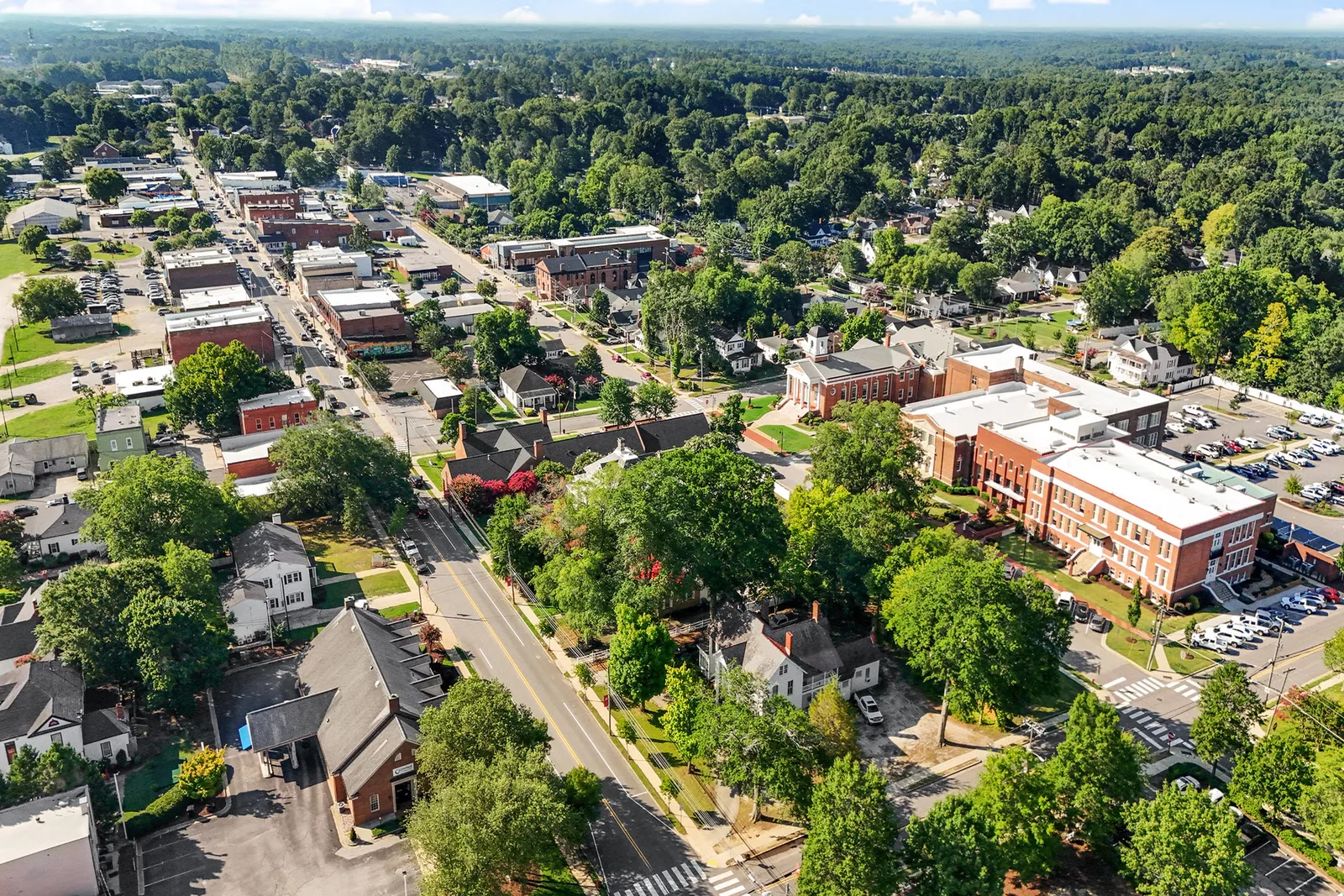
You come home to Clayton after a long weekend and hear water running somewhere it shouldn't. A supply line behind the washing machine let go on Friday, and now the hallway carpet squishes underfoot and the drywall has a dark tide line halfway up the baseboard. What happens in the next few hours shapes whether this becomes a drying project or a demolition project.
Johnston County property owners deal with more than burst pipes. Storm-driven flooding, septic backups, kitchen fires, and humidity-fed mold growth all show up regularly across the county's mix of older farmhouses and newer subdivisions.
- Water Damage Restoration - extraction, structural drying, moisture mapping, and controlled demolition of unsalvageable materials
- Flooded Basement - pumping standing water, drying below-grade walls and slabs, addressing the source of intrusion
- Sewage Cleanup - containment, removal of contaminated porous materials, antimicrobial treatment of affected surfaces
- Fire Damage Restoration - debris removal, structural stabilization, soot cleaning, and rebuild coordination
- Smoke Damage Restoration - odor neutralization, HVAC cleaning, and contents restoration for items smoke touched but flames never reached
- Mold Removal - containment barriers, HEPA filtration, removal of colonized materials, humidity correction
The benefit of fast, documented response is straightforward: fewer materials lost, less rebuild expense, and a clear paper trail for your insurance claim.
Common Damage Restoration Issues in Johnston County, North Carolina
Johnston County sits in the Neuse River basin with flat to gently rolling terrain, heavy clay soils, and a long humid season. That combination produces predictable restoration problems.
What Drives Damage Locally
- Neuse River and creek flooding - properties near Smithfield, Selma, and Clayton along the river corridor face backwater flooding after sustained rainfall
- Tropical systems and remnants - hurricanes tracking inland dump rainfall faster than clay soil can absorb it, pushing water into crawl spaces and basements
- Septic system saturation - many rural Johnston County homes rely on septic; saturated drain fields cause backups into lowest-level fixtures
- Aging municipal sewer laterals - root intrusion in older Smithfield and Selma neighborhoods leads to backups during heavy flow periods
- Winter heating fires - wood stoves, fireplaces, and space heaters in older rural homes account for a share of structure fires
- Crawl space humidity - vented crawl spaces over damp clay feed mold growth into subfloors and floor joists
Warning Signs Worth Acting On
- Musty odor that intensifies when the HVAC runs - often points to mold in ductwork or crawl space
- Cupped or buckling hardwood flooring, indicating moisture in the subfloor
- Slow drains across multiple fixtures at once, a common precursor to sewage backup
- Staining or bubbling paint on interior walls after a storm
- Persistent smoke odor weeks after a small kitchen fire, meaning soot residue remains in porous materials
- Standing water or damp soil under the house visible from the crawl space access
Neighborhoods We Serve in Johnston County
Response covers the full county and the surrounding Central North Carolina region.
- Clayton - established neighborhoods off US 70 plus rapidly growing subdivisions like Flowers Plantation and Glen Laurel
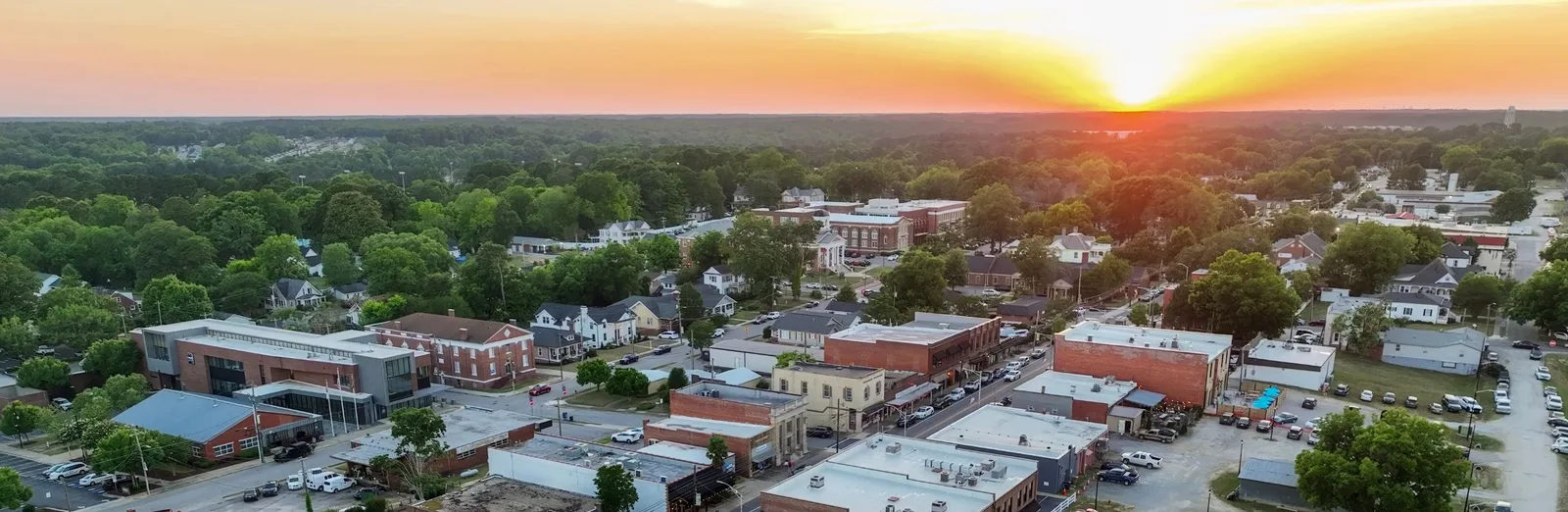
- Smithfield - the county seat, including historic downtown properties and riverside homes near the Neuse
- Selma - older housing stock along the rail corridor and newer development toward I-95
- Benson, Four Oaks, and Princeton - small-town centers and surrounding agricultural properties
- Kenly, Pine Level, Micro, and Wilson's Mills - rural residences frequently on well and septic systems
- Archer Lodge and Cleveland community - suburban growth areas with newer slab and crawl space construction
Service extends across county lines into Wake, Harnett, Durham, Lee, Chatham, Moore, and Cumberland counties, including Raleigh, Cary, Apex, Lillington, Sanford, Broadway, and Fayetteville. Crews stage regionally so travel time to Johnston County addresses stays short, day or night.
Seasonal Damage Patterns in Johnston County
Winter (December - February)
- Frozen and burst pipes in crawl spaces, unheated garages, and exterior walls during cold snaps
- Peak season for fire damage restoration and smoke damage restoration from heating equipment, chimneys, and holiday cooking
- Ice storms causing power loss, then sump pump failure and flooded basement calls
Spring (March - May)
- Heavy rainfall and thunderstorms driving groundwater intrusion and basement seepage
- Saturated septic drain fields leading to sewage cleanup requests in rural areas
- Roof leaks revealed after winter wind damage
Summer (June - August)
- Mold removal demand climbs as dew points stay high and crawl spaces stay damp
- Condensation damage from oversized or failing HVAC systems
- Afternoon storms and lightning strikes causing localized fire and water damage
Fall (September - November)
- Peak hurricane and tropical remnant season, the county's largest source of flood damage
- Neuse River crest events affecting low-lying properties days after rain stops
- Early heating season fires as furnaces and flues fire up after months idle
Housing Characteristics & Restoration Considerations
Johnston County housing splits between decades-old rural homes and a wave of construction that arrived with growth spilling east from Raleigh. Each type responds differently to water, fire, and mold.
Older Homes (pre-1980)
- Ventilated crawl spaces with minimal vapor barriers - moisture wicks up from clay soil into joists and subfloor
- Plaster and lath or early gypsum board that holds water and delaminates
- Galvanized or polybutylene supply lines prone to pinhole leaks and sudden failure
- Knob-and-tube or aluminum branch wiring in a minority of properties, raising fire risk
- Wood siding, tongue-and-groove interiors, and hardwood floors that absorb smoke odor deeply and need specialized cleaning
Newer Construction (2000s onward)
- Slab-on-grade foundations where water spreads laterally under flooring and stays hidden
- Tight building envelopes and spray foam that trap moisture once it gets inside a wall cavity
- Engineered wood flooring and MDF trim that swell irreversibly and usually require replacement
- Open floor plans that let smoke travel through the entire home from a single-room fire
- Finished basements and bonus rooms with carpet, padding, and drywall that need fast extraction
How This Shapes the Work
- Moisture meters and thermal imaging locate water behind finishes before demolition begins
- Drying plans are matched to the material - a plaster wall dries on a different curve than modern drywall
- Crawl space work often includes vapor barrier replacement and dehumidification to stop mold from returning
- Contents in older homes with heavy soot loading are inventoried and cleaned off-site when needed
Environmental Conditions & Damage Implications
The county's climate and geology work against fast natural drying, which is why mechanical drying and dehumidification matter so much here.
Climate
- Humid subtropical pattern with summer dew points that regularly sit in the upper 60s and low 70s
- Roughly 45-50 inches of annual rainfall, often delivered in intense bursts
- Mild winters mean mold rarely goes fully dormant indoors
- Open windows will not dry a wet structure in July - outdoor air often carries more moisture than indoor air
Soil and Groundwater
- Clay-heavy Piedmont and coastal plain transition soils drain slowly, holding water against foundations
- Shallow water tables near the Neuse and its tributaries push hydrostatic pressure against basement walls and slabs
- Poor percolation stresses septic drain fields, a direct contributor to sewage backups
- Expansive clay movement can open foundation cracks that become future water entry points
Air and Water Quality Effects
- High pollen and particulate loads in spring compound indoor air problems after fire or mold events
- Well water on rural properties may carry iron and sulfur that stain materials during flooding
- Smoke residues become acidic in humid air, accelerating corrosion on metal, electronics, and appliances
- Elevated indoor humidity after any water event lets mold colonize within a day or two if drying is delayed
The practical response is aggressive dehumidification, containment, HEPA air scrubbing, and daily moisture readings until materials hit documented dry standards.
Storm Flooding, Septic Backups, and Insurance Documentation in Johnston County
Two problems come up more often here than almost anywhere else in Central North Carolina: water arriving from outside during tropical systems, and contaminated water arriving from below when septic or sewer systems fail. Both create category concerns that change how the work has to be done.
Why Category Matters
- Clean water from a supply line can often be dried in place if extraction starts quickly
- Gray water from appliances or seepage requires removal of carpet padding and antimicrobial treatment
- Black water from river flooding or sewage backup means porous materials come out - carpet, padding, insulation, and affected drywall
Immediate Steps for Property Owners
- Stop the source. Shut off the fixture valve, or the main valve if the leak location is unclear.
- Cut power to affected areas at the breaker if water is near outlets or panels.
- Stay out of standing water that may be contaminated, and keep children and pets clear.
- Call for emergency response so extraction, selective demolition, and drying can begin.
- Notify your insurance agent and open a claim.
- Photograph conditions before anything is moved, if it is safe to do so.
How Documentation Supports Your Claim
- Moisture readings logged daily throughout the drying process
- Thermal imaging and photo records of hidden water migration
- Written scope of affected materials and the reasoning behind removal decisions
- Itemized repair costs supplied directly to your adjuster
- Contents inventory for items requiring cleaning, storage, or replacement
Flood damage from rising water typically falls under a separate flood policy rather than standard homeowners coverage - a distinction that matters for properties in the Neuse floodplain. Clear documentation from the first day removes guesswork from that conversation and keeps the restoration moving while coverage is sorted out. Emergency response is available around the clock across Johnston County for residential and commercial properties.