Damage Restoration in Brunswick, NC
- Damage Restoration Services Overview
- Common Damage Restoration Issues in Brunswick, North Carolina
- Neighborhoods We Serve in Brunswick
- Seasonal Damage Patterns in Brunswick
- Housing Characteristics & Restoration Considerations
- Environmental Conditions & Damage Implications
- Hurricane Preparedness & Post-Storm Restoration
Damage Restoration Services Overview
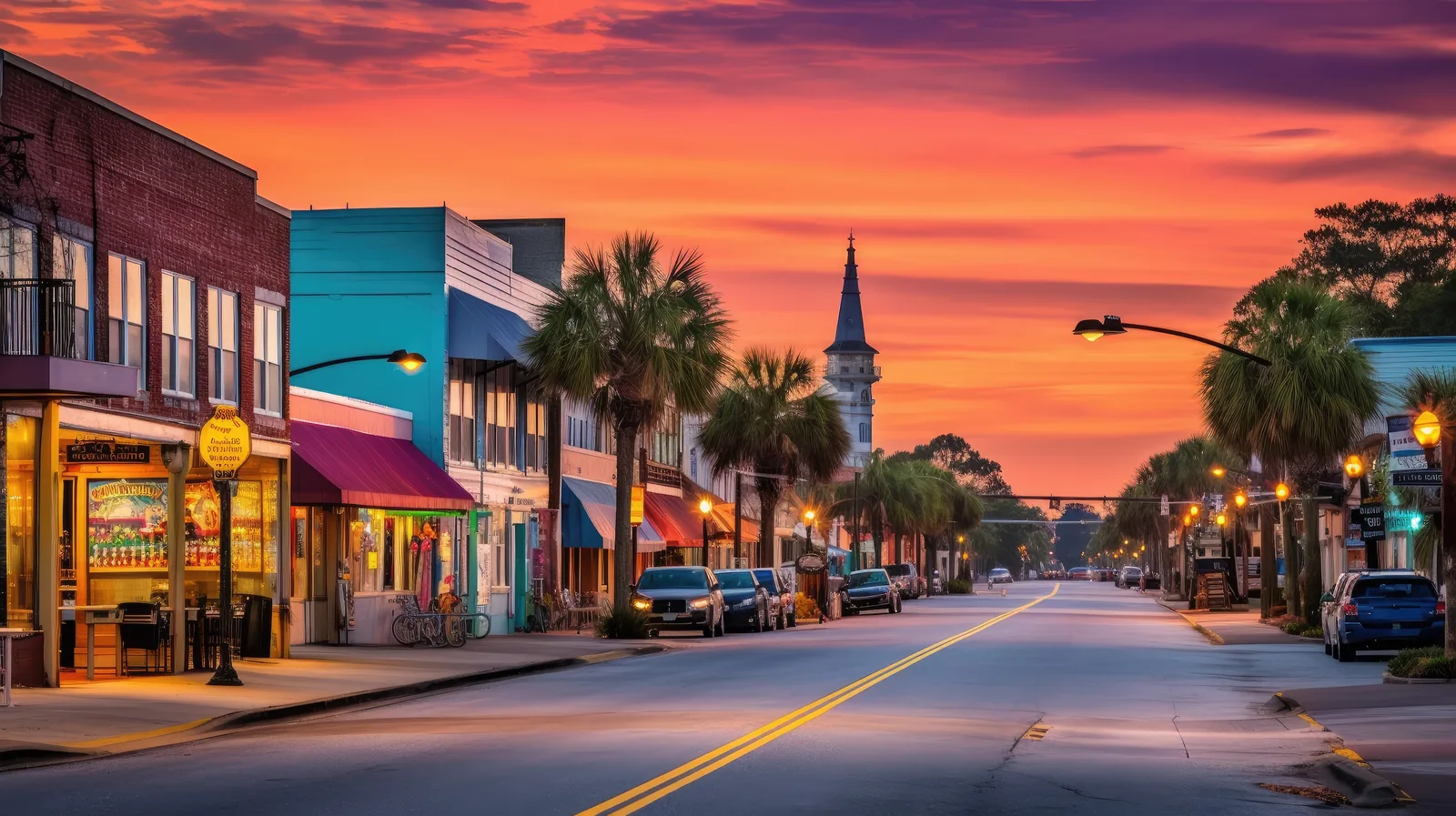
Brunswick County experiences over 60 inches of annual rainfall, making it one of North Carolina's wettest coastal regions. This climate reality means property damage from water, storms, and humidity affects thousands of local homes and businesses each year.
Professional damage restoration services address multiple emergency situations that threaten Brunswick properties:
- Water damage restoration from burst pipes, appliance failures, and storm flooding
- Flooded basement cleanup and structural drying
- Sewage cleanup for health hazards and contamination
- Fire damage restoration including structural repairs
- Smoke damage restoration to eliminate odors and residue
- Mold removal and prevention in humid coastal conditions
These services protect property value and family health through rapid response protocols. IICRC-certified technicians use advanced equipment to extract water, dry structures, remove contaminants, and restore damaged materials.
Brunswick residents benefit from 24/7 emergency response teams who understand local conditions. Coastal humidity, sandy soil drainage patterns, and hurricane risks require specialized restoration approaches that general contractors cannot provide.
Common Damage Restoration Issues in Brunswick, North Carolina
Brunswick County's coastal location and subtropical climate create unique restoration challenges throughout the year. High humidity levels above 70% promote rapid mold growth within 24-48 hours of water exposure.
Water damage frequently occurs from:
- Hurricane storm surge affecting low-lying coastal areas
- Heavy rainfall overwhelming drainage systems
- Burst pipes during rare winter freezes
- HVAC condensation failures in humid conditions
- Appliance malfunctions in older beach homes
Flooded basements present special challenges due to sandy soil that allows water infiltration but complicates drainage. Sewage backup occurs when storm water overwhelms municipal systems during heavy rains.
Fire and smoke damage risks increase during dry periods when:
- Electrical systems strain under high cooling demands
- Outdoor grilling and fire pit usage peaks
- Lightning strikes during summer thunderstorms
- Wildfire smoke drifts from inland areas
Mold removal becomes necessary when humidity combines with any water intrusion. Warning signs include musty odors, visible growth on walls, and respiratory symptoms among occupants.
Neighborhoods We Serve in Brunswick
Our restoration teams serve all Brunswick County communities, from oceanfront properties to inland residential areas. Service coverage includes:
- Southport historic district and waterfront homes
- Oak Island beachfront and canal properties
- Holden Beach vacation rentals and permanent residences
- Ocean Isle Beach condominiums and single-family homes
- Sunset Beach coastal properties
- Bolivia inland communities and rural properties
- Leland residential developments and commercial buildings
- Calabash waterfront areas and golf communities
- Shallotte business district and surrounding neighborhoods
- Supply rural homes and agricultural properties
Each area presents distinct restoration challenges based on elevation, proximity to water, and construction types. Beachfront properties require salt air corrosion considerations, while inland homes face different drainage and mold prevention needs.
Seasonal Damage Patterns in Brunswick
Brunswick County experiences predictable seasonal damage patterns that affect restoration service demand throughout the year.
Spring months bring increased water damage from:
- Heavy rainfall events and thunderstorms
- HVAC system startups after winter dormancy
- Pipe failures from temperature fluctuations
Summer creates peak demand for mold removal and smoke damage restoration due to high humidity and increased fire risks. Hurricane season from June through November generates the highest volume of water damage, flooded basement, and sewage cleanup calls.
Fall months see continued storm activity plus fire damage from heating system restarts and increased indoor activities. Winter brings unique challenges when rare freezing temperatures cause pipe bursts in homes not designed for cold weather.
Year-round humidity maintains constant mold risks, making prevention and early detection programs valuable for all Brunswick properties. Coastal salt exposure accelerates material deterioration, requiring more frequent maintenance and quicker restoration responses.
Housing Characteristics & Restoration Considerations
Brunswick County's housing stock reflects its coastal resort character and rapid growth patterns. Many properties were built after 1990 as retirement and vacation destinations, creating specific restoration considerations.
Common construction types include:
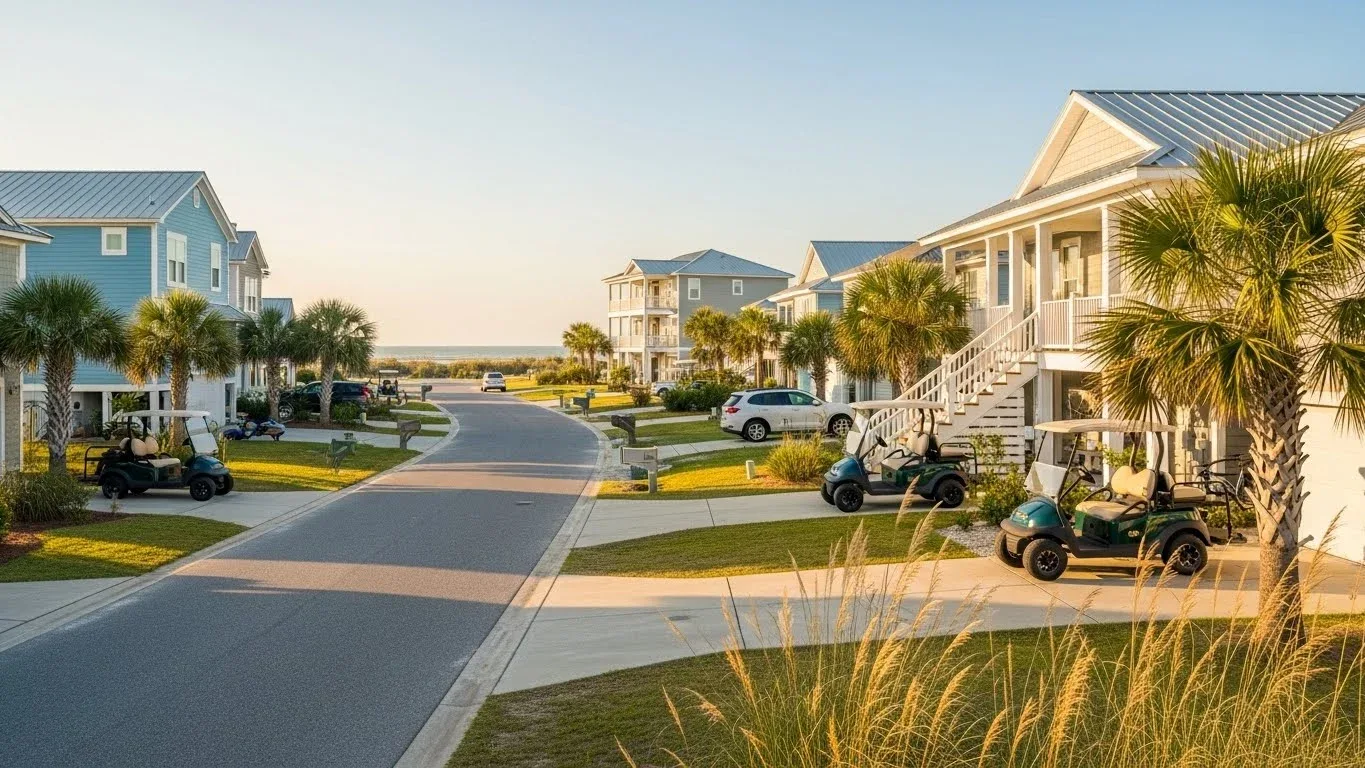
- Elevated coastal homes on pilings with crawl space access
- Slab-on-grade construction in newer developments
- Traditional pier and beam foundations in older areas
- Manufactured homes in rural and seasonal communities
Elevated construction helps prevent flood damage but creates unique challenges for water damage restoration when leaks occur above living spaces. Crawl spaces require specialized drying techniques and mold prevention measures.
Many homes feature tile floors, which resist water damage but can hide moisture problems underneath. Open floor plans common in beach homes allow smoke and fire damage to spread quickly but also facilitate faster restoration access.
Older properties may have outdated electrical systems that increase fire risks, while newer construction often includes better moisture barriers but may use materials more susceptible to mold growth. Sewage cleanup becomes complicated in areas without municipal sewer connections, requiring specialized septic system considerations.
Environmental Conditions & Damage Implications
Brunswick County's environmental conditions significantly impact damage restoration processes and material selection. The subtropical climate maintains average humidity levels between 65-85% year-round, accelerating mold growth and material degradation.
Coastal conditions affecting restoration include:
- Salt air corrosion requiring specialized cleaning products
- Sandy soil with high water table affecting foundation drainage
- Frequent temperature fluctuations causing material expansion
- UV exposure degrading exterior materials rapidly
Water damage restoration must account for brackish groundwater that can contaminate flood water. The high water table means basement flooding often involves contaminated water requiring sewage cleanup protocols even when the source appears clean.
Fire and smoke damage restoration faces challenges from salt air that can react with fire suppressants and smoke residues. Standard cleaning methods may not work effectively in coastal environments, requiring specialized techniques and products.
Mold removal becomes more complex due to constant moisture sources from ocean air and frequent rain. Prevention strategies must address both visible moisture and hidden humidity sources that standard inland approaches might miss.
Air quality monitoring during restoration requires understanding of natural salt particles and seasonal pollen that can interfere with standard testing methods.
Hurricane Preparedness & Post-Storm Restoration
Brunswick County sits directly in hurricane alley, making storm preparedness and post-disaster restoration planning essential for property owners. Hurricane damage often combines multiple restoration needs simultaneously - water damage, wind damage, sewage backup, and secondary mold growth.
Pre-storm preparation significantly reduces restoration costs and complexity:
- Installing flood barriers and drainage improvements
- Securing outdoor equipment and potential projectiles
- Documenting property conditions with photos and video
- Identifying emergency shut-off locations for utilities
- Creating evacuation plans that include important documents
Post-hurricane restoration follows specific protocols due to contaminated flood water. Storm surge often carries sewage, chemicals, and debris that require hazardous material handling procedures. Standard water damage restoration techniques must be modified for Category 3 contaminated water.
Flooded basements and crawl spaces need complete sanitization beyond simple drying. Sewage cleanup becomes widespread when municipal systems fail during storms. Mold removal requirements increase dramatically due to extended moisture exposure and compromised building envelopes.
Fire damage may occur during storms from electrical failures, lightning strikes, or emergency generator malfunctions. Smoke damage restoration becomes complicated when structures remain wet for extended periods, requiring specialized drying and cleaning sequences.
Insurance coordination during widespread disasters requires detailed documentation and understanding of coverage limitations for different damage types.