Damage Restoration in Pitt County, NC
- Damage Restoration Services Overview
- Common Damage Restoration Issues in Pitt County, North Carolina
- Neighborhoods We Serve in Pitt County
- Seasonal Damage Patterns in Pitt County
- Housing Characteristics & Restoration Considerations
- Environmental Conditions & Damage Implications
- Insurance Documentation and Clear Communication During Pitt County Claims
Damage Restoration Services Overview
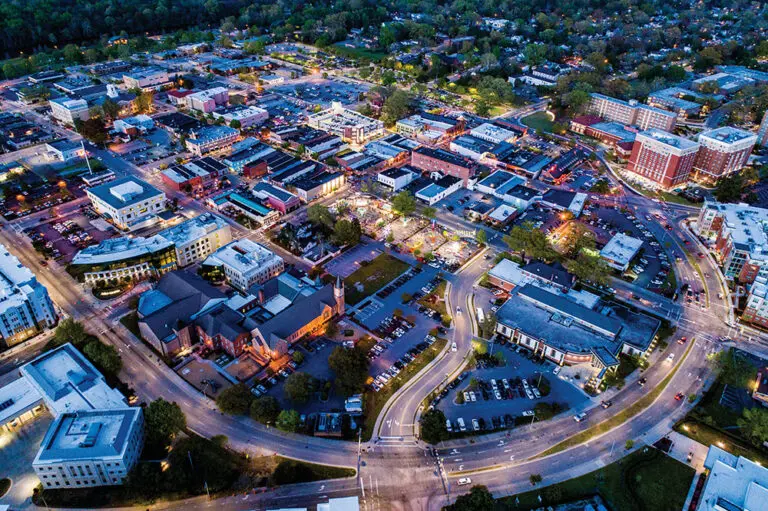
Pitt County sits in the coastal plain of eastern North Carolina, where flat terrain, high water tables, and tropical storm remnants shape how property damage happens. Homes in Greenville, Ayden, Winterville, and Farmville face saturated soils, slow-draining yards, and humidity that rarely drops for long stretches of summer.
That combination means water intrusion rarely stays a simple water problem. Left alone, it becomes microbial growth inside wall cavities within days.
Local restoration providers - including SERVPRO of Southern Pitt County and ACC Restoration - handle both residential and commercial property after fire, smoke, or water events. The core services available across the county include:
- Water Damage Restoration - extraction, structural drying, and repair of materials affected by supply line breaks, roof leaks, appliance failures, and storm intrusion
- Flooded Basement Cleanup - pumping, dehumidification, and treatment of below-grade spaces and crawl spaces common to older county homes
- Sewage Cleanup - containment, removal, and disinfection following septic backups, municipal line surcharges, and toilet overflows
- Fire Damage Restoration - emergency board-up, debris removal, structural cleaning, and reconstruction
- Smoke Damage Restoration - soot removal, thermal fogging, HVAC cleaning, and odor neutralization
- Mold Removal - containment, HEPA filtration, affected material removal, and moisture source correction
The benefit of addressing these quickly is straightforward: faster response limits how far moisture and contaminants travel, which keeps repair scope smaller and homes livable.
Common Damage Restoration Issues in Pitt County, North Carolina
Eastern North Carolina's geography drives most restoration calls in this region. The Tar River runs along the county's northern edge, and Greenville has a documented history of flooding tied to hurricane rainfall and river crest events.
Leading Causes of Property Damage Locally
- Tropical systems and heavy rainfall - storm surge inland, saturated ground, and roof damage from sustained winds
- High water tables - hydrostatic pressure pushing moisture through slab foundations and crawl space vapor barriers
- Septic system saturation - rural properties outside Greenville city limits often rely on septic, which backs up when drain fields flood
- Municipal sewer surcharge - older gravity lines in established neighborhoods can reverse during intense downpours
- Aging HVAC and plumbing - condensate line clogs and supply line corrosion in homes built before the 1990s
- Space heaters and fireplaces - a recurring source of winter structure fires in the county
Warning Signs Worth Acting On
- Musty odor in a hallway, closet, or near floor registers
- Buckling or cupping hardwood, or tile grout that darkens after rain
- Peeling paint or bubbling drywall along baseboards
- Crawl space insulation sagging or falling from joists
- Unexplained spikes in humidity readings indoors
- Persistent smoke odor that returns on warm, humid days after a small fire
- Gurgling drains or slow toilets before a full sewage backup
Smoke odor behaves differently in humid climates. Soot residues reactivate when relative humidity climbs, which is why superficial cleaning after a kitchen or electrical fire often fails by the following summer.
Neighborhoods We Serve in Pitt County
Coverage extends across the county, from dense residential districts to rural properties on well and septic systems.
- Greenville - including Uptown, Tar River, Brook Valley, Lynndale, Cherry Oaks, and neighborhoods near ECU and Vidant Medical Center
- Winterville - newer subdivisions with slab-on-grade construction
- Ayden - older housing stock with crawl spaces and original plumbing
- Farmville - historic homes and downtown commercial buildings
- Bethel, Grifton, Falkland, Fountain, and Simpson - rural and small-town properties
- Stokes, Grimesland, and Blackjack - agricultural and unincorporated areas
Service also reaches surrounding counties, including Beaufort, Martin, Greene, Lenoir, and Edgecombe. Rural addresses outside Greenville city limits often need extra attention to septic conditions and well water contamination after flooding.
Seasonal Damage Patterns in Pitt County
Spring (March - May)
- Severe thunderstorms and hail bring roof leaks and attic water intrusion
- Rising humidity reactivates dormant mold colonies in crawl spaces
- Snowmelt is minimal here, but heavy spring rain saturates drain fields
Summer (June - August)
- Peak mold season - dew points in the 70s keep indoor humidity high
- Air conditioning condensate overflows damage ceilings and closets
- Early hurricane season activity begins in August
Fall (September - November)
- Highest risk window for tropical systems and flooded basements or crawl spaces
- Sewage backups spike when rainfall overwhelms lines and septic fields
- First fireplace and furnace use produces smoke and puff-back incidents
Winter (December - February)
- Hard freezes burst uninsulated pipes in crawl spaces and exterior walls
- Space heater and cooking fires increase around holidays
- Closed-up homes trap smoke odor and moisture, worsening indoor air quality
Housing Characteristics & Restoration Considerations
Pitt County housing spans roughly a century of construction methods, and each era carries its own restoration profile.
Pre-1960 Homes
- Common in Farmville, Ayden, Bethel, and older Greenville districts
- Plaster walls, wood lath, and original hardwood require slower, controlled drying
- Possible asbestos-containing floor tile, mastic, or pipe wrap - testing precedes demolition
- Knob-and-tube or early wiring raises fire risk and complicates smoke restoration
1960s - 1990s Homes
- Ventilated crawl spaces with fiberglass batt insulation, a frequent mold source
- Galvanized or early plastic supply lines prone to pinhole leaks
- Original HVAC ductwork in crawl spaces spreads odor and spores throughout the house
2000s - Present Construction
- Slab-on-grade foundations in Winterville and outer Greenville subdivisions
- Tighter building envelopes trap moisture when a leak occurs
- Engineered wood flooring and MDF trim swell quickly and often need replacement
What This Means for Restoration
- Crawl space properties need moisture mapping under the floor system, not just inside living areas
- Slab homes require careful detection of water wicking up through wall bottom plates
- Historic materials may be salvaged with specialty drying rather than demolished
- Rental and student housing near ECU sees frequent unattended leaks, expanding damage scope
Pitt County also partners with the North Carolina Housing Finance Agency on rehabilitation programs for lower-income homeowners outside Greenville city limits, addressing substandard conditions in homes still suitable for repair.
Environmental Conditions & Damage Implications
The coastal plain environment influences every stage of drying and remediation work here.
Climate
- Humid subtropical - roughly 48 to 52 inches of annual rainfall
- Summer relative humidity frequently above 70 percent, slowing evaporation
- Mild winters mean mold activity rarely goes fully dormant
Soil and Water Table
- Sandy loam over dense clay subsoil - water infiltrates fast, then perches
- Shallow water tables in low-lying areas near the Tar River and its tributaries
- Poor percolation stresses septic drain fields after prolonged rain
Restoration Implications
- Drying - open-air drying is ineffective in local summers; closed drying systems with commercial dehumidifiers are required
- Mold - clearance depends on stabilizing indoor humidity, not just removing visible growth
- Sewage - flooded septic systems can contaminate well water on rural properties, warranting water testing
- Fire and smoke - humid air keeps soot particles reactive, so odor control needs hydroxyl or ozone treatment plus source removal
- Basements and crawl spaces - encapsulation and drainage correction often follow initial cleanup to prevent recurrence
Agricultural activity across the county also introduces fertilizer runoff and organic debris into floodwater, which raises contamination categories and changes disposal requirements.
Insurance Documentation and Clear Communication During Pitt County Claims
Most restoration projects in Pitt County involve an insurance claim, and that process causes as much stress as the damage itself. Clear documentation from the first hour protects homeowners.
How a Transparent Restoration Project Runs
- Emergency response - stabilize the property with extraction, board-up, or tarping, and photograph conditions before anything is moved
- Moisture assessment - infrared cameras and moisture meters locate water inside walls, under flooring, and in ceiling cavities
- Documented scope - affected materials, readings, and category of water are recorded in writing and shared with you
- Adjuster coordination - findings are submitted so the claim reflects actual conditions, including hidden damage
- Daily monitoring - drying logs track equipment placement and progress until materials reach target readings
- Reconstruction - repairs proceed only after documented dry standards are met
Questions Worth Asking Any Provider
- Will I receive moisture readings and photos, not just a final invoice?
- Is flood damage from external water covered differently than a plumbing failure under my policy?
- Are containment and HEPA filtration included when mold is present?
- Who handles communication with my adjuster - and will I see what is submitted?
- What happens if hidden damage is found after work begins?
An important distinction for Pitt County property owners: standard homeowners policies typically exclude rising floodwater. Damage from an overflowing Tar River or storm drainage backup often falls under separate flood coverage, while a burst pipe or appliance failure usually does not.
Knowing which applies before a storm arrives saves considerable difficulty afterward. Reputable local providers explain that difference upfront rather than after work is underway, and they document findings in a form you can review, question, and keep.