Damage Restoration in Caldwell County, NC
- Damage Restoration Services Overview
- Common Damage Restoration Issues in Caldwell County, North Carolina
- Neighborhoods We Serve in Caldwell County
- Seasonal Damage Patterns in Caldwell County
- Seasonal Damage Patterns in Caldwell County
- Housing Characteristics & Restoration Considerations
- Environmental Conditions & Damage Implications
- Helene Recovery and Long-Term Moisture Problems in Caldwell County Homes
Damage Restoration Services Overview
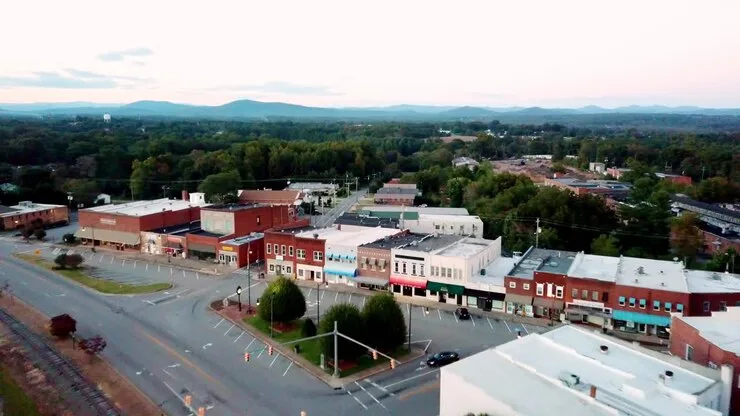
Caldwell County sits where the Blue Ridge foothills meet the Catawba River basin, and that geography shapes nearly every restoration call we take. Steep terrain sends stormwater downhill fast, older housing stock in Lenoir and Hudson traps moisture in crawl spaces, and humid Piedmont summers give mold everything it needs to spread behind drywall.
Premier Restoration is a local, family-owned company based right here in the county, with crews on call around the clock for emergencies across the full Helene disaster zone.
- Water Damage Restoration - emergency extraction, moisture mapping, and structural drying after pipe breaks, appliance failures, and roof leaks.
- Flooded Basement Cleanup - pump-out, contents triage, and dehumidification for below-grade spaces on sloped lots.
- Sewage Cleanup - safe removal of Category 3 contamination from backed-up mains, failed septic fields, and lift station overflows.
- Fire Damage Restoration - stabilization, debris removal, soot cleaning, and coordination of rebuild work.
- Smoke Damage Restoration - odor neutralization, HVAC cleaning, and treatment of porous surfaces far from the burn area.
- Mold Removal - containment, controlled removal, HEPA filtration, and correction of the moisture source behind the growth.
The benefit of working with a nearby team is response distance. Shorter drive times mean drying equipment lands sooner, which limits secondary damage and keeps repairable materials repairable.
Common Damage Restoration Issues in Caldwell County, North Carolina
Local damage patterns follow the county's mix of mountain drainage, aging infrastructure, and heavy tree cover. Hurricane Helene reshaped what many property owners now watch for, but everyday failures still account for most calls.
Frequent Causes We Respond To
- Flash flooding along creeks and drainage swales after mountain rainfall events
- Groundwater intrusion through block foundation walls in Lenoir, Granite Falls, and Hudson
- Frozen and burst supply lines in unheated crawl spaces and outbuildings
- Septic system saturation and sewer backups during prolonged wet stretches
- Chimney, wood stove, and space heater fires during cold months
- Electrical faults in homes with original mid-century wiring
- Chronic crawl space humidity feeding mold under floor joists
Warning Signs Worth Acting On
- Musty odor that intensifies when the HVAC cycles on
- Cupping, buckling, or springy hardwood flooring
- Tide lines or chalky efflorescence on basement walls
- Ceiling stains that reappear after painting
- Gurgling drains or slow floor drains before heavy rain
- Soot film on window glass or a smoke smell returning on humid days
- Unexplained allergy symptoms that ease when occupants leave the house
Water damage and mold are linked problems in North Carolina's climate. Colonies can establish quickly on wet drywall and framing, damaging structure and affecting the health of people living in the home, which is why moisture source correction is part of every remediation plan we build.
Neighborhoods We Serve in Caldwell County
Our crews cover the county line to line, from the river towns along US 321 to the ridgelines near the Blue Ridge Parkway.
- Lenoir - downtown, West Lenoir, Whitnel, and surrounding residential districts
- Hudson - established neighborhoods and newer subdivisions off Pinewood Road
- Granite Falls - homes near Lake Rhodhiss and the Catawba corridor
- Sawmills and Cajah's Mountain - mixed residential and rural properties
- Gamewell, Rhodhiss, and Cedar Rock
- Collettsville, Patterson, and Kings Creek - mountain and creekside properties
- Blowing Rock area and northern Caldwell - seasonal and second homes
We also respond into neighboring communities including Morganton, Hickory, Conover, Newton, Valdese, and Taylorsville when regional storm events stretch local capacity.
Seasonal Damage Patterns in Caldwell County
Seasonal Damage Patterns in Caldwell County
Each season brings a different mix of calls, and knowing the pattern helps property owners prepare before the phone call becomes urgent.
- December - February: burst pipes in crawl spaces and vacant properties, chimney and heating equipment fires, smoke odor spreading through closed-up houses
- March - May: spring rains saturating soil, flooded basements, sump pump failures, first mold growth as temperatures climb
- June - August: thunderstorm downbursts, roof and window leaks, peak humidity driving crawl space and attic mold, AC condensate line overflows
- September - October: tropical systems and remnant storms - the season that produced Helene - bringing river flooding, sewage backups, and large-loss water damage
- November: early freezes catching unprotected hose bibs, plus the start of wood stove and fireplace season
Mold does not follow a strict calendar here. Conditioned air, damp foundations, and warm interior surfaces let growth continue year-round, so a winter water loss can surface as a spring mold problem if drying was incomplete.
Housing Characteristics & Restoration Considerations
Caldwell County's housing reflects its furniture-manufacturing history. Many neighborhoods in Lenoir, Hudson, and Granite Falls were built for mill and factory families between the 1920s and 1970s, and those construction details directly affect how we approach a loss.
Common Construction Types and Their Impact
- Vented crawl space foundations: the most common water and mold pathway in the county; requires under-floor drying, vapor barrier replacement, and often insulation removal
- Concrete block basements on sloped lots: prone to hydrostatic seepage; drying requires wall cavity access and targeted dehumidification
- Plaster and lath in pre-1950 homes: holds moisture longer than drywall and needs careful monitoring before rebuild
- Hardwood floors over subfloor: frequently salvageable with mat drying if extraction happens quickly
- Cast iron and galvanized plumbing: aging lines that fail without warning
- Knob-and-tube or early wiring: a fire risk factor in the oldest housing stock
- Manufactured and modular homes: common in rural areas; belly board saturation and tight cavities demand specialized drying
Restoration Adjustments We Make
- Test for asbestos-containing materials and lead paint in pre-1978 structures before demolition
- Map moisture with meters and thermal imaging rather than assuming visible damage is the full extent
- Contain work areas so smoke, sewage, or mold particulate does not migrate into clean spaces
- Clean and, where needed, seal ductwork that spread soot or spores through the house
- Document conditions and drying logs for insurance review
Environmental Conditions & Damage Implications
The county spans roughly 1,100 feet of elevation in the valley to well over 3,000 feet on its northern edge, which creates meaningful differences in rainfall, freeze frequency, and drying conditions across a short distance.
Climate and Moisture
- Humid subtropical summers with dew points that regularly support mold growth indoors
- Annual rainfall well above the national average, concentrated in convective summer storms and tropical remnants
- Mountain terrain that funnels runoff toward creeks feeding the Catawba and Yadkin drainages
- Winter freeze-thaw cycles that crack foundations and stress plumbing
Soil and Water Factors
- Clay-heavy Piedmont soils that drain slowly and press groundwater against foundation walls
- Rocky upland soils in the northern county that shed water rapidly toward downhill structures
- Private wells and septic systems in rural areas that can be compromised during flooding
- Floodwater carrying agricultural runoff, fuel, and sewage - treated as Category 3 contamination
Air Quality Considerations
- Wildfire and controlled burn smoke that occasionally drifts in from surrounding forest land
- Wood heat, common in rural households, adding creosote and particulate concerns
- Post-fire soot that becomes acidic in humid air and etches metal, glass, and finishes if cleaning is delayed
These conditions guide equipment selection - the dehumidification load in an August crawl space is nothing like a January basement, and drying plans are built accordingly.
Helene Recovery and Long-Term Moisture Problems in Caldwell County Homes
Hurricane Helene left Caldwell County inside a federally recognized disaster zone, and the effects did not end when floodwater receded. Many properties were dried superficially or not at all during the scramble that followed, and those hidden pockets of moisture are now surfacing as mold, warped framing, and failing subfloors.
What We Still Find in Post-Helene Properties
- Wet insulation left in crawl spaces and wall cavities after surface repairs
- Silt and contamination residue under flooring that was reinstalled too soon
- Mold colonies behind newly painted drywall where the substrate never fully dried
- Corroded HVAC components and ductwork that circulate spores and odor
- Septic and sewer lines that shifted or clogged during the flood
- Structural members with elevated moisture content beneath intact-looking finishes
How We Approach a Delayed or Incomplete Recovery
- Full moisture survey using penetrating meters and thermal imaging, including crawl spaces and wall bases
- Inspection for microbial growth and, where indicated, sampling to define the scope
- Containment and negative air pressure before any material is opened up
- Controlled removal of unsalvageable materials with HEPA filtration running
- Structural drying to documented targets, not to appearance
- Antimicrobial treatment and correction of the drainage or vapor issue that allowed the problem
- Detailed documentation for insurance claims and any remaining disaster assistance
Our IICRC-certified technicians live in these communities. That matters when a neighbor calls at two in the morning with a flooded basement, a sewage backup, or smoke damage after a chimney fire - we know the roads, the housing stock, and what these buildings need to come back sound.