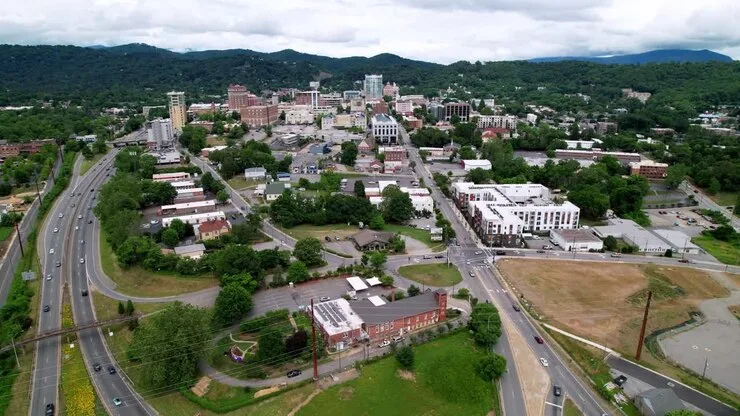
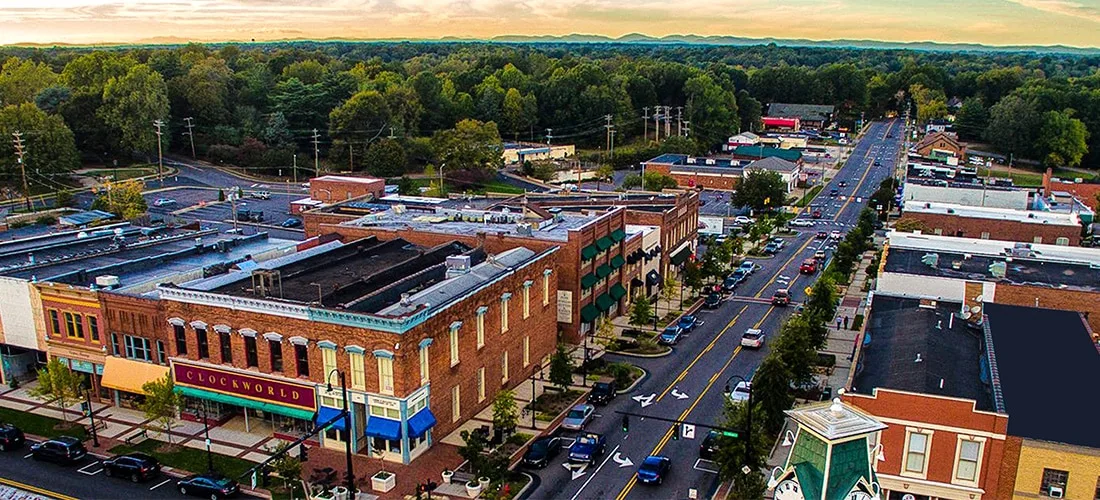
Damage Restoration in Iredell County, NC
- Damage Restoration Services Overview
- Common Damage Restoration Issues in Iredell County, North Carolina
- Neighborhoods We Serve in Iredell County
- Seasonal Damage Patterns in Iredell County
- Housing Characteristics & Restoration Considerations
- Environmental Conditions & Damage Implications
- Advanced Drying Technology and the Full Rebuild Process in the Lake Norman Region
Damage Restoration Services Overview
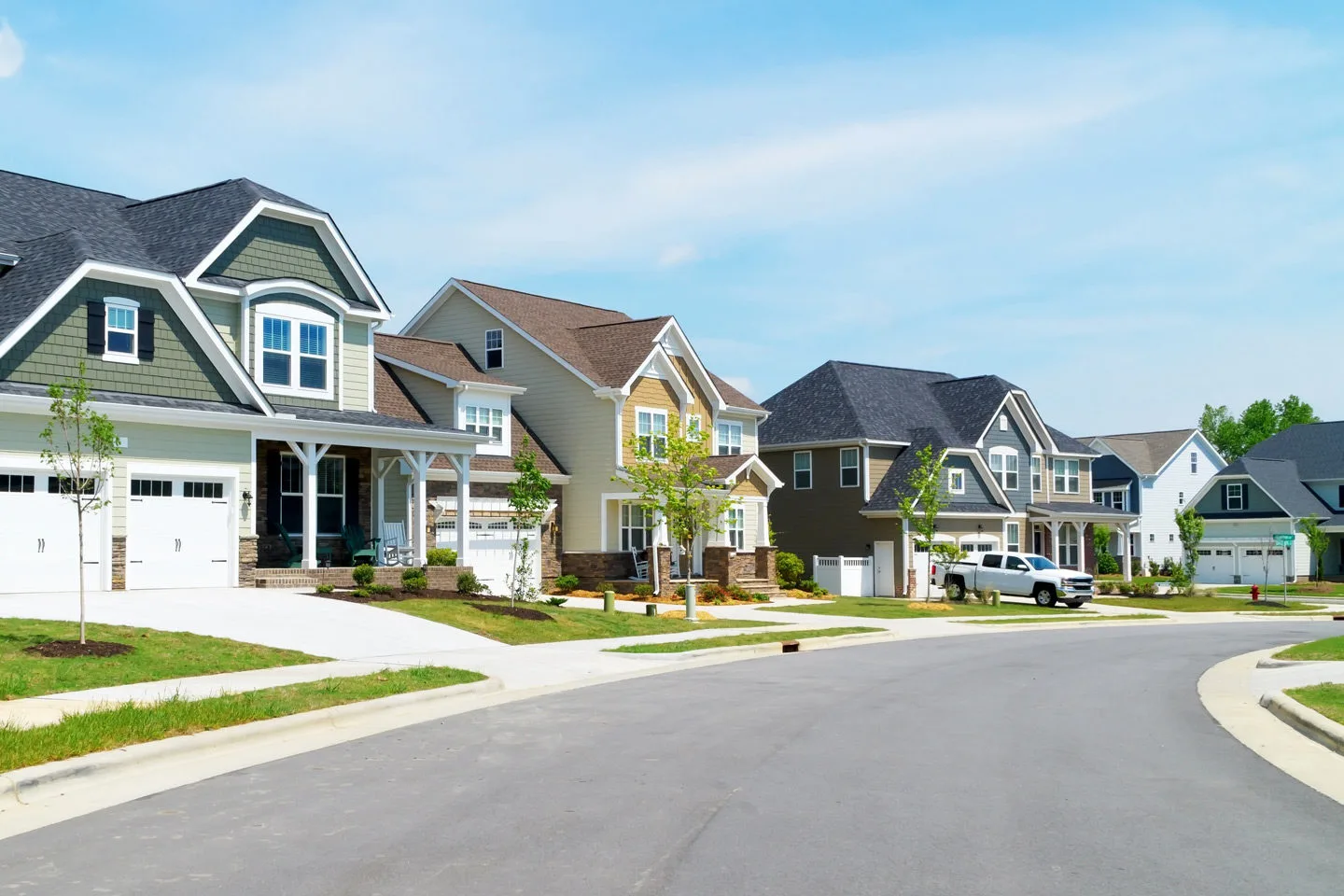
Discovering water spreading across a finished basement floor, smelling smoke long after the flames are out, or spotting black growth behind baseboards puts property owners in an unfamiliar and stressful position. Damage rarely stays contained - water migrates, soot settles into fabrics, and mold colonizes wherever humidity lingers. Fast, organized response protects both the structure and the people living or working inside it.
911 Restoration of Iredell County provides full-spectrum property recovery for homes and businesses across Statesville, Mooresville, the Lake Norman corridor, and surrounding communities:
- Water Damage Restoration - extraction, structural drying, and moisture mapping after pipe failures, roof leaks, and appliance overflows
- Flooded Basement Cleanup - pumping, dehumidification, and lower-level restoration after storm and groundwater intrusion
- Sewage Cleanup - removal of contaminated material, antimicrobial treatment, and safe disposal following backups and septic failures
- Fire Damage Restoration - debris removal, structural stabilization, content recovery, and reconstruction
- Smoke Damage Restoration - soot removal, surface cleaning, odor neutralization, and HVAC decontamination
- Mold Removal - containment, source correction, and removal of affected materials in crawl spaces, walls, and floors
IICRC certified technicians, direct insurance billing with major carriers, and 24-hour availability mean Iredell County property owners get one point of contact from assessment through final finishing work.
Common Damage Restoration Issues in Iredell County, North Carolina
Piedmont weather patterns and regional building styles create a predictable set of restoration problems. Knowing what triggers damage locally helps homeowners react before small issues become structural ones.
Local Causes of Property Damage
- Ice storms - freezing rain loads roofs and limbs, causing roof punctures, gutter failure, and burst supply lines in unconditioned spaces
- Lake Norman and Catawba River flooding - shoreline properties and sloped lots take on water at foundation walls and lower levels
- Tornado and straight-line wind events - Dixie Alley storm risk brings roof loss and wind-driven rain intrusion
- Tropical storm remnants - late-summer systems dump heavy rainfall on saturated Piedmont clay soil
- Humid summers - crawl space condensation feeds mold growth beneath floor systems
- Septic and municipal line backups - older rural systems and saturated drain fields push sewage into basements and lower baths
- Heating season fires - wood stoves, fireplaces, and space heaters drive winter fire and smoke damage
Warning Signs Worth Acting On
- Musty odor in a crawl space, closet, or basement that never fully clears
- Cupping hardwood, bubbling paint, or stained drywall near exterior walls
- Slow drains or gurgling fixtures before a full sewage backup occurs
- Smoke odor that returns during humid weather after a small kitchen or chimney fire
- Efflorescence or white powder on block foundation walls
- Allergy symptoms that improve when occupants leave the building
Addressing these signs early narrows the scope of work and limits how deep into the structure demolition has to go.
Neighborhoods We Serve in Iredell County
Response crews cover the full county and the surrounding four-county territory, from historic in-town districts to newer lakeside subdivisions.
- Statesville - downtown historic districts, Mitchell College area, Signal Hill, and the West End
- Mooresville - downtown, Cornelius Road corridor, The Point vicinity, and Langtree
- Troutman and the Highway 21 corridor
- Lake Norman shoreline communities - Brawley School Road peninsula, Isle of Pines, and waterfront neighborhoods
- Harmony, Union Grove, and Olin - rural northern Iredell with septic and well systems
- Love Valley, Scotts, and Stony Point vicinity
- Barium Springs, Amity Hill, and Bethany
Coverage extends to neighboring communities along I-40 and I-77, including commercial corridors, industrial parks, warehouses, and multi-tenant retail properties throughout the region.
Seasonal Damage Patterns in Iredell County
Restoration call volume shifts predictably through the Piedmont year. Planning maintenance around these patterns reduces emergency exposure.
- December through February - ice storms, frozen and burst pipes in crawl spaces and garages, roof damage from limb strikes, and heating-related fire and smoke damage
- March through May - severe thunderstorms and tornado risk, wind-driven rain, saturated clay soil pushing groundwater into basements, and the first wave of spring mold growth
- June through August - peak humidity drives crawl space and attic mold, HVAC condensate line overflows, and lightning-related electrical fires; heavy afternoon storms overwhelm gutters and yard drains
- September through October - tropical storm remnants bring sustained rainfall, shoreline flooding around Lake Norman, sewage and septic backups from saturated drain fields
- November - chimney and flue fires as fireplaces return to service, plus early freeze events that stress uninsulated plumbing
Preventive Timing
- Insulate crawl space and exterior plumbing before Thanksgiving
- Clean gutters and check downspout extensions in late fall and again in early spring
- Have chimneys and wood stoves inspected before the first cold snap
- Check crawl space vapor barriers and sump pumps ahead of hurricane season
Housing Characteristics & Restoration Considerations
Iredell County housing spans more than a century of construction practice, and each era responds differently to water, fire, and mold. Restoration planning starts with identifying what the building is made of.
Common Building Types and What They Mean for Restoration
- Historic Statesville homes (pre-1940) - plaster and lath, balloon framing, and heart pine floors; smoke travels vertically through open wall cavities, and plaster holds moisture longer than drywall
- Mid-century ranches - vented crawl spaces, block foundations, and original galvanized or copper supply lines prone to pinhole leaks
- 1980s-1990s subdivisions - finished basements, particleboard subfloors, and aging water heaters that flood lower levels
- New Lake Norman construction - engineered lumber, tight building envelopes, and multi-story layouts where water from an upper-floor line reaches three levels
- Farmhouses in northern Iredell - septic systems, well water, and additions with mismatched framing that complicate structural repairs
- Commercial and warehouse space along I-40/I-77 - concrete slabs, suspended ceilings, and fire suppression systems that discharge large water volumes
Restoration Adjustments by Construction Type
- Crawl space homes need under-floor drying and vapor barrier replacement, not just interior dehumidification
- Finished basements typically require flood cut drywall removal above the waterline and full carpet pad disposal
- Older homes may contain asbestos-era flooring or lead paint requiring careful handling during demolition
- Tight modern envelopes trap smoke odor, so HVAC lines and duct systems need dedicated treatment
- Sewage events on porous materials call for removal rather than cleaning
Environmental Conditions & Damage Implications
Local climate and geology directly influence how quickly damage spreads and how thorough drying has to be.
Climate and Soil Factors
- Humid subtropical climate - summer relative humidity regularly exceeds levels where mold germinates within 24 to 48 hours on damp materials
- Heavy Piedmont clay soil - drains slowly, holds water against foundation walls, and creates hydrostatic pressure on block basements
- Rolling terrain - lots that slope toward the home channel runoff to foundations and walkout doors
- High annual rainfall - sustained wet periods keep crawl spaces from drying naturally between storms
- Freeze-thaw cycling - repeated expansion opens mortar joints and foundation cracks that later admit water
- Lake Norman proximity - shoreline microclimates keep humidity elevated near the water year-round
How Conditions Shape the Work
- Drying targets are set with moisture meters and thermal imaging rather than surface appearance, since clay-adjacent foundations rewet easily
- Mold remediation includes correcting the moisture source - grading, drainage, vapor barriers, or ventilation - not simply removing growth
- Sewage and floodwater in rural areas may involve septic effluent or agricultural runoff, requiring full contaminated-category protocols
- Smoke residues combine with humid air to become acidic, so prompt cleaning protects metal fixtures, appliances, and electronics
- Post-fire structures are covered and secured quickly because open roofs invite immediate rain intrusion and secondary mold growth
Advanced Drying Technology and the Full Rebuild Process in the Lake Norman Region
Surface cleanup rarely finishes the job. Water hides beneath hardwood, inside wall cavities, and under insulation; smoke penetrates porous materials; mold roots into framing. Modern restoration relies on measurement and documented results rather than assumptions.
Equipment and Methods Used on Local Projects
- Thermal imaging cameras to trace hidden water migration behind walls and under flooring
- Penetrating and non-penetrating moisture meters for daily readings against dry-standard benchmarks
- Low-grain refrigerant and desiccant dehumidifiers sized for humid Piedmont conditions and large lower-level spaces
- Air movers and injection drying systems for hardwood floors, wall cavities, and cabinet toe kicks
- Truck-mounted and portable extraction units for high-volume basement flooding
- HEPA filtration and negative air machines for mold containment and post-fire particulate control
- Hydroxyl and ozone treatment plus thermal fogging for smoke odor at the molecular level
- Antimicrobial and EPA-registered disinfectants for sewage-affected structures
From Assessment to Final Finish
- Emergency response - stop the source, secure the structure, tarp roofs, and board openings
- Damage assessment - document affected materials, classify water or contamination category, and photograph everything for the claim
- Mitigation - extraction, controlled demolition of unsalvageable materials, and structured drying with daily monitoring
- Cleaning and treatment - soot removal, odor neutralization, antimicrobial application, and content restoration
- Clearance - verification that moisture and contamination targets are met before rebuilding begins
- Reconstruction - framing, insulation, drywall, flooring, cabinetry, paint, and trim to return the property to pre-loss condition
Keeping mitigation and reconstruction under one roof removes handoffs between contractors, keeps insurance documentation consistent, and gives property owners a single team accountable from the first call to the last coat of paint.