
Damage Restoration in Statesville, NC
- Damage Restoration Services Overview
- Common Damage Restoration Issues in Statesville, North Carolina
- Neighborhoods We Serve in Statesville
- Seasonal Damage Patterns in Statesville
- Housing Characteristics & Restoration Considerations
- Environmental Conditions & Damage Implications
- Emergency Response and Insurance Coordination in Iredell County
Damage Restoration Services Overview
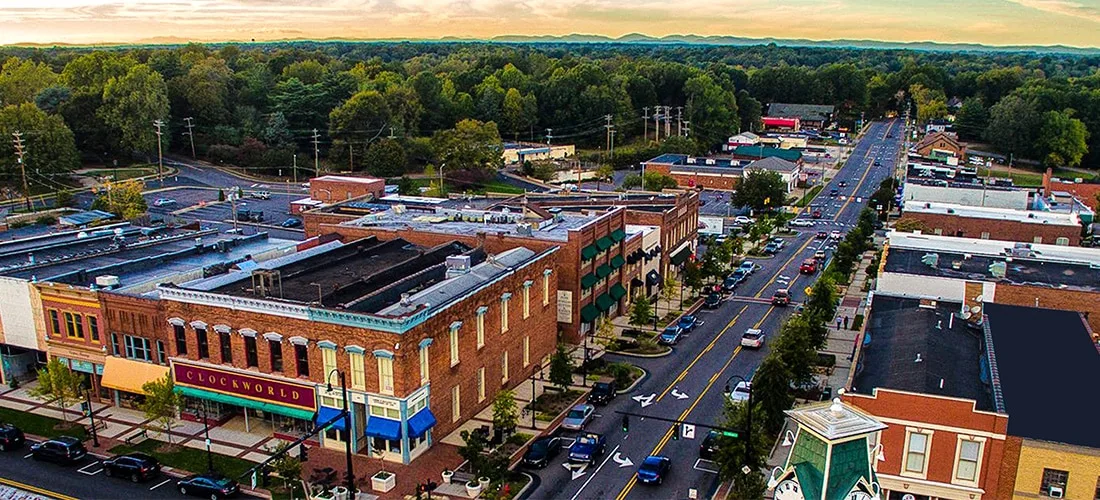
Statesville sits at the crossroads of I-40 and I-77 in Iredell County, where Piedmont clay soil, humid summers, and winter ice storms create a distinct set of property risks. Homes here range from century-old downtown structures with brick foundations to newer subdivisions built on graded lots that shed stormwater toward basements and crawl spaces.
Restoration work in this area calls for crews who know how local construction reacts to moisture, heat, and smoke. A plaster wall in a historic Mitchell College district home dries very differently than drywall in a recently built home off Radio Road.
- Water Damage Restoration - extraction, structural drying, and moisture mapping after pipe bursts, appliance failures, and roof leaks
- Flooded Basement - pump-out, sump and drainage evaluation, and drying of below-grade finished space
- Sewage Cleanup - containment and disinfection after backups from septic systems or municipal line surcharges
- Fire Damage Restoration - debris removal, structural cleaning, contents handling, and rebuild coordination
- Smoke Damage Restoration - soot removal, thermal fogging, HVAC cleaning, and odor neutralization
- Mold Removal - containment, antimicrobial treatment, and humidity correction in crawl spaces, attics, and baths
Fast response limits secondary damage. Direct billing with major insurance carriers keeps paperwork off your plate while crews focus on the property.
Common Damage Restoration Issues in Statesville, North Carolina
Most emergency calls in Statesville trace back to a handful of predictable causes. Knowing them helps homeowners catch trouble before it spreads through framing and insulation.
Leading Causes of Damage
- Frozen and burst pipes - Piedmont ice storms and sharp overnight freezes rupture lines in crawl spaces, garages, and exterior walls
- Storm and wind damage - Dixie Alley tornado risk and severe thunderstorm lines tear shingles loose and drive rain into attics
- Shoreline and runoff flooding - properties near Lake Norman, Third Creek, and the South Yadkin drainage see fast-rising water after heavy rain
- Sewer and septic backups - saturated clay soil overloads drain fields and pushes contaminated water back into basements and floor drains
- Kitchen and electrical fires - older wiring in mid-century homes and space heater use during cold snaps
- Crawl space mold - humid North Carolina summers combined with unvented or poorly sealed crawl spaces
Warning Signs Worth Acting On
- Musty odor that strengthens near floor vents or closets
- Cupping hardwood, bubbling paint, or soft baseboards
- Rust rings or staining around water heaters and washing machine hookups
- Gurgling drains or slow toilets, often the first hint of a sewer line problem
- Persistent smoke odor that returns on humid days after a small fire
- Condensation on ductwork or insulation sagging in the crawl space
Water intrusion can begin supporting mold growth within a couple of days in Statesville's climate, so early reporting matters more here than in drier regions.
Neighborhoods We Serve in Statesville
Crews cover the full city and the surrounding Iredell County countryside, plus neighboring communities across the four-county service territory.
- Downtown Statesville and the historic districts - Mitchell College, Academy Hill, and West End with their older masonry and plaster construction
- Northern and eastern Statesville - Signal Hill, Brookdale, and neighborhoods off Taylorsville Highway and Salisbury Road
- South Statesville - subdivisions along Old Mocksville Road, Davie Avenue, and the I-40 corridor
- Rural Iredell County - Troutman, Union Grove, Harmony, Scotts, and Olin, where septic systems and well water are common
- Lake Norman communities - Mooresville, Sherrills Ford, and shoreline properties with docks and walk-out basements
- Surrounding counties - Hickory, Conover, Salisbury, and nearby Catawba and Rowan County towns
Commercial response covers warehouses along the interstate corridors, downtown storefronts, medical offices, schools, and churches.
Seasonal Damage Patterns in Statesville
Each season brings its own call volume. Planning around these patterns reduces emergencies.
- December through February - ice storms, freeze-thaw pipe bursts, and heating-related fires. Supply lines in unheated crawl spaces are the usual failure point, and smoke damage from fireplaces and space heaters peaks.
- March through May - severe thunderstorms and tornado watches. Wind-driven rain, roof leaks, and flooded basements dominate, along with the first mold complaints as humidity climbs.
- June through August - peak mold season. Sustained humidity, condensation in crawl spaces, and air conditioning drain line clogs cause slow, hidden water damage. Afternoon storms overload gutters and sewer lines.
- September through October - remnants of tropical systems push inland, saturating soil and triggering septic and sewage backups. Basement seepage follows extended rain.
- November - first freezes catch outdoor spigots and unwinterized irrigation lines. Chimney and furnace startup produces smoke and puff-back incidents.
Off-season inspections of sump pumps, crawl space vapor barriers, and dryer vents catch small problems before they become claims.
Housing Characteristics & Restoration Considerations
Statesville's housing stock spans well over a century of building practice, and each era responds differently to water, fire, and mold.
Common Construction Types
- Pre-1940 homes - wood lath and plaster, heart pine flooring, brick pier foundations, and knob-and-tube remnants. Plaster holds moisture and requires slower, monitored drying.
- Mid-century ranches (1950s-1970s) - block crawl space foundations, original single-pane windows, and aging galvanized or polybutylene supply lines prone to failure.
- 1980s-2000s subdivisions - stick framing with drywall, vinyl siding, and vented crawl spaces that trap humidity beneath living space.
- Recent Lake Norman and I-77 corridor builds - engineered lumber, walk-out or finished basements, and tight envelopes that hold moisture and smoke odor when ventilation fails.
How That Shapes the Work
- Crawl space foundations mean most water damage travels down and then evaporates upward, so subfloor and insulation removal is often part of the job.
- Finished basements need cavity drying behind studs, not just surface fans, to prevent mold behind walls.
- Older homes may contain asbestos-containing materials or lead paint, which changes demolition sequencing during fire and water restoration.
- Smoke odor migrates through balloon framing in historic homes and demands sealing plus HVAC cleaning.
- Septic-served rural properties raise contamination categories during sewage cleanup and require broader disinfection.
Environmental Conditions & Damage Implications
Local ground and climate conditions dictate how quickly damage develops and how drying is approached.
Climate and Air
- Humid subtropical summers with dew points that keep indoor relative humidity elevated without dehumidification
- Roughly 45 inches of annual rainfall, much of it in intense summer bursts
- Winter freeze-thaw cycles that stress plumbing and open masonry joints
- Seasonal pollen and wildfire smoke drift that combine with soot to worsen indoor air after a fire
Soil and Water
- Piedmont red clay - drains slowly, holds water against foundation walls, and creates hydrostatic pressure on basement slabs
- Shrink-swell movement - clay expansion and contraction opens foundation cracks that later serve as seepage paths
- High water table near creeks and the lake - sump pumps run frequently and fail during long outages
- Well and septic properties - rural systems saturate quickly, raising backup and groundwater contamination risk
These conditions mean drying plans here rely on controlled dehumidification rather than open windows. Bringing in humid outside air during a July water loss can extend drying and encourage mold. Moisture meters and thermal imaging confirm that framing and subfloor reach dry standard before reconstruction begins, and antimicrobial treatment is applied where contamination or extended exposure occurred.
Emergency Response and Insurance Coordination in Iredell County
When water is spreading or smoke is still settling, the first hour shapes the entire outcome. Local crews staged in the Statesville area can reach most addresses quickly, day or night.
What Happens After You Call
- Dispatch - a technician gathers details on the source, affected areas, and safety concerns while the crew rolls.
- Site assessment - moisture mapping, thermal imaging, and contamination classification determine scope for water, sewage, or mold work.
- Stabilization - water extraction, board-up, tarping, or containment barriers stop the damage from spreading.
- Drying and cleaning - air movers, dehumidifiers, HEPA filtration, soot removal, and odor treatment run on a monitored schedule.
- Documentation - daily moisture readings, photos, and itemized scope go to your adjuster.
- Reconstruction - drywall, flooring, paint, and finish work return the property to pre-loss condition.
Insurance Billing Made Simple
- Direct billing arrangements with all major carriers
- Estimates written in industry-standard formats adjusters expect
- Photo and moisture logs that support the claim from day one
- Assistance explaining coverage differences between sudden water damage, sewer backup endorsements, and flood policies
Steps to Take Before Crews Arrive
- Shut off the water source if it is safe to reach
- Move valuables, documents, and electronics to a dry area
- Stay clear of standing water near outlets, panels, or appliances
- Keep everyone out of any area with suspected sewage contamination
- Skip the household vacuum and any do-it-yourself mold treatment
- Do not enter a structure with visible framing or roof compromise after wind or fire damage
Leave the rest to the crew. Trained technicians handle the hazards, the equipment, and the paperwork so Statesville families and business owners can focus on getting back to normal.





