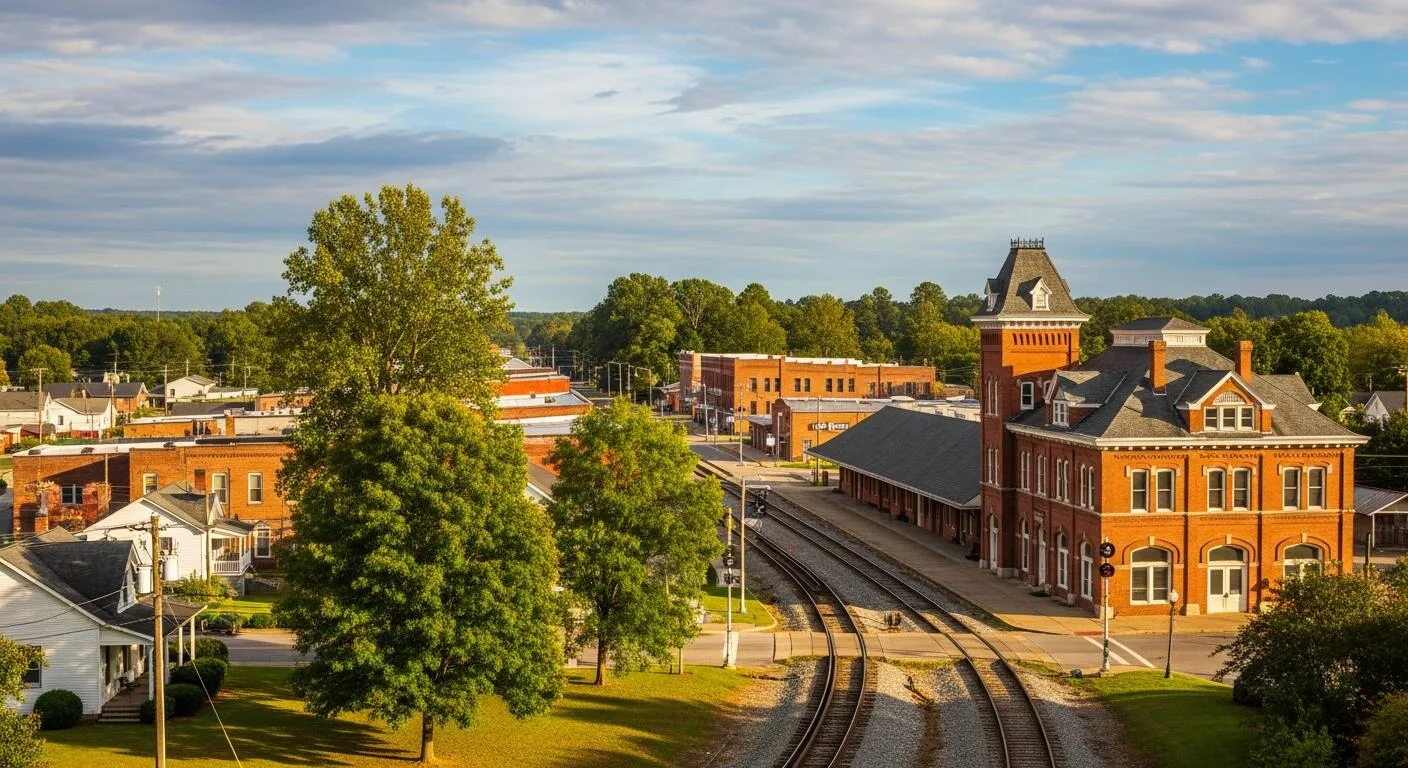
Damage Restoration in Richmond County, NC
- Damage Restoration Services Overview
- Common Damage Restoration Issues in Richmond County, North Carolina
- Neighborhoods We Serve in Richmond County
- Seasonal Damage Patterns in Richmond County
- Housing Characteristics & Restoration Considerations
- Environmental Conditions & Damage Implications
- Crawl Space Moisture and Mold Control for Richmond County Homes
Damage Restoration Services Overview

Richmond County sits in the Sandhills transition zone, where sandy uplands meet the clay-heavy bottomlands along the Pee Dee River - a combination that lets water move fast on the surface but drain slowly beneath foundations. That single geographic quirk explains why so many Rockingham, Hamlet, and Ellerbe homeowners deal with standing water, damp crawl spaces, and recurring mold long after a storm passes.
Property damage rarely stays in one category. A burst supply line becomes a mold problem. A kitchen fire leaves smoke residue plus water from suppression efforts. Restoration work has to address all of it at once.
- Water Damage Restoration - extraction, structural drying, moisture mapping, and monitoring until materials return to normal readings
- Flooded Basement - pump-out, contents handling, and drying of below-grade walls and slabs
- Sewage Cleanup - removal of contaminated material, antimicrobial treatment, and safe disposal of Category 3 waste
- Fire Damage Restoration - board-up, debris removal, soot cleaning, and structural stabilization
- Smoke Damage Restoration - odor neutralization, HVAC cleaning, and treatment of porous surfaces
- Mold Removal - containment, HEPA filtration, affected material removal, and moisture-source correction
The benefit to county residents is straightforward: faster drying limits secondary damage, and documented work supports insurance claims without guesswork.
Common Damage Restoration Issues in Richmond County, North Carolina
Local damage patterns follow local conditions. Older housing stock, humid summers, and tropical remnants moving inland from the coast drive most emergency calls.
Frequent Causes
- Burst or leaking supply lines in unconditioned crawl spaces during January cold snaps
- Water heater and washing machine hose failures - often discovered hours after the fact
- Roof leaks from wind-driven rain and falling longleaf pine limbs
- Sewer backups when heavy rain overloads lines or tree roots invade older laterals
- Septic saturation in rural areas outside Rockingham and Hamlet city service
- Kitchen grease fires, chimney and wood stove fires, and electrical faults in aging panels
- Condensation and poor ventilation feeding hidden mold growth
Warning Signs Worth Acting On
- Musty odor that intensifies when the HVAC runs
- Cupping hardwood, bubbling paint, or stained baseboards
- Gurgling drains or slow toilets - an early sewage backup indicator
- Persistent smoke smell weeks after a small fire, meaning residue remains in ductwork
- Condensation on ductwork or sweating crawl space piers
- Efflorescence or white powder on basement and foundation walls
If a leak is active, shut water off at the fixture or the main valve, then call for extraction, selective demolition, and drying. Notify your insurance agent early so documentation and repair detail can be shared as the work proceeds.
Neighborhoods We Serve in Richmond County
Coverage spans the entire county, from the Pee Dee River corridor east toward the Scotland County line.
- Rockingham - downtown historic blocks, Steele Street area, and newer subdivisions off US 74
- Hamlet - railroad district homes, Main Street properties, and surrounding residential streets
- Ellerbe - farmhouses, older frame homes, and rural properties on well and septic
- Cordova - former mill village housing and nearby river-adjacent parcels
- Hoffman and Marston - Sandhills properties near Sandhills Game Land
- Norman and Dobbins Heights - small-town residential and manufactured housing
- Pinebluff Lakes, Hitchcock Creek, and Falling Creek areas - low-lying lots with drainage sensitivity
Neighboring communities in Scotland, Moore, Anson, and Montgomery counties are within the same service footprint.
Seasonal Damage Patterns in Richmond County
Winter (December - February)
- Frozen and burst pipes in crawl spaces and exterior walls
- Heating-related fires from space heaters, fireplaces, and wood stoves
- Smoke damage from chimney flue buildup
Spring (March - May)
- Severe thunderstorms and hail creating roof and ceiling leaks
- Flooded basements and crawl spaces as groundwater rises
- Mold colonies restarting as temperatures climb past 60 degrees
Summer (June - August)
- Peak mold season - high dew points and heavy humidity
- HVAC condensate line clogs flooding closets and ceilings
- Lightning strikes causing attic and electrical fires
Fall (September - November)
- Tropical systems moving inland with prolonged rainfall
- Sewage backups when saturated ground overwhelms septic drain fields
- Clogged gutters from pine straw pushing water against foundations
Housing Characteristics & Restoration Considerations
Richmond County housing skews older than the state average, with a large share of homes built before 1980 and a meaningful number dating to the mill and railroad era. Construction type drives the restoration approach.
Common Local Building Types
- Vented crawl space homes - the dominant foundation style; moisture accumulates in insulation and subfloor
- Mill village and railroad-era frame houses - plaster, lath, and old-growth wood that require gentler drying
- Brick ranch homes from the 1950s-1970s - masonry retains moisture and hides wicking behind interior finishes
- Slab-on-grade builds - water tracks under flooring and along wall bases before it becomes visible
- Manufactured homes - belly wrap traps water, and sagging insulation feeds mold
- Partial basements - less common here, but highly prone to seepage and flooding when present
How Age Affects the Work
- Older cast iron and galvanized plumbing fails more often, raising sewage backup risk
- Knob-and-tube or outdated wiring increases electrical fire potential and complicates post-fire inspection
- Pre-1980 materials may include asbestos or lead, requiring testing before demolition
- Original single-pane windows and low insulation levels drive condensation and hidden mold
- Substantial damage thresholds matter - repairs equaling half of pre-damage market value can trigger local floodplain compliance requirements
Environmental Conditions & Damage Implications
The county's climate and soils shape how quickly damage spreads and how long drying takes.
Climate
- Humid subtropical, with summer dew points frequently in the 70s
- Roughly 45-48 inches of annual rainfall, heaviest in summer and early fall
- Mild winters punctuated by short, sharp freezes that catch uninsulated plumbing
Soil and Water
- Sandy Sandhills soils drain rapidly but shift and undermine footings during downpours
- Clay pockets near the Pee Dee River and Hitchcock Creek hold water against foundations
- Rural well systems can be compromised by flooding or nearby septic overflow
- Municipal lines in Rockingham and Hamlet include older segments prone to infiltration during heavy rain
Air Quality Effects
- Long pollen seasons combine with mold spores to worsen indoor air for sensitive occupants
- Smoke residue binds to humid interior surfaces, making odor removal slower without proper treatment
- Controlled burns and wildfire smoke drifting from Sandhills game lands can settle into HVAC systems
Because ambient humidity stays high much of the year, dehumidification - not just fans - determines whether a structure truly dries. Moisture meters and monitoring documentation confirm materials reach acceptable readings before rebuilding starts.
Crawl Space Moisture and Mold Control for Richmond County Homes
Most homes here sit over a vented crawl space, and that space quietly determines indoor air quality throughout the house. Warm, humid outside air enters the vents, hits cooler surfaces underneath, and condenses on ductwork, joists, and insulation.
Why Crawl Spaces Drive So Many Calls
- Air from below moves upward through floors, carrying spores and odor into living areas
- Batt insulation absorbs moisture, sags, and becomes a mold reservoir
- Plumbing leaks under the floor can run for months unnoticed
- Sandy grade lets rainwater enter through foundation vents during heavy storms
- Septic or sewer failures in rural areas contaminate the soil floor directly
How Restoration Addresses It
- Inspect and document moisture readings across subfloor, joists, and piers
- Extract standing water and remove saturated insulation and contaminated debris
- Set containment when mold or sewage is present to protect the living space
- Run HEPA filtration and commercial dehumidifiers sized to the cubic footage
- Clean and treat framing surfaces, then verify readings before closing the space
- Correct the source - grading, drainage, vapor barrier, or plumbing repair
Prevention Steps Homeowners Can Take
- Keep gutters clear of pine straw and extend downspouts well away from the foundation
- Grade soil so it slopes away from the house on all sides
- Install and maintain a sealed vapor barrier over exposed soil
- Insulate exposed pipes before the first hard freeze
- Inspect the crawl space seasonally, especially after tropical rainfall
- Have septic tanks pumped on schedule to reduce backup risk
Handling crawl space moisture early keeps a manageable issue from turning into structural repair, whole-home odor problems, or a full mold remediation project.