
Damage Restoration in Hamlet, NC
- Damage Restoration Services Overview
- Common Damage Restoration Issues in Hamlet, North Carolina
- Neighborhoods We Serve in Hamlet
- Seasonal Damage Patterns in Hamlet
- Housing Characteristics & Restoration Considerations
- Environmental Conditions & Damage Implications
- From First Call to Final Walkthrough: Full-Service Restoration in Hamlet
Damage Restoration Services Overview
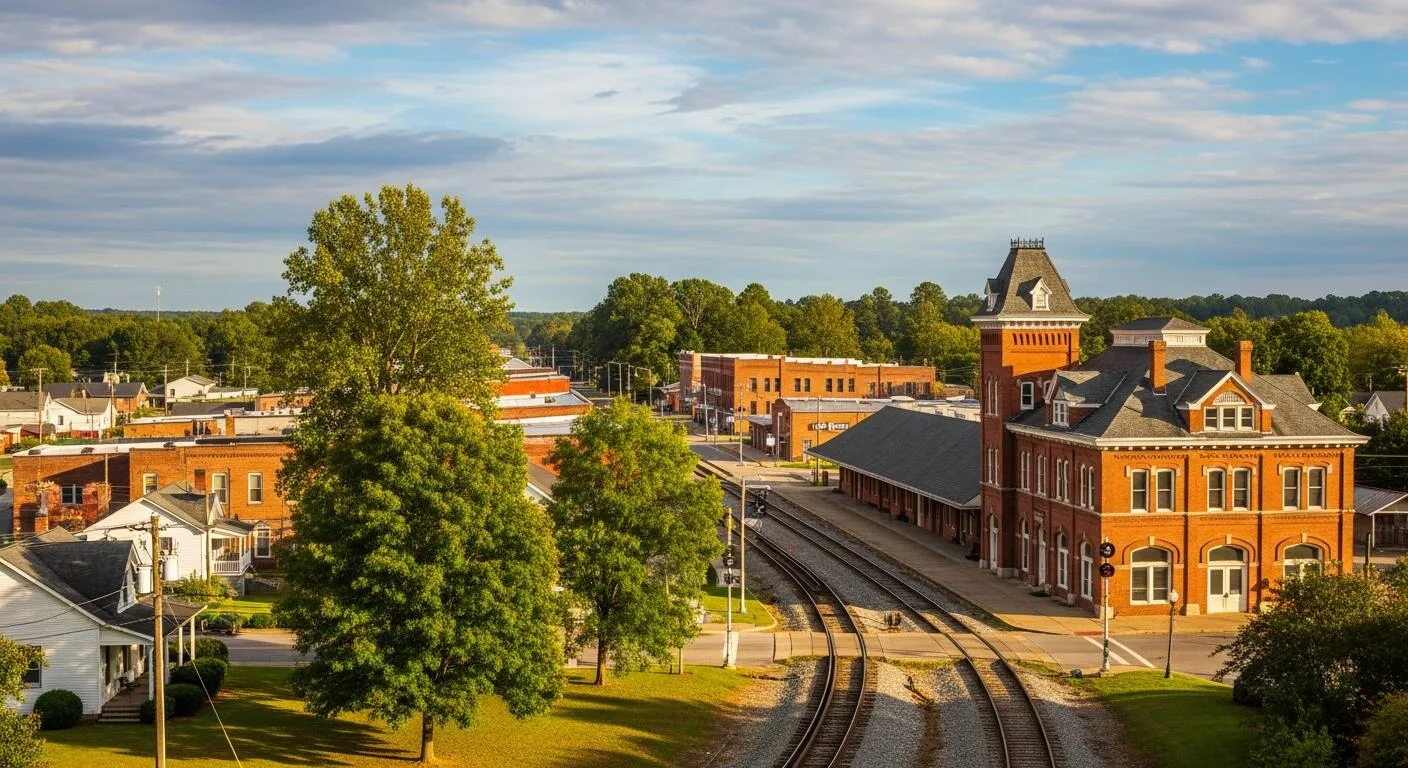
Hamlet sits in the Sandhills region of Richmond County, where sandy topsoil sits above dense clay layers - a combination that lets rainwater sink fast, then stall and pool exactly where you do not want it. That single soil quirk explains why so many Hamlet homes battle damp crawl spaces, wet basements, and musty air long after the storm clouds clear.
Property damage rarely stays in one lane. A burst supply line becomes a mold problem. A kitchen fire leaves behind smoke residue and water from suppression efforts. That is why full-service restoration matters more than single-task cleanup.
- Water Damage Restoration - extraction, structural drying, moisture mapping, and material repair from any source
- Flooded Basement - pump-out, sanitizing, dehumidification, and drainage evaluation for below-grade spaces
- Sewage Cleanup - containment, removal of contaminated porous materials, and antimicrobial treatment
- Fire Damage Restoration - debris removal, structural stabilization, content recovery, and rebuild
- Smoke Damage Restoration - soot removal, HVAC cleaning, and odor neutralization at the molecular level
- Mold Removal - containment barriers, HEPA filtration, remediation, and moisture-source correction
Handling every phase under one roof means fewer contractors, cleaner documentation for insurance, and a faster path back to a dry, safe, breathable home for Hamlet families.
Common Damage Restoration Issues in Hamlet, North Carolina
Hamlet's humid subtropical climate, aging railroad-era housing stock, and periodic tropical storm remnants create a predictable set of restoration problems. Recognizing the early signals keeps a small repair from becoming a gut-and-rebuild project.
Warning Signs Worth Acting On
- Uneven floors - wood or laminate that lifts, cups, or feels bumpy underfoot points to moisture beneath the surface
- Drooping ceilings - a bulging or sagging ceiling holds trapped water and can release debris without warning
- Cracked foundations - new or widening cracks suggest water is shifting the soil under the structure
- Soft walls - drywall that feels spongy or crumbles under light pressure has already absorbed water
- Sticking doors - frames pulled out of square by moisture or foundation movement
- Foul odors - damp, sour air often means hidden water or colonizing mold inside wall cavities
- Baseboard mold - growth where floors meet walls signals lingering leaks, humidity, or poor ventilation
- Brown or yellow spots - staining on ceilings and walls shows water soaking through building materials
Why Small Problems Escalate
- Water travels through framing and insulation, ruining materials long before anything looks wet
- Wet wood rots and fasteners rust, weakening the structure itself
- Damp cavities support mold growth quickly, degrading air quality and complicating cleanup
- Sewage backups introduce pathogens that require regulated handling, not household cleaners
- Smoke residue is acidic and etches metal, glass, and finishes if left in place
Neighborhoods We Serve in Hamlet
Restoration crews cover Hamlet proper and the surrounding Richmond County communities, with familiarity in the housing styles and drainage patterns of each area.
- Downtown Hamlet and the Hamlet Depot district - older commercial buildings and historic homes with original wood framing
- Spring Street and Hylan Avenue corridors - established residential blocks with mature trees and aging sewer laterals
- Entwistle and Main Street neighborhoods - mid-century homes with crawl spaces prone to standing moisture
- Areas near Hamlet City Lake and Marks Creek - properties exposed to elevated groundwater and storm runoff
- Dobbins Heights and Cordova - adjacent communities served for water, fire, and mold work
- Rockingham, Ellerbe, Hoffman, Marston, and Laurinburg - regional coverage throughout Richmond and Scotland counties
Local knowledge matters. Knowing which streets flood first during a heavy Sandhills downpour shortens response planning and speeds drying setup.
Seasonal Damage Patterns in Hamlet
Each season brings its own restoration calls. Anticipating them helps homeowners prepare instead of react.
- Winter (December - February) - cold snaps freeze exposed crawl space and exterior pipes; thawing lines burst and flood floors overnight. Heating equipment, fireplaces, and space heaters drive fire and smoke damage calls.
- Spring (March - May) - steady rainfall saturates sandy soil and overwhelms perimeter drainage, producing flooded basements and crawl spaces. Warming temperatures and rising humidity trigger the first mold blooms of the year.
- Summer (June - August) - afternoon thunderstorms and tropical systems dump heavy rain quickly, backing up municipal lines and causing sewage intrusions. Air conditioning condensation lines clog and leak into ceilings and closets.
- Fall (September - November) - the peak of hurricane season sends remnant storms inland across the Sandhills, bringing wind-driven rain, roof leaks, and widespread water damage. Leaf-clogged gutters redirect water toward foundations.
Mold remediation requests continue year-round in Hamlet because indoor humidity rarely drops low enough to fully dry out enclosed spaces.
Housing Characteristics & Restoration Considerations
Hamlet grew as a railroad town, and much of its housing reflects early-to-mid twentieth century construction. Those building methods change how water, smoke, and mold behave inside a structure.
Common Construction Features
- Vented crawl spaces - the dominant foundation type locally, and the most frequent source of hidden moisture and subfloor mold
- Plaster and lath walls - found in older homes; they hold water far longer than modern drywall and need specialized drying
- Original hardwood flooring - salvageable with controlled drying, but quick to cup and buckle when water sits
- Brick veneer over wood framing - traps water behind the masonry where it evaporates slowly
- Aging galvanized or cast iron plumbing - prone to pinhole leaks and sewer lateral failures
- Knob-and-tube or early wiring in unrenovated homes - an elevated electrical fire risk
How This Shapes the Work
- Moisture mapping with infrared cameras and meters locates water inside walls, under flooring, and in ceiling cavities before any demolition begins.
- Drying plans are adjusted for dense legacy materials rather than applying a one-size approach.
- Crawl space encapsulation or vapor barrier repair is evaluated whenever recurring dampness is found.
- Smoke deodorization accounts for porous plaster, original trim, and older duct systems that hold odor.
- Rebuild work matches historic profiles, trim, and flooring so repairs blend with the original home.
Environmental Conditions & Damage Implications
Hamlet's environment is a major driver of restoration demand. Understanding the local conditions explains why drying here takes a different strategy than in drier regions.
Climate and Humidity
- Hot, humid summers with dew points that keep indoor air heavily loaded with moisture
- Mild winters that rarely freeze materials dry, allowing mold activity nearly year-round
- Annual rainfall well above the national average, concentrated in intense storm events
- Tropical storm remnants that push inland from the Atlantic coast each fall
Soil, Water, and Air Factors
- Sandhills soil - sandy surface layers drain fast, then water perches on clay subsoil and pushes against foundations
- Shallow groundwater near creeks and low-lying lots increases hydrostatic pressure on basement walls
- Pine pollen and airborne organics settle in ductwork and combine with humidity to feed microbial growth
- Storm-stressed sewer systems that surcharge during heavy rain, sending contaminated water into low fixtures
Practical Effects on Restoration
- Dehumidification must be aggressive and sustained, since outdoor air offers little drying help most of the year.
- Post-fire cleanup includes HVAC decontamination because humid air spreads soot odor throughout the system.
- Mold remediation always pairs with correcting the moisture source - drainage, ventilation, or plumbing - so growth does not return.
From First Call to Final Walkthrough: Full-Service Restoration in Hamlet
The hardest part of property damage is not the water or the smoke - it is coordinating everyone who has to fix it. Homeowners often end up juggling a cleanup crew, a mold specialist, a plumber, a general contractor, and an insurance adjuster who all tell a slightly different story. A single restoration partner handling mitigation through reconstruction removes that burden.
What the Process Looks Like
- Emergency response and stabilization - stop the water source, board openings after a fire, and make the structure safe to enter.
- Assessment and documentation - infrared cameras, moisture meters, and photo records establish the true extent of damage, including hidden intrusion behind walls and under flooring.
- Extraction and removal - standing water pumped out, contaminated porous materials removed under containment during sewage or mold work.
- Drying and treatment - commercial air movers and dehumidifiers run on a monitored schedule, with antimicrobial application where warranted.
- Cleaning and deodorization - soot removal from surfaces and contents, HVAC cleaning, and odor neutralization rather than masking.
- Reconstruction - drywall, flooring, trim, cabinetry, and paint restored so the finished space matches what existed before.
- Final verification - moisture readings confirmed within normal range and a walkthrough completed with the homeowner.
Insurance Coordination
- Detailed damage documentation formatted for carrier review
- Direct communication with adjusters so homeowners are not stuck relaying technical details
- Scope and work standards aligned with policy requirements
- Clear records of materials removed, dried, and replaced
The benefit for Hamlet property owners is continuity - one accountable team, one timeline, one set of records, and a home returned to a dry, clean, structurally sound condition.





