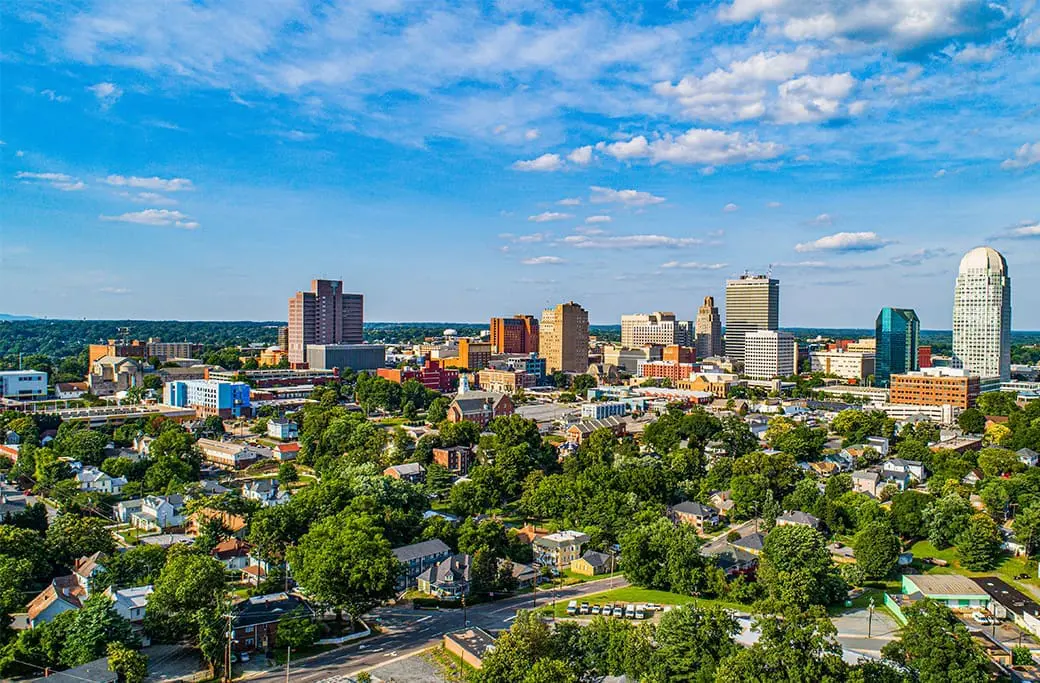
Damage Restoration in Forsyth, NC
- Damage Restoration Services Overview
- Common Damage Restoration Issues in Forsyth, North Carolina
- Neighborhoods We Serve in Forsyth
- Seasonal Damage Patterns in Forsyth
- Housing Characteristics & Restoration Considerations
- Environmental Conditions & Damage Implications
- Storm Damage Response and Yadkin River Basin Flooding
Damage Restoration Services Overview
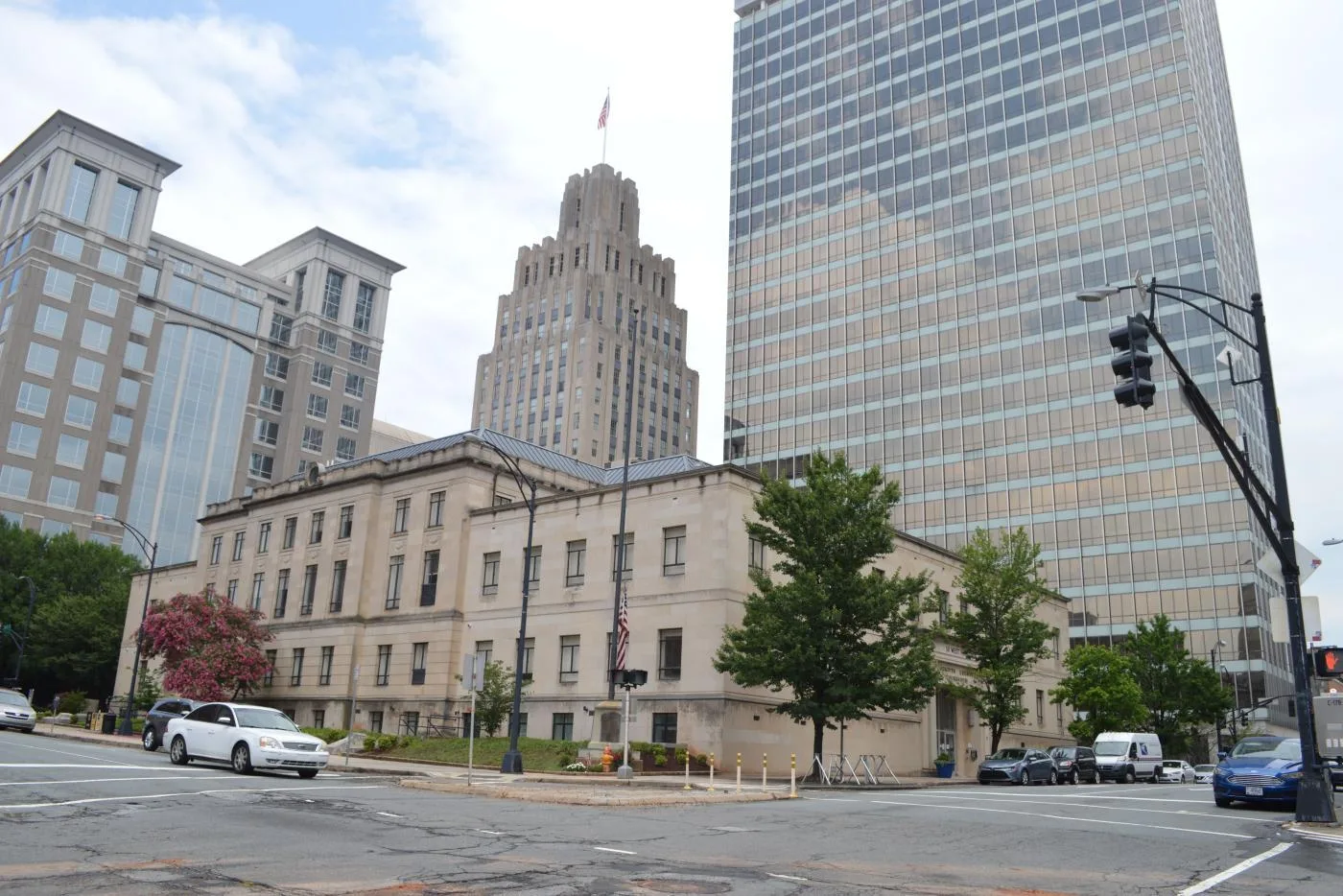
Delaying damage restoration in Forsyth County properties leads to exponential repair costs and health hazards. What starts as minor water intrusion can quickly escalate into structural damage, mold growth, and compromised indoor air quality within 24-48 hours.
Professional restoration services address multiple damage types that frequently impact Forsyth residents:
- Water Damage Restoration - Addressing burst pipes, appliance leaks, and storm-related flooding
- Flooded Basement - Managing groundwater intrusion and foundation water issues
- Sewage Cleanup - Safely removing contaminated water and sanitizing affected areas
- Fire Damage Restoration - Repairing structural damage and removing smoke residue
- Smoke Damage Restoration - Eliminating odors and cleaning smoke-affected surfaces
- Mold Removal - Identifying, containing, and eliminating fungal growth
Professional restoration teams use specialized equipment including industrial dehumidifiers, air movers, thermal imaging cameras, and antimicrobial treatments. These services protect property values, prevent secondary damage, and maintain healthy living environments for Forsyth County families and businesses.
Common Damage Restoration Issues in Forsyth, North Carolina
Forsyth County's geographic location and climate create specific restoration challenges. The area receives over 43 inches of annual rainfall, making water damage the most frequent restoration need.
Local water sources pose ongoing risks:
- Yadkin River system flooding during heavy rainfall periods
- Muddy Creek overflow affecting low-lying properties
- Salem Lake proximity creating humidity and moisture issues
- Aging municipal water infrastructure leading to pipe failures
Basement flooding occurs frequently in older Forsyth neighborhoods due to poor drainage systems and foundation settling. Sewage backup incidents increase during storm events when municipal systems become overwhelmed.
Fire damage restoration needs spike during dry autumn months when leaf debris and drought conditions create fire hazards. Smoke damage extends beyond fire scenes, affecting neighboring properties through HVAC systems and air circulation.
Mold removal becomes necessary year-round due to:
- High humidity levels averaging 65-70% during summer months
- Poor ventilation in older homes
- Undetected plumbing leaks behind walls
- HVAC condensation issues in crawl spaces
Warning signs include musty odors, visible water stains, peeling paint, warped flooring, and respiratory symptoms among occupants.
Neighborhoods We Serve in Forsyth
Our restoration teams serve all Forsyth County communities, providing rapid response to damage emergencies across the region.
Primary service areas include:
- Winston-Salem - Downtown, Reynolda, Ardmore, and West End neighborhoods
- Kernersville - Historic downtown and surrounding residential areas
- Clemmons - Village and Tanglewood communities
- Lewisville - Shallowford and residential developments
- Rural Forsyth County - Bethania, Tobaccoville, and farming communities
We also respond to calls in surrounding areas including Davie County, Stokes County, and Yadkin County when properties require specialized restoration services. Each neighborhood presents unique challenges based on housing age, elevation, and proximity to water sources, requiring customized restoration approaches for optimal results.
Seasonal Damage Patterns in Forsyth
Forsyth County experiences distinct seasonal damage patterns that property owners should anticipate and prepare for throughout the year.
Spring (March-May) brings the highest water damage risk:
- Heavy rainfall events causing basement flooding
- Rapid snowmelt overwhelming drainage systems
- Roof leak discovery after winter freeze-thaw cycles
Summer (June-August) creates mold growth conditions:
- High humidity promoting fungal development
- HVAC condensation issues in poorly ventilated spaces
- Thunderstorm damage requiring immediate water extraction
Fall (September-November) increases fire damage risks:
- Dry conditions and leaf accumulation near structures
- Chimney fires from creosote buildup
- Electrical fires from overloaded heating systems
Winter (December-February) presents unique challenges:
- Frozen pipe bursts requiring emergency water damage restoration
- Ice dam formation causing roof and attic water intrusion
- Carbon monoxide incidents necessitating smoke damage cleanup
Housing Characteristics & Restoration Considerations
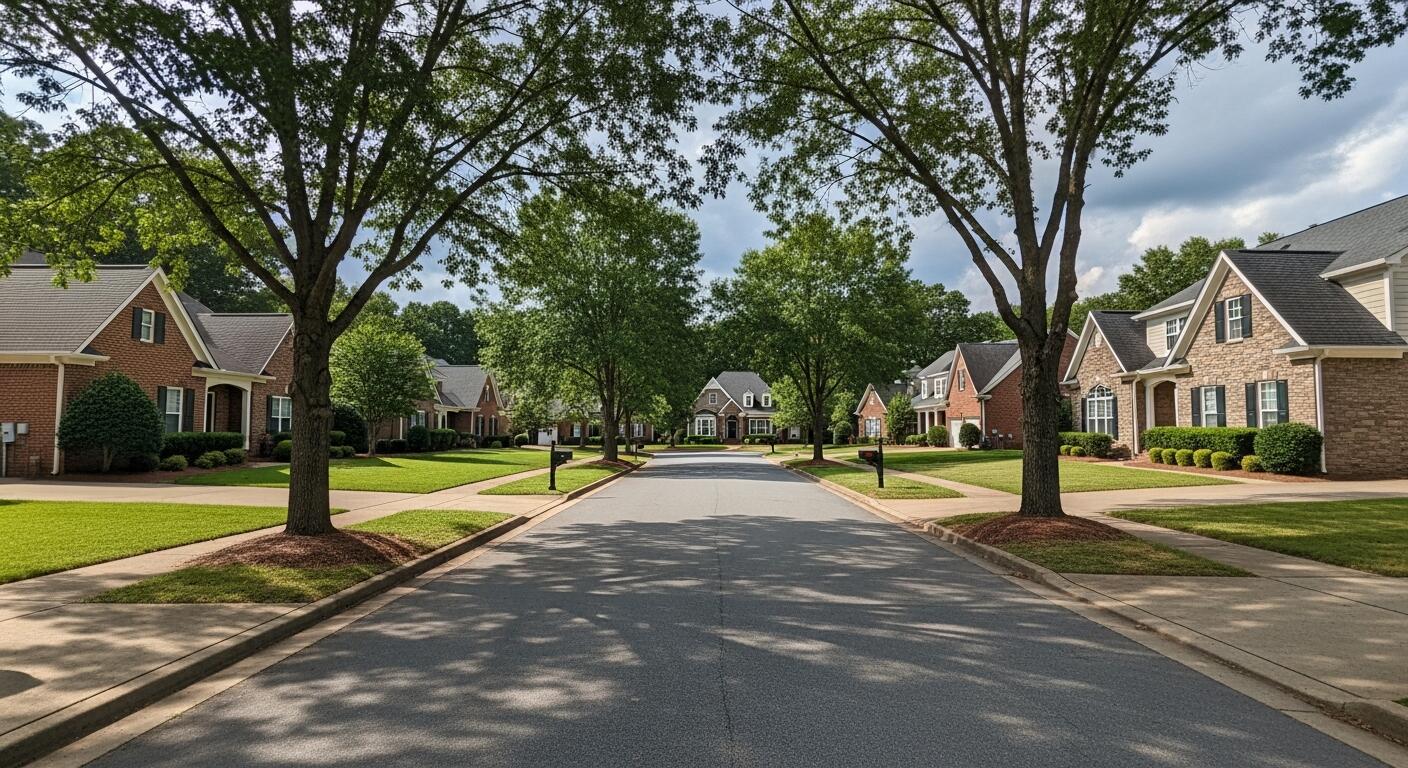
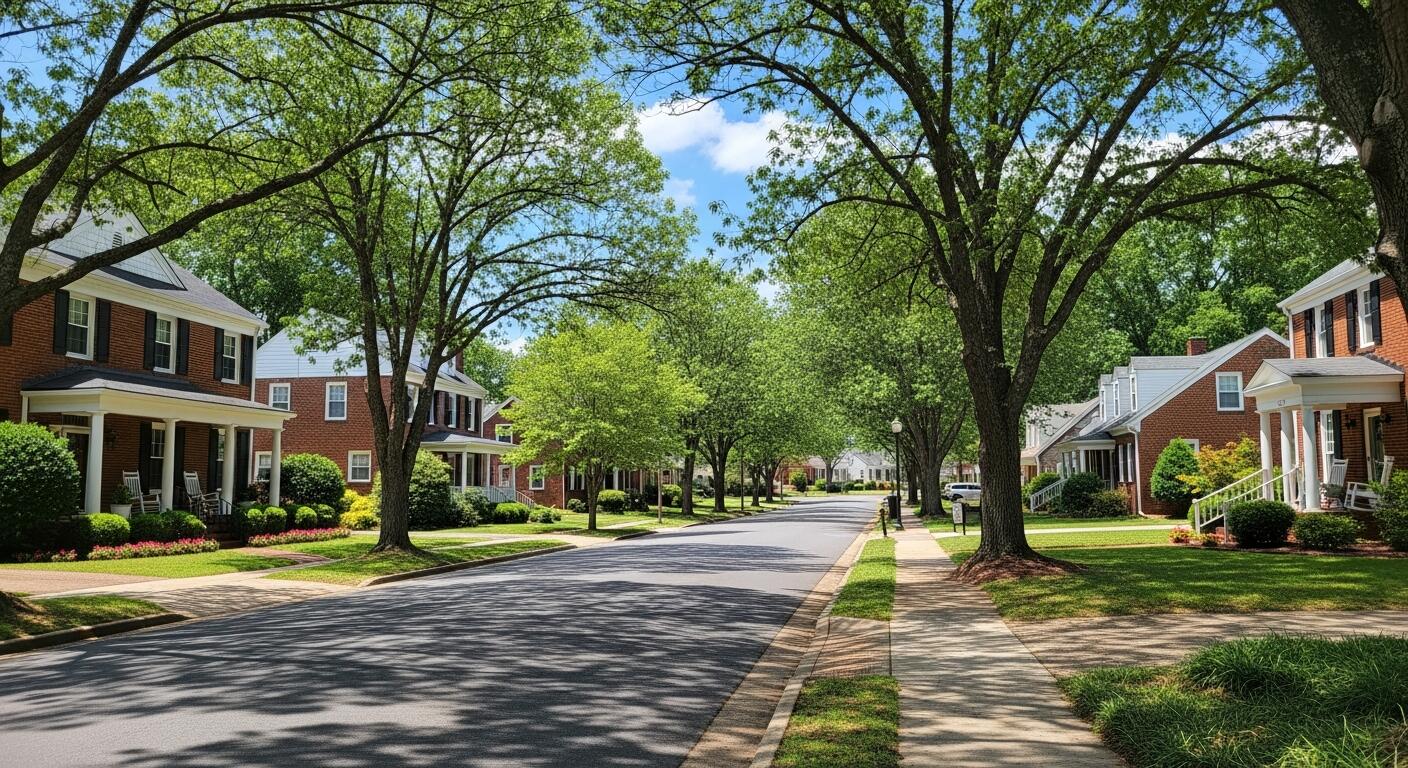
Forsyth County's diverse housing stock spans multiple decades, each presenting unique restoration challenges based on construction methods and materials used during different eras.
Pre-1950s homes feature:
- Plaster walls requiring specialized drying techniques
- Knob-and-tube wiring creating fire damage risks
- Stone or brick foundations prone to water infiltration
- Original hardwood flooring susceptible to water damage
Mid-century construction (1950s-1980s) includes:
- Slab-on-grade foundations complicating water extraction
- Asbestos-containing materials requiring specialized handling
- Galvanized plumbing prone to corrosion and leaks
- Single-pane windows allowing moisture infiltration
Modern homes (1990s-present) present different challenges:
- Engineered lumber requiring rapid drying to prevent warping
- Complex HVAC systems spreading smoke and contaminants
- Synthetic materials producing toxic smoke during fires
- Tighter building envelopes trapping moisture and promoting mold growth
Restoration approaches must account for these construction differences. Older homes often require longer drying times due to dense materials, while newer homes need careful attention to prevent secondary damage to sensitive components.
Environmental Conditions & Damage Implications
Forsyth County's humid subtropical climate creates specific environmental conditions that directly impact damage restoration processes and outcomes.
Climate characteristics affecting restoration include:
- Average humidity levels of 65-70% - Slowing natural drying processes and promoting mold growth
- Annual precipitation exceeding 43 inches - Creating ongoing water intrusion risks
- Temperature fluctuations - Causing material expansion and contraction leading to structural stress
Soil composition impacts foundation stability and drainage:
- Clay-heavy soils retaining water and causing hydrostatic pressure
- Poor natural drainage requiring enhanced water extraction methods
- Soil expansion during wet periods stressing foundation walls
Air quality considerations include:
- Pollen levels affecting indoor air quality during restoration
- Industrial emissions requiring enhanced filtration during smoke damage cleanup
- Natural allergens complicating mold remediation efforts
Water quality factors influence restoration approaches:
- Municipal water chlorine levels affecting material compatibility
- Well water iron content causing staining during cleanup
- Groundwater contamination requiring specialized sewage cleanup protocols
These environmental factors require restoration professionals to adjust drying times, select appropriate antimicrobial treatments, and implement enhanced air filtration systems specific to Forsyth County conditions.
Storm Damage Response and Yadkin River Basin Flooding
Forsyth County's position within the Yadkin River basin creates unique storm damage restoration challenges that require specialized knowledge and rapid response capabilities. The interconnected waterways including the Yadkin River, Muddy Creek, and Salem Lake system can cause widespread flooding during severe weather events.
Storm damage restoration in Forsyth County typically involves multiple service types simultaneously:
- Immediate water extraction from flooded basements and ground floors
- Roof leak repair from wind-damaged shingles and fallen tree limbs
- Sewage cleanup when municipal systems overflow during heavy rainfall
- Structural drying to prevent secondary mold growth in saturated materials
The Yadkin River system's flood patterns create predictable damage scenarios. Properties near Muddy Creek experience basement flooding when rainfall exceeds 2 inches in 24 hours. Salem Lake area homes face unique challenges with both surface water intrusion and elevated groundwater levels.
Storm restoration requires coordinated response addressing:
- Tree removal and debris clearing before water extraction begins
- Emergency board-up services for wind-damaged roofs and windows
- Contaminated water assessment when floodwater mixes with sewage systems
- Electrical safety evaluation before restoration equipment deployment
- Mold prevention protocols in high-humidity post-storm conditions
Successful storm damage restoration depends on understanding local topography, drainage patterns, and the interconnected nature of water, structural, and environmental damage that severe weather creates across Forsyth County properties.