
Damage Restoration in Lenoir, NC
- Damage Restoration Services Overview
- Common Damage Restoration Issues in Lenoir, North Carolina
- Neighborhoods We Serve in Lenoir
- Seasonal Damage Patterns in Lenoir
- Seasonal Damage Patterns in Lenoir
- Housing Characteristics & Restoration Considerations
- Environmental Conditions & Damage Implications
- The First 60 Minutes: What Lenoir Property Owners Should Do Before Help Arrives
Damage Restoration Services Overview
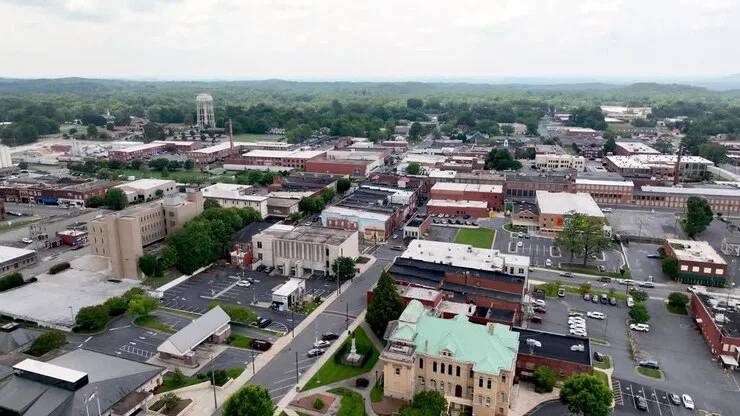
When water spreads across a floor or smoke settles into drywall, the clock starts immediately. In Lenoir's humid inland climate, untreated moisture becomes an active mold environment within 24 to 48 hours, and fire residues grow more corrosive with every passing hour. Fast, methodical response protects both the structure and the belongings inside it.
Property owners across Caldwell County rely on a full range of restoration disciplines, each addressing a different failure point:
- Water Damage Restoration - extraction, structural drying, and moisture mapping after supply line breaks, roof leaks, and appliance failures
- Flooded Basement - pump-out, saturated material removal, and dehumidification for below-grade spaces along Lenoir's sloping terrain
- Sewage Cleanup - containment and antimicrobial treatment for Category 3 water from backed-up drains, failed septic systems, and main line clogs
- Fire Damage Restoration - debris removal, soot cleaning, structural stabilization, and content recovery
- Smoke Damage Restoration - odor neutralization, HVAC decontamination, and treatment of porous surfaces that trap residue
- Mold Removal - containment barriers, HEPA filtration, affected material removal, and correction of the moisture source
The benefit to Lenoir residents is straightforward: damage caught early stays contained. Damage ignored migrates through wall cavities, subfloors, and duct systems until repair costs multiply.
Common Damage Restoration Issues in Lenoir, North Carolina
Sitting at the foot of the Blue Ridge Mountains, Lenoir catches mountain-driven storm systems, sustained summer humidity, and periodic hard freezes - a combination that produces predictable damage patterns.
Leading Causes of Property Damage Locally
- Severe thunderstorms pushing wind-driven rain past aging roof flashing and window seals
- Freeze events rupturing pipes in crawl spaces and exterior walls that lack adequate insulation
- Water heater tank failures and washing machine supply hose bursts
- Stormwater sheeting down sloped lots and entering basements through foundation cracks
- Sewer line backups during heavy rainfall, and septic saturation on rural Caldwell County parcels
- Kitchen fires, wood stove and fireplace incidents, and electrical faults in older wiring
- Chronic condensation in crawl spaces feeding mold colonies beneath the living space
Warning Signs Worth Acting On
- Musty odor that intensifies when the HVAC system cycles on
- Buckling hardwood, cupped laminate, or soft spots underfoot
- Staining on ceilings, baseboards, or around window casings
- Persistent condensation on ductwork or interior wall surfaces
- Slow drains, gurgling toilets, or standing water near floor drains
- Lingering smoke odor weeks after a minor fire or cooking incident
- Unexplained increases in water usage with no visible leak
Any of these signals justifies a professional moisture inspection before hidden damage spreads into framing and insulation.
Neighborhoods We Serve in Lenoir
Restoration crews cover the full footprint of Lenoir and the surrounding communities of Caldwell County, including:
- Downtown Lenoir and the historic district surrounding the courthouse square
- West Lenoir and the Harper Avenue corridor
- Hibriten and the neighborhoods along Blowing Rock Boulevard
- Whitnel, Gamewell, and the southern residential edges of the city
- Hudson, Granite Falls, and Sawmills to the southeast
- Cajah's Mountain, Rhodhiss, and Baton communities
- Collettsville and the rural western reaches toward the national forest
- Patterson, Kings Creek, and the Yadkin Valley approaches
- Commercial and industrial properties near the data center campus and manufacturing corridors
Coverage extends to single-family homes, historic furniture-era structures, apartment buildings, churches, retail spaces, and light industrial facilities throughout the county.
Seasonal Damage Patterns in Lenoir
Seasonal Damage Patterns in Lenoir
Each season brings its own dominant failure mode across Caldwell County properties.
- Winter (December - February): Freeze-thaw cycles rupture supply lines in crawl spaces and unheated garages. Heating equipment, space heaters, and fireplace use drive the annual peak in fire and smoke damage calls.
- Spring (March - May): Severe thunderstorm season begins. Roof leaks, wind damage, and flooded basements dominate as saturated ground pushes water toward foundations. Mold growth accelerates as temperatures climb.
- Summer (June - August): Sustained humidity near 70% makes mold removal the most requested service. Air conditioning condensate line clogs, crawl space sweating, and afternoon downpours overwhelming gutters all contribute.
- Early Fall (September - October): Tropical system remnants tracking inland deliver prolonged rainfall, producing basement flooding and sewage backups when municipal lines and septic fields exceed capacity.
- Late Fall (November): Clogged gutters filled with leaf litter divert water against foundations. First cold snaps expose uninsulated plumbing before homeowners have winterized.
Housing Characteristics & Restoration Considerations
Lenoir's building stock reflects its history as a furniture manufacturing center established in 1841, with waves of construction spanning more than a century. That variety shapes how each restoration project is approached.
Common Construction Types and Their Vulnerabilities
- Early 1900s mill and craftsman homes: plaster over wood lath, balloon framing, and original wood floors. Water travels vertically through open stud bays, and smoke odor embeds deeply in plaster and old-growth lumber.
- Mid-century ranch homes: vented crawl spaces, cast iron and galvanized plumbing nearing end of life, and limited attic insulation - all frequent sources of hidden moisture.
- Split-level and basement homes on sloped lots: below-grade finished space with drywall and carpet directly against foundation walls, a common flooded basement scenario.
- Newer subdivision construction: tighter envelopes that trap humidity, engineered wood subfloors that delaminate quickly, and PEX or CPVC fittings that can fail at connections.
How Age Affects Restoration Planning
- Pre-1980 materials require testing before demolition due to possible asbestos or lead-containing finishes
- Older homes often have multiple layers of flooring that conceal saturated subfloor
- Historic trim and millwork frequently justifies drying and salvage rather than replacement
- Crawl space encapsulation is often recommended after mold removal to prevent recurrence
- Knob-and-tube or aluminum branch wiring discovered during fire damage repair may require electrical upgrades
Environmental Conditions & Damage Implications
Lenoir's position 65 miles northwest of Charlotte and 61 miles northeast of Asheville places it in a transitional zone where mountain weather meets Piedmont humidity. Those conditions directly influence how damage behaves inside a structure.
Climate and Moisture
- Average relative humidity near 70% slows natural drying and sustains mold activity year-round
- Annual rainfall totals rank among the higher figures in the state, loading soils and foundation drainage
- Wide day-to-night temperature swings produce condensation on cool surfaces inside crawl spaces and duct chases
- Freeze events, while intermittent, catch under-protected plumbing off guard
Soil and Drainage
- Clay-heavy Piedmont soils drain slowly and hold water against foundation walls after storms
- Sloped foothill lots channel runoff toward lower-elevation structures and walk-out basements
- Expansion and contraction of clay contributes to foundation cracking - a primary entry path for groundwater
Air and Water Quality Implications
- Elevated indoor humidity raises dust mite and mold spore counts, aggravating respiratory conditions after any water event
- Smoke particulates from fire damage bond aggressively to surfaces in humid air, making odor removal a multi-stage process
- Septic systems in rural Caldwell County saturate during wet stretches, increasing sewage backup risk
- Mineral content in local water can leave residue that complicates surface cleaning after flooding
The First 60 Minutes: What Lenoir Property Owners Should Do Before Help Arrives
When water damage strikes a Lenoir property, the first hour shapes the outcome more than any hour that follows. Decisions made before certified technicians arrive can either limit the loss or expand it across the entire structure.
Immediate Actions
- Stop the water source. Locate and label your main shut-off valve now, while conditions are calm - searching for it during an emergency wastes the most valuable minutes you have.
- Cut power to affected areas at the breaker panel if you can do so safely and without standing in water.
- Remove standing water by whatever means are available - wet vacuum, mop, buckets - while help is in transit.
- Lift furniture legs onto blocks or foil, and move rugs, electronics, and documents to a dry area.
- Photograph everything before moving items, capturing water lines on walls and affected contents.
What Not to Do
- Do not run the HVAC system - it spreads contamination and pushes mold spores through every duct in the building
- Do not use a household vacuum on standing water
- Do not enter a basement with submerged outlets or electrical panels
- Do not attempt cleanup of sewage backups without protective equipment
- Do not disturb fire soot with dry cloths - it smears and drives residue deeper into surfaces
Prevention Measures Worth Putting in Place
- Install water leak sensors near the water heater, under sinks, and at appliance connections
- Service the sump pump annually and add a battery backup
- Clean gutters twice per year and extend downspouts at least six feet from the foundation
- Insulate exposed pipes in crawl spaces and exterior walls before freeze season
- Schedule periodic plumbing inspections of supply lines and drain lines
- Keep crawl space vapor barriers intact and monitor humidity with an inexpensive gauge
Thorough restoration means documenting moisture readings daily, drying to verified benchmarks rather than appearance, and confirming that the original source has been corrected before rebuilding begins.





