
Damage Restoration in Greenville, NC
- Damage Restoration Services Overview
- Common Damage Restoration Issues in Greenville, North Carolina
- Neighborhoods We Serve in Greenville
- Seasonal Damage Patterns in Greenville
- Housing Characteristics & Restoration Considerations
- Environmental Conditions & Damage Implications
- Hurricane and Tar River Flood Preparedness for Greenville Property Owners
Damage Restoration Services Overview
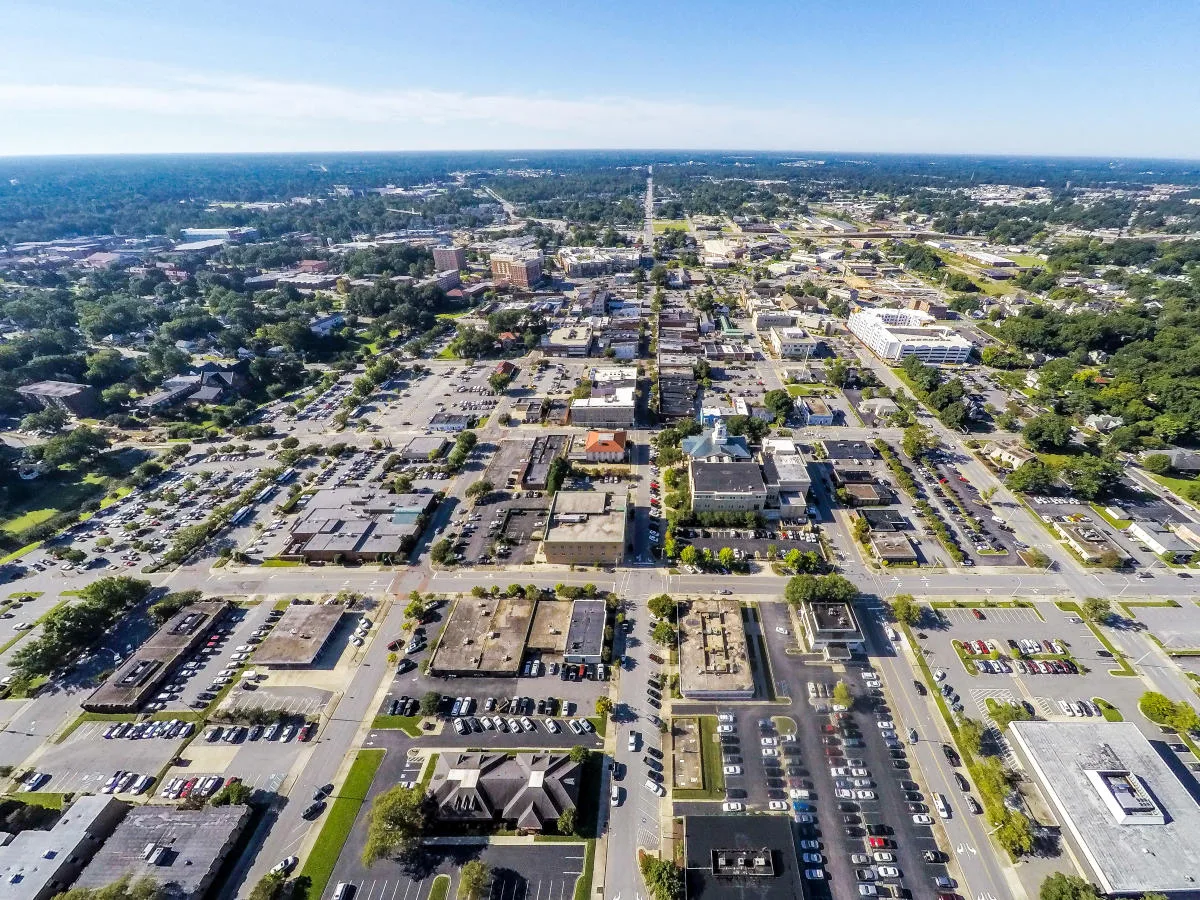
When water pours through a ceiling or smoke settles into every room, the first relief comes from knowing trained help is already on the way. Greenville property owners have access to certified restoration teams that respond around the clock, stabilize the property, and rebuild what the damage took away.
Full-line restoration providers in Pitt County handle both residential and commercial losses, from single-room pipe breaks to multi-story commercial flooding.
- Water Damage Restoration - burst pipes, supply line failures, appliance leaks, roof intrusion, and storm-driven flooding
- Flooded Basement - sump pump failure, hydrostatic seepage, foundation cracks, and groundwater intrusion
- Sewage Cleanup - toilet overflows, sewer backups, septic failures, and Category 3 black water sanitizing
- Fire Damage Restoration - emergency board-up, debris removal, structural cleaning, and reconstruction
- Smoke Damage Restoration - soot removal, thermal fogging, odor neutralizing, and HVAC decontamination
- Mold Removal - containment, air scrubbing, antimicrobial treatment, and family-friendly, pet-friendly mitigation products
Benefits go well beyond drying floors. Fast professional response limits secondary damage, protects indoor air quality, preserves contents and textiles, and produces the documentation insurance carriers expect. IICRC-certified technicians follow science-based drying standards, so moisture is verified gone rather than assumed gone.
Common Damage Restoration Issues in Greenville, North Carolina
Greenville sits in the Coastal Plain along the Tar River, where flat terrain, sandy-clay soils, and a high water table keep moisture close to the surface. Add subtropical humidity and tropical storm exposure, and the region sees a steady mix of water, sewage, and mold losses.
Local Triggers Behind Most Losses
- Tropical systems and remnant rain bands overwhelming storm drains and yard grading
- Tar River and tributary backwater flooding in low-lying neighborhoods
- Aging cast iron and clay sewer laterals allowing backups during heavy rain
- Crawl space vapor drive that condenses on subfloors and joists
- Winter cold snaps freezing exposed hose bibs and unheated crawl space plumbing
- Kitchen grease fires, space heaters, and lightning strikes during summer storms
Warning Signs Worth Acting On
- Musty odors that intensify after rain or when the HVAC cycles on
- Buckling hardwood, cupped laminate seams, or soft spots underfoot
- Tannin staining on ceilings, baseboards separating from walls, or bubbling paint
- Gurgling drains, slow tubs, or sewage odor near cleanouts
- Increased allergy symptoms, condensation on windows, or visible surface growth
- Lingering smoke smell weeks after a small fire, indicating soot inside ductwork
Smoke residue is acidic and keeps etching metal, grout, and finishes until it is professionally removed. Sewage water carries pathogens that require full extraction, removal of porous materials, and antimicrobial treatment rather than surface mopping.
Neighborhoods We Serve in Greenville
Restoration crews cover the full city footprint and the surrounding Pitt County communities, with response times shaped by proximity to Highway 264, Memorial Drive, and Greenville Boulevard.
- Uptown Greenville and the ECU district - older commercial buildings, student rentals, and mixed-use upper floors
- Brook Valley and Cherry Oaks - established homes with mature trees and crawl space foundations
- Lynndale, Tucker Estates, and Westhaven - mid-century construction prone to plumbing and roof-related water losses
- Bedford, Ironwood, and Brook Hollow - newer slab-built subdivisions with attic HVAC condensation issues
- River Bluff, Kittrell, and areas near the Tar River - elevated flood exposure during tropical rainfall
- Winterville, Ayden, Grimesland, Bethel, Farmville, and Simpson - surrounding towns with septic and well systems
Commercial coverage extends to medical offices near Vidant, retail corridors, warehouses, and multi-family properties throughout the county.
Seasonal Damage Patterns in Greenville
Eastern North Carolina damage follows a predictable rhythm. Knowing what each season brings helps property owners prepare before the emergency call.
- December - February: Freeze-thaw cycles crack supply lines and hose bibs. Heating equipment, fireplaces, and space heaters drive the highest fire and smoke damage volume of the year.
- March - May: Spring rain saturates soil and raises the water table, producing flooded basements, crawl space standing water, and the first wave of mold growth as temperatures climb.
- June - August: Humidity often stays above comfortable levels for weeks. Air conditioning condensate line clogs, attic sweating, and mold blooms dominate. Afternoon thunderstorms bring lightning fires and roof leaks.
- September - November: Peak hurricane and tropical storm season. Flash flooding, sewer backups from overloaded systems, wind-driven rain, and large-scale water losses cluster here.
Sewage cleanup calls spike whenever sustained rainfall pressures municipal lines and septic drain fields. Mold removal requests typically follow major water events by one to three weeks, once hidden moisture starts feeding growth behind walls and under flooring.
Housing Characteristics & Restoration Considerations
Greenville housing spans pre-war cottages near downtown, 1960s-1980s brick ranches, and rapid new construction on the city's west and south edges. Each era responds differently to water, fire, and mold.
Construction Types and What They Mean
- Vented crawl spaces - extremely common locally. They trap humid air, wet insulation falls, and joists develop mold. Drying requires containment, encapsulation review, and dedicated dehumidification.
- Slab-on-grade homes - water spreads laterally under flooring and wicks up drywall. Injection drying and controlled removal of baseboards protect the structure.
- Brick veneer over wood framing - hides moisture behind the wall cavity, so thermal imaging and moisture meters guide demolition decisions.
- Older homes with plaster, shiplap, or original hardwood - benefit from specialty drying and content restoration instead of replacement.
- Student rentals and multi-family units - shared plumbing stacks mean one failure affects several units and requires coordinated extraction.
Restoration Implications
- Homes built before the 1980s may contain asbestos-backed flooring or lead paint, which changes fire and water demolition protocols.
- Cast iron and clay sewer lines in older neighborhoods raise the odds of Category 3 backups.
- Attic-mounted air handlers in newer builds cause ceiling water damage when pans overflow.
- Open floor plans allow smoke to travel fast, so odor treatment must cover the entire envelope, not just the fire room.
Environmental Conditions & Damage Implications
Greenville's humid subtropical climate is the single biggest factor in how damage develops here. Long, muggy summers and mild winters give mold a nearly year-round growth window.
Climate and Moisture
- Annual rainfall well above the national average, with heavy tropical contributions in late summer and fall
- Dew points that stay high for months, slowing natural drying inside structures
- Mild winters that never fully kill off mold spores in crawl spaces and attics
Soil and Groundwater
- Coastal Plain sandy loam over clay layers drains unevenly, perching water against foundations
- A shallow water table limits how much basements and crawl spaces can dry on their own
- Flat topography means yard runoff pools instead of flowing away, feeding seepage
Air and Water Quality Effects
- Pollen-heavy spring air combines with mold spores to worsen indoor air quality after a water loss
- Soot particles bond aggressively to surfaces in humid conditions, making prompt smoke cleaning important
- Septic systems in outlying areas can surcharge during saturated soil conditions, creating sewage exposure inside homes
- Well water and municipal supply differences influence sanitizing and antimicrobial product selection
Because of these conditions, drying targets in Greenville often require more dehumidification capacity and longer monitoring than drier regions, with daily moisture readings documenting progress.
Hurricane and Tar River Flood Preparedness for Greenville Property Owners
Greenville learned hard lessons from Floyd, Matthew, and Florence. Tropical systems that stall over eastern North Carolina drop rainfall measured in feet, and the Tar River can crest days after the sky clears.
Before the Storm
- Photograph every room, contents, and mechanical system for insurance documentation.
- Clear gutters, downspouts, and yard drains so water moves away from the foundation.
- Test the sump pump and add a battery backup, since power loss and flooding arrive together.
- Install a backwater valve if the property has a history of sewer backups.
- Move electronics, textiles, and irreplaceable items off crawl space level and ground floors.
- Save a restoration contact number offline, before the phone lines and cell towers get busy.
After Water Enters
- Cut power to affected areas before walking through standing water
- Treat all floodwater and sewer backup as contaminated - no bare skin contact
- Do not run the HVAC system if ducts may be wet or smoke-contaminated
- Call for professional extraction rather than waiting for water to recede on its own
- Keep damaged materials for adjuster review when possible
Why Local Response Matters
Locally owned Greenville restoration companies stage equipment in the county, so drying units and extraction trucks are not caught behind closed roads. Crews know which neighborhoods flood first, how Pitt County permitting works for reconstruction, and how to coordinate with regional adjusters.
Combined water, fire, and mold capabilities matter after a hurricane, because one storm often causes several damage types at once - roof intrusion, generator-related fires, and mold that appears weeks later. A single team handling extraction, structural drying, contents and textile restoration, odor removal, and rebuild keeps the process moving and the property protected.





