
Damage Restoration in Clayton, NC
- Damage Restoration Services Overview
- Common Damage Restoration Issues in Clayton, North Carolina
- Neighborhoods We Serve in Clayton
- Seasonal Damage Patterns in Clayton
- Housing Characteristics & Restoration Considerations
- Environmental Conditions & Damage Implications
- Crawl Space Moisture Control and Whole-Home Drying in Clayton
Damage Restoration Services Overview
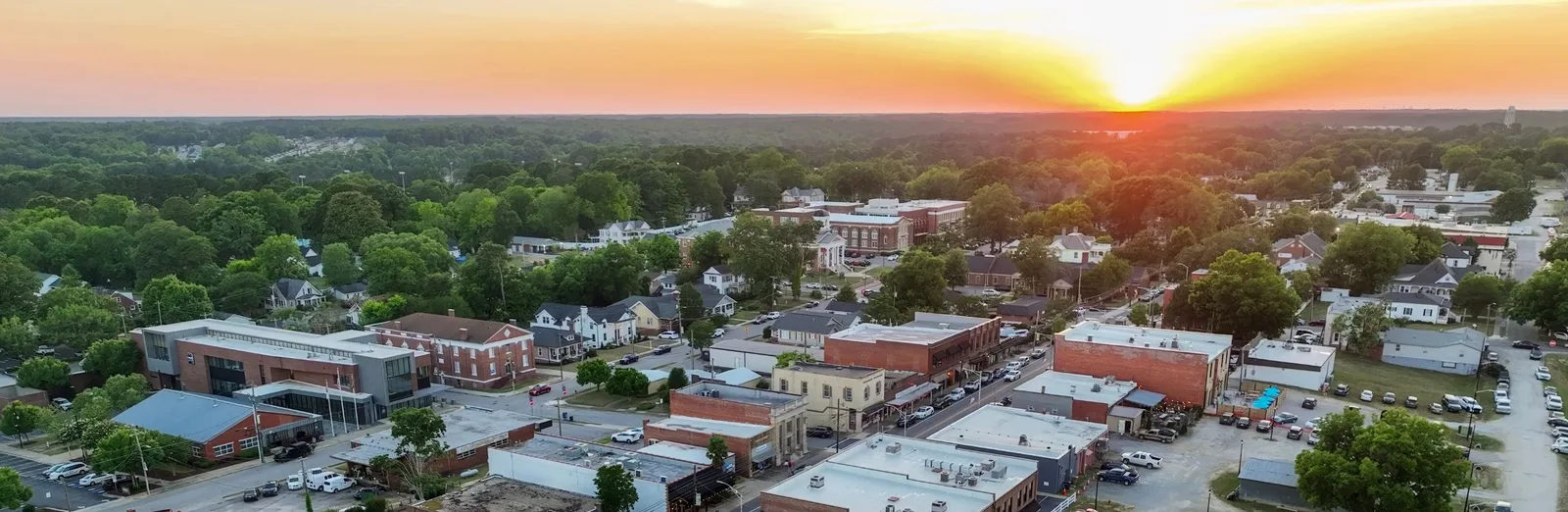
Clayton sits in one of the fastest-growing corridors in North Carolina, and Johnston County averages roughly 47 inches of rain each year - more than Seattle. That combination of rapid construction and heavy rainfall means water intrusion, humidity problems, and storm-related losses are a regular part of property ownership here.
Restoration work in Clayton covers far more than drying a wet floor. A single event can involve saturated framing, contaminated water, soot residue, and hidden microbial growth all at once.
- Water Damage Restoration - extraction, structural drying, moisture mapping, and monitoring after burst pipes, appliance failures, or roof leaks
- Flooded Basement - pump-out, sump system evaluation, drying of below-grade walls, and content recovery
- Sewage Cleanup - containment, removal of contaminated porous materials, antimicrobial treatment, and odor control
- Fire Damage Restoration - debris removal, structural cleaning, board-up, and rebuild coordination
- Smoke Damage Restoration - soot removal from surfaces and HVAC systems, thermal fogging, and deodorization
- Mold Removal - containment barriers, HEPA filtration, controlled material removal, and humidity correction
Benefits for Clayton homeowners are practical: faster reoccupancy, less rebuild cost, healthier indoor air, and documentation that supports an insurance claim from the first day forward.
Common Damage Restoration Issues in Clayton, North Carolina
Clayton's clay-heavy Piedmont soil sheds water slowly. When storms roll off the Neuse River basin, that runoff often ends up against foundations instead of soaking away.
Frequent Causes of Loss
- Tropical systems and remnant hurricanes pushing water through roofs, windows, and crawl space vents
- Grading and downspout issues that channel stormwater toward basement walls and walkout doors
- Aging supply lines, water heaters, and ice-maker connections in homes built during earlier growth waves
- Sewer line backups from root intrusion, grease buildup, or municipal surcharge during heavy rain
- Kitchen fires, chimney and fireplace issues, and electrical faults in older panels
- Summer humidity feeding mold in crawl spaces, closets, and around under-sized HVAC returns
Warning Signs Worth Acting On
- Musty odors that grow stronger in warm weather or after rain
- Buckling hardwood, cupped laminate, or baseboards separating from the wall
- Staining on ceilings, dark rings around vents, or discolored insulation
- Gurgling drains, slow toilets, or standing water near floor drains
- Lingering smoke odor that returns when the HVAC runs, even after cleaning
- Condensation on ductwork or persistent indoor humidity above comfortable levels
Small signs escalate quickly. Porous materials can begin supporting microbial growth within a day or two of getting wet, and sewage-contaminated water is unsafe to handle without proper protection.
Neighborhoods We Serve in Clayton
Coverage extends across Clayton proper and the surrounding Johnston County communities where growth has been heaviest.
- Flowers Plantation - large master-planned community with newer construction and irrigation-related water issues
- Riverwood and Riverwood Athletic Club - homes near the Neuse River corridor with elevated flood awareness
- Downtown Clayton and Main Street district - older homes and mixed-use buildings with legacy plumbing
- Glen Laurel, Winston Pointe, and Portofino - established subdivisions with mature landscaping and drainage concerns
- Adams Point, Cobblestone, and Sunset Ridge areas
- Archer Lodge, Wilson's Mills, and Powhatan
Service also reaches Smithfield, Selma, Garner, Willow Spring, Four Oaks, Pine Level, and Kenly. Familiarity with local building patterns, county permitting, and municipal utility contacts keeps projects moving without unnecessary delay.
Seasonal Damage Patterns in Clayton
Restoration demand in Clayton follows a predictable rhythm tied to Piedmont weather.
Winter (December - February)
- Frozen and burst pipes in crawl spaces, garages, and exterior walls during cold snaps
- Peak season for fire damage restoration from space heaters, fireplaces, and holiday cooking
- Smoke damage from improperly drafting flues and chimney fires
Spring (March - May)
- Heavy thunderstorms driving flooded basement and crawl space calls
- Roof and window leaks revealed after winter wear
- Early mold growth as temperatures and humidity climb together
Summer (June - August)
- Highest mold removal volume - humidity often stays above 70 percent
- HVAC condensate line clogs causing ceiling and attic water damage
- Sewage backups during intense downpours that overwhelm lines
Fall (September - November)
- Tropical storm remnants producing widespread flooding and wind-driven rain
- Clogged gutters from leaf fall redirecting water into foundations
- Heating system startup issues creating puff-back and smoke residue
Housing Characteristics & Restoration Considerations
Clayton's housing stock splits into two broad groups, and each responds differently to water, fire, and mold.
Newer Construction (2000s to Present)
- Tight building envelopes trap moisture, so drying requires controlled dehumidification rather than open-window ventilation
- Engineered wood flooring and OSB subfloor swell fast and often need removal instead of drying
- Slab-on-grade and shallow crawl spaces concentrate water at the lowest point of the structure
- PEX and CPVC fittings can fail at connections, releasing large volumes before anyone notices
- Spray foam and dense insulation hide moisture from view, making thermal imaging and probe readings necessary
Older and Historic Homes
- Plaster, lath, and original hardwood require slower, gentler drying to prevent cracking and cupping
- Cast iron and galvanized drain lines are prone to root intrusion and sewage backups
- Knob-and-tube remnants or dated panels raise fire risk and complicate post-fire assessment
- Vented crawl spaces with exposed earth feed year-round mold growth
- Multiple layers of paint and wallpaper hold smoke odor and need specialized cleaning
Basements and Below-Grade Space
True full basements are less common in Clayton than crawl spaces, but walkout and daylight basements appear in sloped lots near the river and in newer neighborhoods. These need sump pump verification, perimeter drain checks, and careful wall cavity drying since block and poured concrete hold moisture long after surfaces feel dry.
Environmental Conditions & Damage Implications
Clayton's humid subtropical climate is the single biggest factor shaping restoration work here.
Climate and Humidity
- Long, warm summers with dew points frequently in the low 70s
- Roughly 47 inches of annual rainfall, often delivered in intense bursts
- Mild winters that rarely dry indoor air the way northern climates do
- Result: mold spores stay active nearly year-round, and drying equipment must run longer to hit target moisture content
Soil and Drainage
- Piedmont red clay drains poorly and holds water against foundation walls
- Clay expands when wet and shrinks when dry, opening gaps in block and mortar joints
- New development has increased impervious surfaces, raising runoff volume in older neighborhoods
Water and Air Quality Factors
- Neuse River basin flooding can carry agricultural runoff and bacteria into structures, elevating contamination categories
- Private wells in outlying areas may be compromised after flooding and need testing before reuse
- Pollen loads in spring embed in HVAC systems and combine with soot after a fire, worsening indoor air quality
- Smoke particles bond more aggressively to surfaces in humid conditions, making prompt deodorization important
These conditions shape equipment selection, containment strategy, and how long moisture readings are monitored before a structure is cleared.
Crawl Space Moisture Control and Whole-Home Drying in Clayton
Most Clayton homes sit on a crawl space, and that space quietly drives a large share of water and mold problems in the living area above. Warm outdoor air entering a vented crawl condenses on cool surfaces, wetting joists, ductwork, and subfloor sheathing.
What a Thorough Crawl Space Assessment Includes
- Full-perimeter inspection for standing water, vapor barrier gaps, and grading problems outside
- Moisture content readings on joists, girders, and subfloor at multiple points
- Thermal imaging to locate wet zones behind insulation and against band boards
- Inspection of duct insulation, plumbing lines, and sump equipment
- Documentation of fungal growth type, coverage area, and affected materials
- Evaluation of downspout discharge, French drains, and foundation vent placement
How Corrective Work Proceeds
- Standing water is extracted and contaminated debris removed under containment
- Affected insulation and unsalvageable vapor barriers are bagged and disposed of properly
- Wood surfaces are cleaned by HEPA vacuum, abrasive methods, or antimicrobial application depending on growth severity
- Air movers and low-grain refrigerant dehumidifiers dry the space to documented targets
- New vapor barrier, sealed vents, or conditioned crawl space upgrades address the root cause
- Post-work readings confirm the space has stabilized before equipment is pulled
The same attention carries into the home above. Smoke odor, sewage contamination, and moisture all migrate through the crawl space and HVAC system, so treating one area without addressing the other leaves the problem half-solved.
Clear photo documentation, daily moisture logs, and written scope details give Clayton homeowners something concrete to hand their adjuster - and confidence the job was finished properly rather than simply looking dry.





