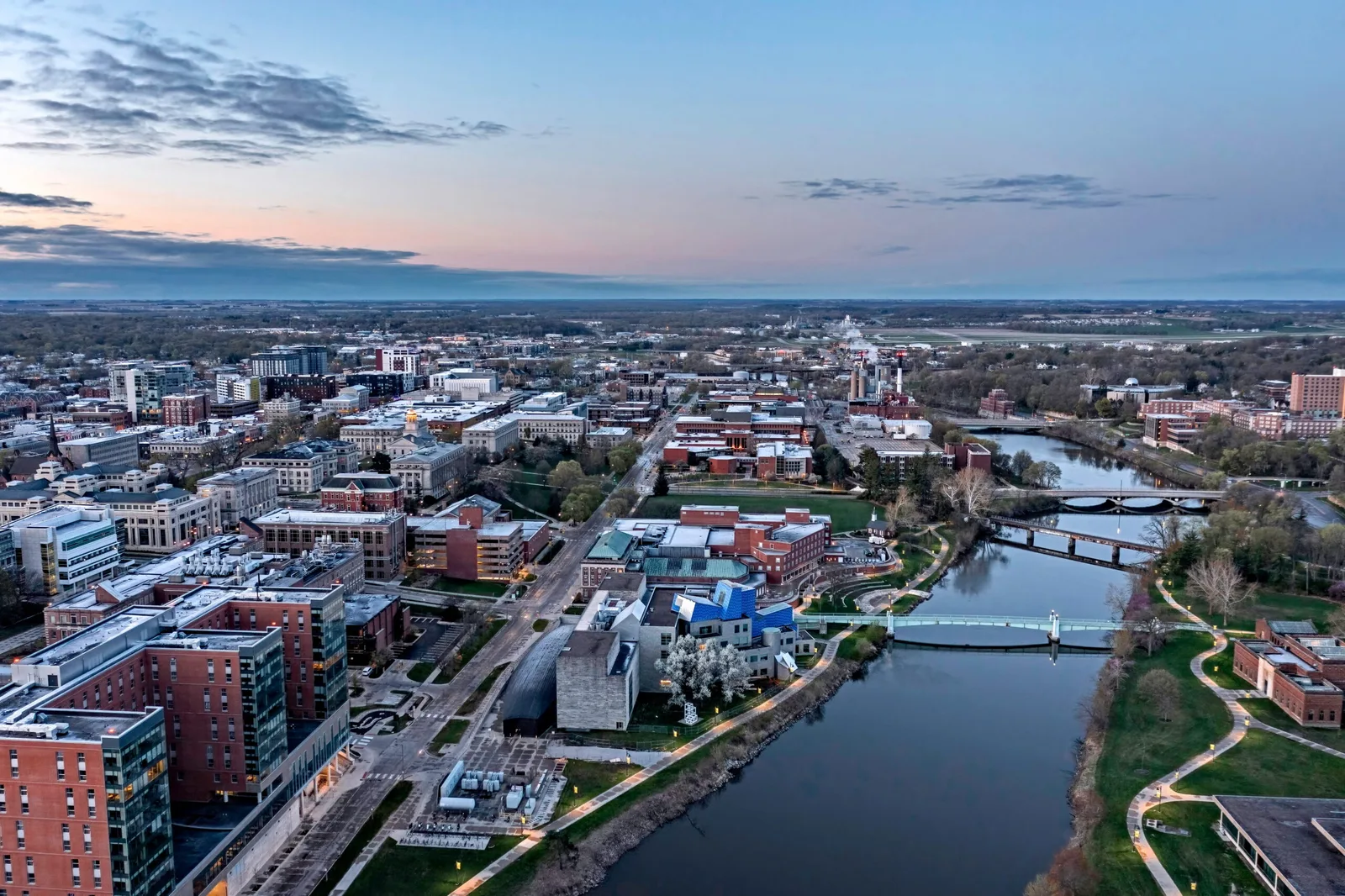
Damage Restoration in Johnson County, IA
- Damage Restoration Services Overview
- Common Damage Restoration Issues in Johnson County, Iowa
- Neighborhoods We Serve in Johnson County
- Seasonal Damage Patterns in Johnson County
- Housing Characteristics & Restoration Considerations
- Environmental Conditions & Damage Implications
- Iowa River Flooding, Sewer Backups, and the Case for Meticulous Documentation
Damage Restoration Services Overview

Johnson County properties sit at the meeting point of the Iowa River corridor, Coralville Reservoir releases, and aging urban housing stock - a combination that produces water intrusion, basement flooding, and mold growth patterns you rarely see elsewhere in eastern Iowa. Restoration here demands crews who understand river-adjacent soils, limestone bedrock drainage, and the freeze-thaw cycles that split supply lines every winter.
Full-service restoration for Iowa City, Coralville, North Liberty, and the surrounding communities covers the entire damage spectrum:
- Water Damage Restoration - extraction, structural drying, dehumidification, and moisture mapping after burst pipes, appliance failures, or fire suppression discharge
- Flooded Basement - pump-out, sump failure response, contents triage, and subfloor drying below grade
- Sewage Cleanup - Category 3 containment, waste removal, antimicrobial treatment, and porous material disposal
- Fire Damage Restoration - structural stabilization, debris removal, soot cleaning, and content pack-out
- Smoke Damage Restoration - odor neutralization, HVAC decontamination, and surface-specific soot removal
- Mold Removal - containment barriers, HEPA filtration, affected material removal, and humidity correction
Fast mobilization matters most. Water migrates through wall cavities within hours, and mold colonies establish quickly in Iowa's humid summer months. Documented moisture readings, photographic records, and insurer-ready reporting keep claims moving while the structure dries.
Common Damage Restoration Issues in Johnson County, Iowa
Water damage remains the most frequent property loss across residential and commercial buildings in the county, usually traced to flooding, fire suppression systems, or burst supply lines. Local geography and building age amplify each of those causes.
Leading Causes of Loss
- Frozen and burst pipes in uninsulated crawl spaces, older Iowa City rentals, and detached garages during January cold snaps
- Groundwater intrusion where high water tables near the Iowa River and Clear Creek push through foundation cracks
- Sump pump failure during heavy spring rain or extended power outages after derecho-style wind events
- Sanitary sewer backups when combined stormwater volume overwhelms older municipal lines
- Kitchen and laundry failures - refrigerator ice maker lines, dishwasher supply hoses, and washing machine hoses that bulge, fray, or crack
- Cooking fires and space heater fires concentrated in winter months, followed by smoke and soot spread through HVAC systems
Warning Signs Worth Acting On
- Discolored, warped, or soft flooring around appliance bases and cabinet toe kicks
- Deteriorated or cracked caulk and grout in tubs and showers, which lets pipe leaks stain adjacent walls
- Musty odors in finished basements, especially along the base of framed walls
- Peeling paint, efflorescence, or chalky white residue on foundation block
- Persistent smoke odor that returns on humid days after a small fire
- Slow floor drains or gurgling fixtures - often the first hint of a sewer line problem
Residents can also submit damage reports through the JoCo Ready app or the county's online reporting system after widespread storm events, which helps document the timeline for insurance purposes.
Neighborhoods We Serve in Johnson County
Coverage spans the full county, from the urban core to rural acreages on gravel roads.
- Iowa City - Longfellow, Goosetown, Northside, Manville Heights, Peninsula, Windsor Ridge, and the student rental districts near campus
- Coralville - Coral Ridge area, Brown Deer, Clear Creek neighborhoods, and properties near the reservoir
- North Liberty - Fox Run, Liberty Way corridor, and newer subdivisions off Penn Street
- Tiffin and the fast-growing Clear Creek Amana school district neighborhoods
- Solon, Swisher, Shueyville, and Oxford - small-town homes and surrounding acreages
- Hills, Lone Tree, and West Branch edge properties in southern and eastern Johnson County
- University Heights and older mid-century homes throughout the county's inner ring
Rural properties on private wells and septic systems receive the same containment and drying protocols as city-serviced homes, with added attention to well contamination risk after flooding.
Seasonal Damage Patterns in Johnson County
Each season brings a distinct dominant loss type, and knowing the pattern helps property owners prepare before the calendar turns.
- December through February - Frozen pipe bursts peak during sub-zero stretches. Furnace puffbacks, chimney fires, and space heater incidents drive fire and smoke damage calls. Sealed homes trap combustion odors indoors.
- March and April - Snowmelt combines with spring rain to saturate soils. Flooded basements, sump pump overload, and foundation seepage dominate. Sewer backups rise when systems take on stormwater volume.
- May through July - Severe thunderstorms, hail, and straight-line winds open roofs and windows. Wind-driven rain and river flooding along the Iowa River produce large-loss water calls.
- July through September - Peak mold season. Dew points climb, air conditioning condensate lines clog, and any undried moisture from spring turns into visible growth within days.
- October and November - Outdoor burning, first furnace startups, and dryer vent buildup increase fire risk. Hose bibs left connected set up December pipe failures.
Housing Characteristics & Restoration Considerations
Johnson County's housing mix ranges from pre-1920 brick and balloon-frame homes near downtown Iowa City to slab-on-grade and poured-wall construction built in North Liberty and Tiffin within the last two decades. That spread changes drying strategy on nearly every job.
Older Homes (pre-1960)
- Limestone, brick, or unreinforced block foundations that wick groundwater through mortar joints
- Balloon framing that lets water and smoke travel vertically from basement to attic through open stud bays
- Plaster and lath walls requiring slower, controlled drying to avoid cracking and delamination
- Original cast iron and galvanized drain lines prone to root intrusion and sewage backups
- Potential asbestos-containing floor tile, mastic, and pipe wrap requiring testing before demolition
Mid-Century and Ranch Homes
- Finished basements with paneling and carpet that hide moisture until mold appears
- Single-pane or aging windows contributing to condensation-driven growth
- Ductwork in below-grade spaces that spreads smoke odor and mold spores house-wide
Newer Construction (2000s onward)
- Tighter building envelopes that hold humidity and smoke odor longer without mechanical drying
- Engineered wood subfloors and I-joists that swell irreversibly with prolonged saturation
- Egress windows and daylight basements creating additional water entry points
- Sprayed insulation cavities that conceal moisture from surface meters, requiring thermal imaging
Student rental properties near campus deserve separate mention - high occupancy, deferred maintenance on washing machine hoses, and shared plumbing stacks make multi-unit water losses common.
Environmental Conditions & Damage Implications
Eastern Iowa's climate swings from humid subtropical summers to deep continental winters, and that range shapes how buildings fail and how they dry.
Climate and Humidity
- Summer dew points frequently reach the upper 60s and low 70s, pushing indoor relative humidity above the 60 percent threshold where mold thrives
- Winter temperature swings drive freeze-thaw cycles that widen foundation cracks year after year
- Annual precipitation concentrated in spring and early summer creates repeated saturation events rather than steady moisture
Soil and Groundwater
- Heavy clay-loam soils common across the county drain slowly and exert hydrostatic pressure against basement walls
- Compacted soils around newer subdivisions shed water toward foundations instead of absorbing it - the county's soil quality restoration rebate program, which pairs aeration with compost application, exists partly to address this runoff problem
- Alluvial soils along the Iowa River and Clear Creek sit atop shallow water tables that rise quickly during wet periods
- Limestone bedrock creates fast underground pathways for water and, in some areas, radon that travels the same routes
Water and Air Quality Factors
- Rural well water can carry high mineral content that leaves scale in supply lines and accelerates fixture failure
- Agricultural runoff after flooding introduces contaminants that elevate a Category 2 water loss to Category 3 handling
- Regional wildfire smoke drift during late summer can complicate indoor air testing after a structure fire
Iowa River Flooding, Sewer Backups, and the Case for Meticulous Documentation
Flood events in Johnson County rarely produce clean water. When the Iowa River rises or a heavy rain overwhelms sanitary lines, basement water arrives carrying soil bacteria, agricultural chemicals, fuel residue, and sewage - a distinction that changes every step of the restoration process.
Why Water Category Determines Everything
- Category 1 - clean supply line water, often salvageable if dried within the first day or two
- Category 2 - gray water from appliances or seepage, requiring antimicrobial treatment and selective removal
- Category 3 - sewage or floodwater, demanding full containment, negative air pressure, PPE, and disposal of porous materials including carpet, pad, drywall, and insulation
The Documentation Process
- Photograph and video every affected room before anything is moved or removed
- Record baseline moisture content readings in framing, subfloor, and drywall, then log daily readings until dry standard is reached
- Use thermal imaging to map water migration behind walls and under flooring that surface inspection misses
- Map containment zones and place air scrubbers and dehumidifiers according to calculated cubic footage, not guesswork
- Document all removed materials with a written scope for the insurance adjuster
- Verify dryness with independent readings before any reconstruction begins
Details That Get Missed
- Water trapped beneath tack strips and in sill plate cavities
- Insulation inside exterior wall bays that stays saturated behind intact drywall
- HVAC returns in basements that pull contaminated air through the whole house
- Duct interiors that hold soot and odor long after visible surfaces are cleaned
- Contents stored on basement floors - boxes, books, and furniture legs absorb water fast
Careful sequencing prevents the most expensive outcome in this region: a basement that looks finished but holds enough residual moisture to grow mold by the following July.