Damage Restoration in Scott County, IA
- Damage Restoration Services Overview
- Common Damage Restoration Issues in Scott County, Iowa
- Neighborhoods We Serve in Scott County
- Seasonal Damage Patterns in Scott County
- Housing Characteristics & Restoration Considerations
- Environmental Conditions & Damage Implications
- Mississippi River Flooding, Sewer Backups, and the Davenport Permit Process
Damage Restoration Services Overview
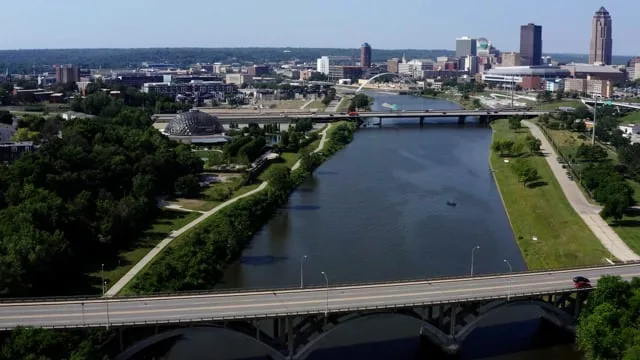
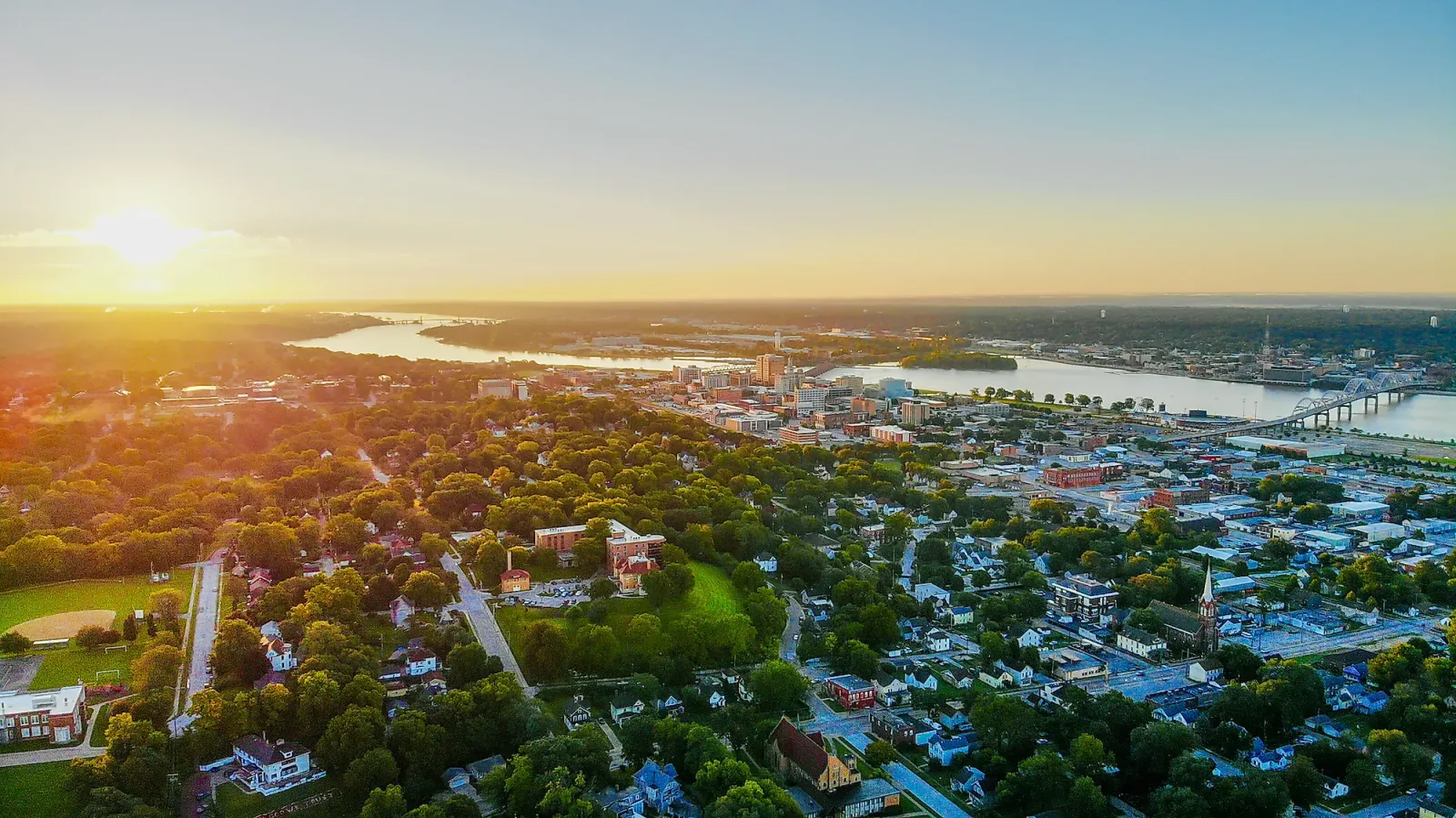
Scott County sits at a bend in the Mississippi River where flood stage arrives more often than most residents realize - Davenport remains one of the largest river cities in the country without a permanent floodwall, meaning water intrusion is a recurring reality rather than a rare event. Add derecho-force winds, aging basement infrastructure, and freeze-thaw cycles, and property damage here takes many forms.
Restoration work in Scott County covers a connected set of specialties, each addressing a different phase or category of loss:
- Water Damage Restoration - extraction, structural drying, and moisture mapping after pipe failures, appliance leaks, roof breaches, and river backwater.
- Flooded Basement - pumping standing water, drying below-grade walls and slabs, and addressing sump and drain tile failures.
- Sewage Cleanup - safe removal of Category 3 contamination from backups, floor drain overflows, and lateral line failures.
- Fire Damage Restoration - debris removal, structural stabilization, soot and char cleanup, and content recovery.
- Smoke Damage Restoration - odor neutralization, HVAC decontamination, and surface cleaning where flames never reached.
- Mold Removal - containment, controlled remediation, and correction of the moisture source that fed the growth.
Fast, documented response protects building materials, limits secondary damage, and gives homeowners the paperwork insurers expect. For Scott County families, that means fewer gutted rooms, shorter displacement, and a clearer path back to normal.
Common Damage Restoration Issues in Scott County, Iowa
Local geography and building stock drive predictable patterns of loss across Davenport, Bettendorf, and the smaller river towns.
Primary Causes of Damage
- Mississippi River flooding - backwater pushes through storm sewers into low-lying basements well before water reaches street level.
- Derecho and straight-line wind events - a single system can strip roofing and siding across entire neighborhoods, drop trees onto structures, and break windows with flying debris, with heavy rainfall entering immediately behind it.
- Combined and overloaded sewer segments - intense downpours push wastewater backward through floor drains and basement fixtures.
- Frozen and burst supply lines - unheated crawl spaces, garage walls, and older kitchen additions are frequent failure points.
- Space heaters, kitchen fires, and electrical faults - the leading residential fire causes during long Iowa winters.
Warning Signs Worth Acting On
- Efflorescence, chalky white staining, or bubbling paint on foundation walls
- A musty smell in the basement stairwell that intensifies after rainfall
- Floor drains that gurgle when a washing machine discharges
- Cupping hardwood, soft baseboards, or tack strips lifting near exterior walls
- Persistent smoke odor returning on humid days after a small fire was cleaned up
- Sump pump running continuously or, more concerning, not running at all
Ignoring early signals usually converts a straightforward drying project into a mold remediation and reconstruction job. Scott County emergency officials advise anyone displaced by flooding to contact the Red Cross directly at 1-800-RED-CROSS, and Davenport requires permits before significant structural, roofing, or standing-water repairs begin.
Neighborhoods We Serve in Scott County
Response covers the full Quad Cities corridor and the rural townships beyond it:
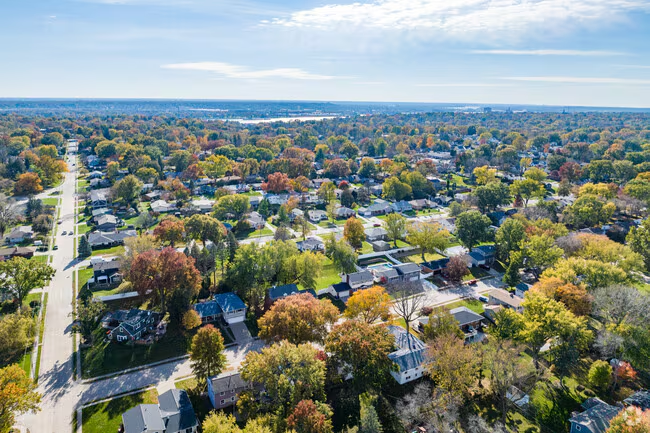
- Davenport - downtown and the riverfront district, Village of East Davenport, McClellan Heights, Hilltop, Prospect Park, and the west-end neighborhoods off Locust and Rockingham
- Bettendorf - Middle Park, Crow Creek, Devils Glen corridor, and the bluff subdivisions above State Street
- Riverdale and Panorama Park - small river communities with older housing stock
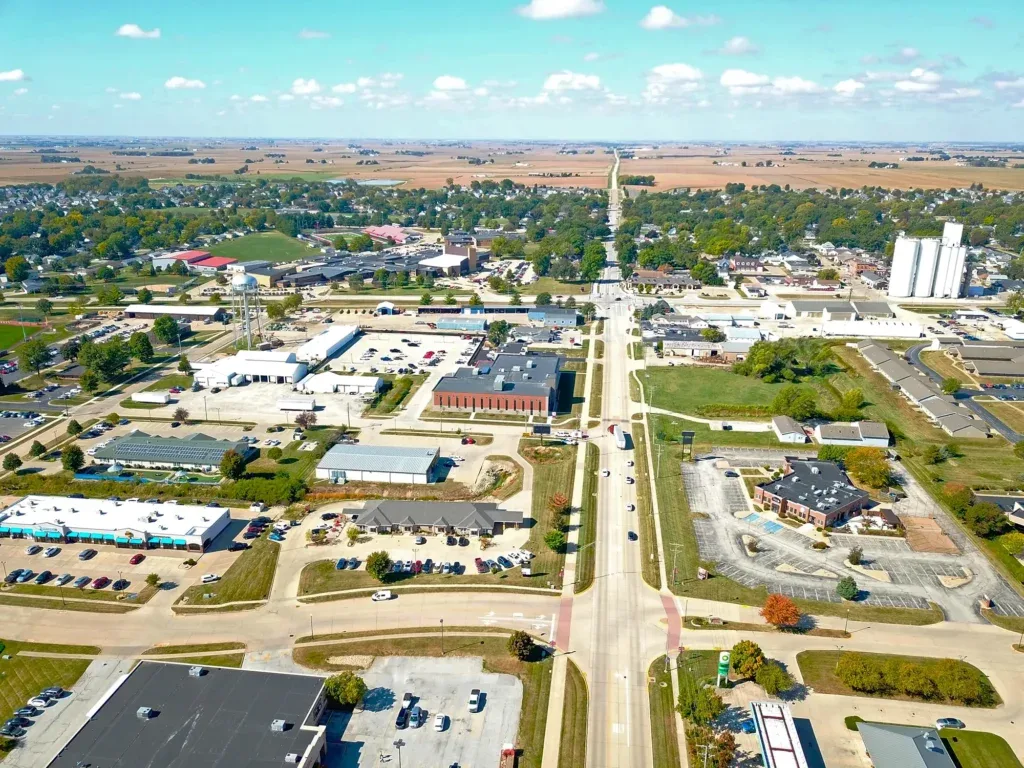
- Eldridge, Park View, and Long Grove - newer north-county subdivisions on rural sewer and well systems
- Le Claire and Princeton - historic riverfront properties along the Great River Road
- Walcott, Blue Grass, Buffalo, Dixon, Donahue, McCausland, and New Liberty - agricultural communities and outlying acreages
Service also extends into Muscatine County, Clinton County, and across the wider eastern Iowa territory, including Cedar Rapids, Iowa City, and Waterloo when large-scale storm events stretch regional capacity.
Seasonal Damage Patterns in Scott County
Winter (December - February)
- Frozen and burst pipes in exterior walls, crawl spaces, and vacant properties
- Peak season for heating-related fire and smoke damage
- Ice damming along low-slope roofs pushing meltwater into ceilings
Spring (March - May)
- Snowmelt combined with upstream runoff raises Mississippi River levels and floods low-lying basements
- Saturated soils force groundwater through foundation cracks and cove joints
- Sewer backups spike during heavy rain on already-full systems
Summer (June - August)
- Derechos, thunderstorm downbursts, and hail open roofs to sudden water intrusion
- High dew points accelerate mold growth in basements and closed-up vacation properties
- Air conditioning condensate line clogs cause slow, hidden ceiling damage
Fall (September - November)
- Clogged gutters from heavy leaf fall redirect water against foundations
- First furnace runs circulate dust and reveal lingering smoke odors
- Best window for sump pump testing, grading corrections, and drain tile inspection
Housing Characteristics & Restoration Considerations
Scott County's housing stock spans more than 150 years, and the construction era largely dictates how a loss unfolds.
Pre-1940 Homes - Davenport's Older Districts and Le Claire
- Limestone and rubble foundations that wick moisture and resist conventional sealing
- Balloon framing that lets fire, smoke, and odor travel vertically between floors
- Plaster and lath that holds water far longer than drywall and requires extended drying
- Higher likelihood of asbestos-containing materials and lead paint, requiring testing before demolition
Mid-Century Homes (1950s - 1970s)
- Poured or block basements finished with paneling and framed walls that trap moisture behind them
- Original cast iron and clay laterals prone to root intrusion and sewage backups
- Galvanized supply lines nearing the end of service life
Newer Construction - Eldridge, Park View, North Bettendorf
- Deep finished basements with carpet, drywall, and mechanical rooms at the lowest elevation
- Tight building envelopes that hold humidity and concentrate smoke odor
- Engineered wood products and OSB subfloors that swell permanently once saturated
Restoration planning accounts for these differences directly: plaster walls may be dried in place with injection systems, finished basements often need selective removal of the bottom section of drywall and insulation, and balloon-framed cavities require sealing and deodorizing beyond the visible fire area.
Environmental Conditions & Damage Implications
The local environment shapes both how damage starts and how difficult it is to reverse.
Climate
- Humid continental pattern with summer dew points regularly in the upper 60s and 70s - well above the moisture threshold mold needs
- Deep winter freezes that stress plumbing and create ice dams
- Roughly 35 to 38 inches of annual precipitation, often delivered in intense bursts
Soil and Groundwater
- Loess-capped glacial till over limestone bedrock, with clay-heavy subsoils that expand when wet and press against foundation walls
- Slow-draining soils that hold water at footing level, feeding hydrostatic seepage through cove joints
- Alluvial floodplain deposits near the river with high seasonal water tables
Water and Air Quality
- River floodwater carries agricultural runoff, fuel residue, and bacteria - always treated as Category 3 contamination
- Rural properties on private wells and septic systems face contamination risk when yards flood
- Regional harvest-season dust and mold spore counts raise indoor air quality concerns after any water event
These conditions push remediation beyond simple water removal. Antimicrobial application, HEPA filtration, and controlled dehumidification are standard for basement and sewage losses, while fire and smoke jobs need thorough HVAC cleaning because tight modern envelopes recirculate odor particles for months when ductwork is skipped.
Mississippi River Flooding, Sewer Backups, and the Davenport Permit Process
Scott County property owners face a flood dynamic that differs from most of Iowa. Because Davenport has no permanent floodwall, high water arrives through storm sewers, floor drains, and saturated ground long before it appears on the street. That means a home several blocks from the river can flood while a riverfront property stays dry.
What to Do When Water Enters
- Cut power to affected areas at the breaker if it can be reached safely from dry ground.
- Treat all floodwater and any backup through a floor drain as contaminated - no bare skin contact, no personal salvage attempts.
- Photograph standing water levels, damaged contents, and mechanical equipment before anything is moved.
- Call for professional extraction while water is still present; delay is what turns drying into demolition.
- Notify your insurer and clarify whether the loss falls under flood coverage, sewer backup endorsement, or standard water damage.
- If displaced, contact the Red Cross at 1-800-RED-CROSS for immediate housing assistance.
Permits and Documentation
- Davenport requires permits before significant repairs involving structural work, standing water, or roofing - details are available through the city building department at davenportiowa.com/build.
- Bettendorf, Eldridge, and Le Claire maintain their own permit requirements for reconstruction after fire and flood loss.
- Moisture logs, psychrometric readings, and photo documentation support both the permit file and the insurance claim.
Preventing the Next Event
- Install a backwater valve on the sanitary lateral to stop reverse flow during system surcharges.
- Add a battery or water-powered backup sump pump - primary pumps fail exactly when power does.
- Extend downspouts well past the foundation and regrade settled soil against the house.
- Move furnaces, water heaters, and stored valuables onto platforms in flood-prone basements.
Handling water, sewage, fire, smoke, and mold work under one coordinated plan keeps the timeline tight and prevents the gaps where secondary damage takes hold.