Damage Restoration in Clinton County, IA
- Damage Restoration Services Overview
- Common Damage Restoration Issues in Clinton County, Iowa
- Neighborhoods We Serve in Clinton County
- Seasonal Damage Patterns in Clinton County
- Housing Characteristics & Restoration Considerations
- Environmental Conditions & Damage Implications
- Storm Response and Sewer Backup Preparedness Along the Mississippi
Damage Restoration Services Overview
Water spreads through drywall, subfloor, and framing within minutes, and smoke residues become acidic and corrosive within hours. In Clinton County, where many homes sit near the Mississippi River floodplain and on older sanitary sewer lines, the window between a minor loss and a major reconstruction project is short.
Restoration work here spans a full range of emergencies, each requiring different equipment, containment methods, and drying strategies:
- Water Damage Restoration - rapid extraction, structural drying, moisture mapping, and monitoring until materials return to dry standard
- Flooded Basement - submersible pumping, saturated content removal, foundation wall drying, and dehumidification
- Sewage Cleanup - Category 3 water handling, contaminated material disposal, antimicrobial treatment, and disinfection
- Fire Damage Restoration - debris removal, board-up and tarping, soot cleaning, and structural stabilization
- Smoke Damage Restoration - residue-specific cleaning, HVAC decontamination, thermal fogging, and odor neutralization
- Mold Removal - containment barriers, HEPA filtration, affected material removal, and moisture source correction
The benefit of moving quickly is straightforward: fewer materials get demolished, contents are more often salvageable, and families return to normal routines sooner.
Common Damage Restoration Issues in Clinton County, Iowa
Clinton County's position along the Mississippi, its mix of century-old river-town housing, and its exposure to derecho-style wind events create a recognizable pattern of losses.
Frequent Causes of Damage
- Mississippi River backwater and tributary flooding affecting low-lying properties in Clinton, Camanche, and Lyons
- Heavy summer downpours overwhelming sump pumps and floor drains, producing flooded basements
- Combined and aging sewer laterals backing up during peak rainfall, causing sewage cleanup emergencies
- Severe storms toppling trees and power lines, leading to roof punctures, outages, and stalled sump systems
- Frozen supply lines in unheated crawl spaces and basements bursting during January and February cold snaps
- Space heaters, wood stoves, and older knob-and-tube or aluminum wiring contributing to fire and smoke damage
Warning Signs Worth Acting On
- Musty or earthy odors in basements, closets, or near HVAC returns
- Efflorescence, white chalky residue, or dark staining on foundation walls
- Cupping or buckling hardwood, bubbling paint, or soft baseboards
- Slow floor drains, gurgling toilets, or backups when running laundry
- Yellowish soot streaks above outlets, doorways, or on ceiling corners after a small fire
- Lingering campfire-like odor that returns when humidity rises
Ignoring these signals typically converts a targeted drying job into full material removal and mold remediation.
Neighborhoods We Serve in Clinton County
Coverage extends across the county's river communities, farm towns, and rural acreages:
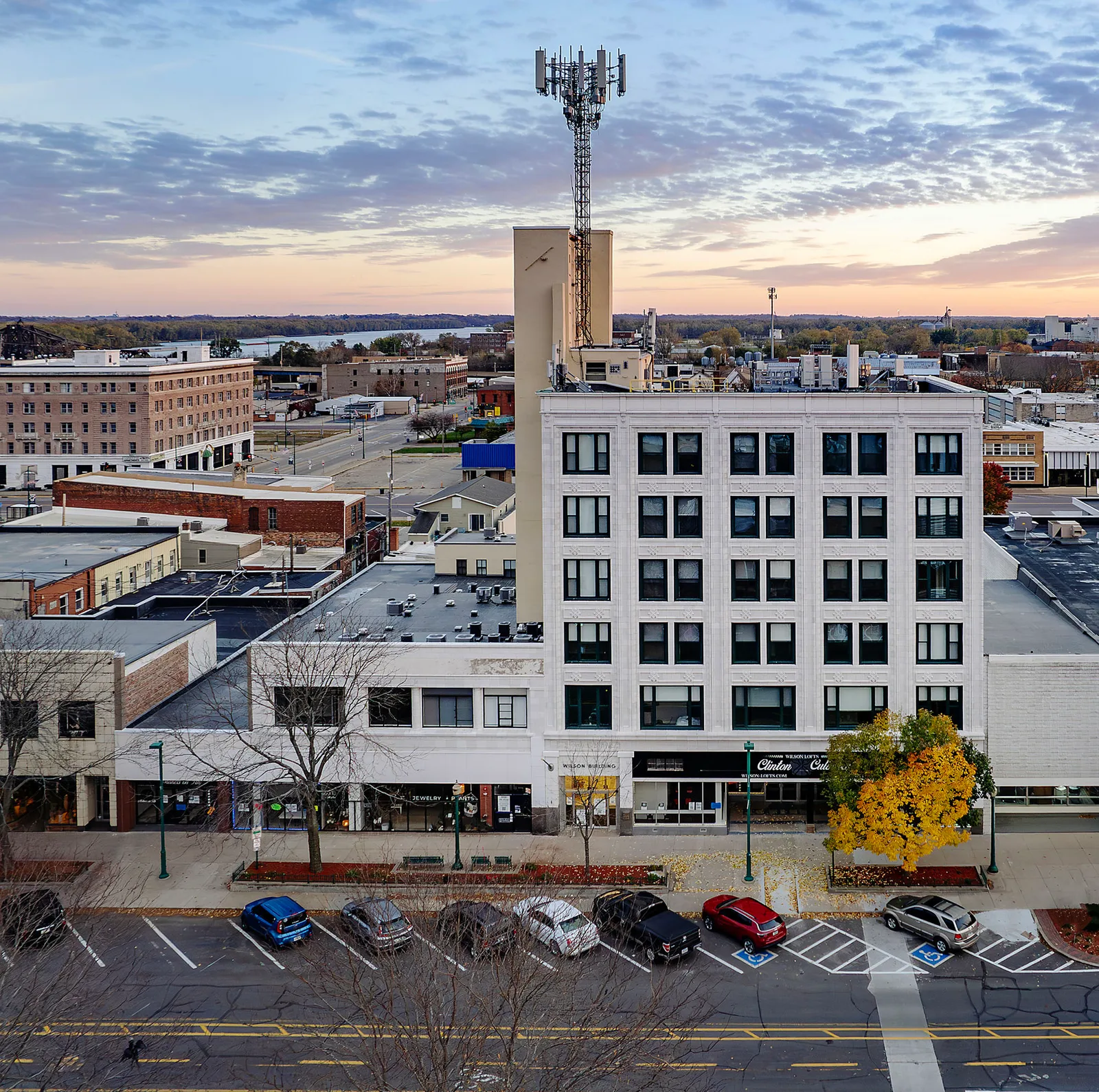
- City of Clinton - including Lyons, the South End, Chancy Historic District, and riverfront neighborhoods
- Camanche - lakefront and low-elevation properties prone to groundwater intrusion
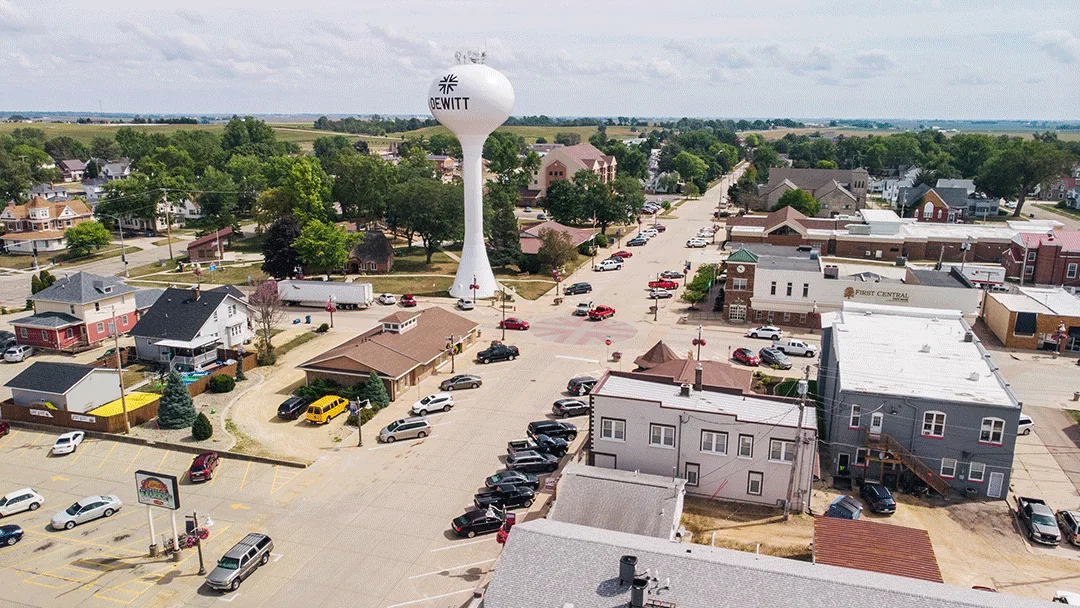
- DeWitt - established residential blocks and newer subdivisions
- Maquoketa River corridor communities - Charlotte, Goose Lake, and Low Moor
- Northern county towns - Delmar, Elwood, Welton, Toronto, and Andover
- Western and southern areas - Grand Mound, Wheatland, Calamus, and Bryant
- Rural acreages and farmsteads throughout the county with well and septic systems
Crews also respond to nearby Quad Cities-area requests and unincorporated townships where response times from distant contractors would delay drying.
Seasonal Damage Patterns in Clinton County
Winter (December - February)
- Burst pipes and supply line failures during deep freezes
- Ice dams pushing meltwater under shingles into attics and ceilings
- Peak season for heating-related fire and smoke damage
Spring (March - May)
- Snowmelt plus river rise driving flooded basement calls
- Saturated soils forcing hydrostatic pressure through foundation cracks
- Sewer surcharges during back-to-back rain events
Summer (June - August)
- Thunderstorm and straight-line wind damage opening roofs to rain
- Power outages disabling sump pumps and dehumidifiers
- Highest mold growth rates due to heat plus humidity
Fall (September - November)
- Clogged gutters and downspouts redirecting water to foundations
- First furnace cycles releasing dust, puffback soot, and odor complaints
- Ideal window for moisture inspections before winter closes homes up tight
Housing Characteristics & Restoration Considerations
Clinton County housing skews older than the national average, with a large share of homes built before 1960 and a notable concentration of late-1800s and early-1900s construction in Clinton and Lyons. That age shapes nearly every restoration decision.
Common Construction Types and Their Impact
- Limestone and rubble stone foundations - porous, absorb water readily, and require extended drying with targeted airflow
- Balloon-framed walls - allow water and smoke to travel vertically between floors, so inspection cannot stop at the visible damage line
- Plaster over wood lath - holds moisture far longer than drywall and may need controlled removal rather than surface drying
- Unfinished or partially finished basements - stored contents, paneling, and carpet pad frequently become total losses in Category 2 or 3 water events
- Mid-century additions and 1970s-90s ranches - often have crawl spaces with vapor barrier gaps that harbor mold
- Newer DeWitt and Camanche subdivisions - tighter envelopes retain humidity, making post-loss dehumidification essential
What This Means for Your Project
- Moisture meters and thermal imaging are used to trace hidden migration behind plaster and inside wall cavities
- Asbestos and lead-safe practices apply to many pre-1980 materials during demolition
- Older knob-and-tube or fabric-insulated wiring is documented after fire losses before rebuild planning
- Drying plans are adjusted for masonry and dimensional lumber, which release moisture slowly
Environmental Conditions & Damage Implications
Eastern Iowa's humid continental climate produces wide swings that stress buildings and accelerate secondary damage.
Climate Factors
- Roughly 35 inches of annual precipitation, much of it in intense spring and summer storms
- Summer dew points regularly in the upper 60s and low 70s, keeping basements above the 60 percent relative humidity threshold where mold thrives
- Winter lows well below zero, creating freeze-thaw cycles that widen foundation cracks
- Derecho and severe wind events capable of downing trees and power lines countywide
Soil and Groundwater
- Deep loess and glacial till soils with clay content that swells when saturated and presses against foundation walls
- Shallow bedrock in some river bluff areas limiting drainage and pushing water toward footings
- Elevated water tables near the Mississippi and Wapsipinicon corridors that keep sump systems cycling
Air and Water Quality Considerations
- Rural properties on private wells and septic systems face different contamination risks during backups than municipal customers
- Agricultural runoff can introduce nitrates and bacteria into floodwater entering basements
- Smoke residues combine with humid air to redeposit odors on cool surfaces months after a fire
- Radon is common across eastern Iowa, so basement containment and negative air setups are configured with ventilation in mind
These conditions favor aggressive dehumidification, HEPA filtration, and post-remediation verification rather than surface-level cleanup.
Storm Response and Sewer Backup Preparedness Along the Mississippi
Clinton County residents live with two recurring realities: river-influenced groundwater and storm systems that knock out power right when sump pumps are needed most. Preparing before the next event reduces both damage and disruption.
Before Storm Season
- Test the sump pump by filling the pit and confirming discharge runs well away from the foundation
- Install or verify a battery backup or water-powered backup pump - grid outages and heavy rain arrive together
- Have a licensed plumber install or inspect a backwater valve on the sewer lateral, especially in older Clinton and Lyons neighborhoods
- Clear gutters, extend downspouts at least six feet, and regrade soil that slopes toward the house
- Move stored contents off basement floors onto shelving or pallets
- Photograph finished basement areas and valuables for insurance documentation
During and Immediately After an Event
- Shut off electricity to affected areas before entering standing water
- Treat any sewer backup as contaminated - avoid contact and keep children and pets out
- Do not run the HVAC system if smoke or sewage aerosols may have entered ductwork
- Begin documenting damage with photos and video before moving anything
- Call for extraction promptly, since drying results depend heavily on how fast standing water is removed
What Professional Response Adds
- Truck-mounted extraction and commercial-grade air movers sized to the affected square footage
- Documented moisture readings that support insurance claims
- Antimicrobial application in Category 3 losses to reduce bacterial load
- Containment and negative air pressure that keeps mold spores and soot from spreading to clean areas
- Coordination between mitigation and rebuild so repairs do not seal in trapped moisture
Homeowners who combine simple preparation with a fast professional call consistently see smaller losses and shorter recovery timelines across Clinton County.