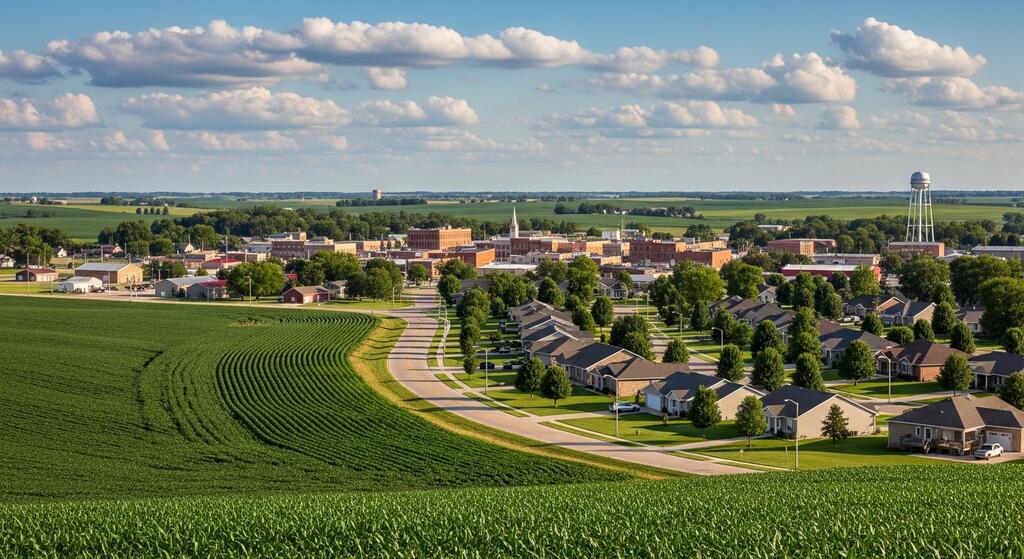
Damage Restoration in Dallas County, IA
- Damage Restoration Services Overview
- Common Damage Restoration Issues in Dallas County, Iowa
- Neighborhoods We Serve in Dallas County
- Seasonal Damage Patterns in Dallas County
- Housing Characteristics & Restoration Considerations
- Environmental Conditions & Damage Implications
- Sump Pumps, Sewer Backups, and Protecting a Finished Basement
Damage Restoration Services Overview
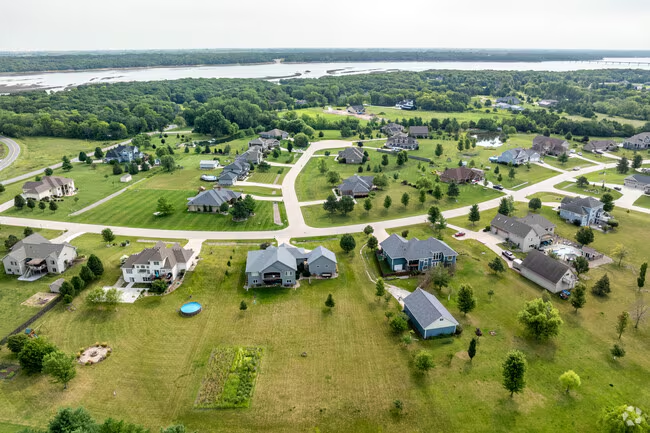
Dallas County is one of the fastest-growing counties in the United States, and that growth means thousands of newer basements, finished lower levels, and expanding municipal sewer systems - all of which create fresh opportunities for water intrusion. From Waukee's new subdivisions to century-old farmhouses near Dexter, property damage shows up in very different ways depending on where you live.
Restoration work here covers a full range of emergencies, each requiring different equipment and certified techniques:
- Water Damage Restoration - extraction, structural drying, and moisture mapping after burst pipes, appliance failures, or roof leaks
- Flooded Basement Cleanup - sump pump failures, foundation seepage, and storm surge into finished lower levels
- Sewage Cleanup - Category 3 contaminated water removal, disinfection, and safe disposal of porous materials
- Fire Damage Restoration - structural stabilization, debris removal, and rebuilding of affected areas
- Smoke Damage Restoration - soot removal, thermal fogging, HVAC cleaning, and odor neutralization
- Mold Removal - containment, HEPA filtration, antimicrobial treatment, and moisture source correction
Acting quickly protects more than drywall. Fast response limits secondary damage, keeps insurance claims straightforward, reduces the volume of materials that must be discarded, and helps families return to normal routines sooner.
Common Damage Restoration Issues in Dallas County, Iowa
Iowa weather swings hard, and Dallas County properties absorb that punishment year after year. Understanding what causes damage locally helps homeowners catch problems early.
Leading Causes of Property Damage
- Frozen and burst pipes - January cold snaps regularly push temperatures well below zero, freezing lines in crawlspaces, garages, and exterior walls
- Sump pump failure - heavy spring rain overwhelms pumps or knocks out power during storms, flooding finished basements within hours
- Sewer backups - aging clay laterals in older Perry, Adel, and Dallas Center neighborhoods crack, and root intrusion or heavy rain surcharges the line
- Storm and hail damage - derecho-strength winds and severe thunderstorms damage roofs and siding, opening paths for water
- Kitchen and electrical fires - cooking incidents, space heaters, and older wiring account for most residential fire losses
- Hidden mold growth - unresolved moisture behind baseboards, under carpet pad, or in wall cavities
Warning Signs Worth Investigating
- Musty odors that intensify after rain or when the HVAC system cycles
- Efflorescence - white chalky residue - on basement foundation walls
- Buckling laminate, cupping hardwood, or soft spots in subfloor
- Slow floor drains, gurgling toilets, or repeated backups in lower-level bathrooms
- Lingering smoke odor weeks after a small fire, especially in fabrics and ductwork
- Peeling paint, staining on ceilings, or discolored grout lines
Any one of these signals moisture that is still active. Waiting rarely makes the repair smaller.
Neighborhoods We Serve in Dallas County
Response coverage spans the entire county, from the Des Moines metro edge to the rural western townships.
- Waukee - Kettlestone, Glynn Village, Sugar Creek, and the rapidly developing Alice's Road corridor
- West Des Moines (Dallas County side) - Jordan Creek, Maffitt Lake area, and Grand Prairie Parkway neighborhoods
- Clive and Urbandale - western edges extending toward the county line
- Adel - historic downtown district and Raccoon River Valley properties
- Dallas Center - established residential streets and surrounding acreages
- Perry - older housing stock near the downtown core and along Willis Avenue
- Van Meter, De Soto, Dexter, Redfield, Woodward, Minburn, Granger, Linden, and Bouton
- Rural acreages and farmsteads throughout the county, including properties on private wells and septic systems
Crews familiar with local building departments, county floodplain boundaries, and municipal sewer districts move faster through the permitting and documentation side of a claim.
Seasonal Damage Patterns in Dallas County
Restoration calls follow a predictable rhythm across the Iowa calendar.
- December through February - frozen pipe bursts peak during extended sub-zero stretches. Ice dams form on north-facing roofs, forcing meltwater under shingles. Heating equipment and fireplace fires spike, bringing widespread smoke damage.
- March and April - snowmelt combines with saturated, still-frozen ground. Water runs toward foundations instead of soaking in, producing the season's first wave of flooded basements and sump pump failures.
- May through July - severe thunderstorms, hail, and straight-line winds arrive. Power outages disable sump pumps, and heavy rainfall surcharges sanitary sewers, causing backups into lower levels.
- July and August - humidity climbs and dew points stay high. Mold colonizes any damp material within days, especially in unconditioned basements and crawlspaces.
- September and October - a quieter stretch, ideal for moisture inspections, sump pump testing, gutter maintenance, and dryer vent cleaning before heating season.
- November - first hard freezes catch unwinterized hose bibs and irrigation lines. Furnace startup often reveals dust, soot, and odor problems.
Housing Characteristics & Restoration Considerations
Dallas County housing splits sharply between brand-new metro construction and pre-1950 small-town homes, and each type fails differently.
Newer Construction (2000-Present)
- Tight building envelopes trap moisture, so drying requires controlled dehumidification rather than open-window ventilation
- Deep poured-concrete basements with finished living space mean water damage immediately affects carpet, drywall, and cabinetry
- Engineered wood products - LVL beams, OSB subfloor, I-joists - swell and delaminate faster than dimensional lumber
- PEX manifolds and second-floor laundry rooms create supply-line failure risk far from a floor drain
Older Homes in Adel, Perry, and Dallas Center
- Limestone, brick, and block foundations wick groundwater through mortar joints
- Balloon framing lets smoke and fire travel vertically inside wall cavities, spreading soot to untouched floors
- Plaster and lath holds moisture invisibly behind the finish surface
- Original clay sewer laterals crack and admit tree roots, leading to repeat sewage backups
- Asbestos-containing floor tile, mastic, and pipe wrap require testing before demolition
Rural Acreages and Farmsteads
- Private wells need disinfection and testing after any flooding event
- Septic systems back up when drainage fields saturate
- Outbuildings, crawlspaces, and dirt-floor cellars need vapor barriers as part of mold correction
- Longer utility restoration times after storms make portable generators and desiccant drying necessary
Environmental Conditions & Damage Implications
Central Iowa's climate and soils actively work against dry buildings, which shapes how restoration is performed here.
Climate Factors
- Roughly 35 inches of annual precipitation, heavily concentrated in spring and early summer
- Summer dew points frequently in the 70s - indoor relative humidity climbs above the 60 percent threshold where mold thrives
- Temperature swings exceeding 100 degrees between January lows and July highs, stressing foundations, seals, and plumbing
- Frost depth commonly reaching 40 inches or more, driving frost heave along foundation walls
Soil and Groundwater
- Dense glacial till and clay-rich prairie soils drain slowly, holding water against foundations for days after rain
- Clay expands when wet and contracts when dry, opening hairline cracks in basement walls and floors
- Shallow perched water tables in low-lying areas near the Raccoon River and North Raccoon push hydrostatic pressure through cove joints
- Agricultural runoff means floodwater may carry fertilizer, herbicide residue, and bacteria - treated as contaminated regardless of source
Air Quality and Indoor Effects
- Spring field tillage and fall harvest raise particulate levels, loading HVAC filters and worsening post-fire soot circulation
- Hard, mineral-heavy water leaves scale that shortens the life of water heaters and supply connections
- Smoke odor bonds more aggressively in humid conditions, requiring hydroxyl or ozone treatment plus source removal
Sump Pumps, Sewer Backups, and Protecting a Finished Basement
In Dallas County, the finished basement is standard - family rooms, guest suites, home offices, and gyms all sit below grade. That living space is also the single most common site of restoration work in the county.
Why Lower Levels Fail Here
- Clay soils shed water toward the foundation rather than absorbing it
- Sump pumps run near capacity during spring melt and summer downpours
- Power outages during severe storms stop pumps at the exact moment they are needed
- Municipal sanitary sewers surcharge during extreme rainfall, pushing wastewater back through floor drains
- Downspouts discharging too close to the house saturate backfill soil
What Response Looks Like
- Safety and source control - power isolation, identifying whether water is clean, gray, or sewage-contaminated
- Extraction - truck-mounted or portable units remove standing water before it wicks up drywall
- Controlled demolition - carpet pad, saturated insulation, and affected drywall are removed; contaminated porous materials are discarded
- Disinfection - antimicrobial application to all affected surfaces, mandatory after any sewage event
- Structural drying - air movers and commercial dehumidifiers run under daily moisture monitoring
- Verification and rebuild - readings confirmed against dry standards before flooring, trim, and drywall are restored
Prevention Steps That Actually Help
- Install a battery or water-powered backup sump pump and test it seasonally
- Add a backwater valve on the sewer lateral, particularly in older Perry and Adel homes
- Extend downspouts at least six feet from the foundation
- Regrade soil to slope away from the house
- Place water alarms near the water heater, sump pit, and laundry connections
- Scope the sewer lateral periodically if mature trees line the property
Documentation matters as much as drying. Detailed moisture logs, photos, and material inventories keep insurance claims moving and support full restoration of the space.