Damage Restoration in Warren County, IA
- Damage Restoration Services Overview
- Common Damage Restoration Issues in Warren County, Iowa
- Neighborhoods We Serve in Warren County
- Seasonal Damage Patterns in Warren County
- Housing Characteristics & Restoration Considerations
- Environmental Conditions & Damage Implications
- Septic Backups and Rural Sewage Cleanup Across Warren County
Damage Restoration Services Overview
Few things upend daily life faster than water pouring into a finished basement, smoke rolling through a living room, or a sewage backup surfacing in a floor drain. Property damage in Warren County rarely arrives on a convenient schedule - it comes with spring storms, January pipe freezes, and septic systems that quit working during a wet stretch.
Restoration work covers the full path from emergency stabilization through reconstruction, and each service addresses a different failure point in an Iowa home or business:
- Water Damage Restoration - extraction, structural drying, and moisture monitoring after burst supply lines, appliance failures, roof leaks, and storm intrusion
- Flooded Basement - pump-out, contents handling, and drying of below-grade spaces where groundwater, sump failure, or window well overflow has collected
- Sewage Cleanup - containment and decontamination of Category 3 water from septic backups, failed drain fields, and municipal line surcharges
- Fire Damage Restoration - debris removal, soot cleaning, structural evaluation, and rebuild coordination
- Smoke Damage Restoration - odor neutralization, HVAC cleaning, and treatment of surfaces where smoke residue traveled far beyond the burn area
- Mold Removal - containment, air filtration, material removal, and correction of the moisture source feeding the growth
Warren County residents benefit most when these services come from one team - documentation stays consistent, insurance carriers get a single point of contact, and no phase of the work gets handed off and lost.
Common Damage Restoration Issues in Warren County, Iowa
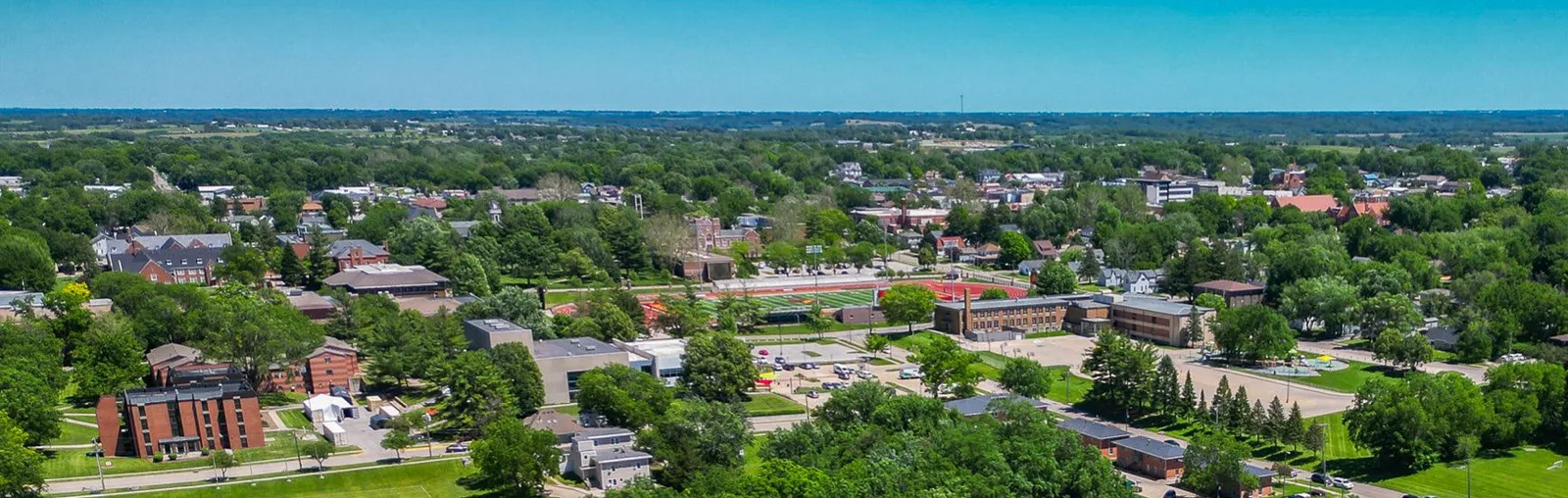
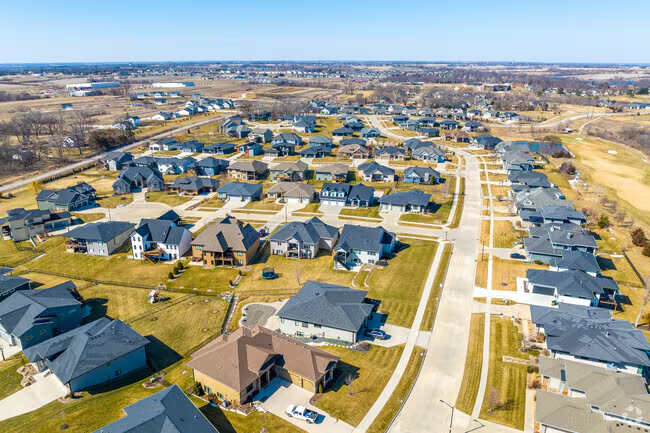
Warren County sits at the southern edge of the Des Moines metro, mixing suburban subdivisions in Indianola and Carlisle with acreages and farmsteads on rural roads. That split creates two very different damage profiles.
Water and Sewage Problems
- Private septic systems overwhelmed when heavy spring rainfall saturates clay-heavy soils and drain fields stop absorbing
- Sump pump failures during multi-day rain events, especially in homes without battery backup
- Groundwater pressure pushing through foundation cracks and cove joints in older basements
- Frozen and burst supply lines in unheated crawl spaces, garages, and outbuildings during deep January cold
- Well pump and pressure tank failures flooding utility rooms
Fire and Smoke Problems
- Wood stoves, fireplaces, and supplemental heaters used hard through Iowa winters
- Rural response distances that allow fires more time to spread before suppression begins
- Kitchen fires that leave protein smoke residue coating cabinets and ceilings throughout the home
- Lingering odor circulated by forced-air HVAC systems long after visible damage is cleaned
Warning Signs to Watch
- Musty odor in basements, closets, or near HVAC returns
- Efflorescence, white chalky residue, or dark staining on foundation walls
- Slow floor drains, gurgling fixtures, or lush green patches over a drain field
- Warped baseboards, buckling laminate, or peeling paint near the floor line
- Persistent allergy symptoms that improve when occupants leave the house
Neighborhoods We Serve in Warren County
Coverage spans the county's incorporated towns and the acreages between them, along with adjacent metro communities where Warren County property owners work and commute.
- Indianola - historic square-area homes, Simpson College neighborhoods, and newer subdivisions on the north and west edges
- Carlisle - properties near the Des Moines and North rivers with elevated flood and groundwater exposure
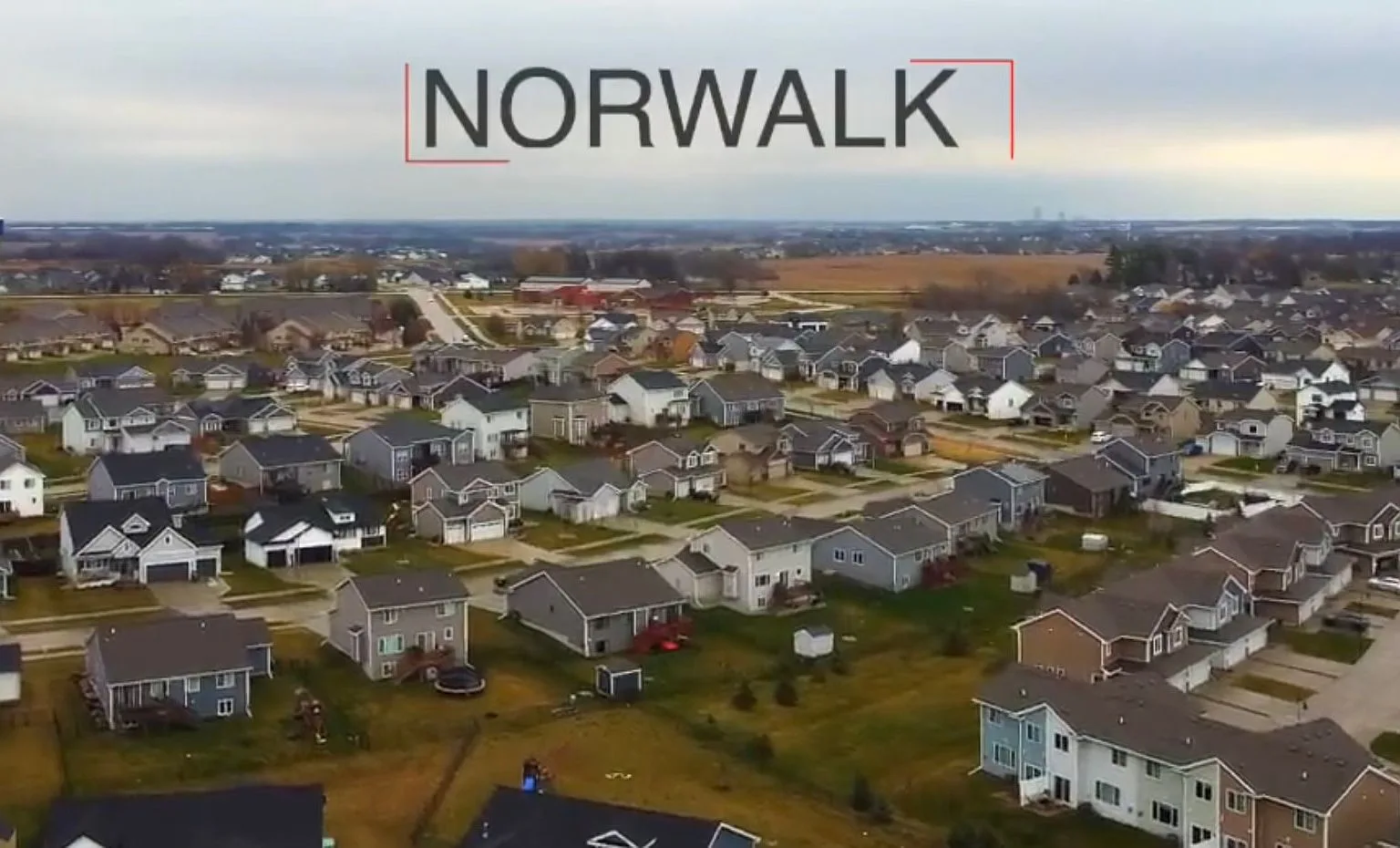
- Norwalk - fast-growing subdivisions with finished basements and modern framing
- Cumming, Martensdale, St. Marys, Milo, Lacona, New Virginia, Hartford, Ackworth, Prole, and Sandyville - small towns and surrounding farmland served by private wells and septic systems
- Southern metro edge - southern West Des Moines, south Des Moines, and the corridor along Highway 65/69 and Interstate 35
Rural addresses, gravel-road acreages, and outbuildings receive the same response as in-town properties.
Seasonal Damage Patterns in Warren County
- December through February - Frozen and burst pipes dominate. Ice dams push meltwater under shingles into ceilings and wall cavities. Heating equipment, wood stoves, and space heaters drive the year's highest fire and smoke damage volume.
- March and April - Snowmelt combines with early rain over still-frozen ground. Sump pumps run continuously, basements take on water, and saturated soils begin stressing septic drain fields.
- May through July - Peak storm season. Straight-line winds, derechos, hail, and tornado activity open roofs and windows. Flash flooding along the Des Moines, Middle, and North river corridors floods basements and triggers sewage backups.
- July through September - Heat and humidity turn any lingering moisture into active mold growth. Air conditioning condensate lines clog and overflow. Attics and crawl spaces show the highest humidity readings of the year.
- October and November - Clean-up season. Furnaces fire for the first time and send stored dust and smoke odor through ductwork. Outdoor burning and harvest equipment add fire risk on rural properties.
Housing Characteristics & Restoration Considerations
Warren County housing stock runs from 1890s farmhouses and early-1900s Indianola bungalows to subdivisions built within the last decade in Norwalk and Carlisle. Age and construction method change how water moves and how restoration is sequenced.
Older Homes (pre-1960)
- Stone, block, or unsealed poured foundations that weep during wet seasons
- Balloon framing that lets fire, smoke, and moisture travel vertically inside wall cavities
- Plaster and lath that holds water far longer than drywall and requires longer drying cycles
- Original galvanized or cast iron drain lines prone to root intrusion and backups
- Possible asbestos-containing floor tile, mastic, or pipe insulation requiring testing before demolition
Newer Construction (1990s to present)
- Finished basements with carpet, drywall, and built-ins - the most expensive water losses in the county
- Tighter building envelopes that trap humidity and accelerate mold when drying is delayed
- Engineered wood joists and OSB subfloor that degrade quickly under sustained saturation
- PEX and CPVC supply lines that split at fittings during freeze events
Rural and Acreage Properties
- Private wells requiring disinfection and testing after flooding or sewage contamination
- Crawl spaces with dirt floors and minimal vapor barrier, a constant mold source
- Pole barns and detached shops with limited insulation and exposed mechanicals
Environmental Conditions & Damage Implications
Local climate and soil conditions explain why the same loss behaves differently here than it would elsewhere.
Climate
- Humid continental pattern with hot, humid summers and sub-zero winter stretches
- Annual precipitation concentrated in spring and early summer, often falling in intense short bursts
- Deep frost penetration that reaches shallow water lines and unprotected plumbing
- Summer dew points regularly high enough to sustain mold growth without additional water intrusion
Soils and Groundwater
- Clay-heavy loess and glacial till that drain slowly and hold water against foundations
- Seasonal soil expansion and contraction that cracks foundation walls and floor slabs
- Perched water tables that raise hydrostatic pressure under basement floors after heavy rain
- Drain fields that stop percolating once surrounding soil reaches saturation, forcing sewage back toward the house
Air and Water Quality Implications
- Smoke residue and mold spores concentrate quickly in tightly sealed homes with recirculating HVAC
- Agricultural runoff and bacterial contamination make floodwater a Category 3 hazard requiring full decontamination
- Private well systems need bacteriological testing after any flooding event on the property
- Radon-prone geology means basement work should preserve or restore existing mitigation systems
Septic Backups and Rural Sewage Cleanup Across Warren County
Outside Indianola, Norwalk, and Carlisle city limits, most Warren County homes rely on private septic systems. When spring rain saturates clay soil for days at a time, the drain field can no longer accept effluent - and the path of least resistance runs backward into the lowest fixture in the house. That is usually a basement floor drain, laundry standpipe, or shower pan.
Sewage is not a mop-and-disinfect situation. It carries bacteria, viruses, and parasites, and it soaks into porous materials that cannot be salvaged. Handled correctly, the work follows a defined sequence:
- Containment - isolating the affected area with barriers and negative air pressure so contaminants do not spread to clean parts of the home
- Extraction and removal - pumping standing waste and removing carpet, pad, drywall, insulation, and other porous materials that absorbed contamination
- Cleaning and disinfection - washing and treating all remaining hard surfaces, framing, and mechanicals with antimicrobial agents
- Structural drying - placing air movers and dehumidifiers, then monitoring moisture readings daily until materials return to dry standard
- Air quality treatment - HEPA filtration and odor neutralization, including duct evaluation if the HVAC system circulated contaminated air
- Reconstruction - rebuilding flooring, walls, trim, and finishes so the space is fully usable again
The same team that handles extraction should handle the rebuild. Warren County property owners already coordinating with a septic contractor, a well testing lab, and an insurance adjuster do not need a fourth and fifth phone number. Start-to-finish service keeps moisture documentation, photo records, and scope notes in one file, which supports the claim and prevents the gap where a basement gets dried but never properly rebuilt - the gap where mold quietly starts over.