Damage Restoration in Black Hawk County, IA
- Damage Restoration Services Overview
- Common Damage Restoration Issues in Black Hawk County, Iowa
- Neighborhoods We Serve in Black Hawk County
- Seasonal Damage Patterns in Black Hawk County
- Housing Characteristics & Restoration Considerations
- Environmental Conditions & Damage Implications
- The Pack-Out Process: Protecting Belongings After Fire and Water Loss
Damage Restoration Services Overview
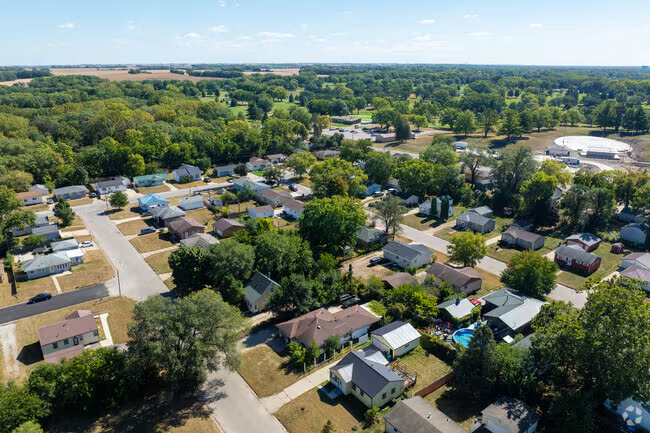
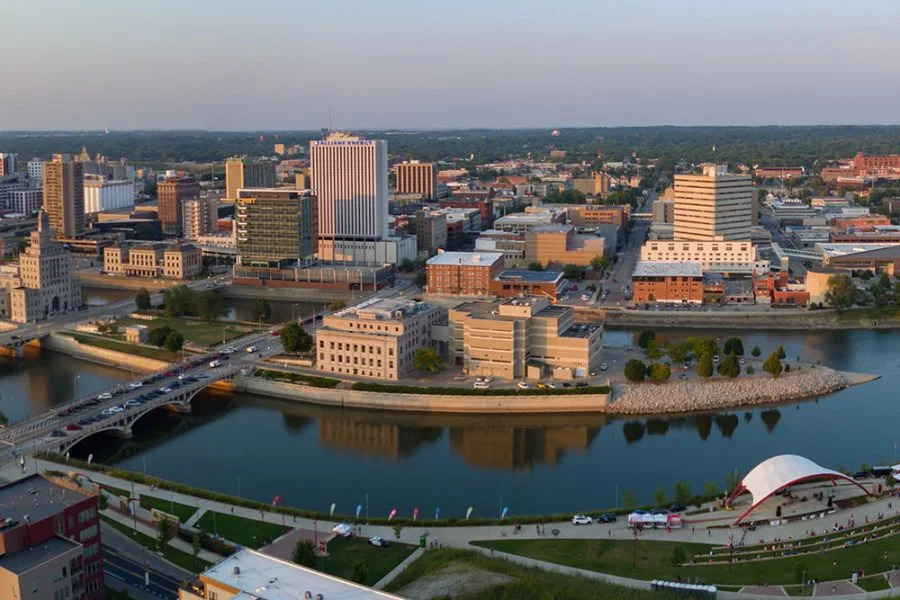
Black Hawk County sits where the Cedar River winds through Waterloo and Cedar Falls, and that geography shapes nearly every restoration call our crews respond to. Between spring river rise, aging clay sewer laterals, freeze-thaw cycles that split supply lines, and hard-working older housing stock, property damage here rarely looks the same twice.
At SERVPRO of Black Hawk County, owners Scott and Libby Demuth lead a team trained to handle the full arc of a loss - from the first extraction hose to the final reconstruction detail. Scott's years managing SERVPRO's water restoration division bring technical depth to every job file.
- Water Damage Restoration - burst supply lines, failed water heaters, appliance overflows, and roof leaks after hail or wind
- Flooded Basement - sump pump failures, foundation seepage, and storm surge into below-grade living space
- Sewage Cleanup - backflow from municipal mains, failed ejector pumps, and Category 3 contamination requiring full containment
- Fire Damage Restoration - structural cleaning, soot removal, board-up, and coordinated rebuild
- Smoke Damage Restoration - odor neutralization, HVAC decontamination, and content deodorization
- Mold Removal - containment, controlled removal, and moisture-source correction so growth does not return
Crews are dispatched around the clock from 340 W 13th St in Waterloo, so response time stays measured in minutes, not days.
Common Damage Restoration Issues in Black Hawk County, Iowa
The problems we see repeat with the seasons, and recognizing them early keeps a small loss from becoming a gut-and-rebuild project.
What Causes Damage Here
- Cedar River and Black Hawk Creek flooding - snowmelt combined with heavy spring rain pushes water into low-lying neighborhoods and basements
- Frozen and burst pipes - January and February deep freezes reach uninsulated crawl spaces, exterior walls, and vacant rental properties
- Combined and overloaded sewer lines - intense downpours can push wastewater back through floor drains and basement fixtures
- Derecho-style wind and hail events - roof breaches let water into attics and ceiling cavities, sometimes days before anyone notices staining
- Heating-season fires - furnaces, wood stoves, space heaters, and cooking incidents concentrate between October and March
- Humid summer stretches - dew points in the 70s feed mold growth on basement joists, closet walls, and behind vinyl wallcoverings
Warning Signs Worth Acting On
- Musty odor that intensifies when the HVAC system cycles on
- Efflorescence, chalky white residue, or bubbling paint on foundation walls
- Floor drains that gurgle when the washing machine or shower drains
- Soot film on window glass, light switch plates, or return air grilles after a small fire
- Cupping hardwood, spongy subfloor, or drywall that feels cool and soft near the baseboard
- Smoke odor that returns during humid weather - a sign residues remain in porous materials
Any one of these justifies an inspection. Moisture meters and thermal imaging find the hidden portion of the problem before demolition begins.
Neighborhoods We Serve in Black Hawk County
Our teams cover the entire county and the surrounding communities, residential and commercial alike.
- Waterloo - Downtown, Highland, Walnut, Kingsley, Cedar Heights, East Side, and the Crossroads corridor
- Cedar Falls - College Hill, Downtown Main Street district, Prairie Winds, Greenhill, and the UNI campus area
- Evansdale, Elk Run Heights, and Raymond - older housing near the river and rail corridors
- Hudson, La Porte City, Dunkerton, Gilbertville, and Washburn - rural properties with private wells and septic systems
- Janesville and surrounding unincorporated Black Hawk County acreages
Whether the call comes from a century-old Waterloo two-story, a Cedar Falls student rental, a farmhouse outside Dunkerton, or a warehouse near the industrial district, the same certified process applies.
Seasonal Damage Patterns in Black Hawk County
Iowa's climate spreads different losses across the calendar, and knowing the pattern helps property owners prepare.
- December through February - frozen pipe breaks peak, along with furnace, chimney, and space heater fires. Smoke damage calls climb sharply during extended cold snaps when homes stay sealed tight.
- March and April - snowmelt and river rise drive flooded basements, sump pump failures, and sewage backups. Thawing ground pushes hydrostatic pressure against foundation walls.
- May through July - severe thunderstorms bring wind-driven rain, hail, roof breaches, and lightning-related fires. Heavy rainfall events overwhelm storm and sanitary systems.
- July through September - high humidity and dew points make mold removal the dominant service. Basements and crawl spaces that stayed damp from spring begin showing visible growth.
- October and November - heating systems restart, producing puff-back soot events and early-season fire losses. First hard freezes catch unwinterized hose bibs and irrigation lines.
Year-round, appliance failures - water heaters, dishwashers, washing machine hoses, and refrigerator ice lines - remain the single most consistent source of water damage calls in the county.
Housing Characteristics & Restoration Considerations
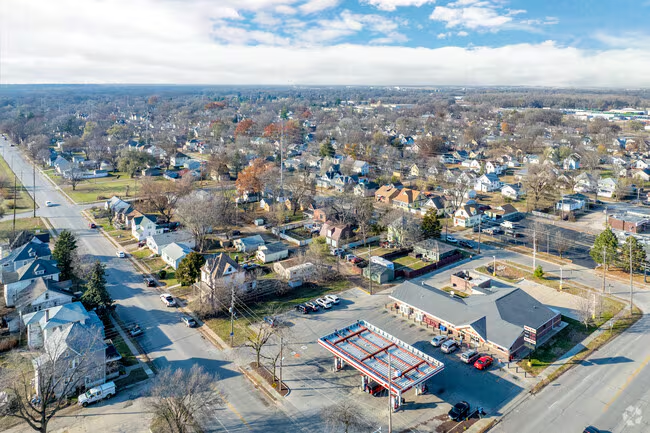
Black Hawk County housing skews older than the national average, with large concentrations built between the 1890s and the 1960s during Waterloo's manufacturing growth years. That age directly affects how restoration is planned and executed.
Construction Features That Shape the Work
- Limestone, brick, and unsealed block foundations - porous masonry wicks moisture and requires longer controlled drying than poured concrete
- Balloon-frame walls in pre-1930 homes - open stud cavities let water and smoke travel vertically from basement to attic
- Plaster and lath - holds moisture behind the surface and demands careful moisture mapping before any demolition decision
- Clay tile sewer laterals - root intrusion and joint separation lead to recurring backups in established neighborhoods
- Finished basements added in later decades - carpet, paneling, and framing installed directly against foundation walls trap moisture and create ideal mold conditions
- Knob-and-tube or early wiring - requires cautious de-energizing and electrical evaluation before water extraction begins
- Newer subdivisions in Cedar Falls and Hudson - tighter envelopes hold smoke odor and humidity longer, making HVAC decontamination and dehumidification central to the plan
Older homes also frequently contain asbestos-bearing floor tile, mastic, and pipe wrap, plus lead-based paint. Our teams follow EPA RRP protocols and coordinate testing when materials are suspect, so demolition never spreads a second hazard through the structure.
Environmental Conditions & Damage Implications
Local soil, water chemistry, and air conditions all influence how damage develops and how restoration must be performed.
Climate and Moisture Load
- Humid continental climate with wide temperature swings - roughly 35 inches of annual precipitation plus significant snowfall
- Summer dew points regularly in the upper 60s and 70s, keeping indoor relative humidity above the 60 percent threshold where mold thrives
- Winter interior humidity drops sharply, which can drive smoke odor deeper into porous materials and cause wood to check and crack
Soil, Groundwater, and Drainage
- Glacial till and silty clay loam soils hold water against foundations rather than draining it away
- Shallow water tables near the Cedar River and Black Hawk Creek raise seepage and sump load during wet periods
- Freeze-thaw cycling opens foundation cracks a little wider each year, creating new entry points for basement flooding
Water Quality and Contamination Factors
- Hard, mineral-rich municipal water accelerates scale buildup in water heaters and supply lines, shortening component life
- Agricultural runoff can carry fertilizers, herbicides, and bacteria into floodwater, so any river or storm intrusion is treated as contaminated
- Rural septic systems that surcharge during saturated ground conditions require full Category 3 sewage cleanup protocols
These conditions mean drying targets, antimicrobial selection, and containment decisions are set by measured data - not assumption. Documented moisture readings guide when equipment comes out and when the structure is genuinely dry.
The Pack-Out Process: Protecting Belongings After Fire and Water Loss
When fire or flooding strikes a Waterloo or Cedar Falls home, the structure is only half the concern. Furniture, electronics, clothing, photographs, and irreplaceable family keepsakes are often what people grieve most. Leaving those items in a soot-filled or saturated environment allows damage to compound by the hour - acidic soot etches metal and glass, and porous materials begin supporting mold growth quickly in Iowa humidity.
Every day our team is packing out homes affected by fire and water damage. Here is how that process works.
- On-site assessment - technicians separate salvageable, questionable, and non-salvageable contents room by room
- Detailed inventory - each item is photographed, tagged, and logged so nothing is lost and insurance documentation stays accurate
- Careful packing and transport - materials are wrapped and crated appropriately for their condition, then moved to our secure storage and restoration facility
- Specialized cleaning - ultrasonic cleaning for hard goods, controlled textile processing for clothing and linens, electronics evaluation, and document drying for papers and photographs
- Deodorization - ozone, hydroxyl, or thermal fogging chosen based on material type and odor severity
- Climate-controlled storage - items are held safely while structural repairs, mold remediation, or reconstruction finish
- Return and placement - contents come back cleaned, inventoried, and set in place when the home is ready
Why the Standards Matter
- Work follows IICRC S500 water damage and S520 mold remediation standards, with certified technicians on every job
- Containment barriers and negative air machines keep contamination from migrating to unaffected rooms
- Antimicrobial application and HEPA filtration address bacteria and spores after sewage or mold exposure
- Photo and moisture documentation supports a smoother insurance claim from first notice to final invoice
Scott and Libby Demuth built the local team around a straightforward promise: move fast, communicate clearly, and make the loss feel "Like it never even happened." Emergency service is available 24/7 for residential and commercial properties throughout Black Hawk County.