
Damage Restoration in Norwalk, IA
- Damage Restoration Services Overview
- Common Damage Restoration Issues in Norwalk, Iowa
- Neighborhoods We Serve in Norwalk
- Seasonal Damage Patterns in Norwalk
- Housing Characteristics & Restoration Considerations
- Environmental Conditions & Damage Implications
- What Happens After the Call: The Norwalk Restoration Process
Damage Restoration Services Overview
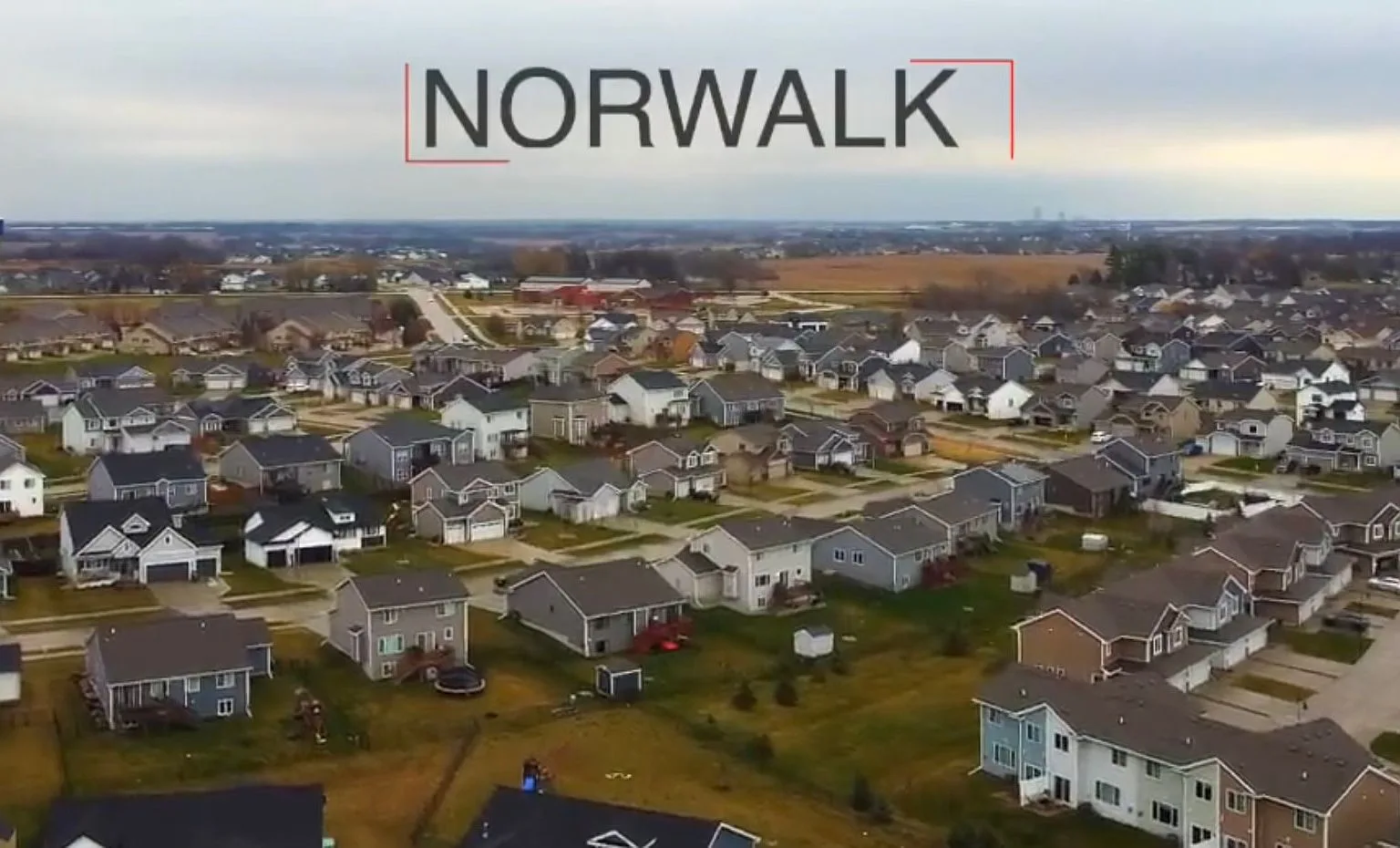
Norwalk has grown faster than almost any city in Warren County over the past two decades - which means a housing stock that mixes 1970s ranches with brand-new builds on freshly graded lots. Both extremes have their own water, fire, and mold vulnerabilities, and both call for restoration crews who know Iowa construction.
Local providers such as SERVPRO, Restoration of Norwalk, and ProRestore DKI offer 24/7 emergency response across the Norwalk 50211 area, covering everything from a burst supply line to a full structure fire cleanup.
Services available to Norwalk homes and businesses include:
- Water Damage Restoration - extraction, structural drying, moisture mapping, and documentation for insurance
- Flooded Basement Cleanup - sump failure response, water removal, and drying of finished lower levels
- Sewage Cleanup - Category 3 water handling, contaminated material removal, and antimicrobial treatment
- Fire Damage Restoration - board-up, debris removal, structural cleaning, and contents pack-out
- Smoke Damage Restoration - soot removal, thermal fogging, HVAC cleaning, and odor neutralization
- Mold Removal - containment, HEPA filtration, affected material removal, and moisture source correction
The benefit of a single local team handling all six: one point of contact, faster mobilization, and no gaps between water removal and mold prevention.
Common Damage Restoration Issues in Norwalk, Iowa
Norwalk sits on rolling terrain south of Des Moines, with clay-heavy soils that shed water toward foundations rather than absorbing it. That single geologic detail drives a large share of local restoration calls.
Frequent Causes of Loss
- Sump pump failure during heavy spring rain or power outages from severe storms
- Frozen and burst pipes in unheated crawl spaces, garages, and exterior walls during January cold snaps
- Sewer backups when saturated ground and heavy runoff overwhelm lateral lines, especially in older neighborhoods
- Appliance failures - water heaters, dishwashers, washing machine hoses, and refrigerator ice lines
- Kitchen and electrical fires, plus fireplace and space heater incidents in winter
- Roof and window leaks after hail and straight-line wind events common to central Iowa
Warning Signs Worth Acting On
- Musty odor in the basement or near HVAC returns - often the first sign of hidden mold
- Efflorescence, white chalky residue, or dark staining on foundation walls
- Buckling laminate, cupped hardwood, or soft spots in subfloor
- Gurgling floor drains or slow drainage across multiple fixtures, which can precede a sewage backup
- Lingering smoke odor that returns on humid days after a small kitchen fire
- Peeling paint, condensation on windows, or unexplained increases in indoor humidity
Smoke damage in particular is under-reported. Soot migrates through ductwork and settles in closets and attics, so what looks like a contained stovetop fire often needs whole-home cleaning.
Neighborhoods We Serve in Norwalk
Restoration crews respond throughout Norwalk and the surrounding Warren County and southern Polk County communities.
- Central Norwalk - older established blocks near Main Street, North Avenue, and Wright Road
- Echo Valley and Orchard Hills - established subdivisions with mature trees and full basements
- Sunset Ridge, Legacy, and Vintage Hills - newer developments off Beardsley Street and G14
- Norwalk Central and school district corridors near the high school and Lakewood Elementary areas
- Rural acreages along Cumming Road, 60th Avenue, and toward Badger Creek
Service also extends to nearby Cumming, Martensdale, Carlisle, Indianola, West Des Moines, and the southwest Des Moines metro. Proximity matters - shorter drive times mean extraction equipment arrives before water wicks up drywall and into wall cavities.
Seasonal Damage Patterns in Norwalk
Winter (December - February)
- Frozen pipe bursts during sub-zero stretches, often discovered after a thaw
- Peak fire and smoke damage season from furnaces, fireplaces, and space heaters
- Ice dams pushing meltwater under shingles and into ceilings
Spring (March - May)
- Snowmelt plus heavy rain equals the highest volume of flooded basement calls
- Sump pump overload and sewage backups during saturated-ground events
- Storm-driven roof and window leaks from hail and high wind
Summer (June - August)
- Mold growth accelerates as humidity climbs and dew points stay high
- Air conditioning condensate line clogs causing slow ceiling and closet leaks
- Derecho-style wind events opening building envelopes to water intrusion
Fall (September - November)
- Clogged gutters and downspouts directing water against foundations
- Hidden summer moisture discovered as mold once homes are closed up
- First furnace runs circulating dust, soot, and musty odors through ductwork
Housing Characteristics & Restoration Considerations
Norwalk's housing splits into distinct eras, and each responds differently to water, fire, and mold.
Homes Built Before 1980
- Poured or block foundations with limited exterior waterproofing and aging drain tile
- Original cast iron or clay sewer laterals prone to root intrusion and backups
- Possible asbestos-containing floor tile, mastic, and pipe wrap requiring testing before demolition
- Knob-and-tube remnants or aging aluminum wiring raising electrical fire risk
- Plaster walls that hold moisture longer than drywall and need specialized drying
Homes Built 1980 - 2005
- Finished basements with carpet, pad, and wood-framed walls - high mold risk after flooding
- Polybutylene or early plastic supply lines with failure history
- Vinyl-wrapped exteriors where wind-driven rain gets behind siding
Newer Construction (2005 - Present)
- Tight building envelopes that trap humidity and hide moisture behind vapor barriers
- Open floor plans allowing smoke and soot to spread across an entire level quickly
- Engineered wood I-joists and OSB subfloor that lose strength fast when saturated
- Deep egress window wells that collect runoff and dump water into finished bedrooms
Most Norwalk homes have full basements, which makes lower-level extraction, dehumidification, and content protection the core of local water restoration work. Technicians use moisture meters and thermal imaging to find water behind baseboards and inside stud bays rather than removing more material than necessary.
Environmental Conditions & Damage Implications
Central Iowa's climate creates a wide swing between frozen and saturated - both hard on buildings.
Climate Factors
- Roughly 34 inches of annual precipitation, concentrated in spring and early summer downpours
- Summer dew points regularly in the 65 - 75 degree range, feeding mold growth indoors
- Winter lows below zero, driving pipe freeze and burst events
- Freeze-thaw cycling that cracks foundation walls and widens existing seepage points
Soil and Groundwater
- Heavy glacial till and clay soils with slow infiltration rates
- Expansive clay that swells against foundation walls after rain, then shrinks and creates gaps
- Hilly Warren County terrain that concentrates surface runoff toward downhill lots
- Elevated water tables in low-lying areas near creek drainages after heavy rain
Air and Water Quality Impacts
- Hard municipal water contributing to scale buildup and premature water heater failure
- Seasonal agricultural dust and pollen that load HVAC systems, worsening post-fire soot circulation
- Common indoor mold species - Cladosporium, Penicillium, Aspergillus - thriving on damp cellulose materials
These conditions explain why drying alone is rarely enough. After extraction, crews monitor humidity and material moisture content daily, correct the drainage or plumbing source, and apply antimicrobial treatment so a water loss does not become a mold remediation project weeks later.
What Happens After the Call: The Norwalk Restoration Process
Restoration works best when one team owns the job from the first phone call through the final repair. Here is how a complete Norwalk project typically unfolds.
- Emergency contact and dispatch - 24/7 intake, safety guidance over the phone, and crew mobilization from the Des Moines metro area.
- On-site inspection and scoping - moisture mapping, thermal imaging, contamination classification, and photo documentation for the insurance file.
- Water extraction or fire stabilization - truck-mounted extraction for flooded basements, or emergency board-up, tarping, and debris removal after a fire.
- Containment and safety controls - negative air machines, plastic barriers, and HEPA filtration to keep mold spores and soot from spreading into clean areas.
- Removal of unsalvageable materials - saturated carpet pad, swollen baseboard, wet insulation, and sewage-contaminated porous items.
- Structural drying - air movers and commercial dehumidifiers placed by calculation, with daily moisture readings until materials hit dry standard.
- Cleaning and deodorization - antimicrobial application, soot removal with dry sponges and specialty solvents, duct cleaning, and hydroxyl or ozone treatment for smoke odor.
- Contents handling - pack-out, inventory, cleaning, and storage of furniture, electronics, and personal items.
- Reconstruction - drywall, paint, flooring, trim, and cabinetry to return the space to pre-loss condition.
What to Do Before Crews Arrive
- Shut off the water main if a pipe or appliance is leaking
- Stay out of flooded areas where electrical panels or outlets are submerged
- Avoid contact with sewage water entirely - it carries bacteria and viruses
- Photograph damage and keep receipts for emergency purchases
- Do not run household fans on visible mold, which spreads spores
- Leave fire-damaged surfaces alone; wiping soot can drive it deeper into finishes
Local companies serving the 50211 area coordinate directly with insurance adjusters, provide free estimates, and handle Xactimate documentation so Norwalk homeowners are not managing multiple contractors during an already stressful week.





