
Damage Restoration in Perry, IA
- Damage Restoration Services Overview
- Common Damage Restoration Issues in Perry, Iowa
- Neighborhoods We Serve in Perry
- Seasonal Damage Patterns in Perry
- Housing Characteristics & Restoration Considerations
- Environmental Conditions & Damage Implications
- Working Through an Insurance Claim After Perry Property Damage
Damage Restoration Services Overview
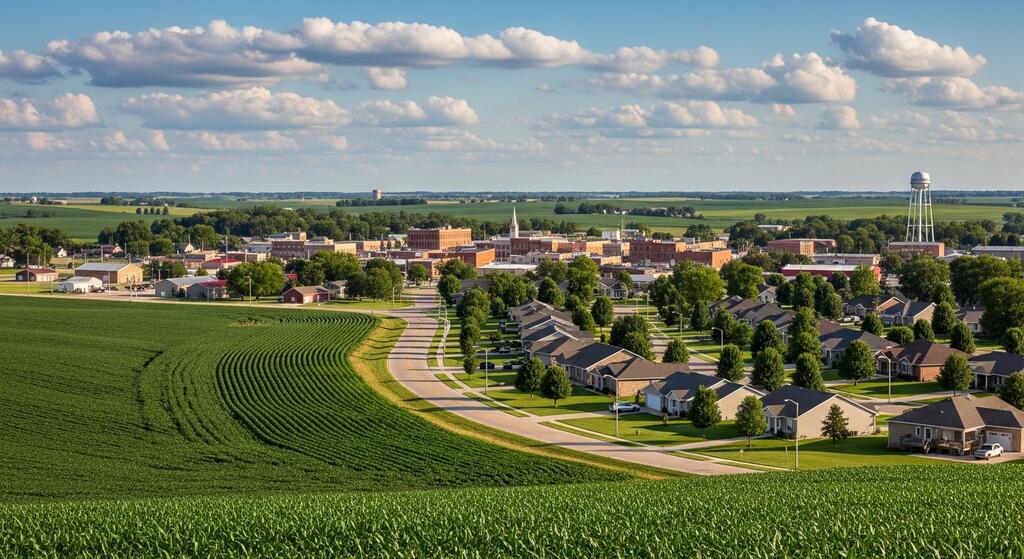
When water pours through a basement window well or smoke settles into every room of your Perry home, the shock is real - and the clock starts ticking immediately. Property damage rarely announces itself, and the decisions made in the first few hours shape how much of your home and belongings can be saved.
Restoration teams serving Perry, Iowa handle the full spectrum of property emergencies, working around the clock because water spreads and mold colonies form regardless of the hour.
- Water Damage Restoration - extraction, structural drying, dehumidification, and moisture mapping behind walls and under flooring
- Flooded Basement Cleanup - pumping standing water, drying foundation walls, salvaging storage and mechanical systems
- Sewage Cleanup - removal of contaminated material, antimicrobial treatment, and safe disposal of Category 3 waste
- Fire Damage Restoration - debris removal, structural stabilization, content pack-out, and rebuild coordination
- Smoke Damage Restoration - soot cleanup on walls and ceilings, HVAC decontamination, and odor neutralization
- Mold Removal - inspection, containment, remediation, and correcting the moisture source behind the growth
The benefit for Perry residents is straightforward: faster response means less demolition, fewer replaced materials, and a smoother insurance claim. IICRC-certified crews document losses properly from day one, which matters when an adjuster reviews your file weeks later.
Common Damage Restoration Issues in Perry, Iowa
Perry sits in Dallas County along the Raccoon River corridor, and that geography drives most of the property damage local crews respond to. Heavy spring rain, aging municipal lines, and older housing stock combine into predictable trouble.
Frequent Causes of Damage
- Saturated soil pushing groundwater through foundation cracks and cove joints in older basements
- Sump pump failure during multi-inch rain events or power outages from derecho-style wind storms
- Sanitary sewer backups when heavy inflow overwhelms lateral lines connected to older clay pipe
- Frozen and burst supply lines in uninsulated crawl spaces and exterior walls during January cold snaps
- Kitchen grease fires, wood stove and fireplace issues, and electrical faults in homes with legacy wiring
- Hidden mold behind vinyl wallpaper, under carpet pad, and inside wall cavities after a slow leak
Warning Signs Worth Acting On
- Musty odor in the basement or lower level that intensifies after rain
- Buckled hardwood, cupped laminate, or tile that sounds hollow underfoot
- Staining or bubbling paint on drywall near the floor line or ceiling
- Gurgling floor drains or slow tub drainage - often the first hint of a sewer backup
- Soot film reappearing on surfaces days after a small fire, indicating smoke residue in the HVAC system
- Persistent respiratory irritation or headaches that ease when you leave the house
Any of these signals justify a professional moisture reading rather than a wait-and-see approach.
Neighborhoods We Serve in Perry
Restoration crews cover Perry proper and the surrounding Dallas County communities, with response reaching homes and businesses across the area.
- Downtown Perry and the Willis Avenue corridor - historic brick commercial buildings and upper-floor apartments
- Older residential blocks near 2nd, 3rd, and Otley Avenue - early-century homes with stone and block foundations
- North Perry neighborhoods near the high school and Pattee area
- Newer subdivisions on the south and west edges with poured concrete basements and finished lower levels
- Rural acreages and farmsteads along the Raccoon River Valley Trail and county roads
Nearby service areas include Dallas Center, Woodward, Minburn, Bouton, Dawson, Rippey, Grimes, Granger, Adel, and Jefferson. Rural properties on private wells and septic systems receive the same emergency coverage as in-town addresses, with equipment sized for larger square footage and outbuildings.
Seasonal Damage Patterns in Perry
Iowa's weather cycle produces distinct damage seasons, and knowing what is coming helps homeowners prepare before the emergency call.
- December through February - burst pipes, ice dam leaks along eaves, and furnace or space heater fires. Frozen lines in vacant properties are common after extended below-zero stretches.
- March and April - snowmelt combined with early rain saturates the ground, driving basement seepage and sump pump overload.
- May through July - peak severe weather. Thunderstorms, hail, straight-line wind, and lightning strikes bring roof breaches, flooded basements, and sewer backups when storm volume overwhelms drainage.
- July and August - high humidity accelerates mold growth in basements, crawl spaces, and behind furniture on exterior walls. Air conditioning condensate line clogs cause slow ceiling leaks.
- September and October - milder stretch used for mold remediation, dry-out follow-up, and preventive foundation work before winter.
- November - heating systems restart, and dormant chimneys, flues, and dryer vents become fire sources.
Smoke damage calls cluster in the heating months, while water and sewage work peaks in spring and early summer.
Housing Characteristics & Restoration Considerations
Perry's housing stock skews older than the Iowa average, with a large share of homes built before 1960 and a meaningful number dating to the early 1900s railroad era. Construction age dictates restoration strategy more than almost any other factor.
What Older Perry Homes Mean for Restoration
- Stone, brick, and hollow block foundations - porous masonry absorbs water deeply and requires extended drying with targeted airflow rather than surface fans alone
- Plaster and lath walls - hold moisture behind the surface and can be salvaged with careful drying, but hide mold growth if rushed
- Balloon framing - open wall cavities let fire, smoke, and water travel between floors quickly, so inspection extends well beyond the visible damage zone
- Original hardwood floors - often restorable through in-place drying if extraction begins promptly
- Asbestos-era materials - floor tile, pipe wrap, and joint compound in pre-1980 homes require testing before demolition
- Clay or cast iron sewer laterals - prone to root intrusion and collapse, a leading cause of repeat basement sewage events
Newer Construction Concerns
- Finished basements with carpet, drywall, and framed walls trap water against the foundation and hide growth
- Tight building envelopes hold humidity, making dehumidification a permanent part of the drying plan
- Engineered flooring and MDF trim typically require replacement rather than drying
Crews adjust equipment placement, drying time, and containment based on which category your home falls into.
Environmental Conditions & Damage Implications
Perry's humid continental climate creates a wide moisture swing across the year, and that swing is the single biggest driver of mold and drying complications in local properties.
Climate and Moisture Factors
- Annual precipitation in the mid-30-inch range, concentrated in spring and early summer downpours
- Summer dew points regularly climbing into the 60s and 70s, pushing indoor relative humidity above the 60 percent mold threshold in unconditioned basements
- Winter temperature swings that cause condensation on cold surfaces, rim joists, and window frames
- Freeze-thaw cycling that widens existing foundation cracks year after year
Soil, Water, and Air
- Heavy clay-loam prairie soils hold water against foundations rather than draining, increasing hydrostatic pressure on basement walls
- Flat to gently rolling terrain near the Raccoon River watershed slows surface runoff away from structures
- Hard water with elevated mineral content stresses water heaters, supply lines, and appliance connections, contributing to sudden failures
- Agricultural dust and seasonal field activity add particulate load that combines with soot after a fire, complicating surface cleaning
- Rural properties on septic systems face backup risk when saturated drain fields cannot accept flow
These conditions mean drying plans in Perry account for outdoor humidity rather than assuming open windows will help. During muggy stretches, sealed containment with commercial dehumidification is the only reliable path to safe moisture levels.
Working Through an Insurance Claim After Perry Property Damage
Most Perry homeowners discover their policy details in the worst possible moment. Understanding what typically qualifies - and how documentation affects the outcome - removes much of the uncertainty from an already difficult week.
Commonly Covered Losses
- Fire and smoke damage, including structural repair, soot and odor removal, and loss-of-use coverage for temporary housing
- Sudden and accidental water discharge, such as a burst supply line or failed water heater
- Storm damage where wind or hail creates an opening that admits water
- Mold that results directly from a covered water loss or fire cleanup
Commonly Excluded
- Groundwater flooding and surface water intrusion, which usually requires separate flood coverage
- Sewer and drain backup, unless a backup endorsement was added to the policy
- Mold from ongoing humidity, poor ventilation, or deferred maintenance
- Damage from long-term seepage the homeowner knew about
Steps to Take Immediately
- Shut off the water source or electricity if it is safe to reach the panel or valve.
- Photograph and video everything before moving items - wide shots and close-ups of damaged materials.
- Call a restoration team to begin mitigation, since policies require reasonable steps to prevent further loss.
- Notify your insurer and request the claim number and adjuster contact.
- Keep receipts for lodging, meals, and emergency supplies.
- Avoid discarding damaged belongings until they have been inventoried.
Perry crews document moisture readings, atmospheric conditions, and drying progress daily, producing the kind of record adjusters accept without dispute. Given how many local homes lack backup endorsements, it is worth reviewing your policy for sewer backup and mold riders before the next spring storm season arrives.





