
Damage Restoration in Clinton, IA
- Damage Restoration Services Overview
- Common Damage Restoration Issues in Clinton, Iowa
- Neighborhoods We Serve in Clinton
- Seasonal Damage Patterns in Clinton
- Seasonal Damage Patterns in Clinton
- Housing Characteristics & Restoration Considerations
- Environmental Conditions & Damage Implications
- Mississippi River Flooding, Sump Failure, and Basement Recovery in Clinton
Damage Restoration Services Overview
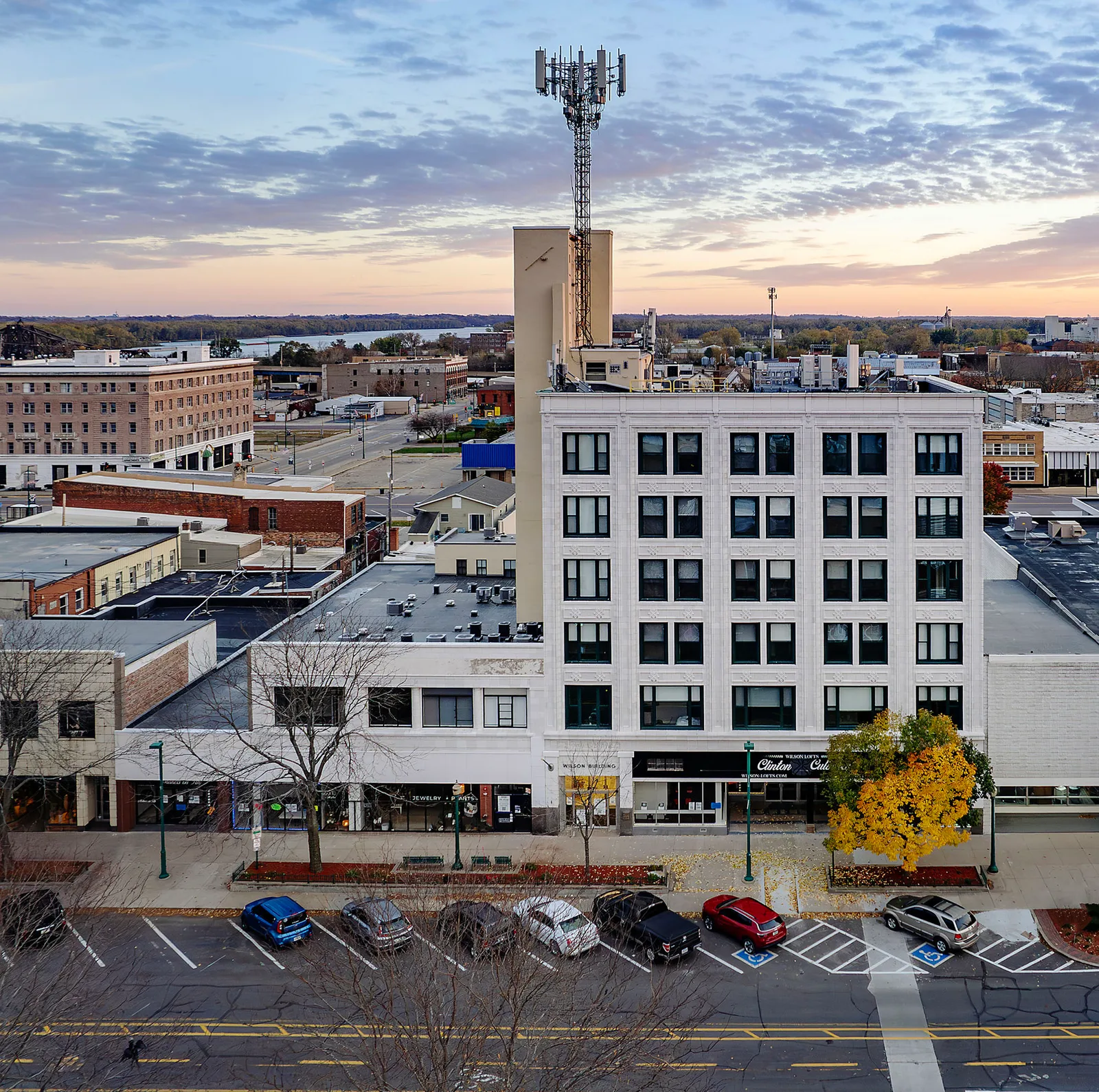
Water spreads through drywall, subfloor, and framing within minutes of a pipe failure or river backup. Smoke residue starts etching metal and staining porous surfaces within hours of a fire. In Clinton, the window for a clean recovery is short - and it closes fastest during humid Iowa summers.
A family helping families in disaster since 1988, our teams respond around the clock across Clinton County with the full range of mitigation and rebuild services.
- Water Damage Restoration - extraction, structural drying, moisture mapping, and repair of affected materials
- Flooded Basement Cleanup - pump-out, contents removal, foundation drying, and dehumidification below grade
- Sewage Cleanup - containment, removal of contaminated materials, antimicrobial treatment, and safe disposal
- Fire Damage Restoration - emergency board-up, debris removal, structural stabilization, and reconstruction
- Smoke Damage Restoration - soot cleaning, odor neutralization, HVAC decontamination, and contents cleaning
- Mold Removal - source correction, containment barriers, controlled removal, and post-remediation verification
Why fast action matters for Clinton property owners:
- Limits secondary damage to hardwood, plaster, and cabinetry common in older homes
- Reduces the chance that clean water losses become microbial problems
- Supports clearer insurance documentation from the first day
- Keeps families and employees out of contaminated or unstable spaces
Common Damage Restoration Issues in Clinton, Iowa
Life along the Mississippi River shapes the kinds of losses we see here. Groundwater pressure, aging sewer laterals, and hard Iowa winters all play a part.
Frequent Causes of Loss
- River-driven high groundwater pushing moisture through basement walls and floor joints
- Sump pump failure or power loss during severe thunderstorms and derecho events
- Frozen and burst supply lines in unheated crawl spaces, attics, and porch walls
- Ice dams forcing meltwater under shingles and into ceilings
- Municipal sewer surcharge during intense rainfall, sending waste back through floor drains
- Kitchen grease fires, space heaters, and older knob-and-tube or aluminum wiring in historic housing stock
- Furnace puff-backs that spread oily soot through every duct run
Warning Signs Worth Acting On
- Musty odor in the basement or lowest level, especially after rain
- Efflorescence - white chalky residue - on block or stone foundation walls
- Cupping or darkening hardwood near exterior doors and radiators
- Slow floor drains, gurgling toilets, or sewer odor near cleanouts
- Peeling paint, bubbling wallpaper, or soft spots in plaster ceilings
- Soot ghosting on walls above baseboards, outlets, and vents
- Recurring allergy symptoms that ease when you leave the house
Ignoring these signals rarely saves money. Small moisture problems in Clinton basements have a habit of becoming full mold remediation projects by mid-July.
Neighborhoods We Serve in Clinton
We respond throughout the city and the surrounding Clinton County communities, including riverfront blocks and rural properties on private wells and septic systems.
- Downtown and the riverfront district - historic commercial buildings, upper-floor apartments, and basement-level storage
- Lyons - older frame homes with stone foundations and steep lots
- South Clinton and Chancy - established residential streets near the levee and industrial corridor
- Bluff and hilltop neighborhoods - homes managing runoff from higher ground
- Lincolnway and North Clinton corridors - mixed residential and commercial properties
Nearby areas we cover:
- Camanche, DeWitt, Low Moor, and Charlotte
- Fulton, Morrison, and Albany across the river in Illinois
- Rural Clinton County acreages, farmsteads, and outbuildings
Seasonal Damage Patterns in Clinton
Seasonal Damage Patterns in Clinton
Each season brings a distinct call pattern. Knowing what is coming helps property owners prepare.
- December through February - burst pipes, ice dams, and ceiling collapses from trapped meltwater. Furnace and space heater fires peak, along with smoke and soot spread through closed-up homes.
- March and April - snowmelt combines with spring rain and river rise. Flooded basements, sump pump overload, and foundation seepage dominate.
- May through July - severe storms, straight-line winds, and sewer backups during heavy downpours. Humidity climbs and mold growth accelerates in any space that stayed damp through spring.
- August and September - lingering humidity keeps mold remediation active. Crawl spaces, closets, and finished basements show the effects of a wet season.
- October and November - first furnace runs release dust and puff-back soot. Outdoor hose bibs left connected set up the first freeze-related water losses.
Year-round constants include appliance failures, supply line ruptures, and sewage backups from aging clay laterals.
Housing Characteristics & Restoration Considerations
Clinton has a deep inventory of pre-1940 housing, plus mid-century ranches and newer construction on the city's outer edges. Each era responds differently to water, smoke, and mold.
Older Homes and Historic Properties
- Stone, brick, and unsealed block foundations wick groundwater and hold it
- Lath-and-plaster walls absorb moisture and soot deeply, often requiring specialized drying and cleaning
- Balloon framing lets water and smoke travel vertically between floors with no fire stops
- Original hardwood and trim benefit from targeted drying rather than immediate removal
- Knob-and-tube or updated-in-stages wiring raises fire risk in attics and walls
Mid-Century and Newer Construction
- Poured concrete basements with perimeter drains still fail when sump pumps lose power
- Finished lower levels with carpet pad, paneling, and framed walls trap moisture behind the surface
- Vinyl and engineered flooring hides water beneath it, delaying discovery
- Tighter building envelopes hold smoke odor and humidity longer
How This Shapes Our Approach
- Moisture meters and thermal imaging to find water inside wall cavities before demolition
- Cavity drying systems that preserve plaster and original woodwork where possible
- HVAC inspection after every fire to stop soot from recirculating
- Containment during mold removal to protect unaffected areas of multi-level homes
Environmental Conditions & Damage Implications
Clinton's climate and geology create ideal conditions for moisture problems. Understanding them explains why certain losses recur.
Climate
- Hot, humid summers with dew points that keep indoor relative humidity high without dehumidification
- Freeze-thaw cycling that opens mortar joints and foundation cracks each winter
- Heavy convective rainfall that overwhelms storm and sanitary systems in short bursts
- Wide seasonal temperature swings that stress plumbing and building materials
Soil and Groundwater
- Clay-heavy soils hold water against foundation walls instead of draining away
- Proximity to the Mississippi keeps water tables high in low-lying neighborhoods
- Sloped bluff lots direct surface runoff toward downhill properties
- Older tile and clay sewer laterals crack under soil movement and root intrusion
Air Quality and Indoor Effects
- Elevated summer humidity fuels mold on drywall paper, wood framing, and stored contents
- Smoke odor from fire losses reactivates in warm, humid conditions
- Sewage backups introduce bacteria and airborne contaminants that require containment and HEPA filtration
- Basement dampness feeds musty odors that circulate through forced-air systems
Controlling humidity and drying to a documented moisture standard - not just to the touch - is what keeps a water loss from becoming a mold project weeks later.
Mississippi River Flooding, Sump Failure, and Basement Recovery in Clinton
Living beside the Mississippi means groundwater is always part of the equation. Even homes well away from the floodplain feel the effect when the river runs high and the water table rises with it.
Why Clinton Basements Flood
- Sustained high river stages saturating soil around foundations
- Sump pumps running continuously until they burn out or lose power in a storm
- Sanitary sewer surcharge pushing water and waste back through floor drains
- Downspouts and grading that discharge rainwater directly against the foundation
- Cracked window wells and below-grade entries taking on surface runoff
Our Basement Recovery Process
- Safety assessment - electrical hazards, structural concerns, and contamination category are identified before entry.
- Water removal - truck-mounted extraction and portable pumps clear standing water quickly.
- Contents handling - salvageable items are moved and cleaned; contaminated porous goods are documented and removed.
- Selective demolition - wet carpet pad, saturated drywall, and paneling come out where drying in place is not realistic.
- Sanitizing - antimicrobial application follows any sewage or Category 3 water event.
- Structural drying - air movers and commercial dehumidifiers run with daily moisture readings until targets are met.
- Rebuild - framing, drywall, flooring, and finish work restore the space.
Prevention Steps Worth Taking
- Install a battery backup or water-powered secondary sump pump
- Add a backwater valve to guard against sewer surcharge
- Extend downspouts several feet from the foundation and re-grade low spots
- Test the sump pump before spring thaw and again before storm season
- Store valuables on shelving rather than directly on the basement floor
When water does get in, documentation matters as much as drying. We photograph conditions, log moisture data, and share reports that support your insurance claim from the first visit through final inspection.





